Khanal Pooja, Bista Durga, Shrestha Rojeena Koju
Department of Pharmacy, Kathmandu University, Dhulikhel, Nepal.
J Blood Med. 2024 Dec 20;15:533-547. doi: 10.2147/JBM.S493313. eCollection 2024.
Atrial fibrillation (AF) being a prevalent cardiovascular condition globally, has an increased risk of stroke and other complications. The effective management of AF often involves the use of oral anticoagulants (OACs) to prevent thromboembolic events. This study aimed to evaluate anticoagulation knowledge and medication adherence in AF patients on OACs at a tertiary care center in Nepal.
A descriptive cross-sectional study involving patients diagnosed with AF who were prescribed OACs at the Cardiology Department of Dhulikhel Hospital, Nepal, was conducted from March to June 2024. Data were collected using questionnaires, including the Oral Anticoagulation Knowledge Tool (AKT) and the Adherence in Chronic Diseases Scale (ACDS). The study included patients from the Dhulikhel Atrial Fibrillation (DAF) Registry database along with other AF patients visiting the cardiac department. Descriptive statistics were used to summarize patient demographics, knowledge scores, and adherence levels. Inferential statistics were used to observe the associations.
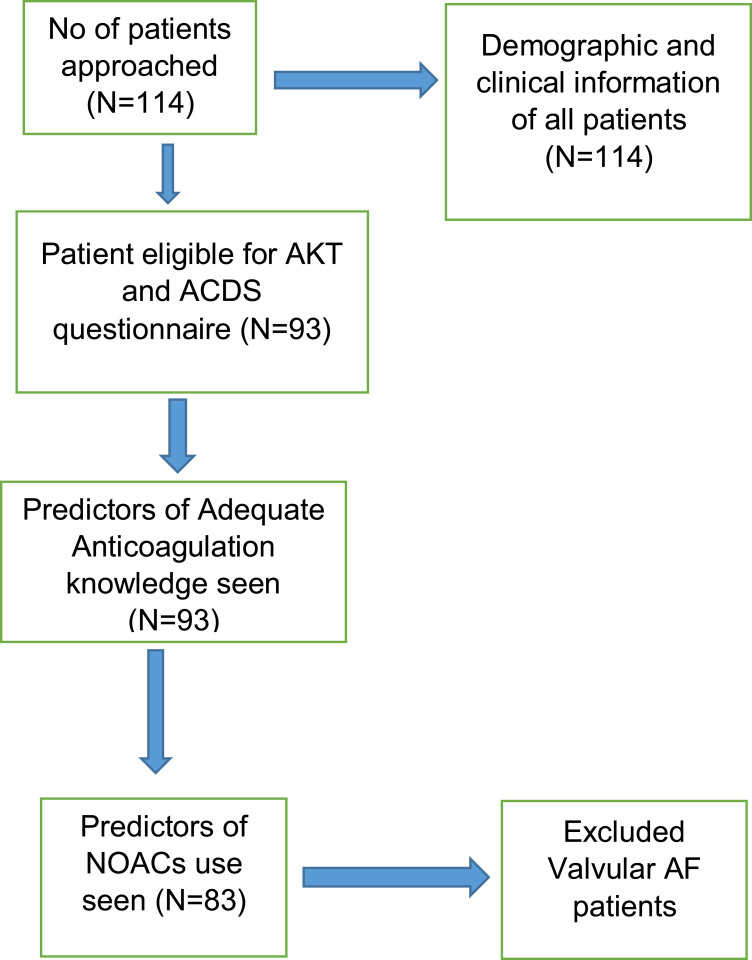
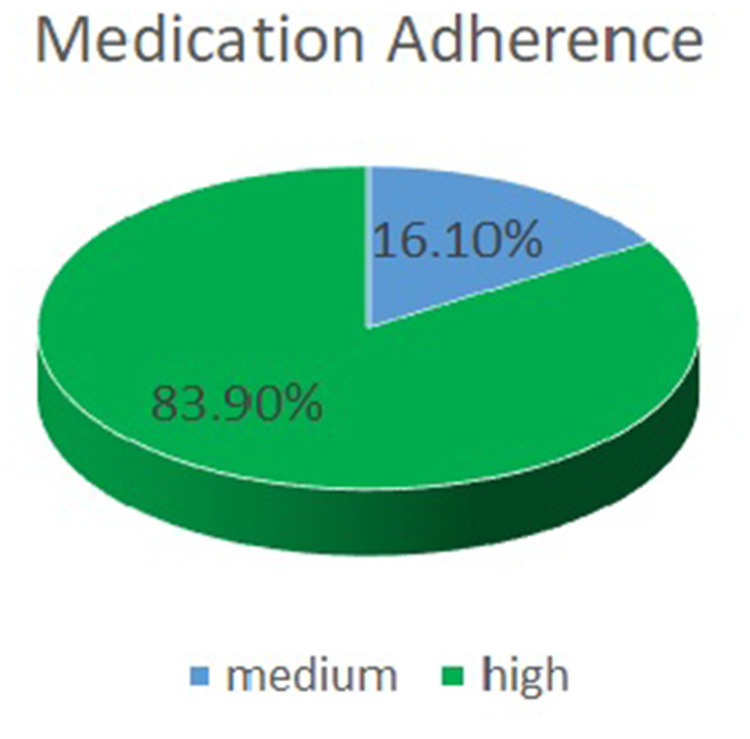
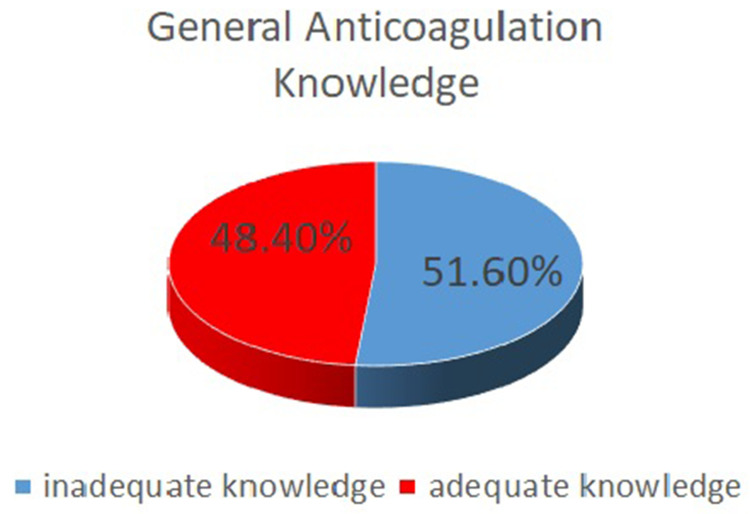
Among the 114 AF patients enrolled in the study, 93 were receiving OAC therapy and were interviewed. The mean age of the participants was 66.84 ± 12.3 years, with the majority being female (57%). The study revealed that a significant portion of patients lacked adequate knowledge about their OAC therapy, with only 48% having adequate knowledge as per the AKT. Additionally, 83.9% of the patients demonstrated high adherence to their medication regimen, whereas 16.1% showed medium adherence. The duration of use of OACs was found to be significantly associated with adequate anticoagulation knowledge.
The study findings indicate that a significant proportion of AF patients in Nepal lack adequate anticoagulation knowledge, highlighting an opportunity for improved educational interventions.
心房颤动(AF)作为一种全球普遍存在的心血管疾病,中风和其他并发症的风险增加。房颤的有效管理通常涉及使用口服抗凝剂(OAC)来预防血栓栓塞事件。本研究旨在评估尼泊尔一家三级医疗中心接受OAC治疗的房颤患者的抗凝知识和药物依从性。
2024年3月至6月,在尼泊尔杜利凯尔医院心脏病科进行了一项描述性横断面研究,纳入被诊断为房颤且正在接受OAC治疗的患者。使用问卷收集数据,包括口服抗凝知识工具(AKT)和慢性病依从性量表(ACDS)。该研究纳入了来自杜利凯尔心房颤动(DAF)登记数据库的患者以及其他到心脏科就诊的房颤患者。描述性统计用于总结患者人口统计学、知识得分和依从性水平。推断性统计用于观察相关性。
在纳入研究的114例房颤患者中,93例接受OAC治疗并接受了访谈。参与者的平均年龄为66.84±12.3岁,大多数为女性(57%)。研究表明,很大一部分患者对其OAC治疗缺乏足够的了解,根据AKT,只有48%的患者有足够的知识。此外,83.9%的患者对其药物治疗方案表现出高度依从性,而16.1%的患者表现出中等依从性。发现OAC的使用时间与足够的抗凝知识显著相关。
研究结果表明,尼泊尔很大一部分房颤患者缺乏足够的抗凝知识,这突出了改进教育干预措施的机会。