
香芹酮的见解:用于烷烃增溶的脂肪酸疏水型天然深共熔溶剂
Insights into Carvone: Fatty Acid Hydrophobic NADES for Alkane Solubilization.
作者信息
Aguilar Nuria, Benito Cristina, Martel-Martín Sonia, Gutiérrez Alberto, Rozas Sara, Marcos Pedro A, Bol-Arreba Alfredo, Atilhan Mert, Aparicio Santiago
机构信息
Department of Chemistry, University of Burgos, 09001 Burgos, Spain.
International Research Centre in Critical Raw Materials-ICCRAM, University of Burgos, 09001 Burgos, Spain.
出版信息
Energy Fuels. 2024 Dec 5;38(24):23633-23653. doi: 10.1021/acs.energyfuels.4c03623. eCollection 2024 Dec 19.
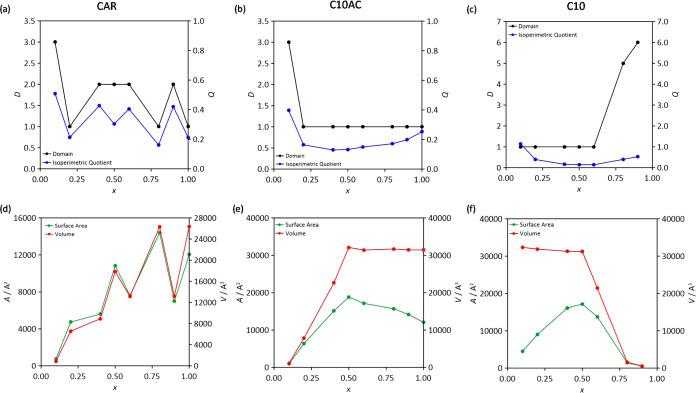
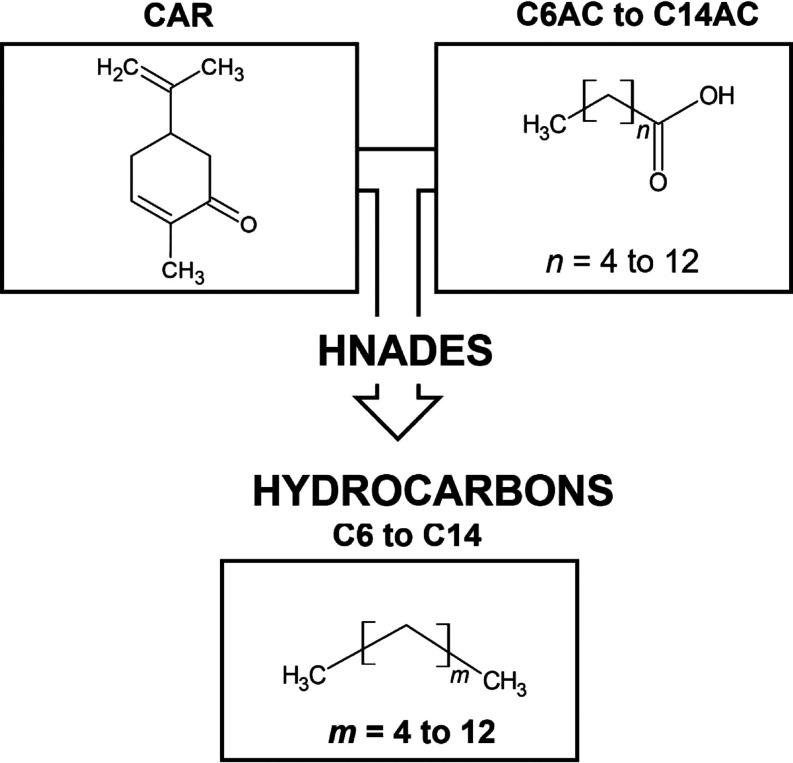
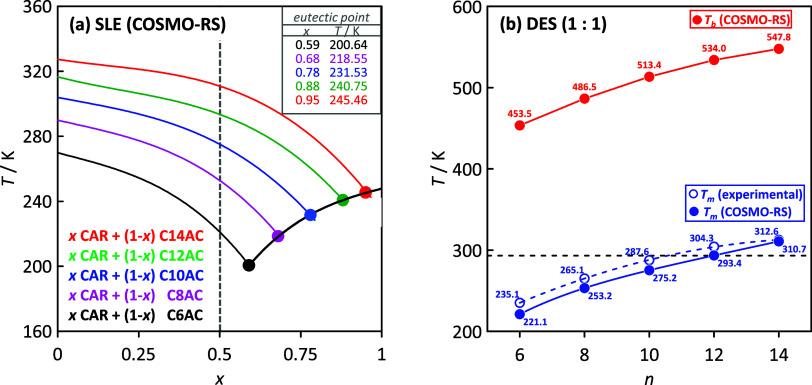
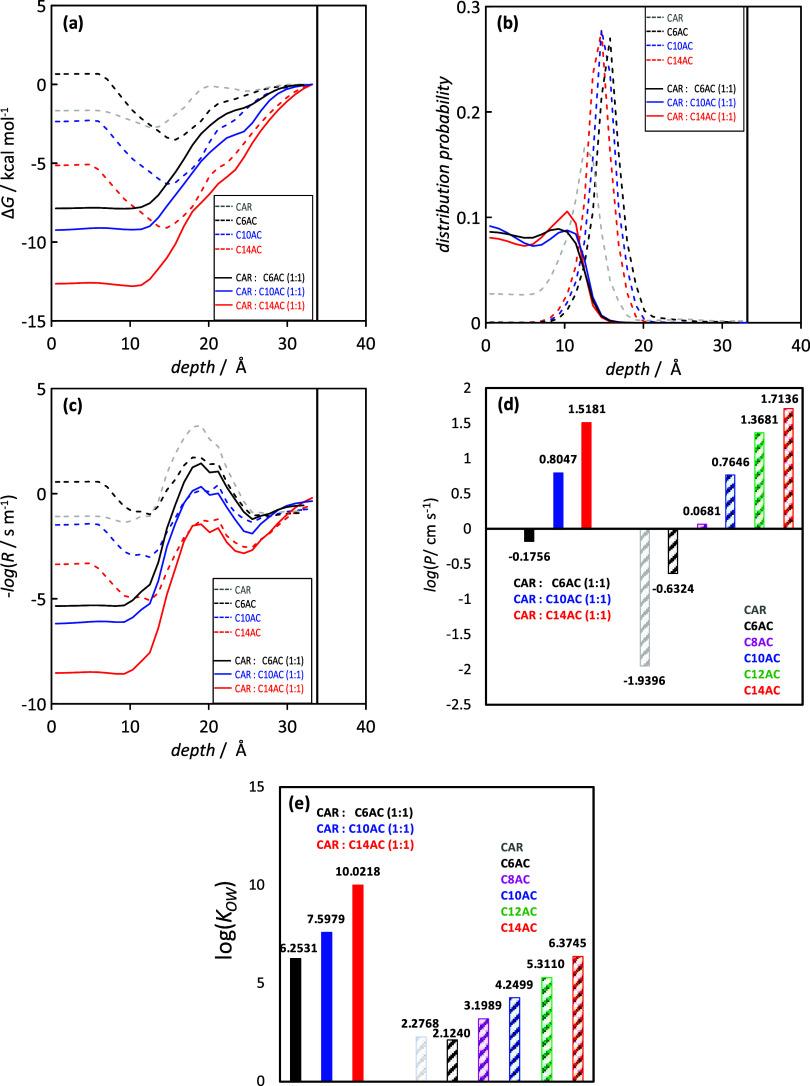
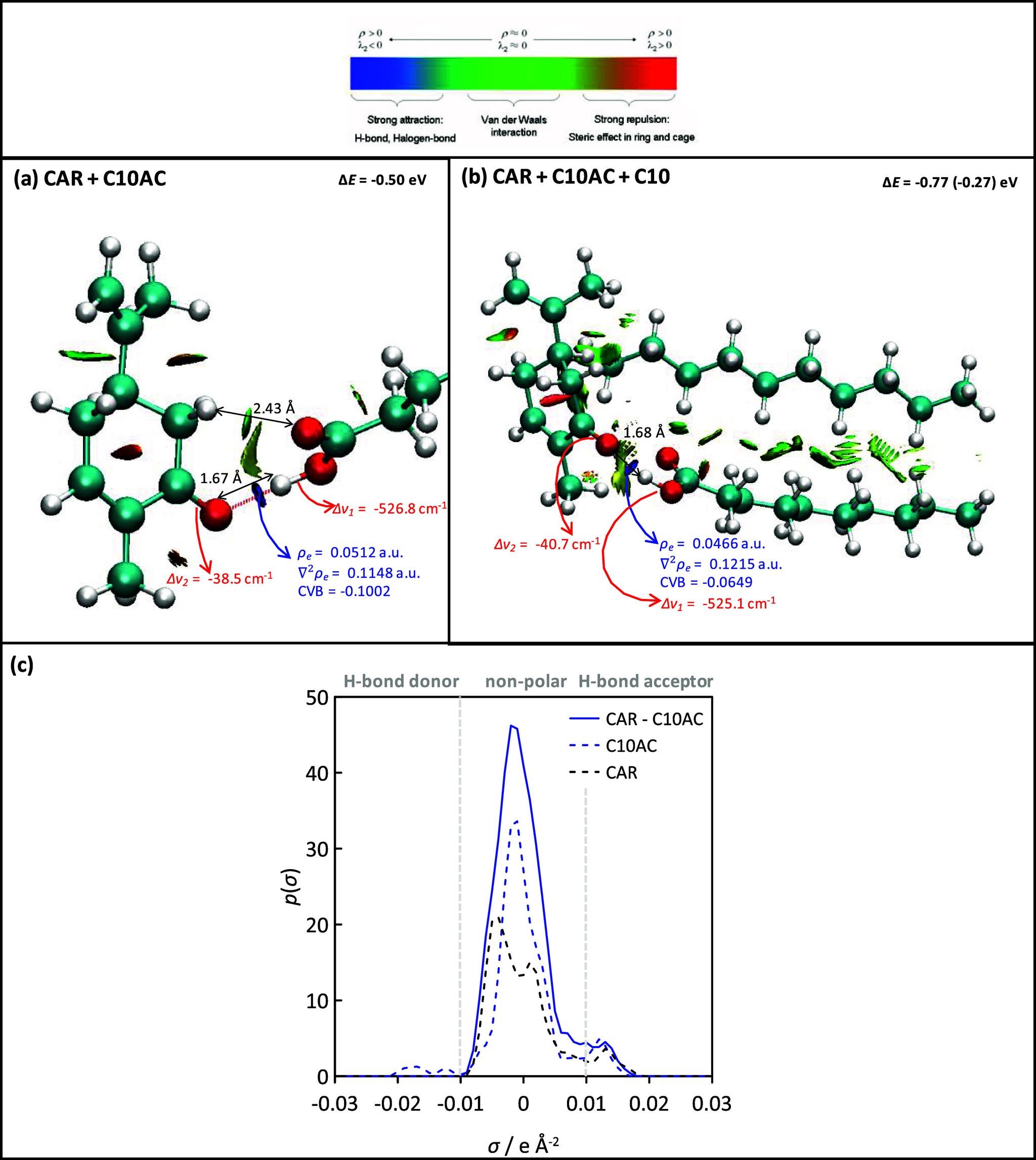
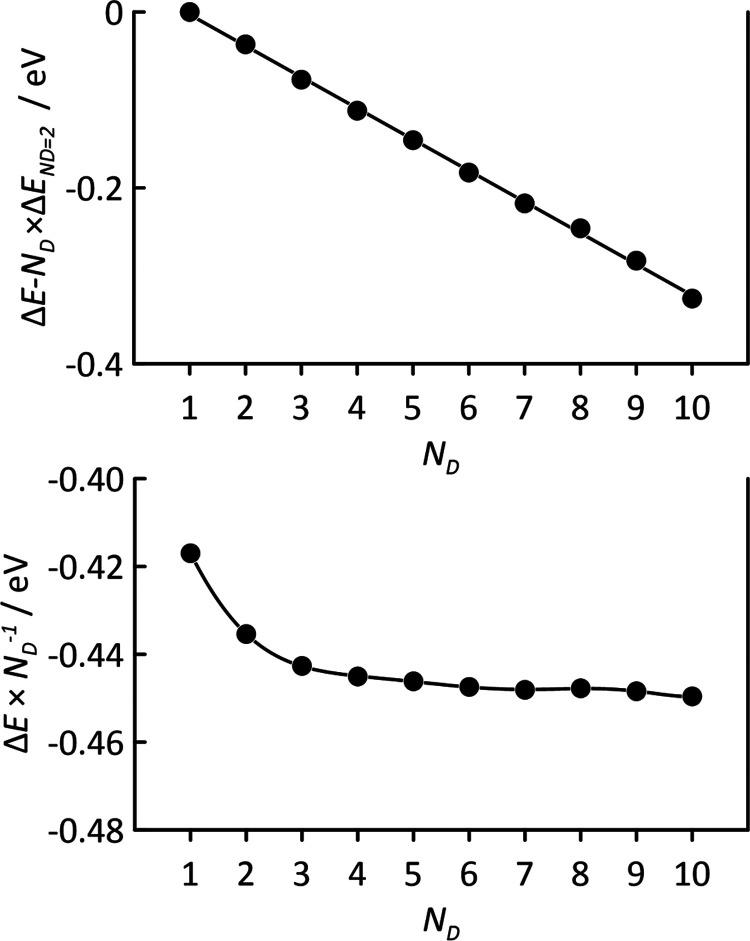
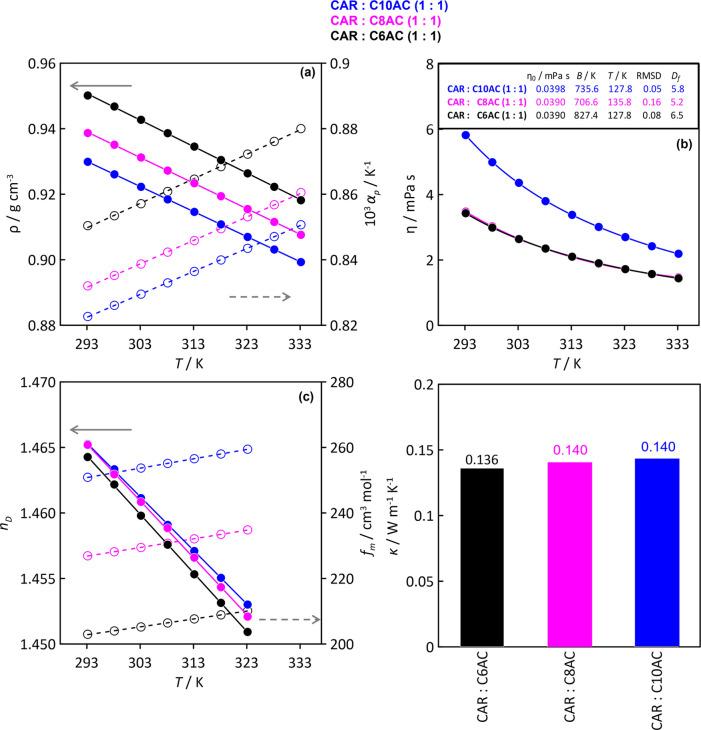
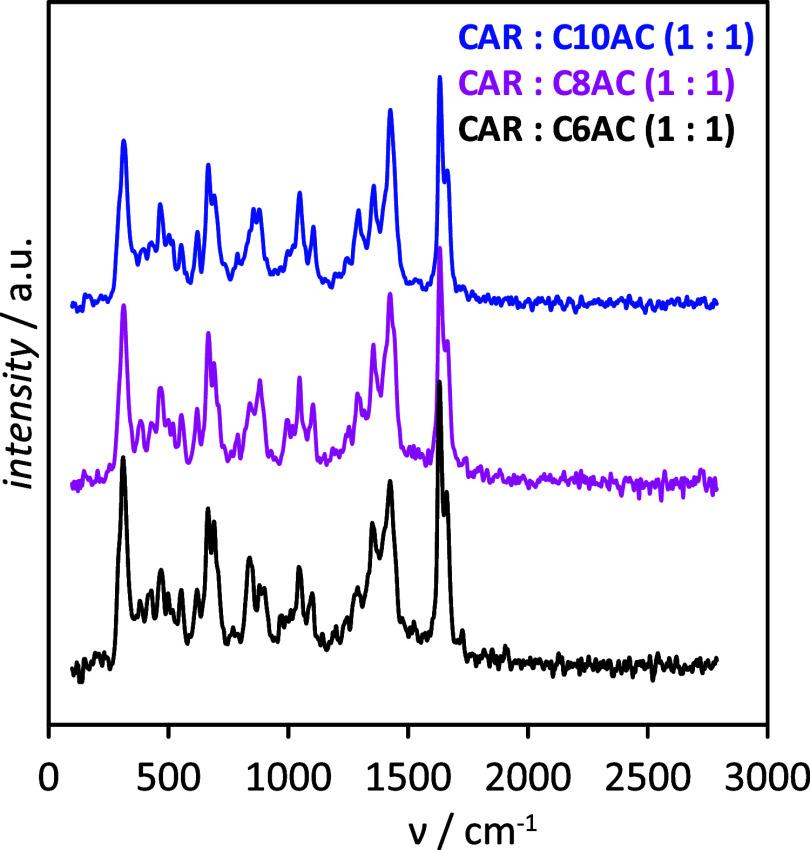
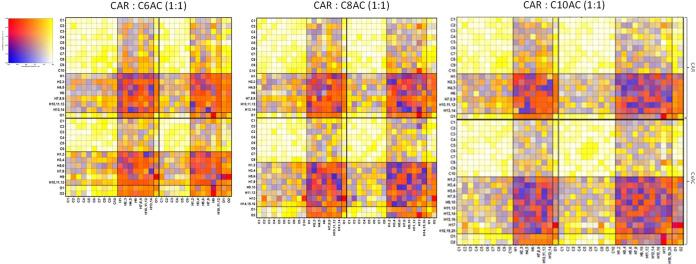
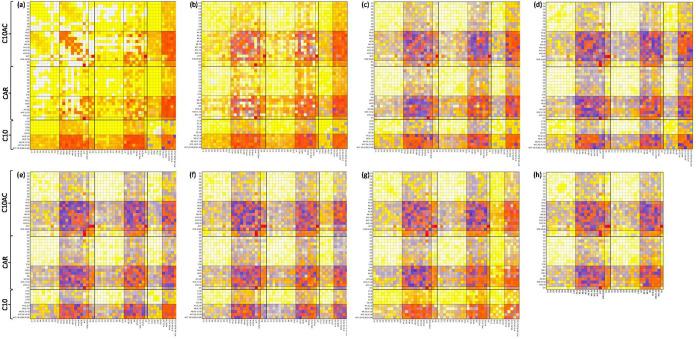
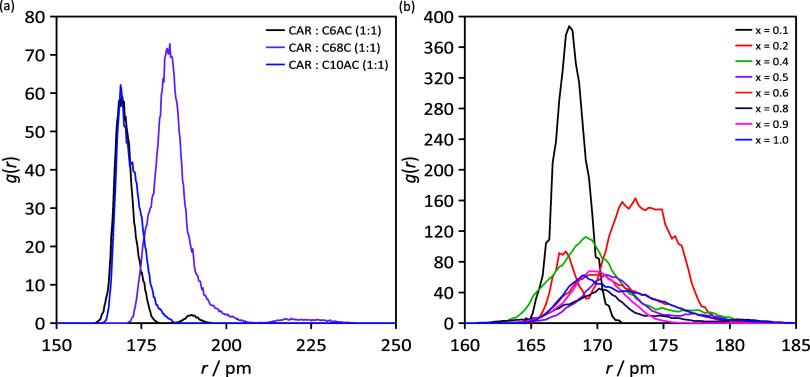
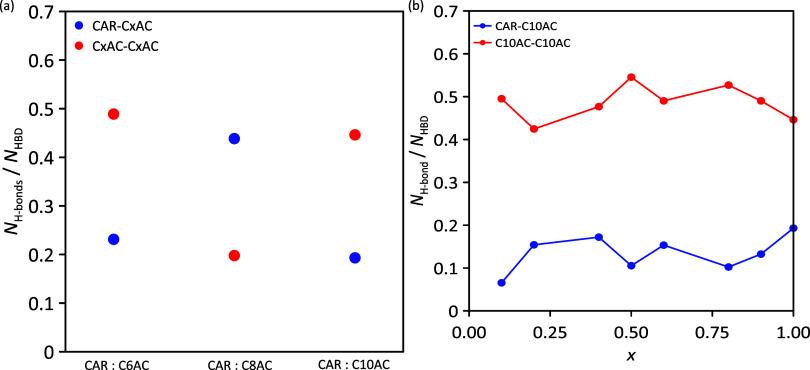
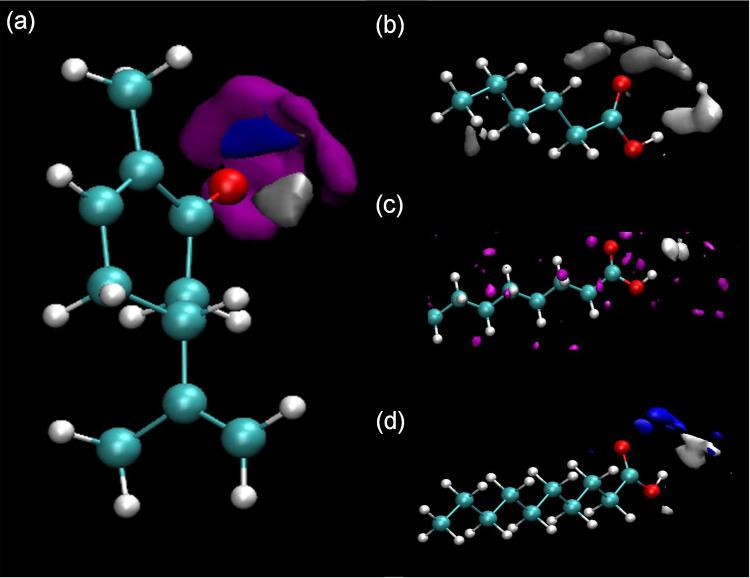
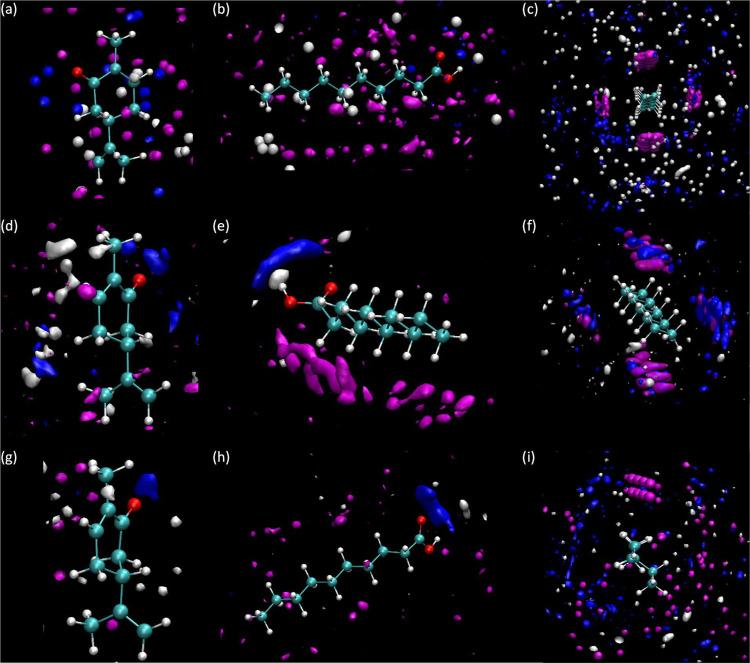
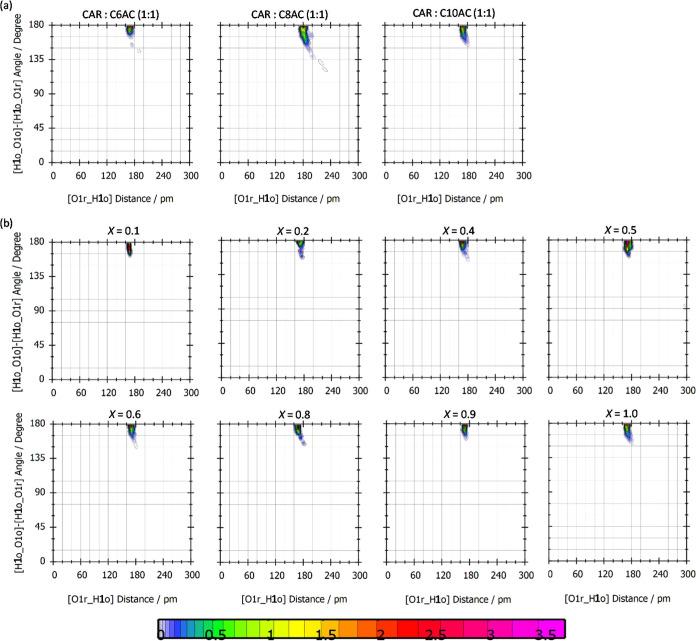
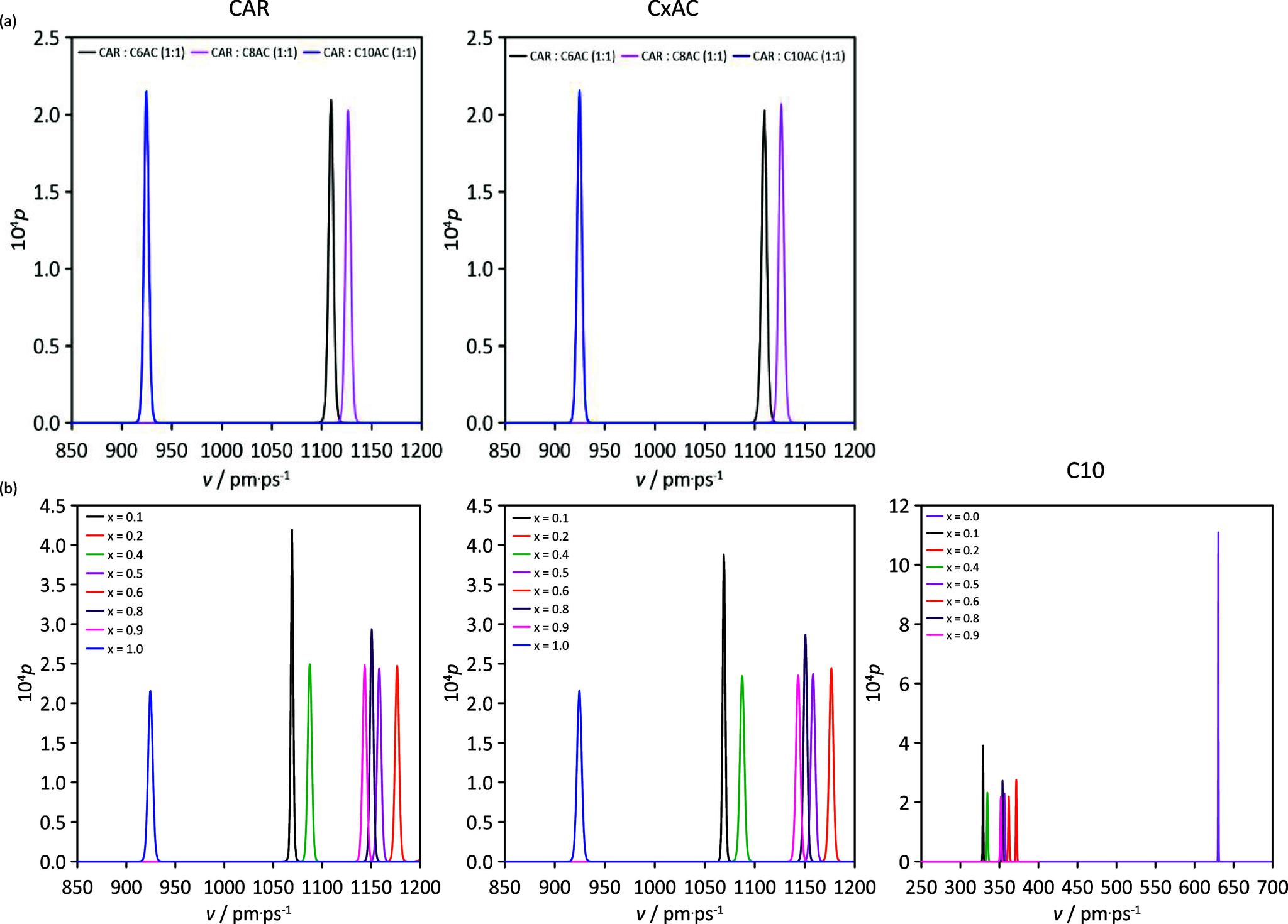
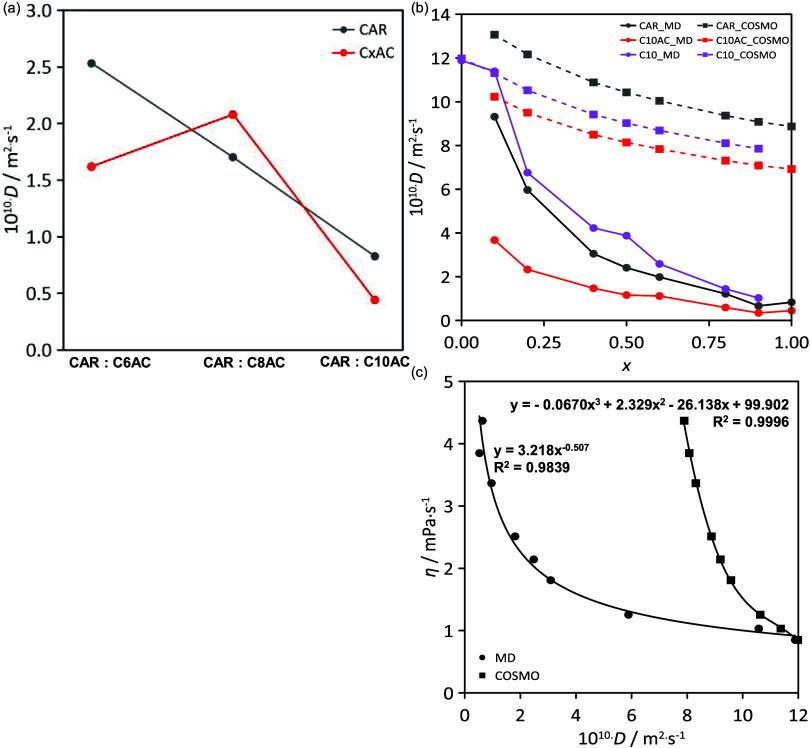
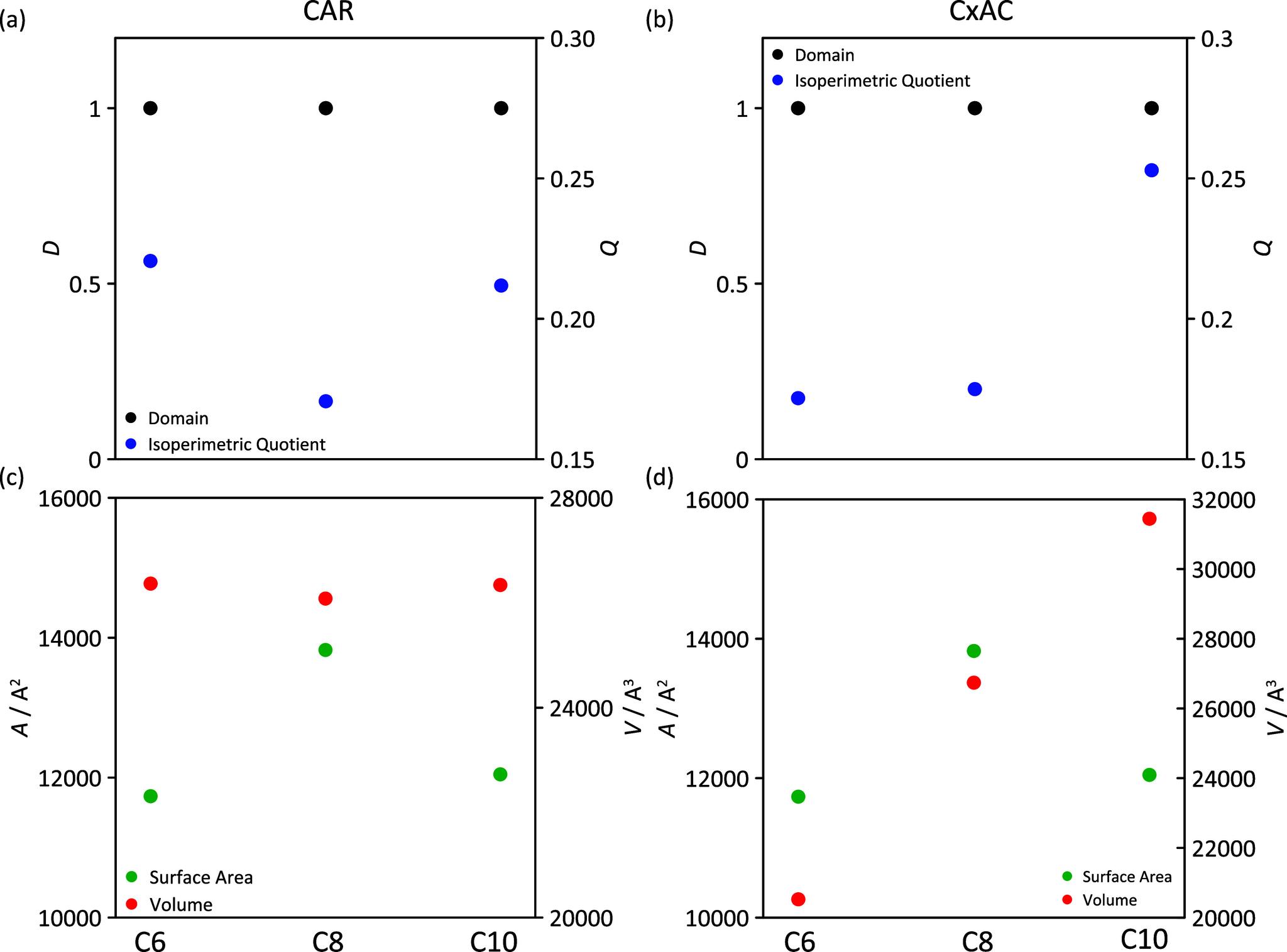
The urge to adopt cleaner technologies drives the search for novel and sustainable materials such as Hydrophobic Natural Deep Eutectic Solvents (HNADESs), a new class of green solvents characterized by their low toxicity, biodegradability, and tunable properties, aiming to be applied in various fields for handling non-polar substances. In this work, the solubilization of hydrocarbons in type V HNADESs (non-ionic organic molecules) formed by mixing carvone, a natural monoterpenoid, with organic acids (hexanoic to decanoic acids) is examined by applying both experimental and theoretical approaches. The synthesis and physicochemical characterization of different HNADESs allowed us to tailor their properties, aiming for optimal interactions with desired hydrocarbons. The solubilization of hydrocarbons in CAR:C10AC (1:1) HNADES is evaluated in terms of HNADES content, temperature, and the structure of the hydrocarbon itself (C6, C10, and C14 being the selected ones). To gain deeper insights into the underlying mechanisms of interactions between the solvents and the alkanes, a comprehensive multiscale computational study was carried out to analyze the nature of the interactions, the changes upon formation of HNADESs and hydrocarbon solubilization in the fluid's nanostructure, and the possible toxicological effects of the solvents. The findings hold the potential to significantly impact the realm of hydrocarbon exploration and utilization.
采用更清洁技术的迫切需求推动了对新型可持续材料的探索,例如疏水性天然低共熔溶剂(HNADESs),这是一类新型绿色溶剂,具有低毒性、生物可降解性和可调节性质,旨在应用于处理非极性物质的各个领域。在这项工作中,通过实验和理论方法研究了由天然单萜类化合物香芹酮与有机酸(己酸至癸酸)混合形成的V型HNADESs(非离子有机分子)中烃类的增溶作用。不同HNADESs的合成和物理化学表征使我们能够调整其性质,以实现与所需烃类的最佳相互作用。根据HNADES含量、温度和烃类本身的结构(选择的是C6、C10和C14)评估了烃类在CAR:C10AC(1:1)HNADES中的增溶作用。为了更深入地了解溶剂与烷烃之间相互作用的潜在机制,开展了一项全面的多尺度计算研究,以分析相互作用的性质、形成HNADESs时的变化以及流体纳米结构中烃类的增溶作用,以及溶剂可能的毒理学效应。这些发现有可能对烃类勘探和利用领域产生重大影响。
 Zotero 插件