Zeng Xiaoxia, Yang Dunhui, Zhang Jin, Li Kang, Wang Xijia, Ma Fang, Liao Xianqin, Wang Zhen, Zeng Xianhai, Zhang Peng
Department of Otolaryngology, Longgang Otolaryngology hospital & Shenzhen Key Laboratory of Otolaryngology, Shenzhen Institute of Otolaryngology, Shenzhen, Guangdong, China.
Department of Otolaryngology, The Second People's Hospital of Yibin, Yibin, Sichuan, China.
Front Immunol. 2024 Dec 10;15:1501486. doi: 10.3389/fimmu.2024.1501486. eCollection 2024.
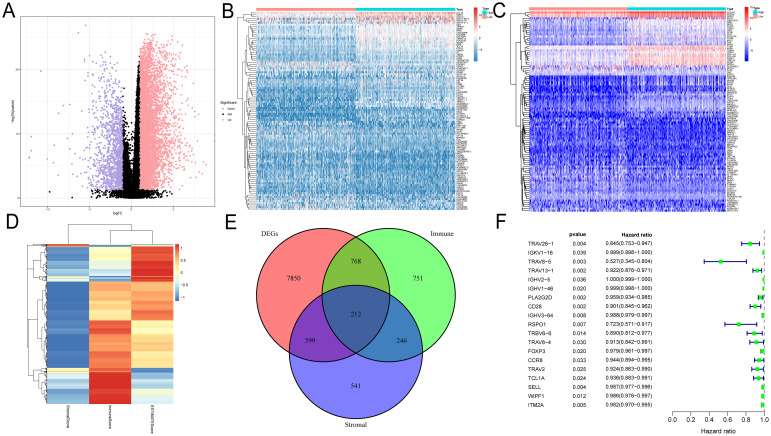
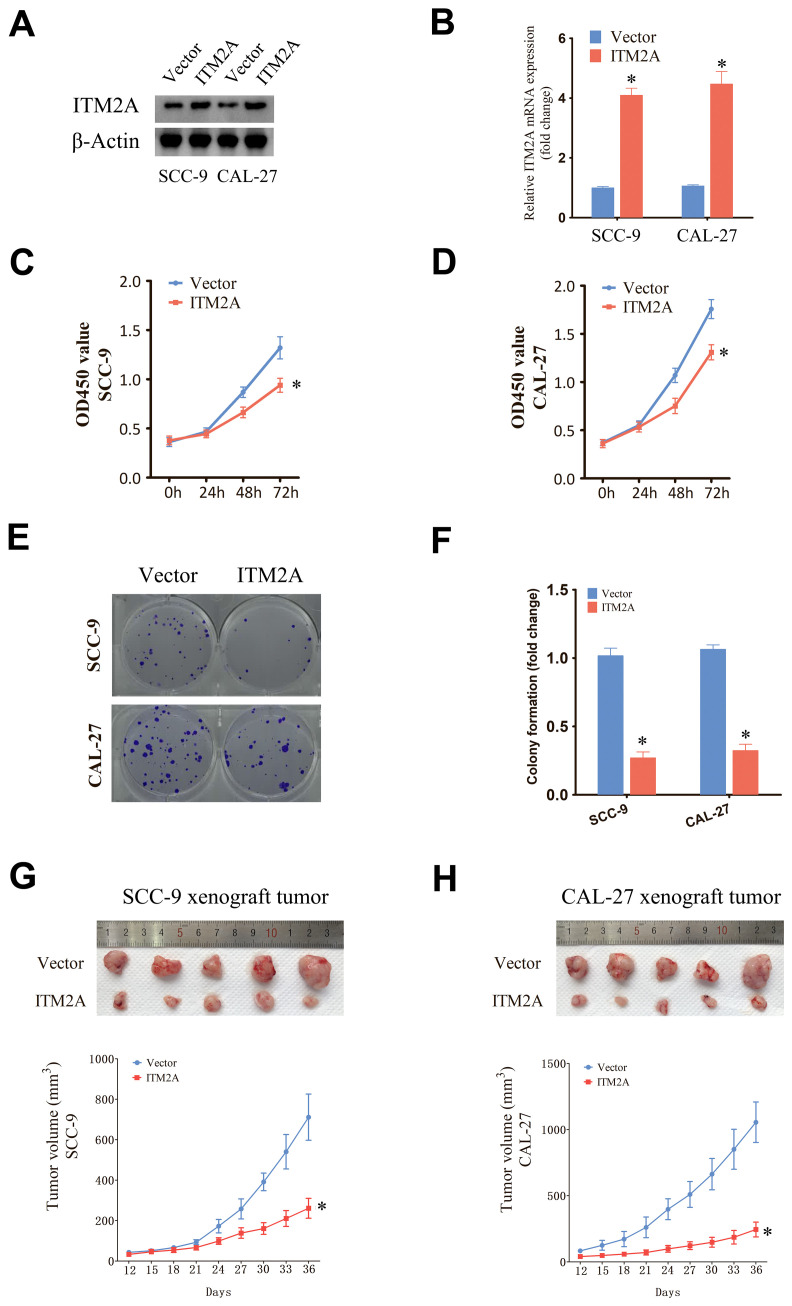
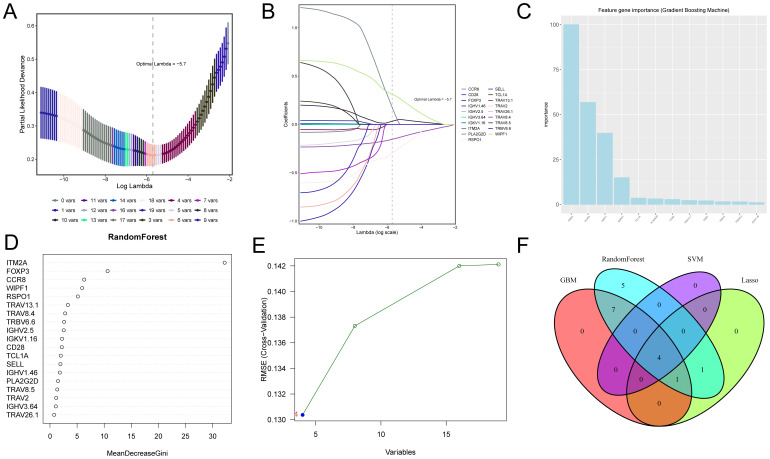
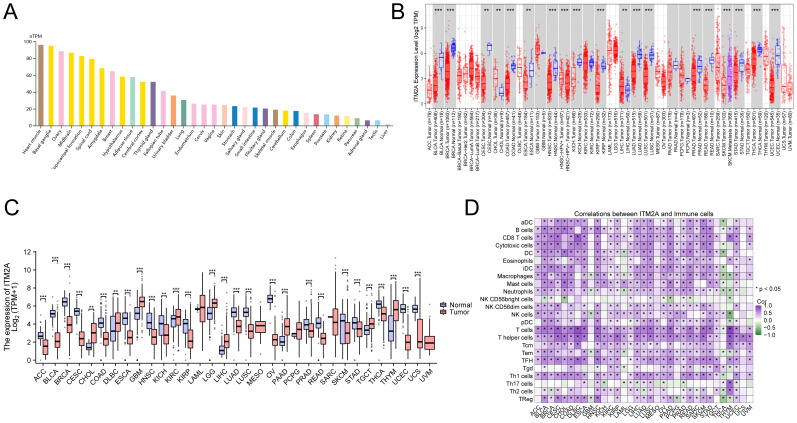
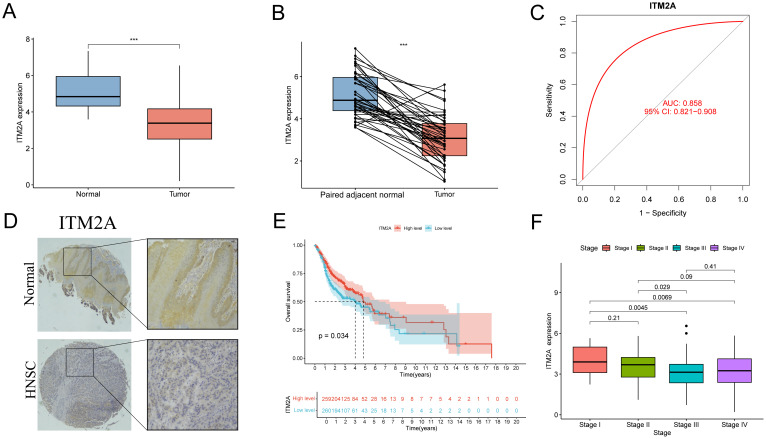
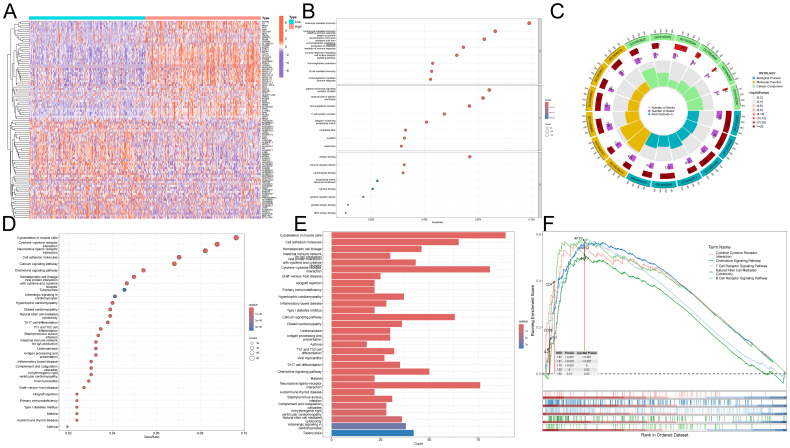
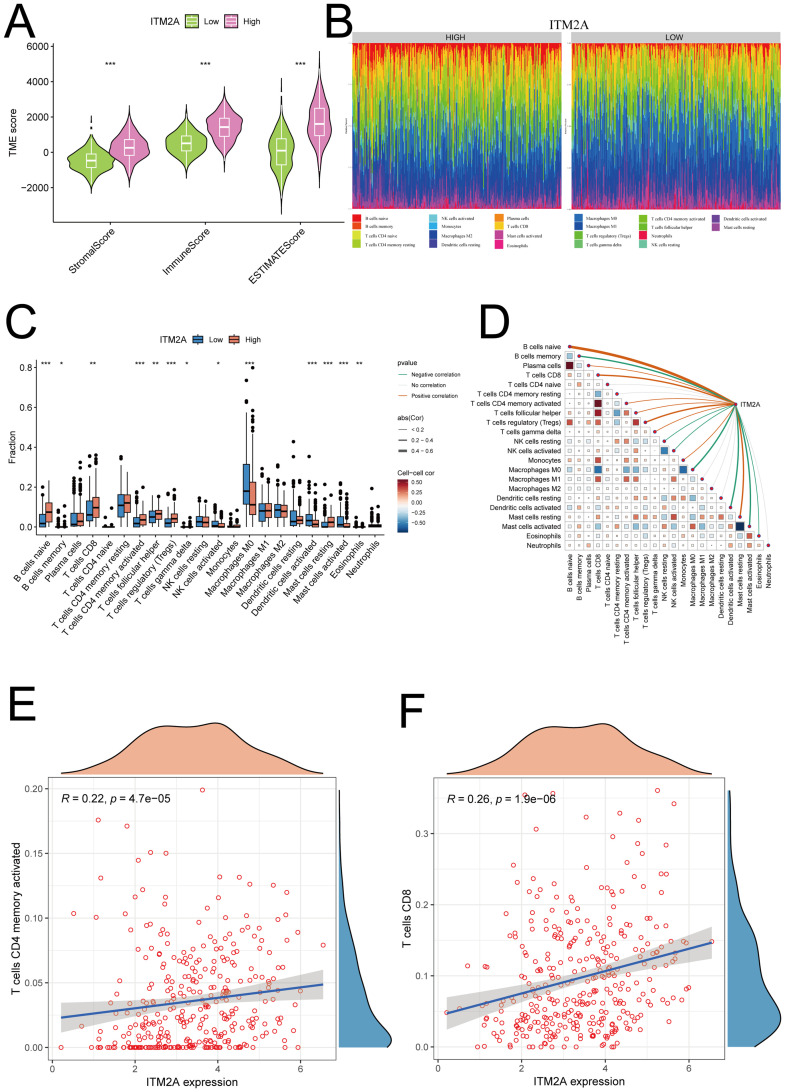
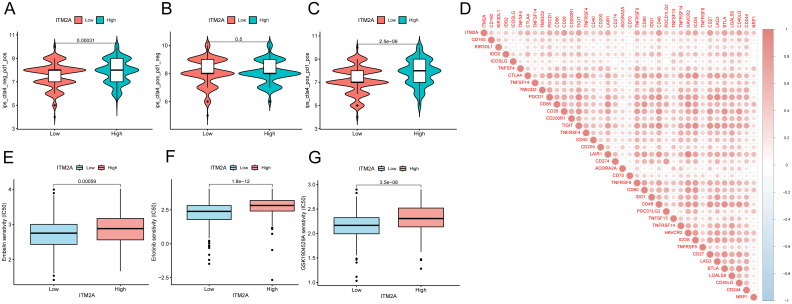
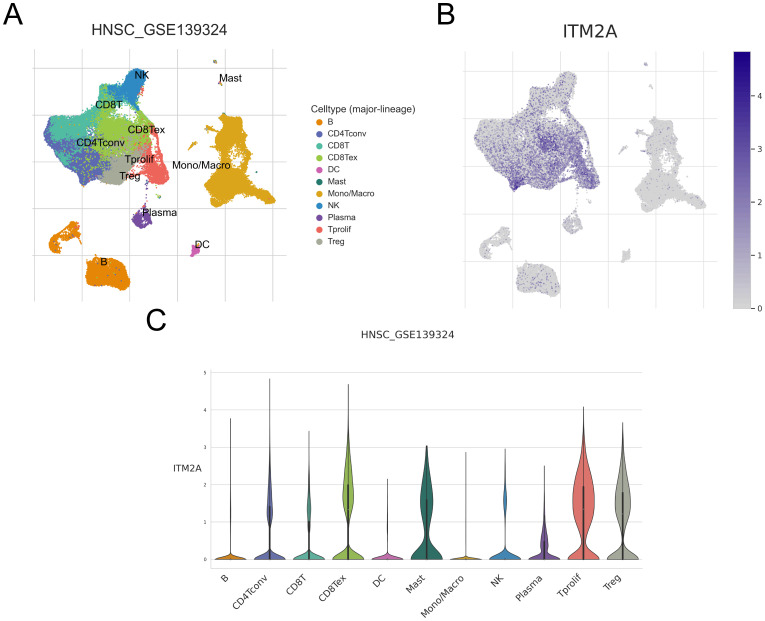
Head and neck squamous carcinoma (HNSC), characterized by a high degree of malignancy, develops in close association with the tumor immune microenvironment (TIME). Therefore, identifying effective targets related to HNSC and TIME is of paramount importance. Here, we employed the ESTIMATE algorithm to compute immune and stromal cell scores for HNSC samples from the TCGA database and identified differentially expressed genes (DEGs) based on these scores. Subsequently, we utilized four machine learning algorithms to identify four key genes: ITM2A, FOXP3, WIPF1, and RSPO1 from DEGs. Through a comprehensive pan-cancer analysis, our study identified aberrant expression of ITM2A across various tumor types, with a significant association with the TIME. Specifically, ITM2A expression was markedly reduced and correlated with poor prognosis in HNSC. Functional enrichment analysis revealed that ITM2A is implicated in multiple immune-related pathways, including immune-infiltrating cells, immune checkpoints, and immunotherapeutic responses. ITM2A expression was observed in various immune cell populations through single-cell analysis. Furthermore, we showed that ITM2A overexpression inhibited the growth of HNSC cells. Our results suggest that ITM2A may be a novel prognostic marker associated with TIME.
头颈部鳞状细胞癌(HNSC)具有高度恶性,其发展与肿瘤免疫微环境(TIME)密切相关。因此,识别与HNSC和TIME相关的有效靶点至关重要。在此,我们使用ESTIMATE算法计算来自TCGA数据库的HNSC样本的免疫和基质细胞评分,并基于这些评分识别差异表达基因(DEG)。随后,我们利用四种机器学习算法从DEG中识别出四个关键基因:ITM2A、FOXP3、WIPF1和RSPO1。通过全面的泛癌分析,我们的研究发现ITM2A在各种肿瘤类型中存在异常表达,且与TIME显著相关。具体而言,在HNSC中ITM2A表达明显降低,并与不良预后相关。功能富集分析表明,ITM2A参与多种免疫相关途径,包括免疫浸润细胞、免疫检查点和免疫治疗反应。通过单细胞分析在各种免疫细胞群体中观察到了ITM2A表达。此外,我们表明ITM2A过表达抑制了HNSC细胞的生长。我们的结果表明,ITM2A可能是一种与TIME相关的新型预后标志物。