Han Yichi, Cui Yongji, Liu Juli, Wang Dingchen, Zou Guoxiang, Qi Xin, Meng Jinxiu, Huang Xiaoran, He Haiwei, Li Xin
Department of Emergency Medicine, Guangdong Provincial People's Hospital (Guangdong Academy of Medical Sciences), Southern Medical University, Guangzhou, Guangdong, China.
Department of Critical Care Medicine, Chengdu Fifth People's Hospital (The Second Clinical Medical College, Afliated Fifth People's Hospital of Chengdu University of Traditional Chinese Medicine), Chengdu, China.
J Cell Mol Med. 2024 Dec;28(24):e70293. doi: 10.1111/jcmm.70293.
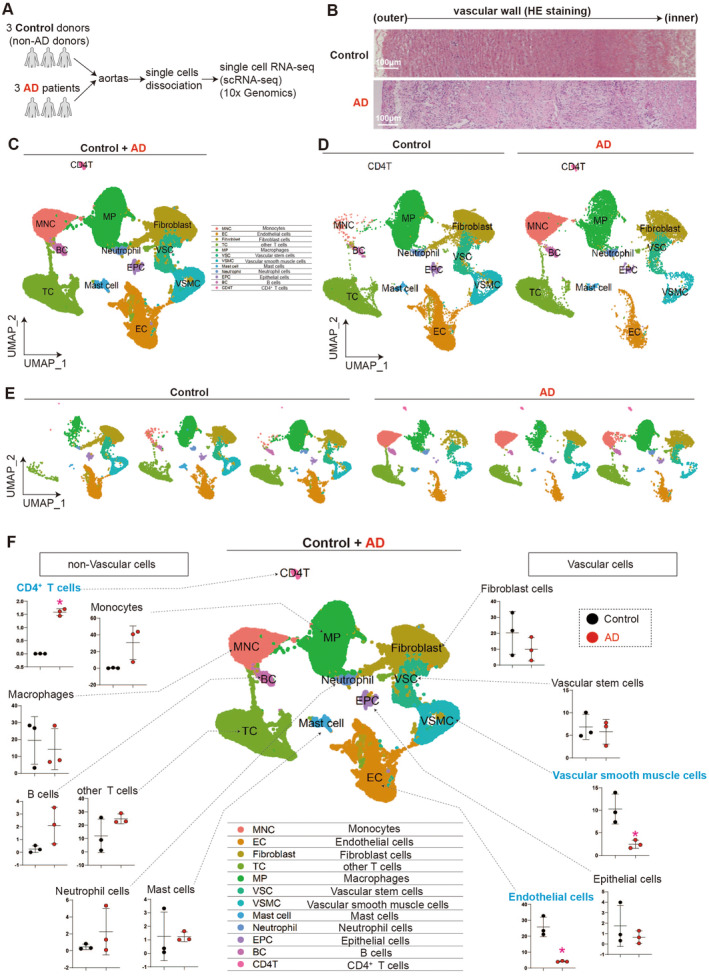
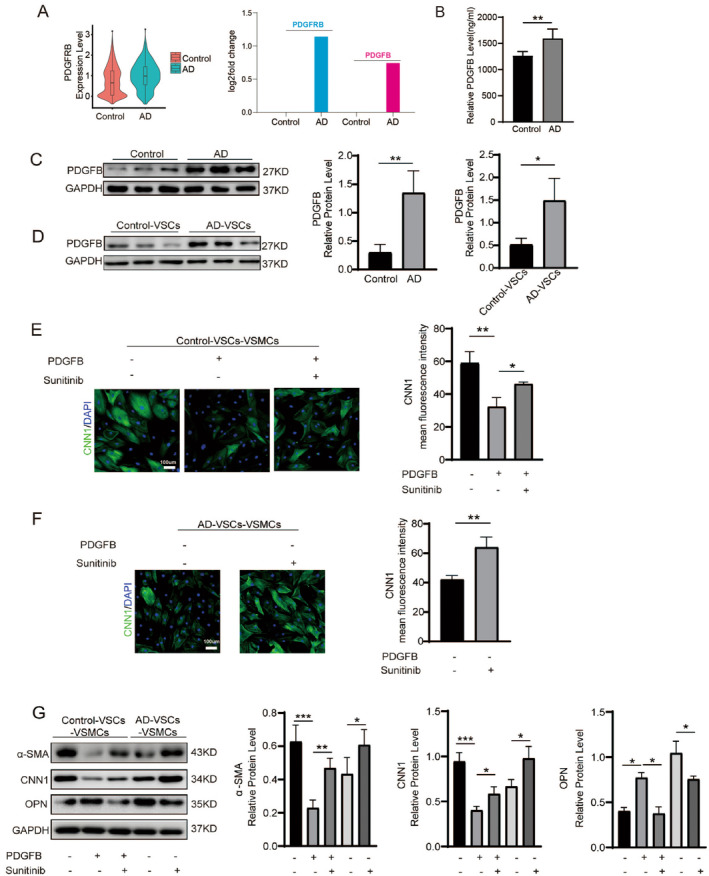
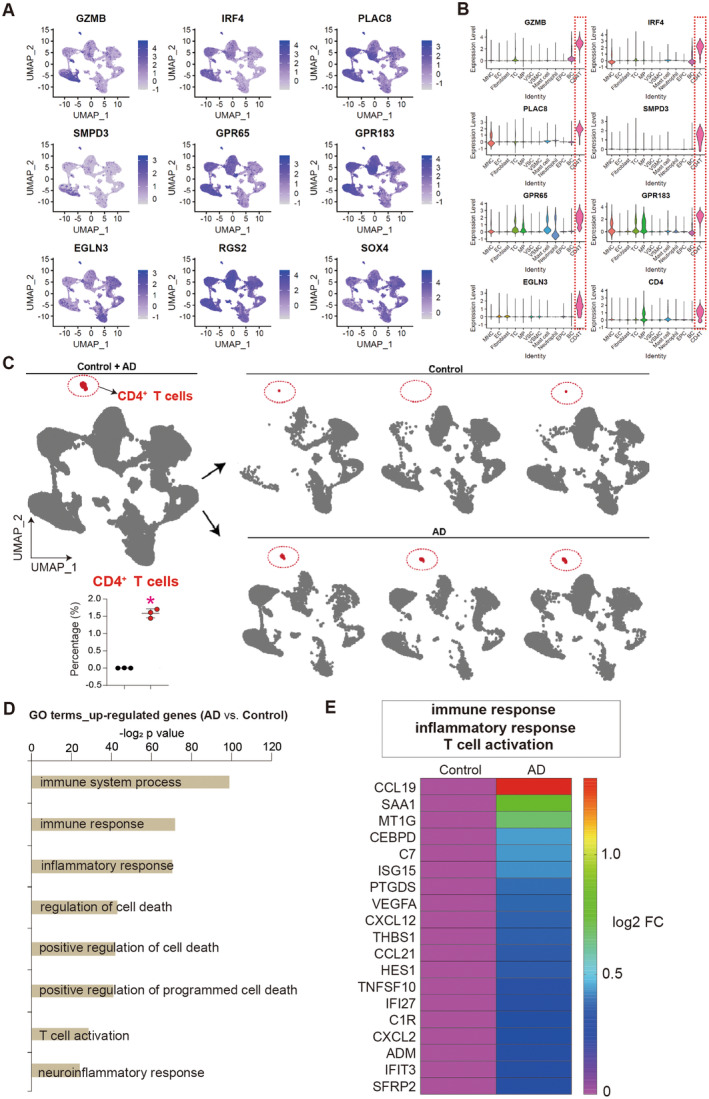
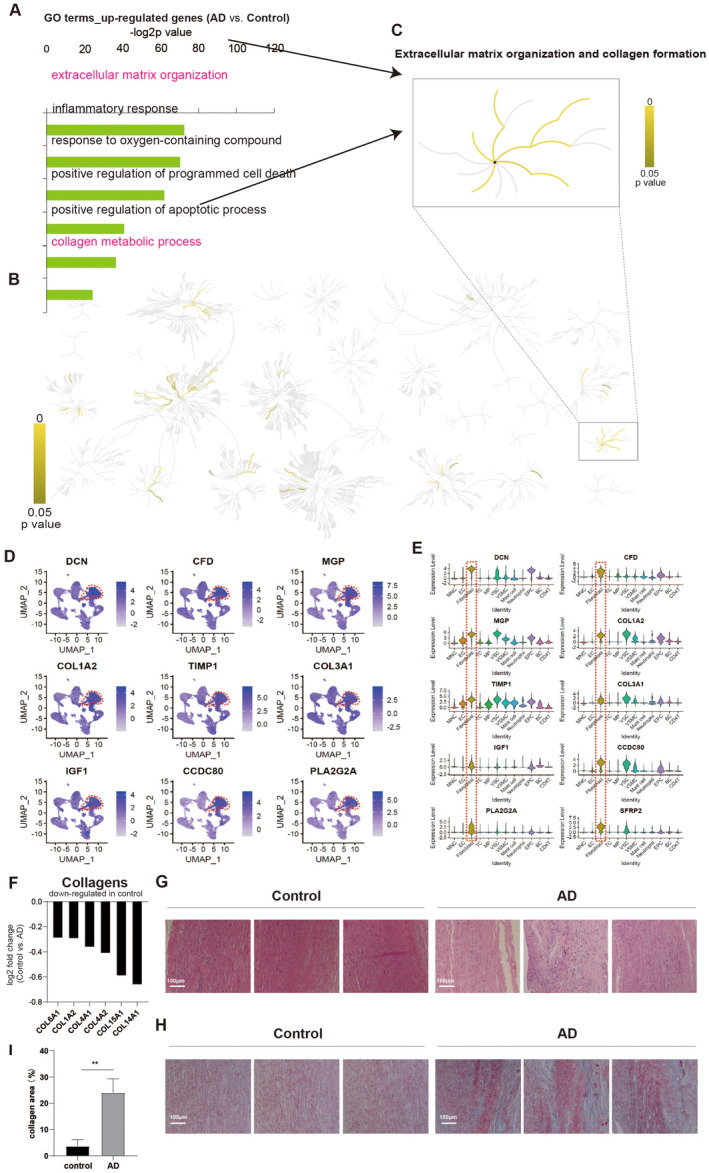
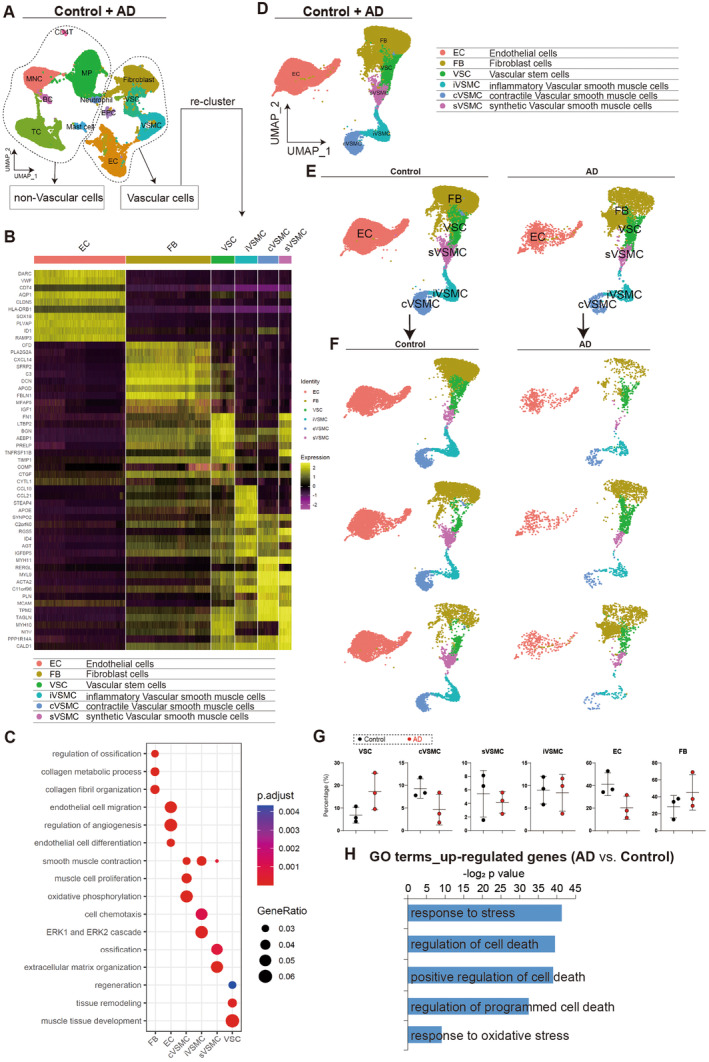
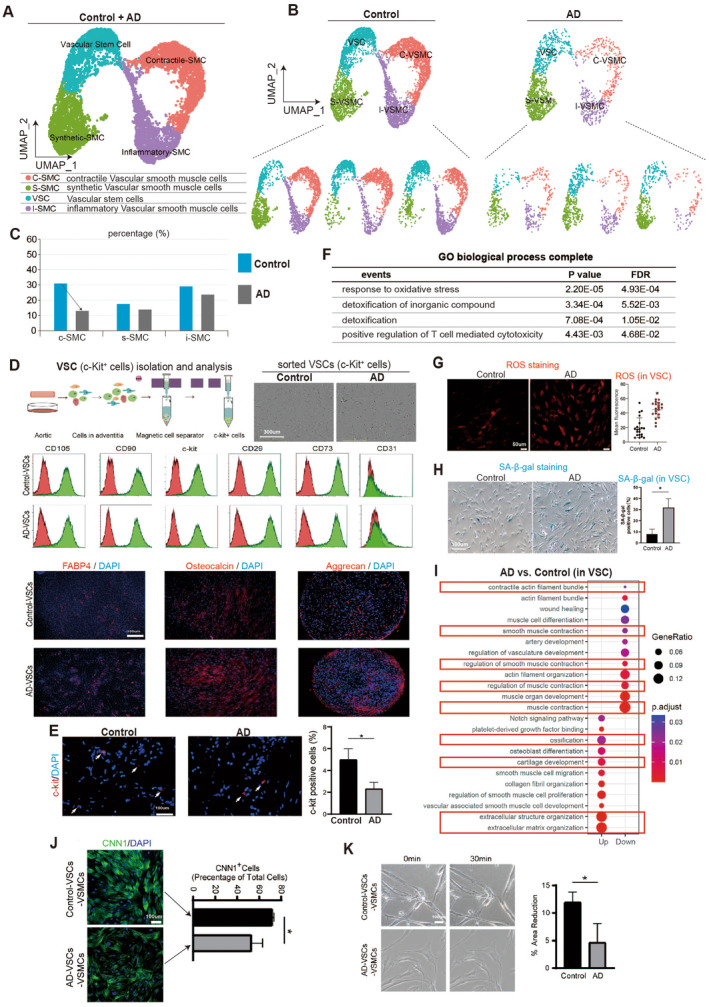
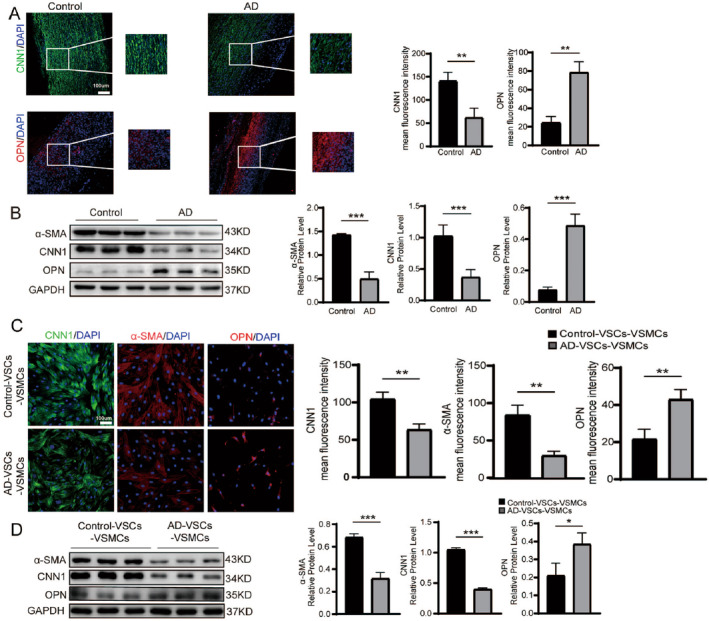
Aortic dissection (AD) represents a critical condition characterised by a tear in the inner lining of the aorta, leading to the leakage of blood into the layers of the aortic wall, posing a significant risk to life. However, the pathogenesis is unclear. In this study, scRNA-seq was applied to cells derived from aortas of both AD and non-AD donors (control) to unveil the cellular landscape. ScRNA-seq data uncover significant cellular heterogeneity in AD aortas. Specifically, we observed an accumulation of CD4 T cells, which contributed to inflammation and cell death, and abnormal collagen formation mediated by fibroblast cells in AD. Moreover, we revealed a greater prevalence of cell death, oxidative stress and senescence in AD aorta cells. Furthermore, we found a decrease in the percentage of vascular stem cells (VSCs), along with a repression in their ability to differentiate into contractile vascular smooth muscle cells (VSMCs). Finally, our data demonstrated that the PDGF signalling pathway was activated in AD. We found that PDGF activation could lead to VSMCs aberrant switch from contractile to synthetic phenotype, which could be ameliorated by PDGF inhibitor. This underscores the potential of the PDGF as a therapeutic target for AD. In summary, our study highlights the cellular heterogeneity and associated injuries within aortas affected by AD, including cell death, oxidative stress, senescence and dysregulation of signalling pathways influencing the aberrant phenotypic switch of VSMCs. These insights offer valuable contributions to understanding the molecular mechanisms underlying AD and present new avenues for therapeutic intervention in this condition.
主动脉夹层(AD)是一种危急病症,其特征是主动脉内膜撕裂,导致血液渗入主动脉壁各层,对生命构成重大风险。然而,其发病机制尚不清楚。在本研究中,单细胞RNA测序(scRNA-seq)被应用于来自AD供体和非AD供体(对照)主动脉的细胞,以揭示细胞图谱。scRNA-seq数据揭示了AD主动脉中显著的细胞异质性。具体而言,我们观察到CD4 T细胞的积累,这导致了炎症和细胞死亡,以及AD中成纤维细胞介导的异常胶原形成。此外,我们发现AD主动脉细胞中细胞死亡、氧化应激和衰老的发生率更高。此外,我们发现血管干细胞(VSCs)的百分比下降,同时其分化为收缩性血管平滑肌细胞(VSMCs)的能力受到抑制。最后,我们的数据表明AD中血小板衍生生长因子(PDGF)信号通路被激活。我们发现PDGF激活可导致VSMCs从收缩表型异常转变为合成表型,而PDGF抑制剂可改善这种情况。这突出了PDGF作为AD治疗靶点的潜力。总之,我们的研究强调了受AD影响的主动脉内的细胞异质性和相关损伤,包括细胞死亡、氧化应激、衰老以及影响VSMCs异常表型转换的信号通路失调。这些见解为理解AD的分子机制提供了有价值的贡献,并为这种病症的治疗干预提供了新途径。