Lu Zongqing, Fang Pu, Li Shuai, Xia Dunling, Zhang Jingjing, Wu Xianghui, Pan Jingjing, Cai Haijian, Fu Lin, Sun Gengyun, You Qinghai
Department of Respiratory and Critical Care Medicine, The First Affiliated Hospital of Anhui Medical University, Hefei, 230022, China.
Department of Emergency Medicine, First Affiliated Hospital of Anhui Medical University, Hefei, 230022, China.
Adv Sci (Weinh). 2025 Feb;12(7):e2407064. doi: 10.1002/advs.202407064. Epub 2024 Dec 25.
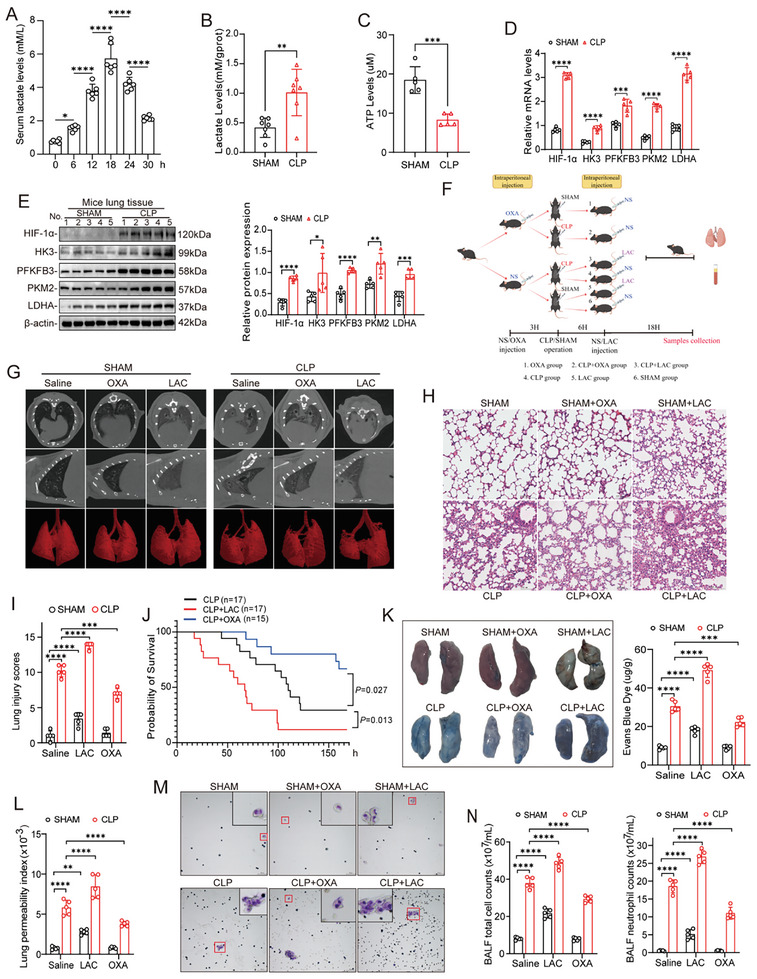
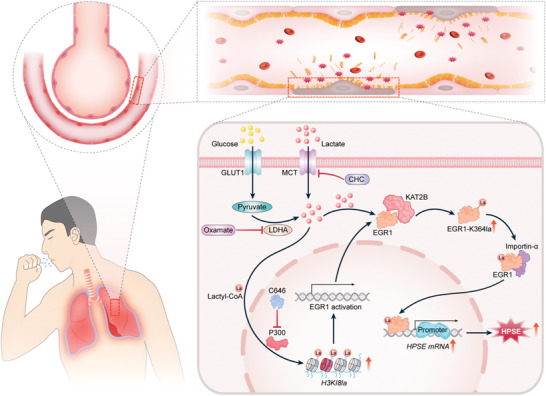
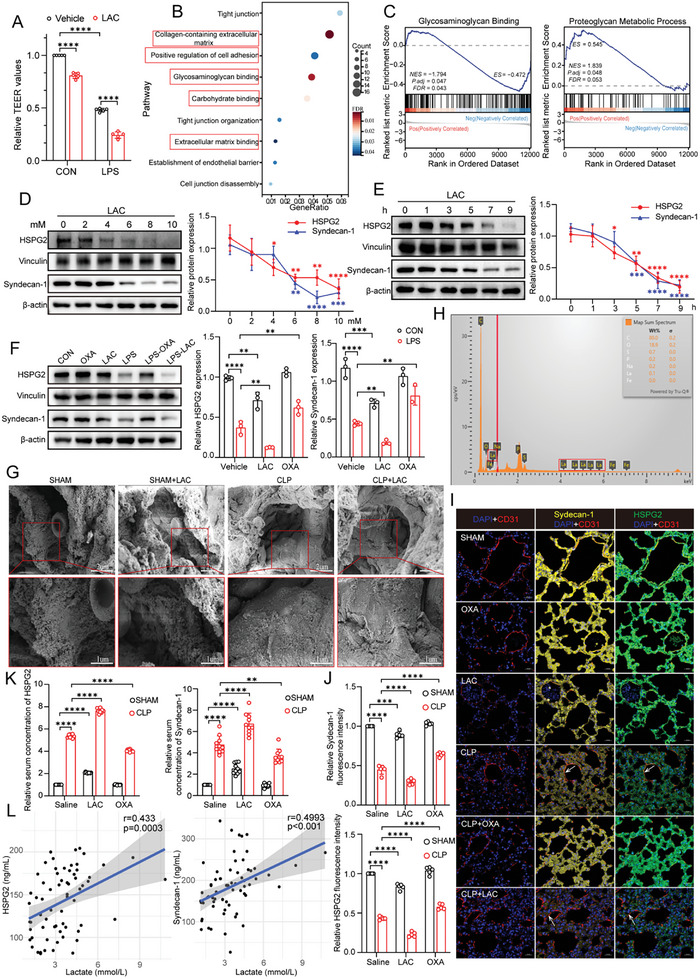
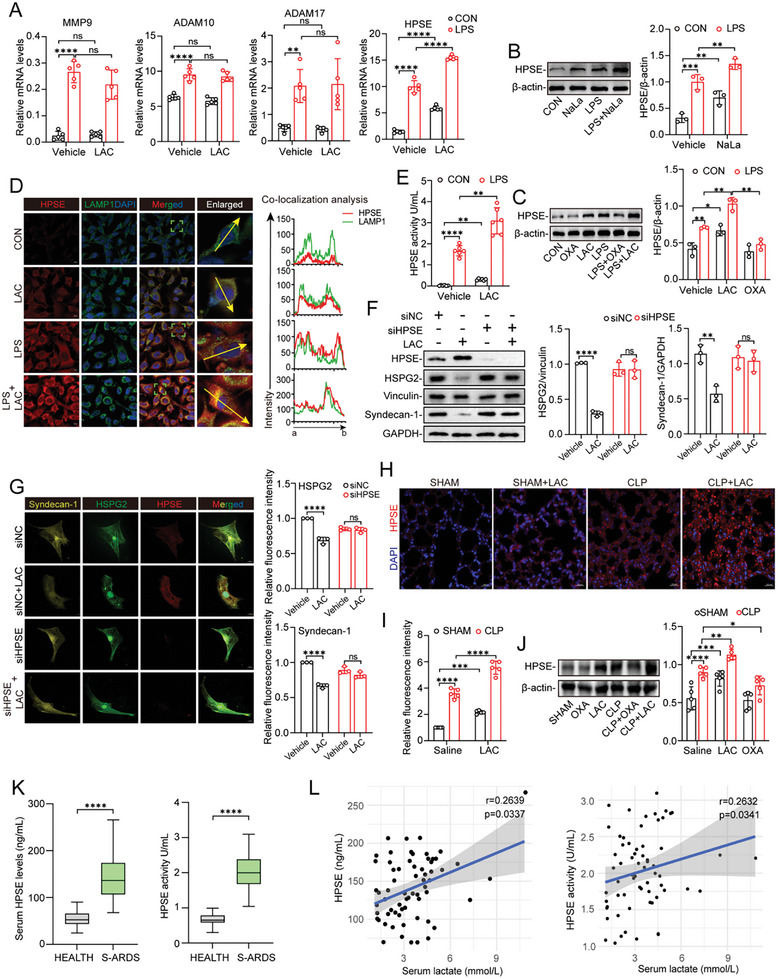
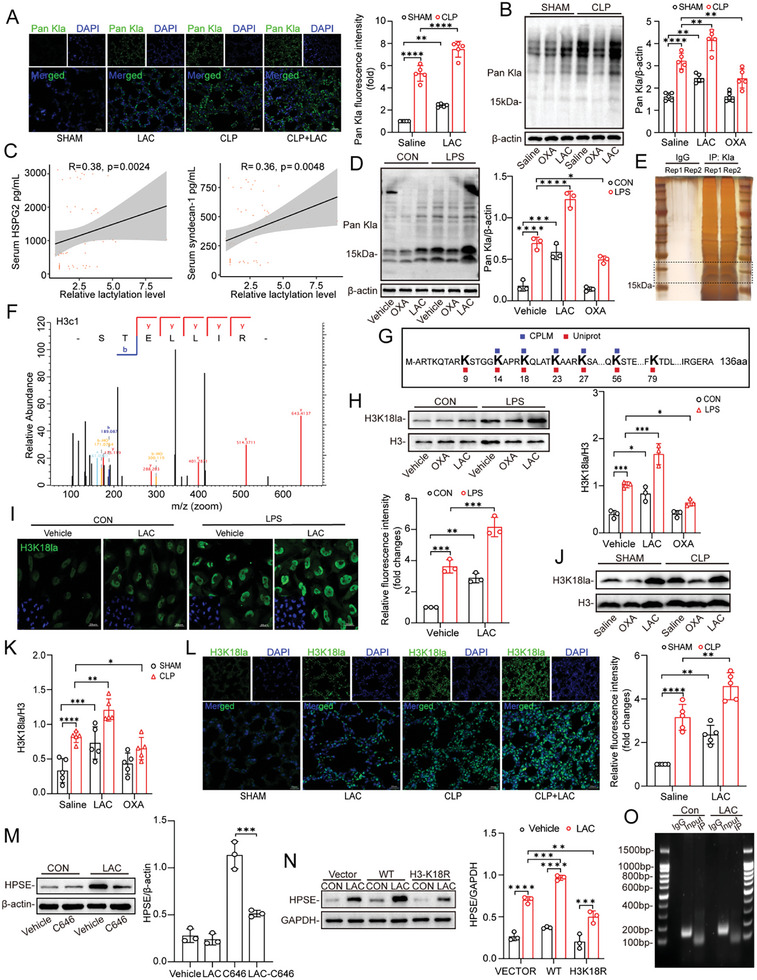
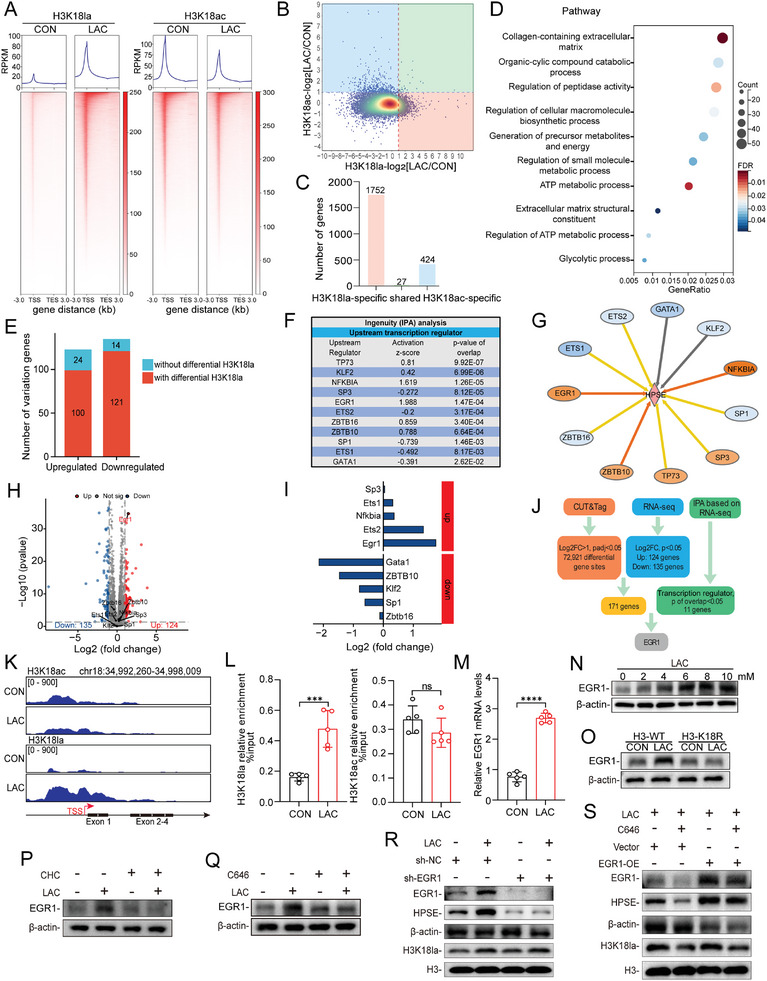
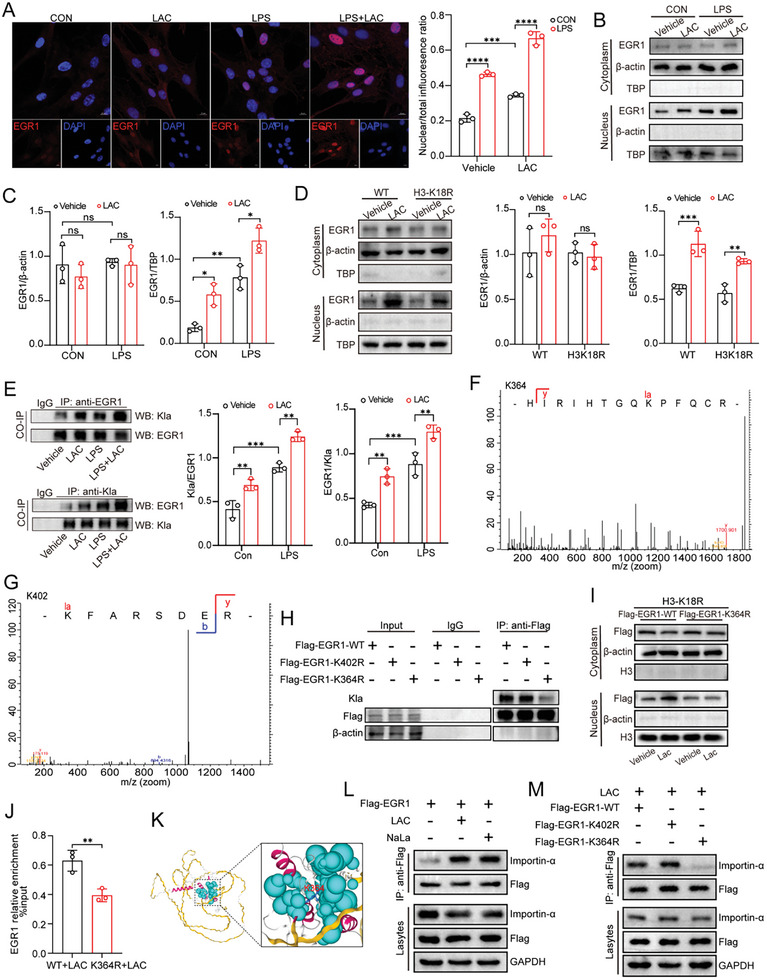
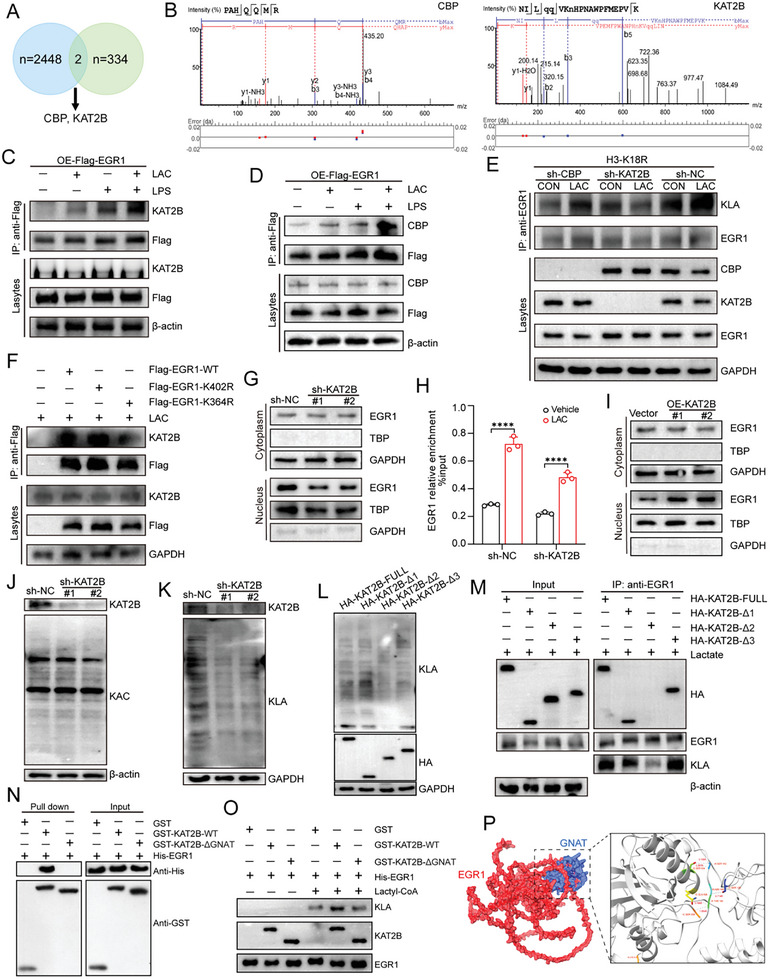
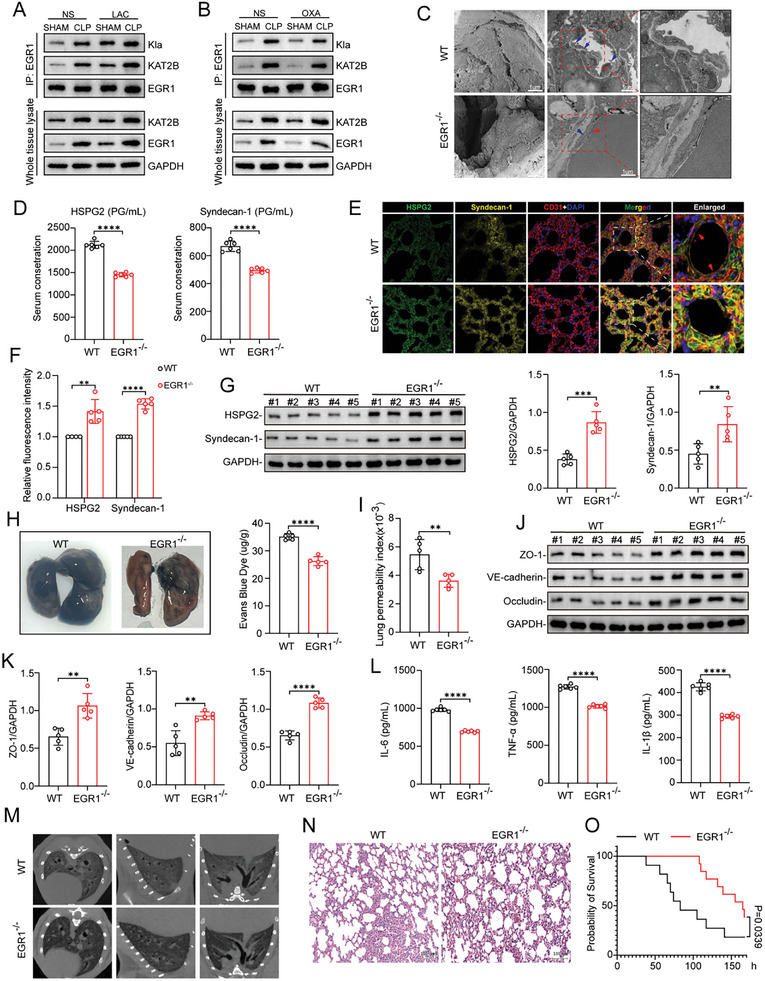
Circulating lactate is a critical biomarker for sepsis-induced acute lung injury (S-ALI) and is strongly associated with poor prognosis. However, whether elevated lactate directly promotes S-ALI and the specific mechanism involved remain unclear. Here, this work shows that lactate causes pulmonary endothelial glycocalyx degradation and worsens ALI during sepsis. Mechanistically, lactate increases the lactylation of K18 of histone H3, which is enriched at the promoter of EGR1 and promotes its transcription, leading to upregulation of heparanase in pulmonary microvascular endothelial cells. In addition, multiple lactylation sites are identified in EGR1, and lactylation is confirmed to occur mainly at K364. K364 lactylation of EGR1 facilitates its interaction with importin-α, in turn promoting its nuclear localization. Importantly, this work identifies KAT2B as a novel lactyltransferase whose GNAT domain directly mediates the lactylation of EGR1 during S-ALI. In vivo, suppression of lactate production or genetic knockout of EGR1 mitigated glycocalyx degradation and ALI and improved survival outcomes in mice with polymicrobial sepsis. Therefore, this study reveals that the crosstalk between metabolic reprogramming in endothelial cells and epigenetic modifications plays a critical role in the pathological processes of S-ALI.
循环乳酸是脓毒症诱导的急性肺损伤(S-ALI)的关键生物标志物,且与不良预后密切相关。然而,乳酸升高是否直接促进S-ALI及其具体机制尚不清楚。在此,本研究表明乳酸会导致脓毒症期间肺内皮糖萼降解并加重ALI。机制上,乳酸增加组蛋白H3的K18乳酸化,其在EGR1启动子处富集并促进其转录,导致肺微血管内皮细胞中乙酰肝素酶上调。此外,在EGR1中鉴定出多个乳酸化位点,并证实乳酸化主要发生在K364。EGR1的K364乳酸化促进其与输入蛋白-α的相互作用,进而促进其核定位。重要的是,本研究确定KAT2B为一种新型乳酸转移酶,其GNAT结构域在S-ALI期间直接介导EGR1的乳酸化。在体内,抑制乳酸生成或EGR1基因敲除可减轻糖萼降解和ALI,并改善多重微生物脓毒症小鼠的生存结局。因此,本研究揭示内皮细胞代谢重编程与表观遗传修饰之间的相互作用在S-ALI的病理过程中起关键作用。