DeDiego Marta L, Portilla Yadileiny, Daviu Neus, López-García Darío, Villamayor Laura, Vázquez-Utrilla Paula, Mulens-Arias Vladimir, Pérez-Yagüe Sonia, Nogales Aitor, Ovejero Jesús G, Gallo-Cordova Alvaro, Enjuanes Luis, Veintemillas-Verdaguer Sabino, Morales M Puerto, Barber Domingo F
Department of Molecular and Cellular Biology, Centro Nacional de Biotecnología (CNB-CSIC), Madrid, Spain.
Department of Immunology, Oncology and Nanobiomedicine Initiative, Centro Nacional de Biotecnología (CNB-CSIC), Madrid, Spain.
Int J Nanomedicine. 2024 Dec 21;19:13763-13788. doi: 10.2147/IJN.S475323. eCollection 2024.
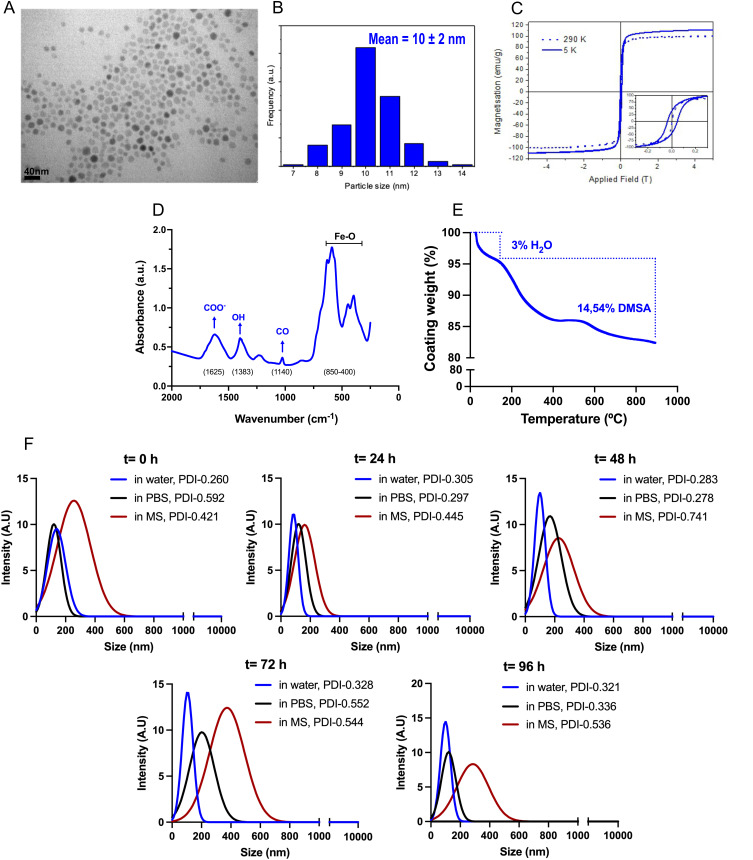
Severe Acute Respiratory syndrome coronavirus 2 (SARS-CoV-2) and Influenza A viruses (IAVs) are among the most important causes of viral respiratory tract infections, causing similar symptoms. IAV and SARS-CoV-2 infections can provoke mild symptoms like fever, cough, sore throat, loss of taste or smell, or they may cause more severe consequences leading to pneumonia, acute respiratory distress syndrome or even death. While treatments for IAV and SARS-CoV-2 infection are available, IAV antivirals often target viral proteins facilitating the emergence of drug-resistant viral variants. Hence, universal treatments against coronaviruses and IAVs are hard to obtain due to genus differences (in the case of coronavirus) or subtypes (in the case of IAV), highlighting the need for novel antiviral therapies. Interestingly, iron oxide nanoparticles (IONPs) with a 10 nm core size and coated with the biocompatible dimercaptosuccinic acid (DMSA: DMSA-IONP-10) display antiviral activity against SARS-CoV-2 in vitro.
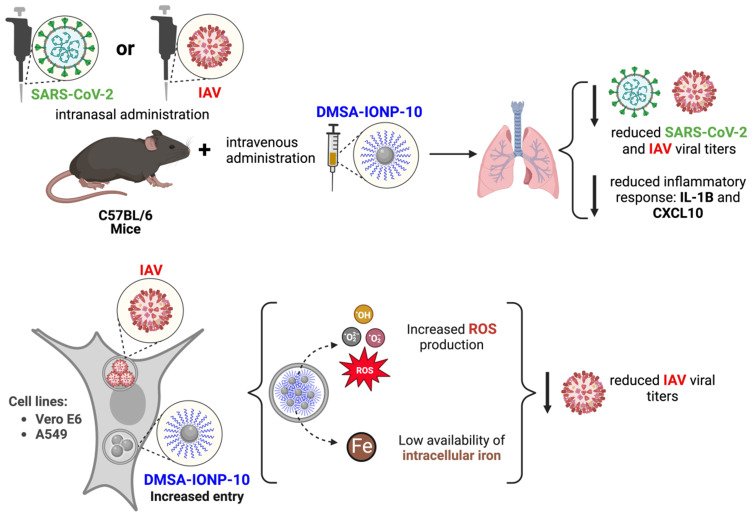
We analyzed the antiviral activity of DMSA-IONP-10 against SARS-CoV-2 infection in vivo, and against IAV infection in vitro and in vivo.
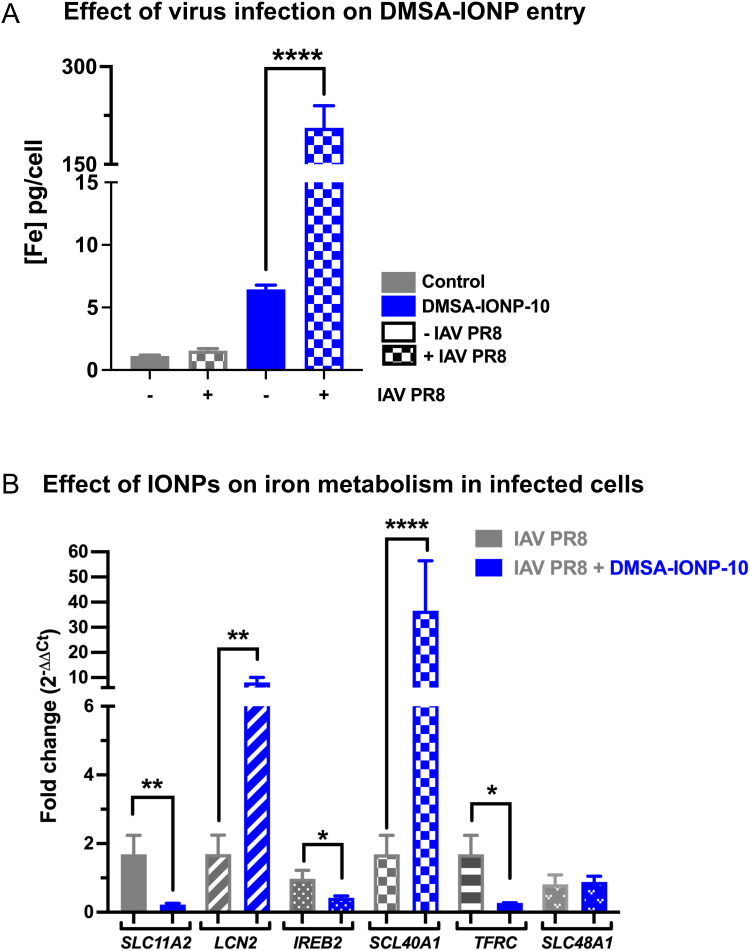
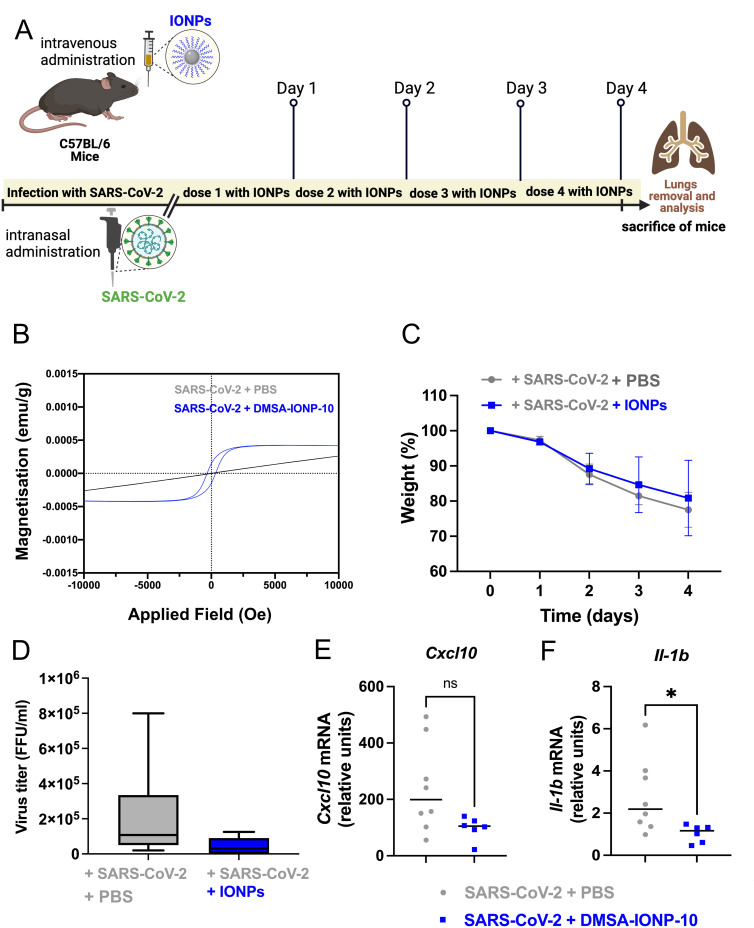
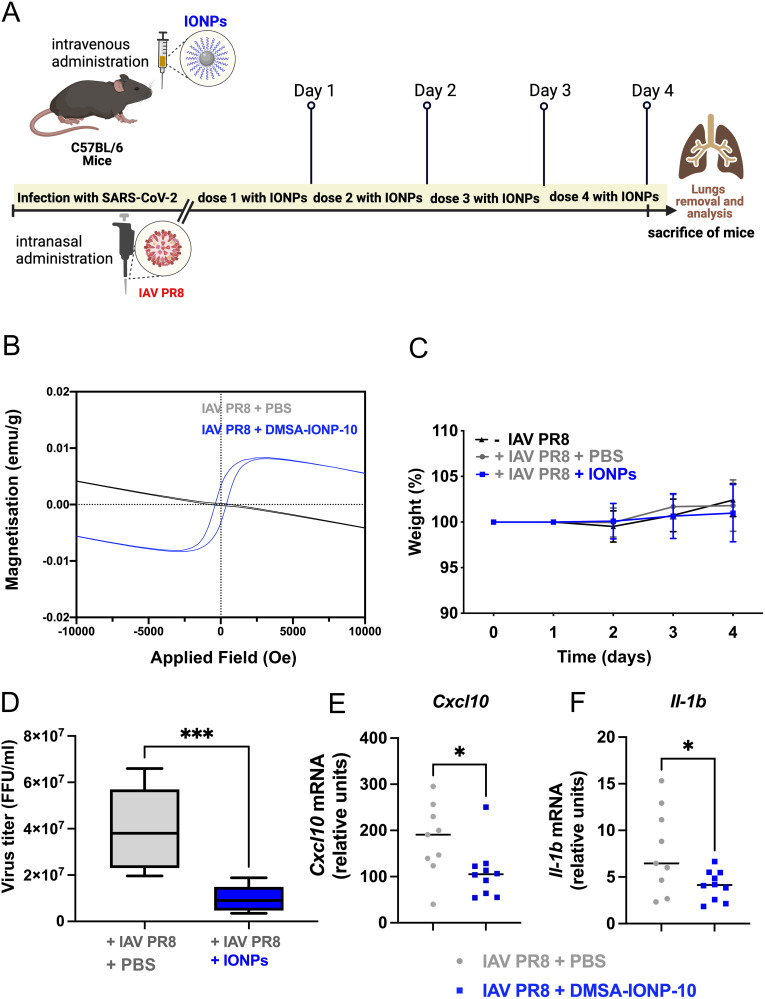
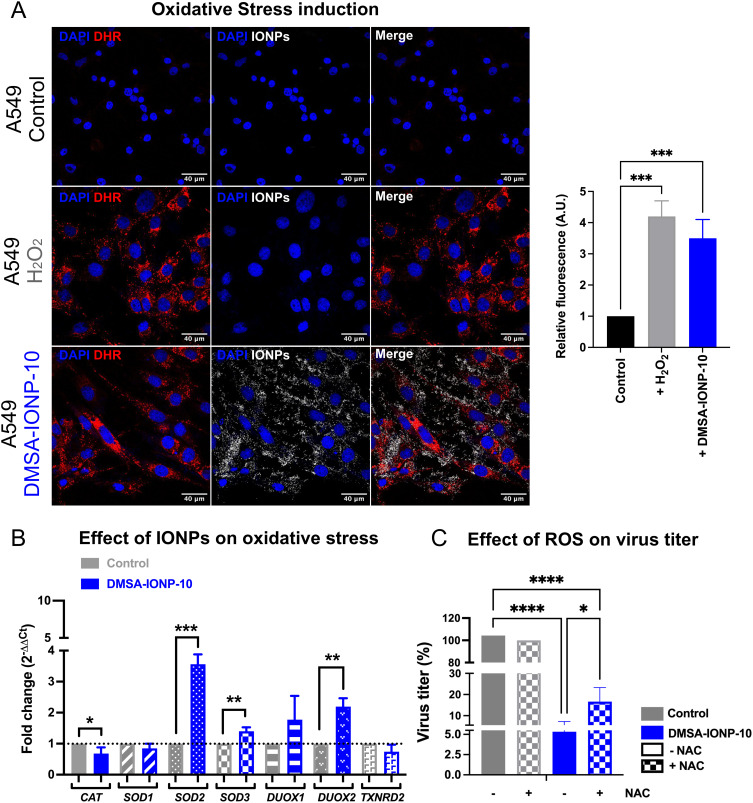
DMSA-IONP-10 treatment of mice after SARS-CoV-2 infection impaired virus replication in the lungs and led to a mildly reduced pro-inflammatory cytokine induction after infection, indicating that these IONPs can serve as COVID-19 therapeutic agents. These IONPs also had a prophylactic and therapeutic effect against IAV in tissue cultured cells at non-cytotoxic doses, and a therapeutic effect in IAV-infected-mice, inhibiting viral replication and slightly dampening the inflammatory response after viral infection. As an exacerbated inflammatory response to IAVs and SARS-CoV-2 is detrimental to the host, weakening this response in mice through IONP treatment may reduce disease severity. Interestingly, our data suggest that IONP treatment affects oxidative stress and iron metabolism in cells, which may influence IAV production.
This study highlights the antiviral activity of DMSA-IONP-10 against important human respiratory viruses.
严重急性呼吸综合征冠状病毒2(SARS-CoV-2)和甲型流感病毒(IAV)是引起病毒性呼吸道感染的最重要病因,二者症状相似。IAV和SARS-CoV-2感染可引发发热、咳嗽、咽痛、味觉或嗅觉丧失等轻微症状,也可能导致更严重的后果,如肺炎、急性呼吸窘迫综合征甚至死亡。虽然有针对IAV和SARS-CoV-2感染的治疗方法,但IAV抗病毒药物通常靶向病毒蛋白,这促使耐药病毒变体的出现。因此,由于属的差异(对于冠状病毒而言)或亚型的差异(对于IAV而言),很难获得针对冠状病毒和IAV的通用治疗方法,这凸显了新型抗病毒疗法的必要性。有趣的是,核心尺寸为10nm且包覆生物相容性二巯基琥珀酸(DMSA:DMSA-IONP-10)的氧化铁纳米颗粒在体外对SARS-CoV-2具有抗病毒活性。
我们分析了DMSA-IONP-10在体内对SARS-CoV-2感染以及在体外和体内对IAV感染的抗病毒活性。
SARS-CoV-2感染后的小鼠经DMSA-IONP-10治疗后,肺部病毒复制受到损害,感染后促炎细胞因子的诱导略有减少,这表明这些氧化铁纳米颗粒可作为COVID-19的治疗药物。这些氧化铁纳米颗粒在非细胞毒性剂量下对组织培养细胞中的IAV也具有预防和治疗作用,并且在IAV感染的小鼠中具有治疗作用,可抑制病毒复制并略微减轻病毒感染后的炎症反应。由于对IAV和SARS-CoV-2的过度炎症反应对宿主有害,通过氧化铁纳米颗粒治疗减弱小鼠体内的这种反应可能会降低疾病的严重程度。有趣的是,我们的数据表明氧化铁纳米颗粒治疗会影响细胞中的氧化应激和铁代谢,这可能会影响IAV的产生。
本研究突出了DMSA-IONP-10对重要人类呼吸道病毒的抗病毒活性。