Ozarkar Siddhi S, Patel Ridthi K-R, Vulli Tasmai, Smith Audrey L, Styner Martin A, Hsu Li-Ming, Lee Sung-Ho, Shih Yen-Yu Ian, Hazlett Heather C, Shen Mark D, Burette Alain C, Philpot Benjamin D
Neuroscience Center, University of North Carolina at Chapel Hill, Chapel Hill, NC, USA.
Department of Cell Biology and Physiology, University of North Carolina at Chapel Hill, Chapel Hill, NC, USA.
Mol Autism. 2024 Dec 26;15(1):54. doi: 10.1186/s13229-024-00636-y.
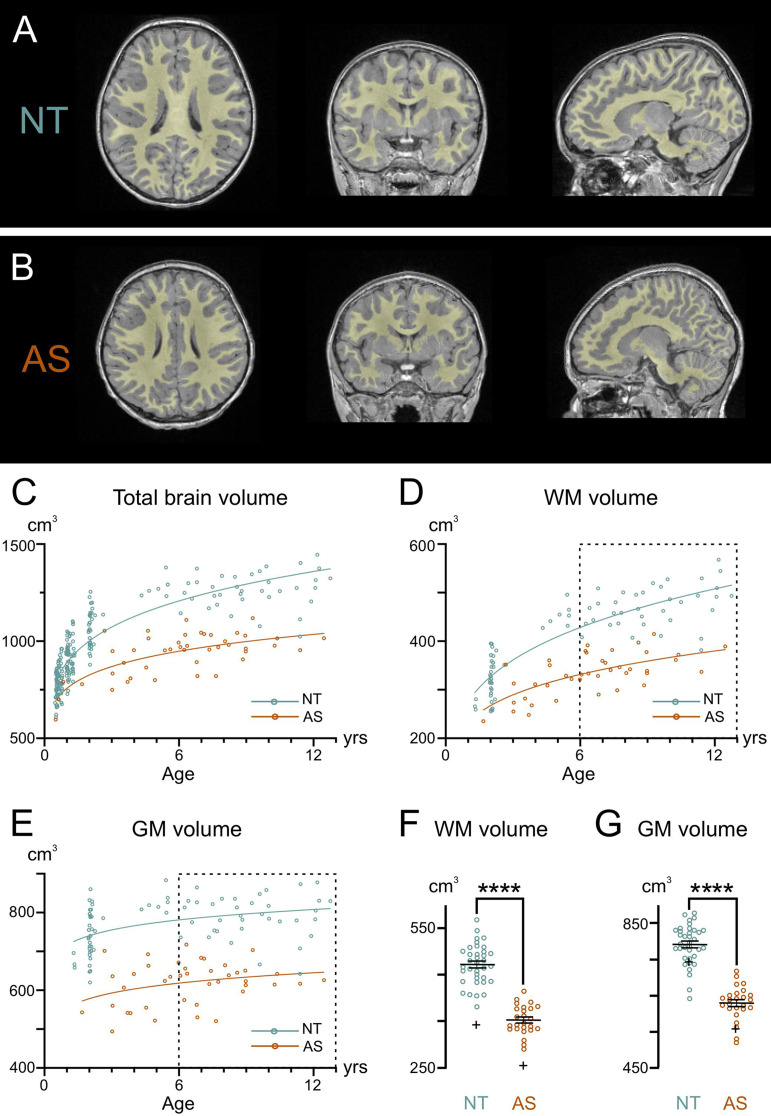
Angelman syndrome (AS), a severe neurodevelopmental disorder resulting from the loss of the maternal UBE3A gene, is marked by changes in the brain's white matter (WM). The extent of WM abnormalities seems to correlate with the severity of clinical symptoms, but these deficits are still poorly characterized or understood. This study provides the first large-scale measurement of WM volume reduction in children with AS. Furthermore, we probed the possibility of underlying WM neuropathology by examining the progression of myelination in an AS mouse model.
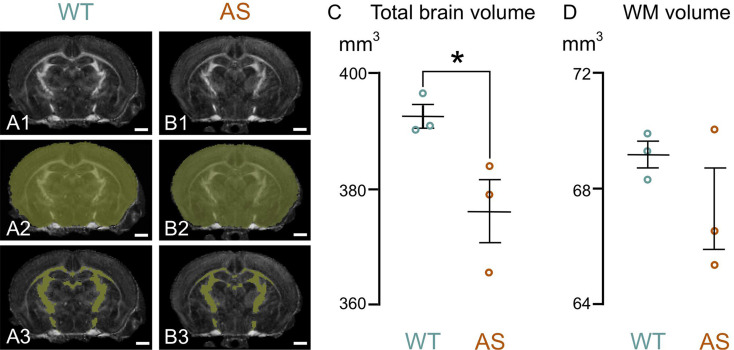
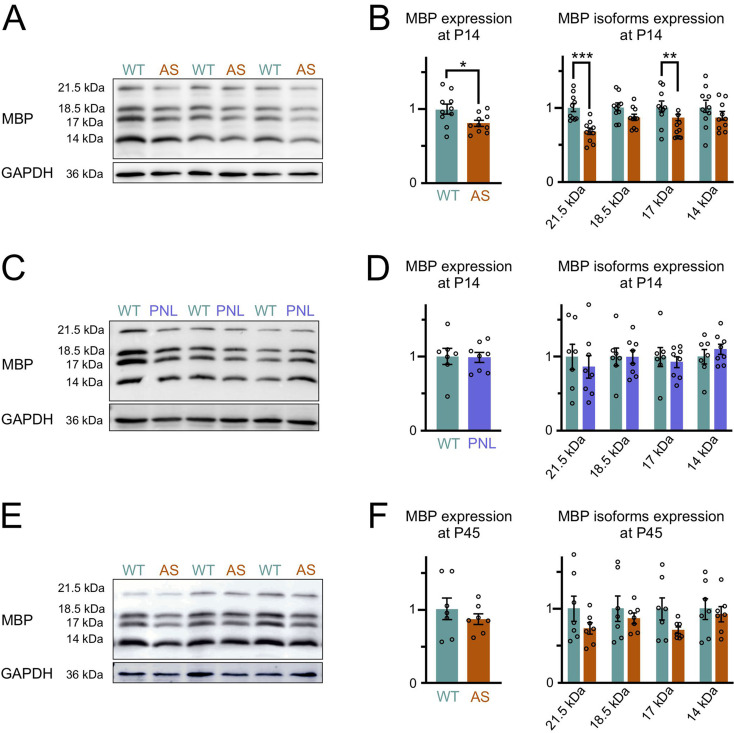
We conducted magnetic resonance imaging (MRI) on children with AS (n = 32) and neurotypical controls (n = 99) aged 0.5-12 years. In parallel, we examined myelination in postnatal Ube3a maternal-null mice (Ube3a; AS model), Ube3a paternal-null mice (Ube3a), and wildtype controls (Ube3a) using MRI, immunohistochemistry, western blotting, and electron microscopy.
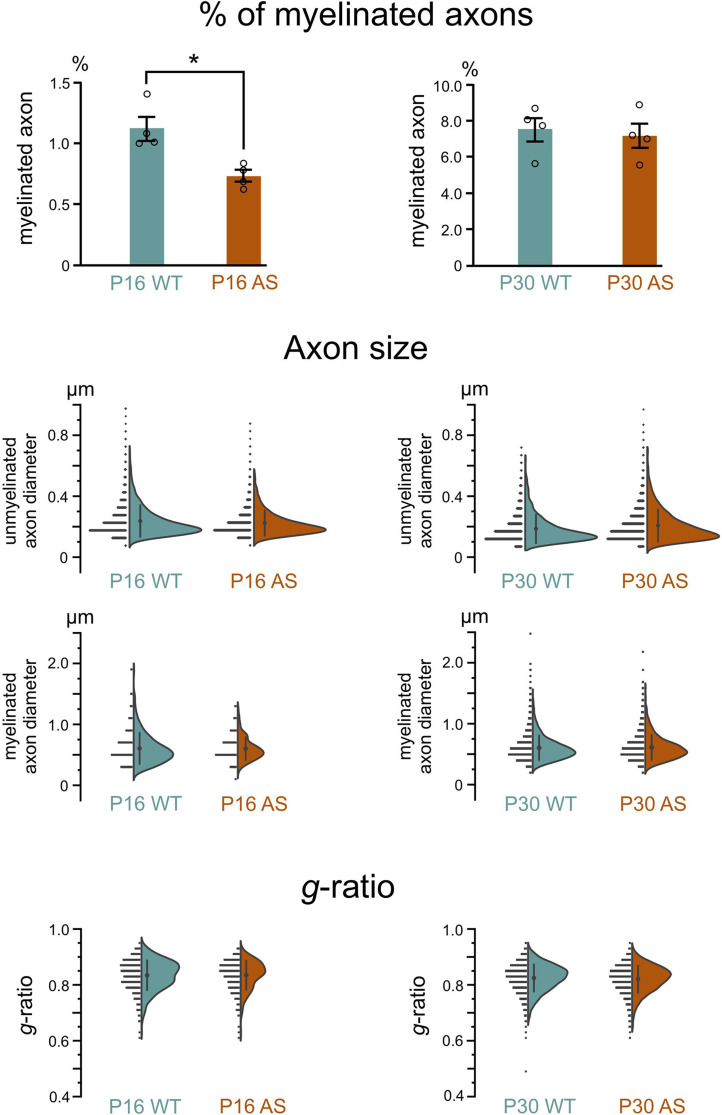
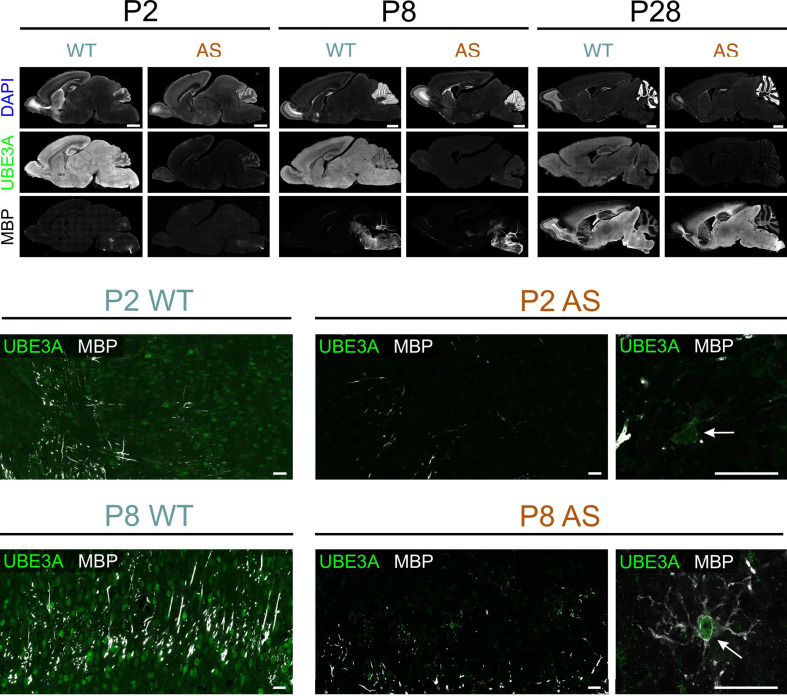
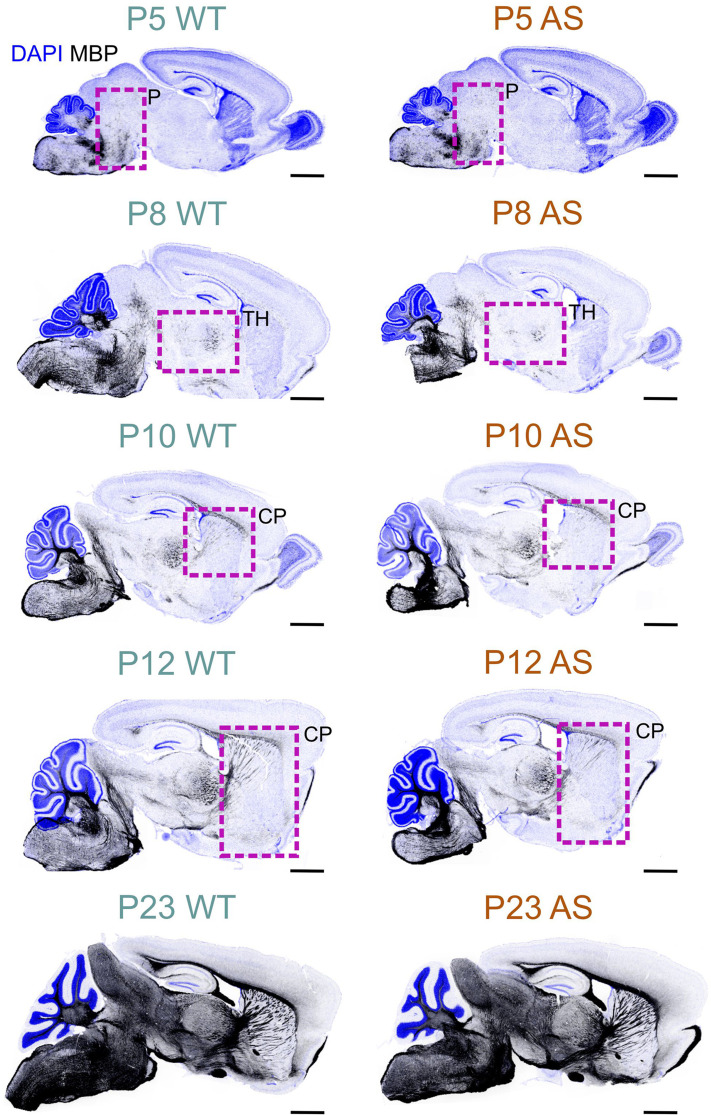
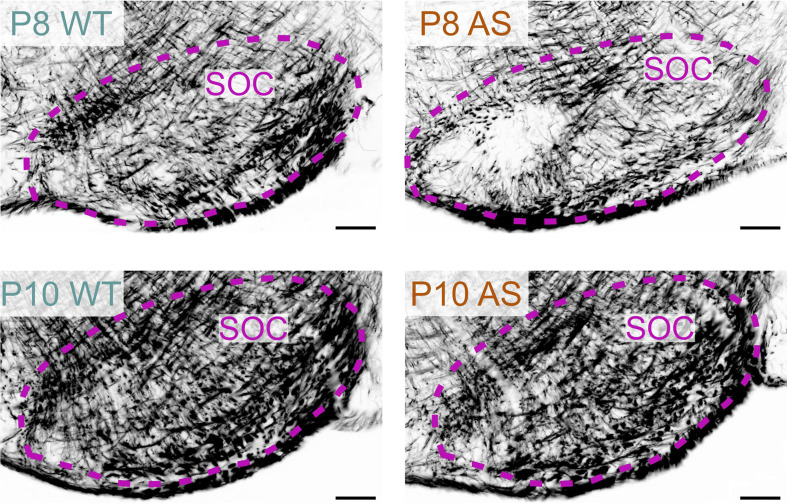
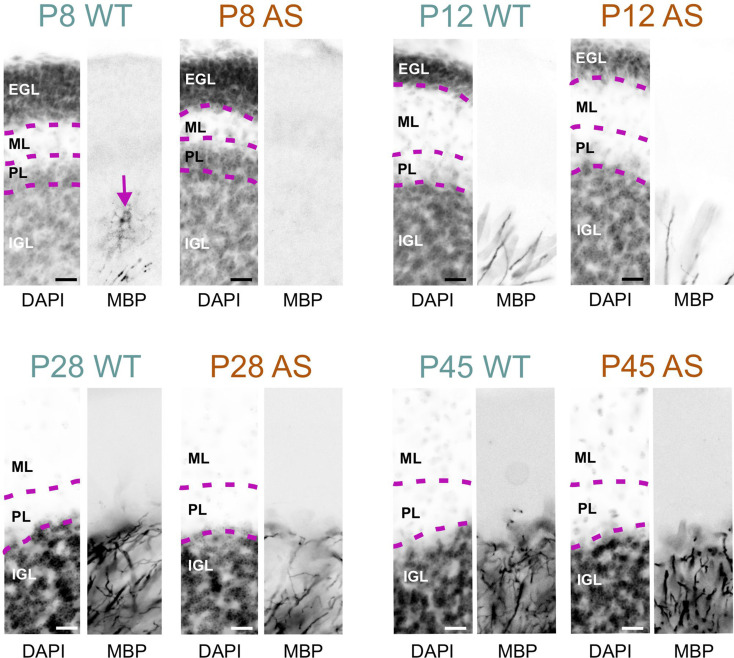
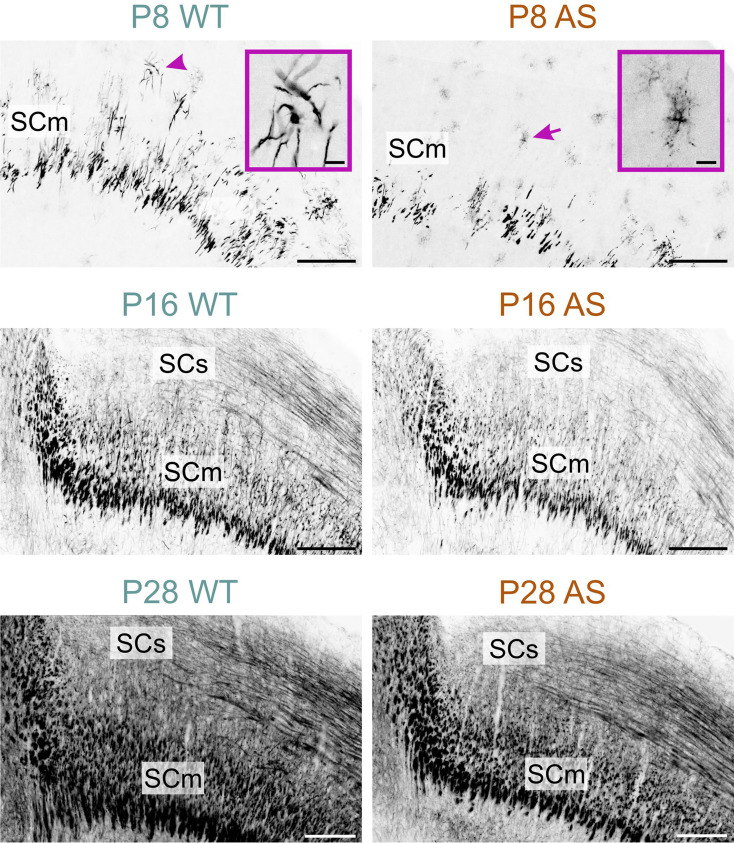
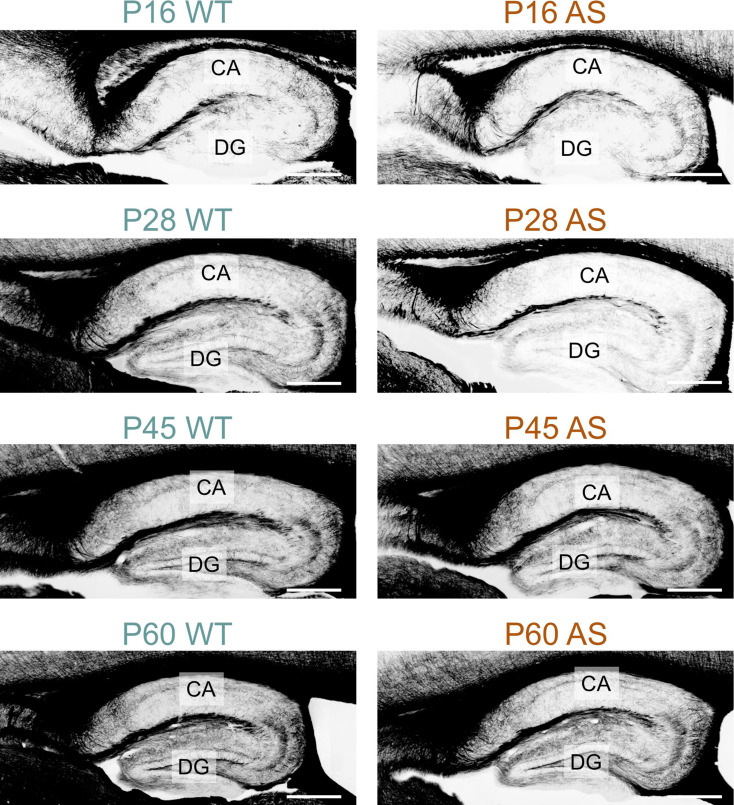
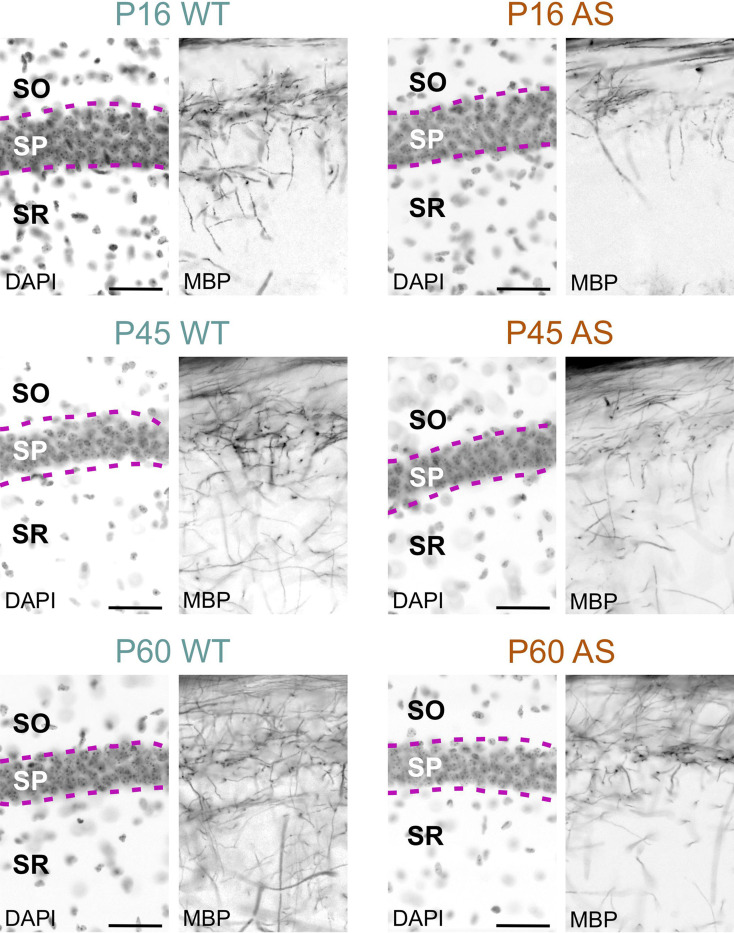
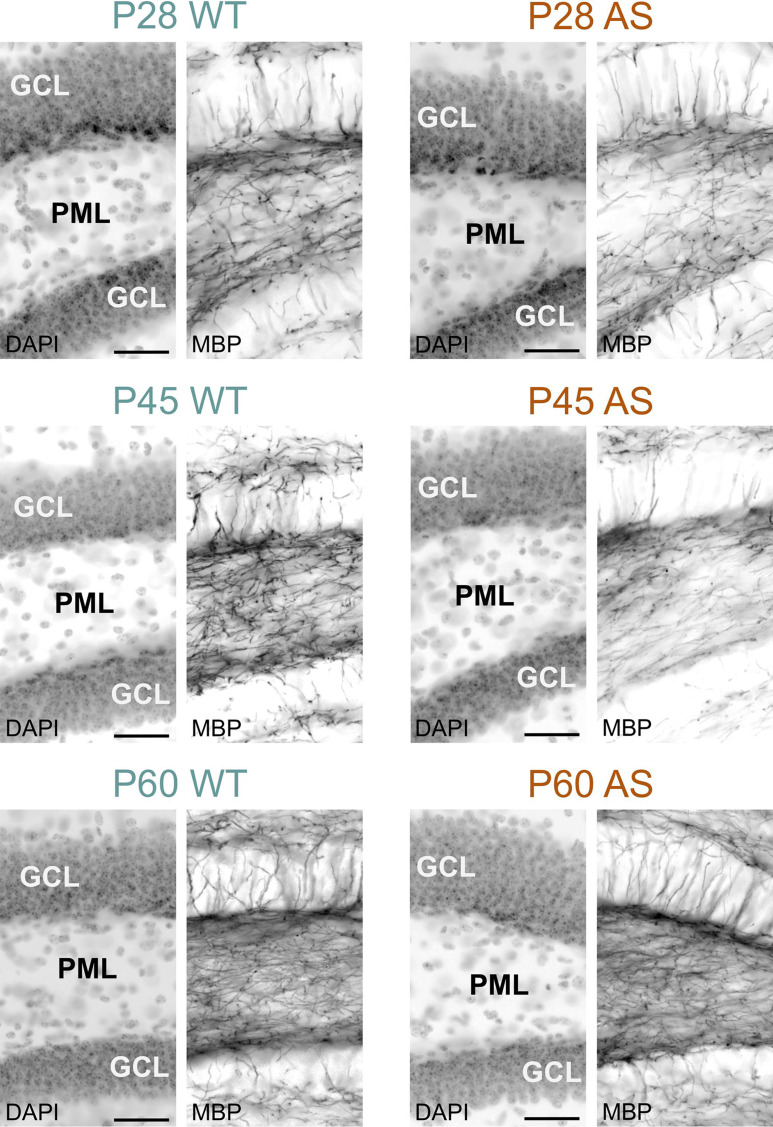
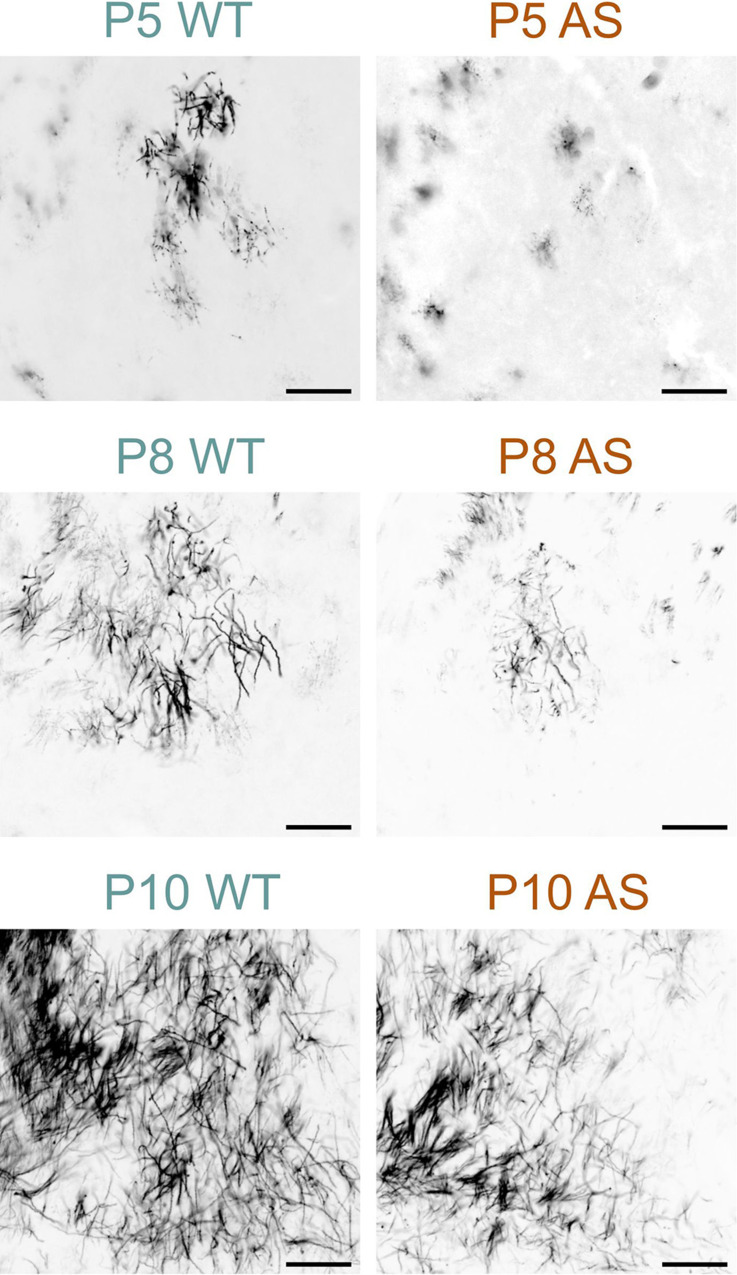
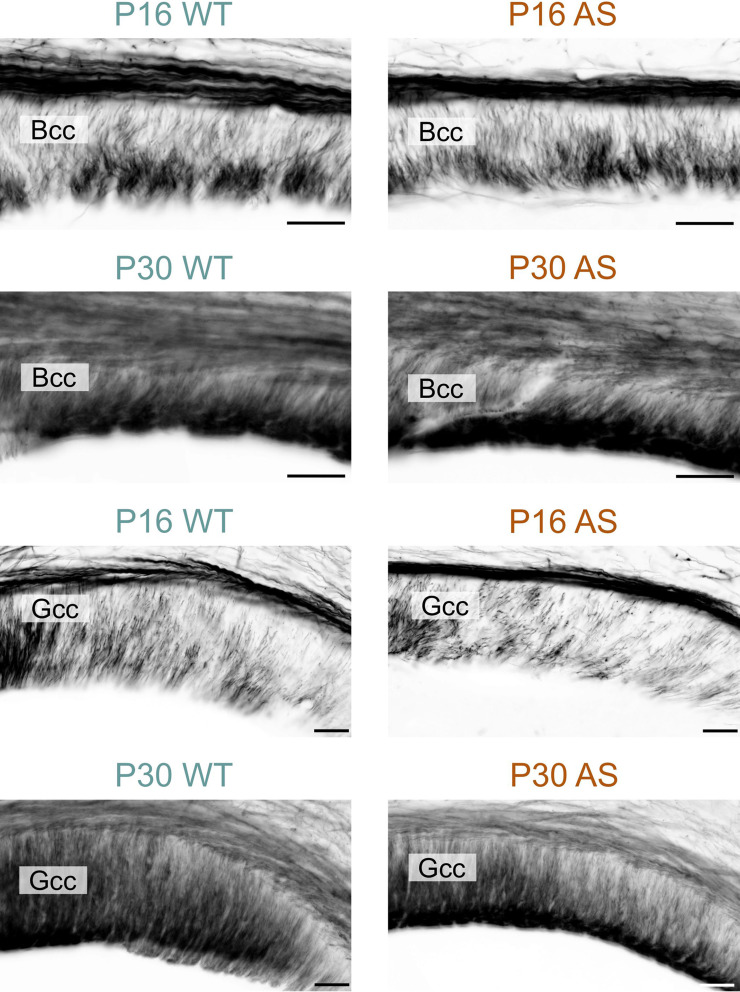
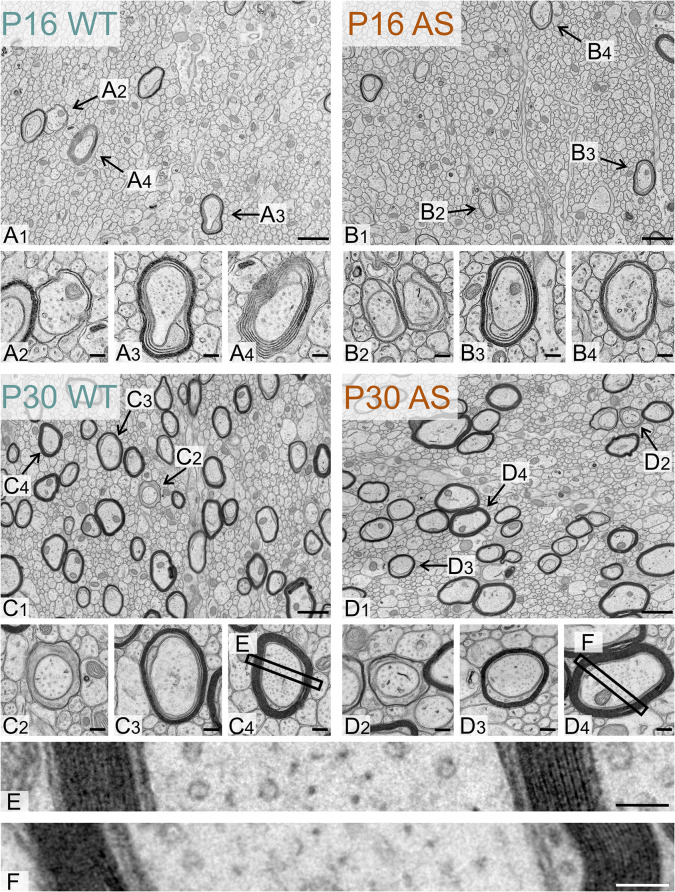
Our data revealed that AS individuals exhibit significant reductions in brain volume by ~ 1 year of age, and by 6-12 years of age WM is reduced by 26% and gray matter by 21%-approximately twice the reductions observed in the adult AS mouse model. Our AS mouse model saw a global delay in the onset of myelination, which normalized within days (likely corresponding to months or years in human development). This myelination delay is caused by the loss of UBE3A in neurons rather than UBE3A haploinsufficiency in oligodendrocytes. Interestingly, ultrastructural analyses did not reveal abnormalities in myelinated or unmyelinated axons.
It is difficult to extrapolate the timing and duration of the myelination delay observed in AS model mice to individuals with AS.
This study reveals WM deficits as a hallmark in children with AS, demonstrating for the first time that these deficits are already apparent at 1 year of age. Parallel studies in a mouse model of AS show these deficits occur alongside the delayed onset of myelination, which results from the loss of neuronal (but not glial) UBE3A, though the causal relationship between these phenotypes remains to be determined. These findings emphasize the potential of WM as both a therapeutic target for interventions and a valuable biomarker for tracking the progression of AS and the effectiveness of potential treatments.
天使综合征(AS)是一种由母体UBE3A基因缺失导致的严重神经发育障碍,其特征是大脑白质(WM)发生变化。WM异常的程度似乎与临床症状的严重程度相关,但这些缺陷仍未得到充分的描述或理解。本研究首次对AS患儿的WM体积减少进行了大规模测量。此外,我们通过研究AS小鼠模型中的髓鞘形成进程,探讨了潜在的WM神经病理学可能性。
我们对32名年龄在0.5至12岁之间的AS患儿和99名神经典型对照者进行了磁共振成像(MRI)。同时,我们使用MRI、免疫组织化学、蛋白质印迹法和电子显微镜检查了出生后母源Ube3a基因缺失小鼠(Ube3a;AS模型)、父源Ube3a基因缺失小鼠(Ube3a)和野生型对照小鼠(Ube3a)的髓鞘形成情况。
我们的数据显示,AS个体在约1岁时脑体积显著减少,到6至12岁时,WM减少26%,灰质减少21%,约为成年AS小鼠模型中观察到的减少量的两倍。我们的AS小鼠模型出现了髓鞘形成起始的整体延迟,这种延迟在数天内恢复正常(可能相当于人类发育中的数月或数年)。这种髓鞘形成延迟是由神经元中UBE3A的缺失而非少突胶质细胞中UBE3A的单倍剂量不足引起的。有趣的是,超微结构分析未发现有髓或无髓轴突的异常。
很难将在AS模型小鼠中观察到的髓鞘形成延迟的时间和持续时间外推到AS个体。
本研究揭示WM缺陷是AS患儿的一个标志,首次证明这些缺陷在1岁时就已明显。在AS小鼠模型中的平行研究表明,这些缺陷与髓鞘形成起始延迟同时出现,这是由神经元(而非神经胶质细胞)UBE3A的缺失导致的,尽管这些表型之间的因果关系仍有待确定。这些发现强调了WM作为干预治疗靶点以及追踪AS进展和潜在治疗效果的有价值生物标志物的潜力。