Grier Mark D, Carson Robert P, Lagrange Andre Hollis
Department of Neurology, Vanderbilt University Medical Center, Nashville, TN 37232-8552, United States of America.
Department of Neurology, Vanderbilt University Medical Center, Nashville, TN 37232-8552, United States of America; Department of Pediatrics, Vanderbilt University Medical Center, Nashville TN 37232-8552, United States of America.
PLoS One. 2015 Apr 20;10(4):e0124649. doi: 10.1371/journal.pone.0124649. eCollection 2015.
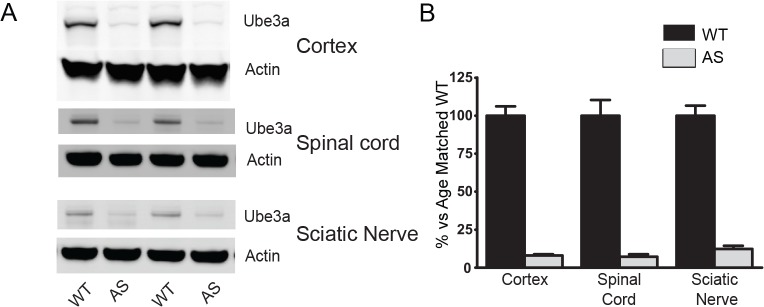
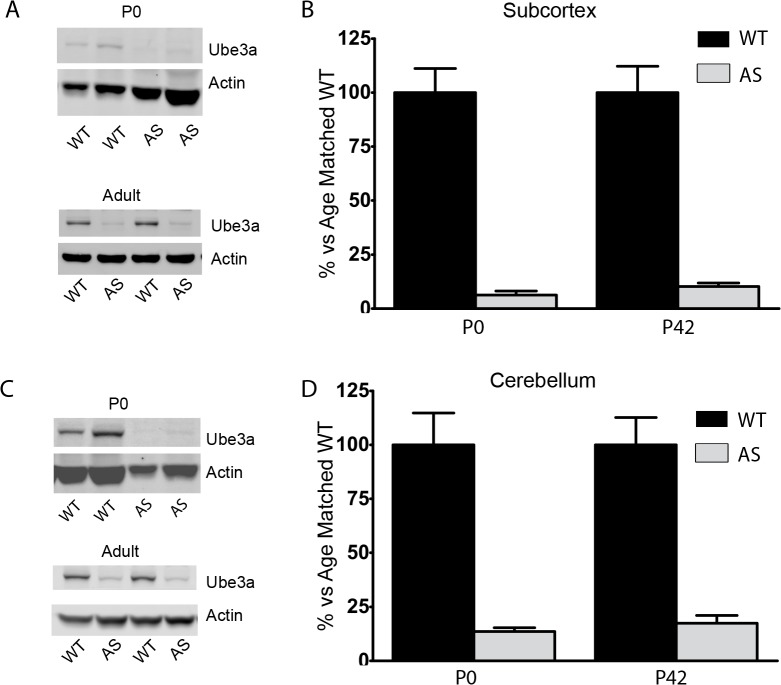
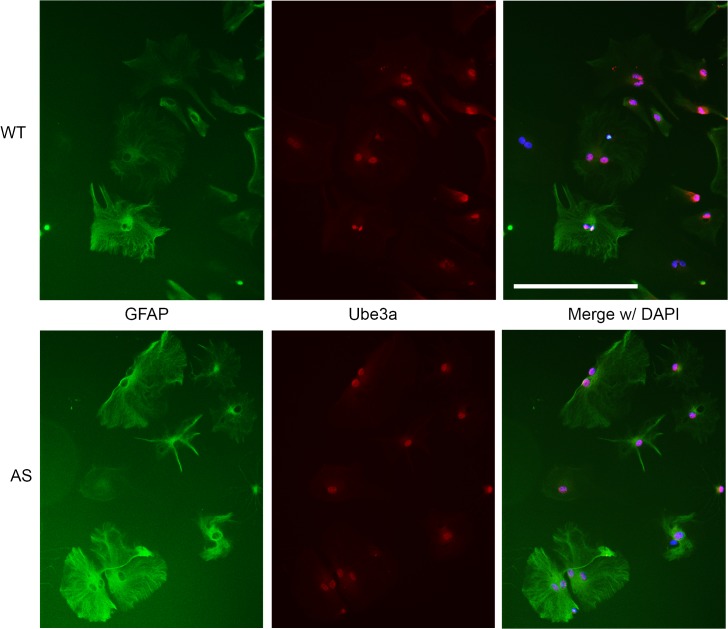
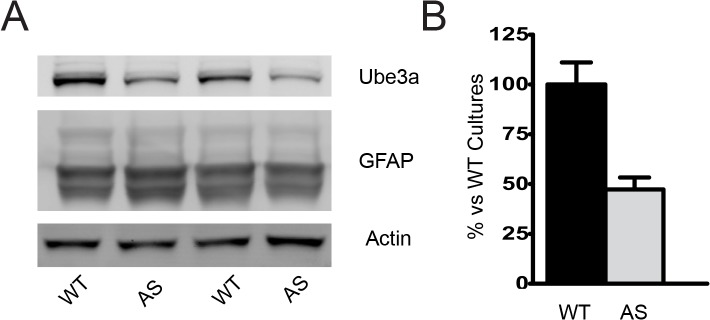
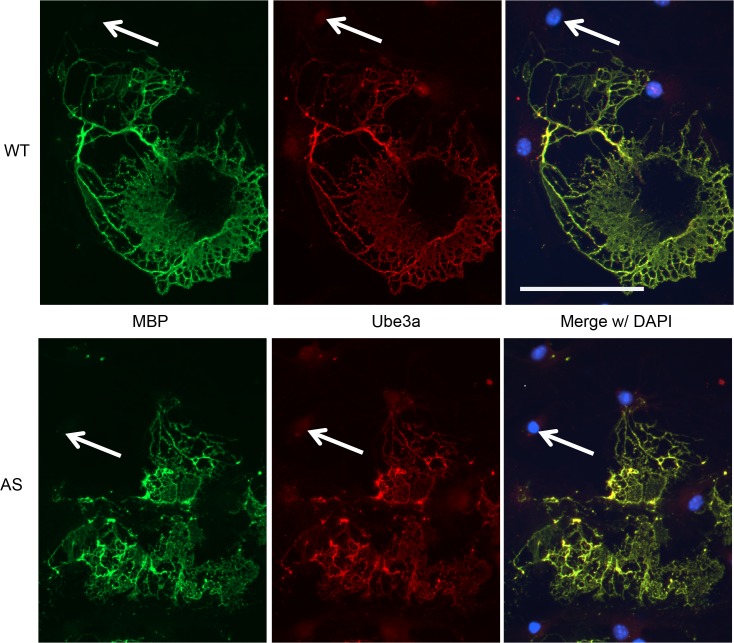
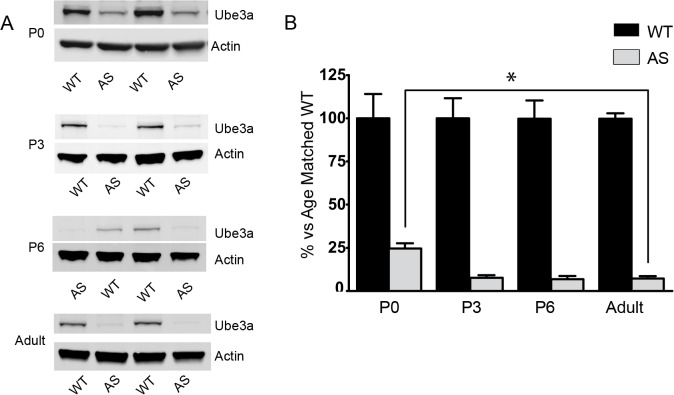
Angelman Syndrome (AS) is a devastating neurodevelopmental disorder characterized by developmental delay, speech impairment, movement disorder, sleep disorders and refractory epilepsy. AS is caused by loss of the Ube3a protein encoded for by the imprinted Ube3a gene. Ube3a is expressed nearly exclusively from the maternal chromosome in mature neurons. While imprinting in neurons of the brain has been well described, the imprinting and expression of Ube3a in other neural tissues remains relatively unexplored. Moreover, given the overwhelming deficits in brain function in AS patients, the possibility of disrupted Ube3a expression in the infratentorial nervous system and its consequent disability have been largely ignored. We evaluated the imprinting status of Ube3a in the spinal cord and sciatic nerve and show that it is also imprinted in these neural tissues. Furthermore, a growing body of clinical and radiological evidence has suggested that myelin dysfunction may contribute to morbidity in many neurodevelopmental syndromes. However, findings regarding Ube3a expression in non-neuronal cells of the brain have varied. Utilizing enriched primary cultures of oligodendrocytes and astrocytes, we show that Ube3a is expressed, but not imprinted in these cell types. Unlike many other neurodevelopmental disorders, AS symptoms do not become apparent until roughly 6 to 12 months of age. To determine the temporal expression pattern and silencing, we analyzed Ube3a expression in AS mice at several time points. We confirm relaxed imprinting of Ube3a in neurons of the postnatal developing cortex, but not in structures in which neurogenesis and migration are more complete. This furthers the hypothesis that the apparently normal window of development in AS patients is supported by an incompletely silenced paternal allele in developing neurons, resulting in a relative preservation of Ube3a expression during this crucial epoch of early development.
安吉尔曼综合征(AS)是一种严重的神经发育障碍,其特征为发育迟缓、言语障碍、运动障碍、睡眠障碍和难治性癫痫。AS是由印记基因Ube3a编码的Ube3a蛋白缺失所致。Ube3a在成熟神经元中几乎仅从母源染色体表达。虽然大脑神经元中的印记现象已得到充分描述,但Ube3a在其他神经组织中的印记和表达情况仍相对未被深入研究。此外,鉴于AS患者存在严重的脑功能缺陷,幕下神经系统中Ube3a表达中断及其导致残疾的可能性在很大程度上被忽视了。我们评估了Ube3a在脊髓和坐骨神经中的印记状态,结果表明它在这些神经组织中也存在印记。此外,越来越多的临床和影像学证据表明,髓鞘功能障碍可能在许多神经发育综合征的发病中起作用。然而,关于Ube3a在大脑非神经元细胞中的表达情况,研究结果并不一致。利用富集的少突胶质细胞和星形胶质细胞原代培养物,我们发现Ube3a在这些细胞类型中表达,但不存在印记现象。与许多其他神经发育障碍不同,AS症状直到大约6至12个月大时才会明显显现。为了确定Ube3a的时间表达模式和沉默情况,我们在多个时间点分析了AS小鼠中Ube3a的表达。我们证实,出生后发育中的皮质神经元中Ube3a的印记有所放松,但在神经发生和迁移更完整的结构中并非如此。这进一步支持了以下假说:AS患者发育看似正常的阶段是由发育中的神经元中未完全沉默的父源等位基因所支持的,从而在早期发育的这个关键时期相对保留了Ube3a的表达。