Adam Christos
Department of Economics, University of Crete, Rethymnon, Greece.
Department of Marine Sciences, University of the Aegean, Mytilene, Greece.
Front Artif Intell. 2024 Dec 12;7:1504963. doi: 10.3389/frai.2024.1504963. eCollection 2024.
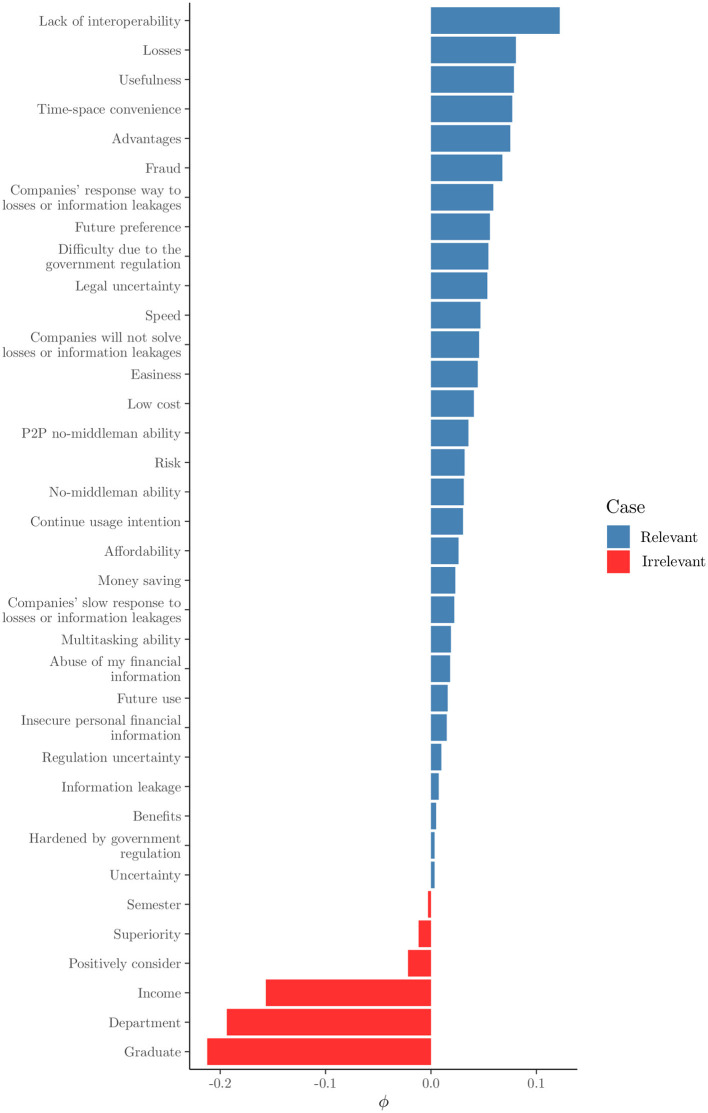
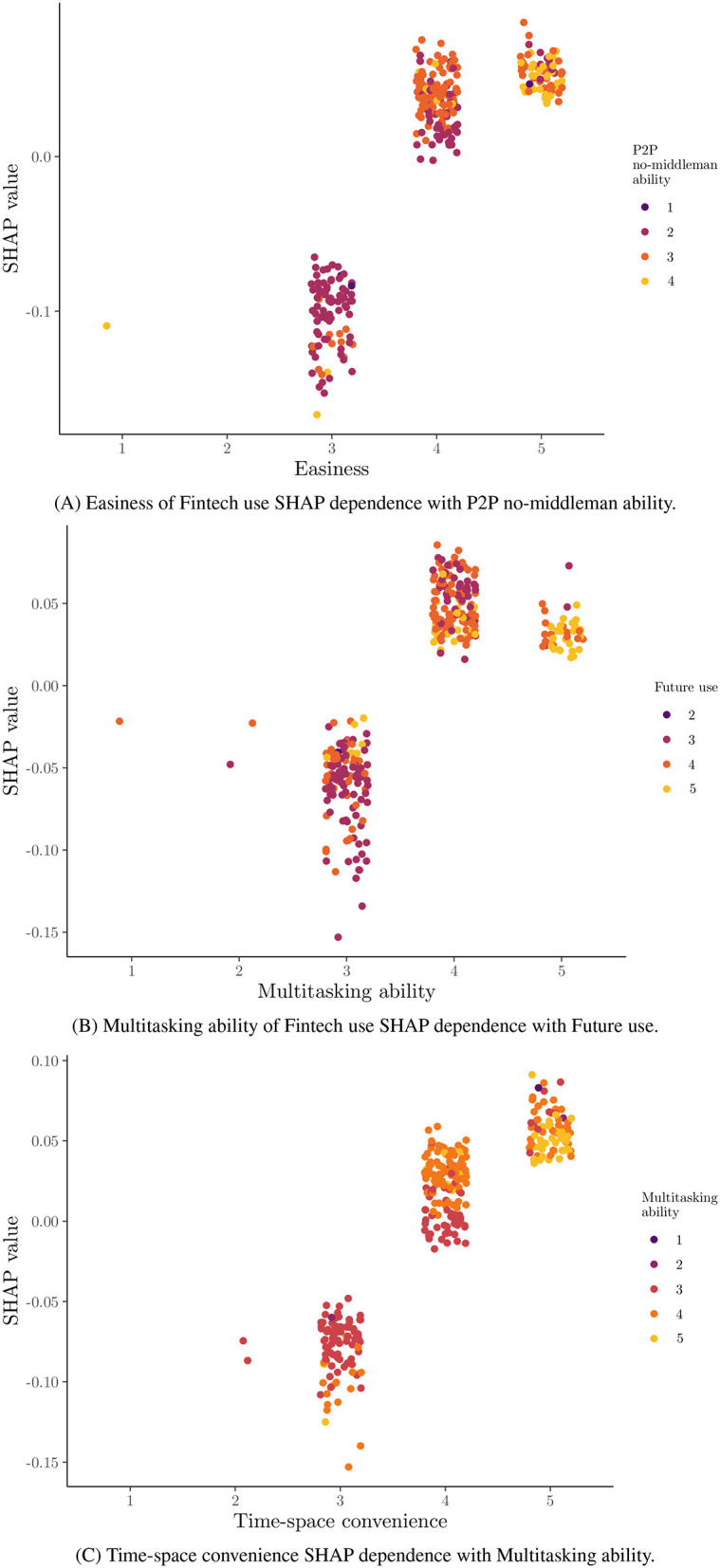
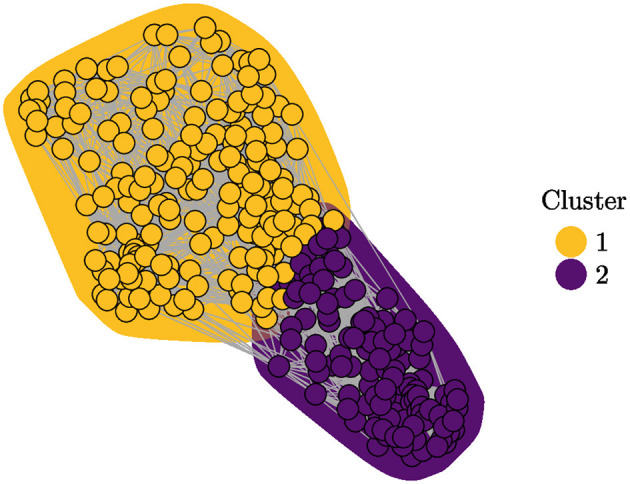
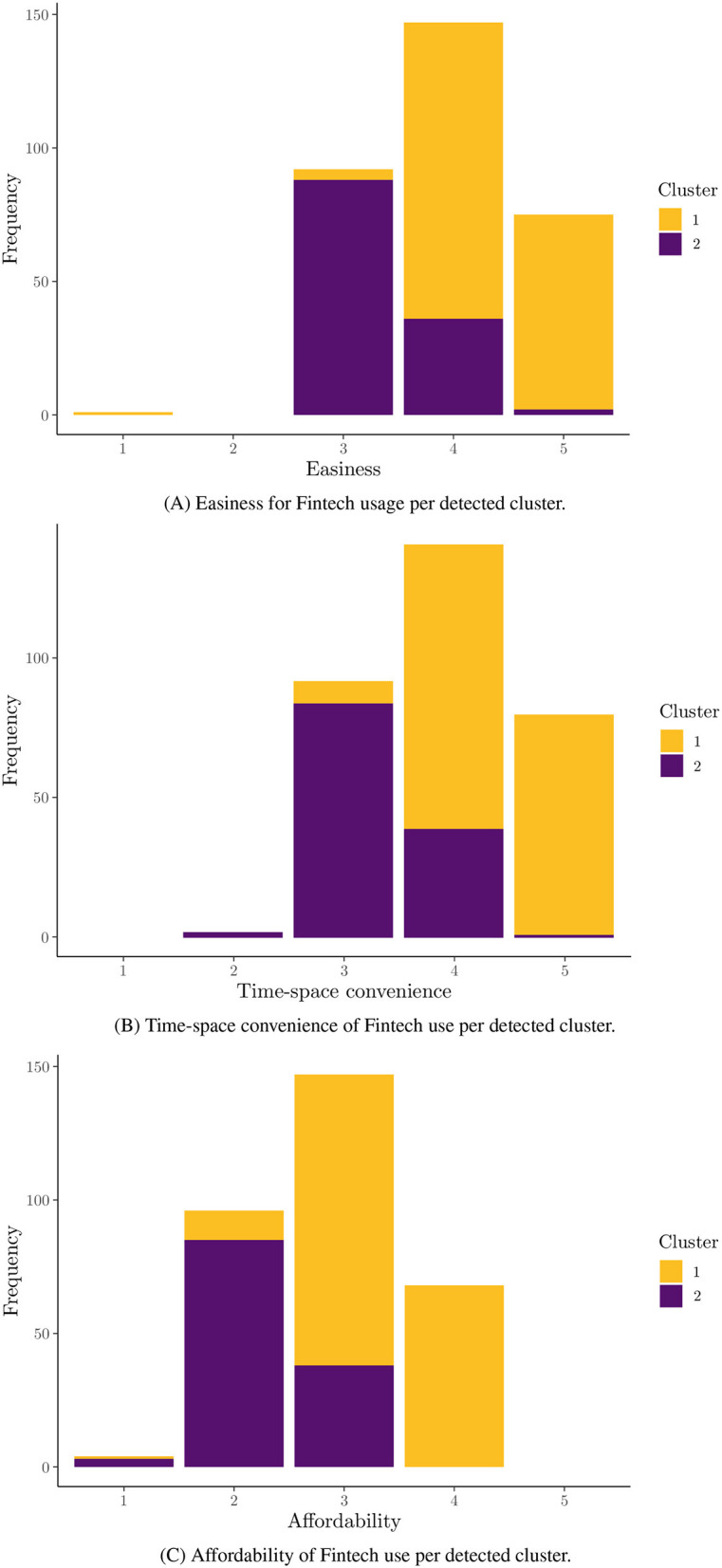
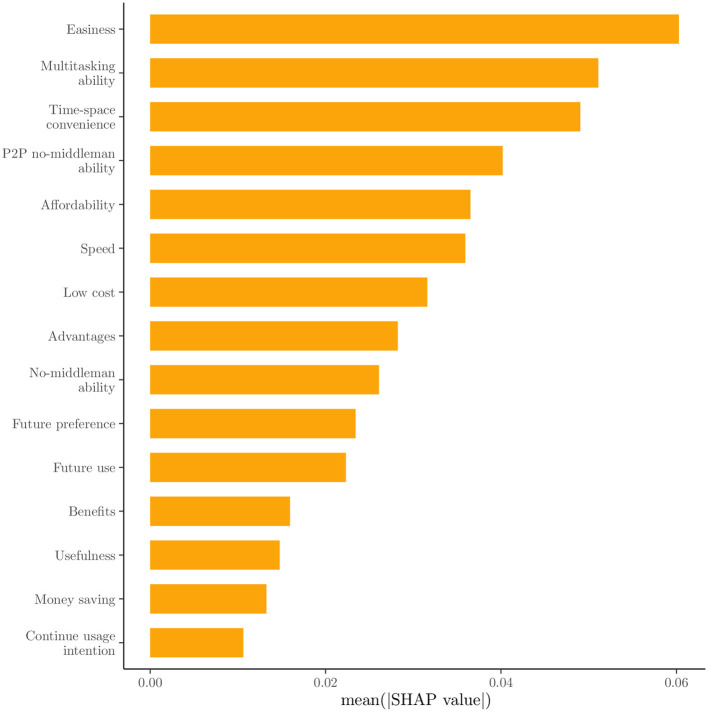
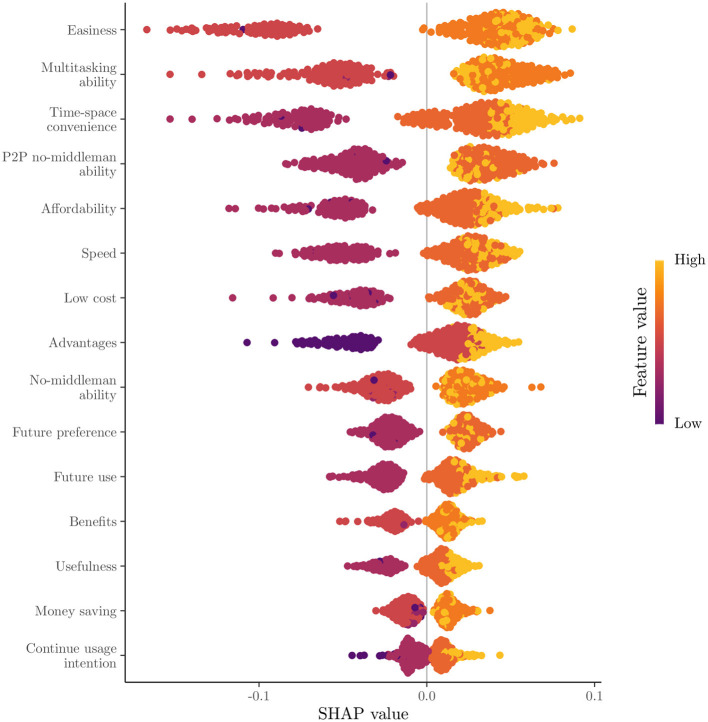
The use of Financial Technology (Fintech) has been proposed as a promising way to bridge the gender gap, both financially and socially. However, there is evidence that Fintech is far from achieving this objective, and that women's perceptions of Fintech usages are not clear. Therefore, the main objective of the this study is to segment women's perceptions toward Fintech tools and interpret these segments using machine learning methods. Two primary segments of women were produced, namely a "Fintech-friendly" group and a "Fintech-sceptical" group. The importance and reasonings behind the aforementioned segmentation are then examined. The most prominent factors affecting a woman being in the "Fintech-friendly" group are the perceived benefits of Fintech tools compared to the traditional ones, such as ease of usage, time-space convenience, and its advantageous nature. Finally, for Fintech stakeholders, implications for usability, ease, Fintech education, and tailored experiences may be advantageous approaches.
金融科技(Fintech)的应用被认为是在金融和社会层面缩小性别差距的一种很有前景的方式。然而,有证据表明金融科技远未实现这一目标,而且女性对金融科技应用的认知并不清晰。因此,本研究的主要目的是对女性对金融科技工具的认知进行细分,并使用机器学习方法对这些细分进行解读。研究产生了女性的两个主要细分群体,即“金融科技友好型”群体和“金融科技怀疑型”群体。然后研究了上述细分背后的重要性和推理过程。影响女性属于“金融科技友好型”群体的最突出因素是与传统工具相比,金融科技工具所具有的诸如使用便捷、时空便利及其优势特性等感知到的好处。最后,对于金融科技利益相关者而言,在可用性、易用性、金融科技教育和定制体验方面的影响可能是有利的方法。