Ní Néill Tara, Barcellona Marcos N, Wilson Niamh, O'Brien Fergal J, Dixon James E, Curtin Caroline M, Buckley Conor T
Trinity Centre for Biomedical Engineering Trinity Biomedical Sciences Institute, Trinity College Dublin, The University of Dublin Dublin Ireland.
Discipline of Mechanical, Manufacturing and Biomedical Engineering School of Engineering, Trinity College Dublin, The University of Dublin Dublin Ireland.
JOR Spine. 2024 Dec 25;7(4):e1366. doi: 10.1002/jsp2.1366. eCollection 2024 Dec.
Low back pain (LBP) is predominantly caused by degeneration of the intervertebral disc (IVD) and central nucleus pulposus (NP) region. Conservative treatments fail to restore disc function, motivating the exploration of nucleic acid therapies, such as the use of microRNAs (miRNAs). miRNAs have the potential to modulate expression of discogenic factors, while silencing the catabolic cascade associated with degeneration. To deliver these miRNAs, nonviral cell penetrating peptides (CPPs) are gaining favor given their low immunogenicity and strong targeting ability. Single miRNA therapies have been investigated for IVD repair, however dual miRNA delivery strategies have not been commonly examined and may augment regeneration.
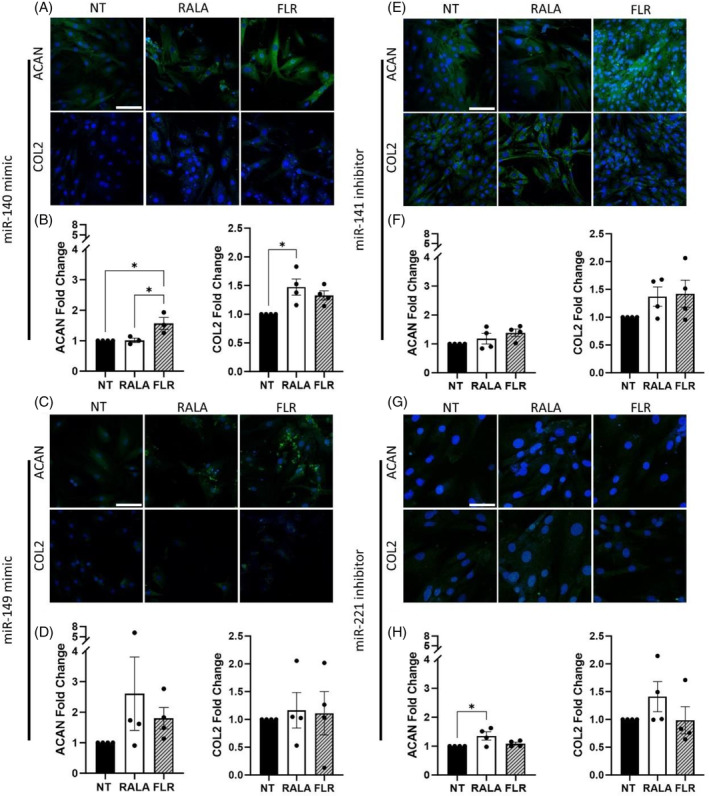
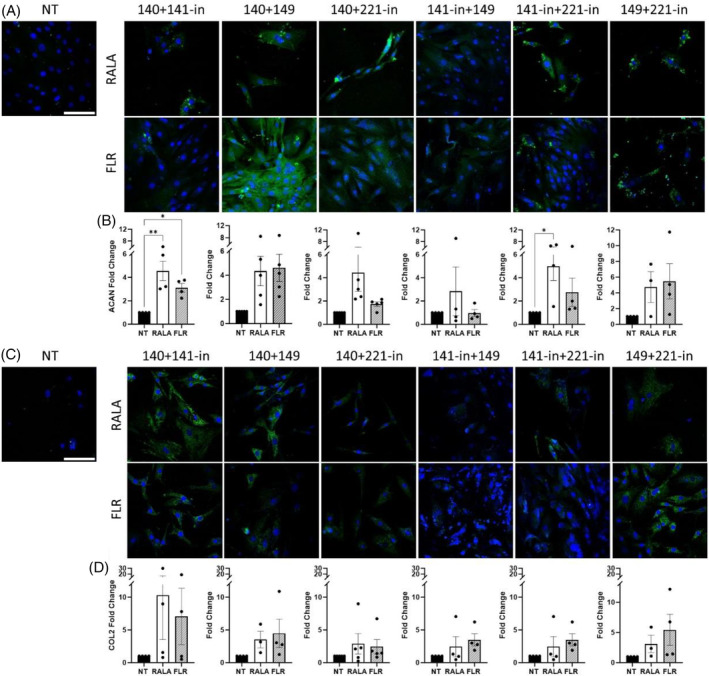
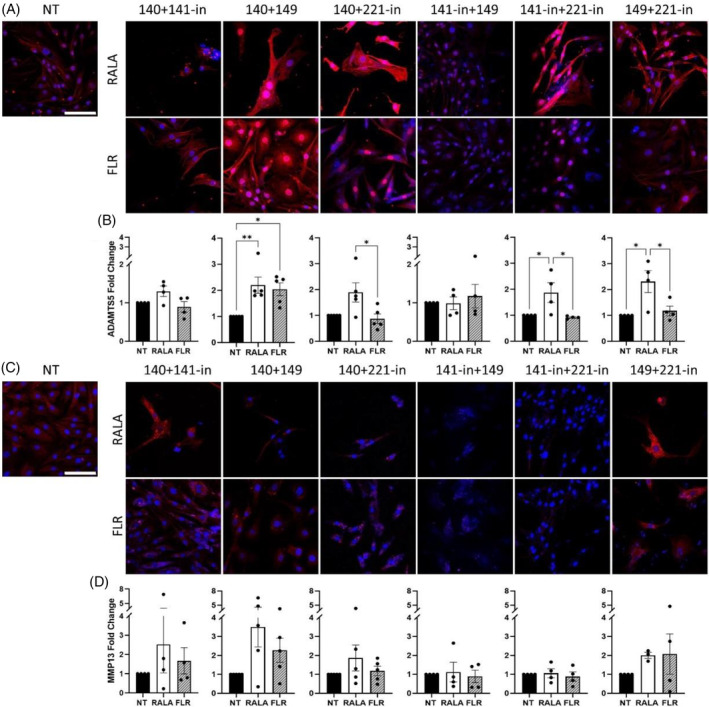
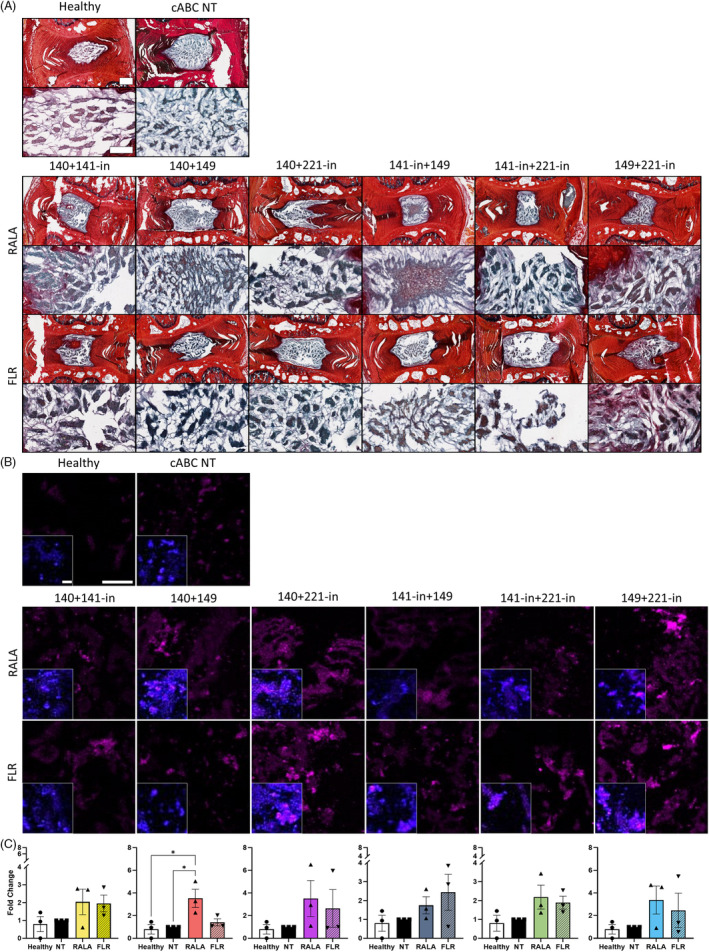
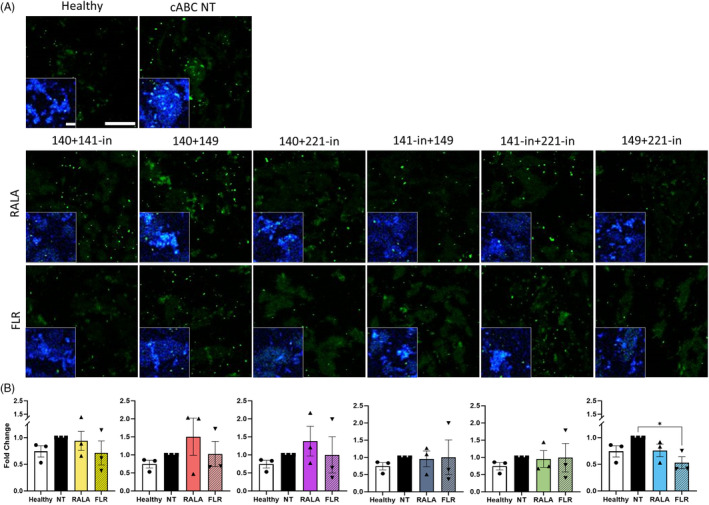
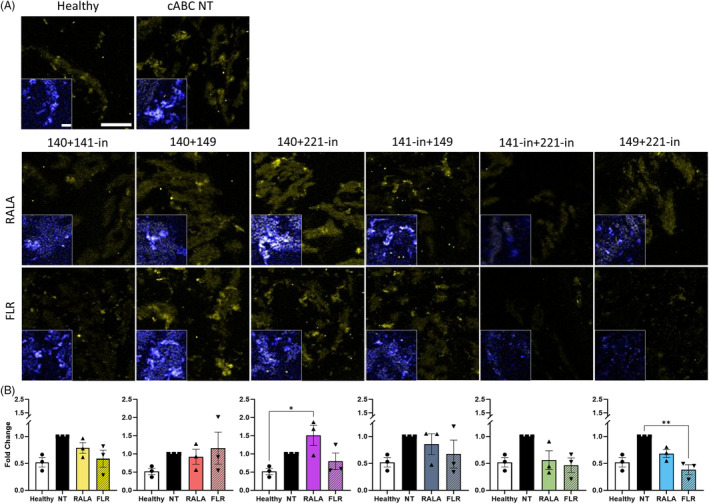
Transfection of four pro-discogenic miRNAs (miRNA mimics:140-5p; 149-5p and inhibitors: 141-3p; 221-3p) and dual delivery of six miRNA pairings was performed using two CPPs, RALA and GET peptide (FLR), in primary rat NP monolayer culture, and in an ex vivo organ culture model of rat caudal discs. Protein expression of discogenic (aggrecan, collagen type II, and SOX9) and catabolic markers (ADAMTS5 and MMP13) were assessed.
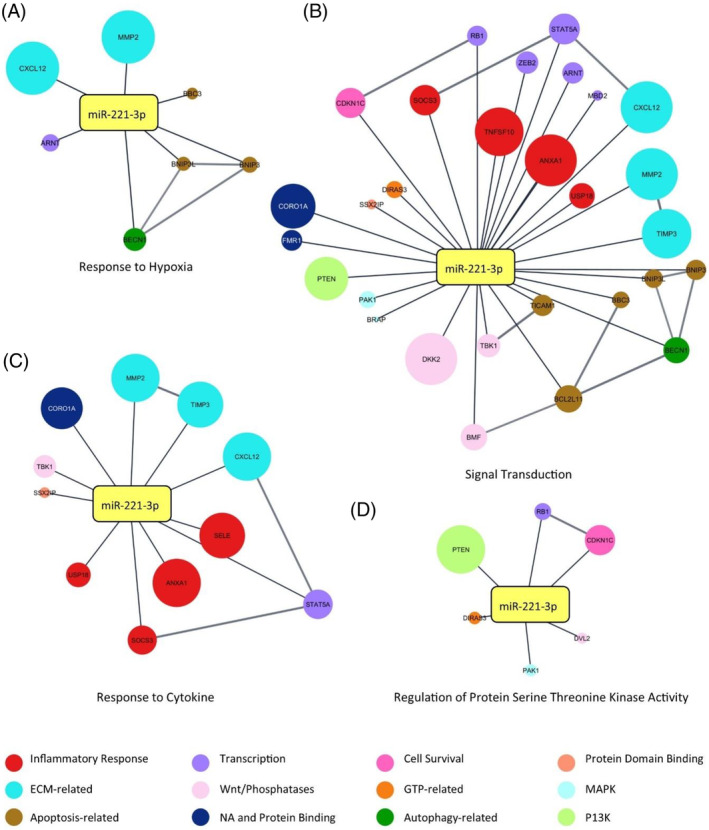
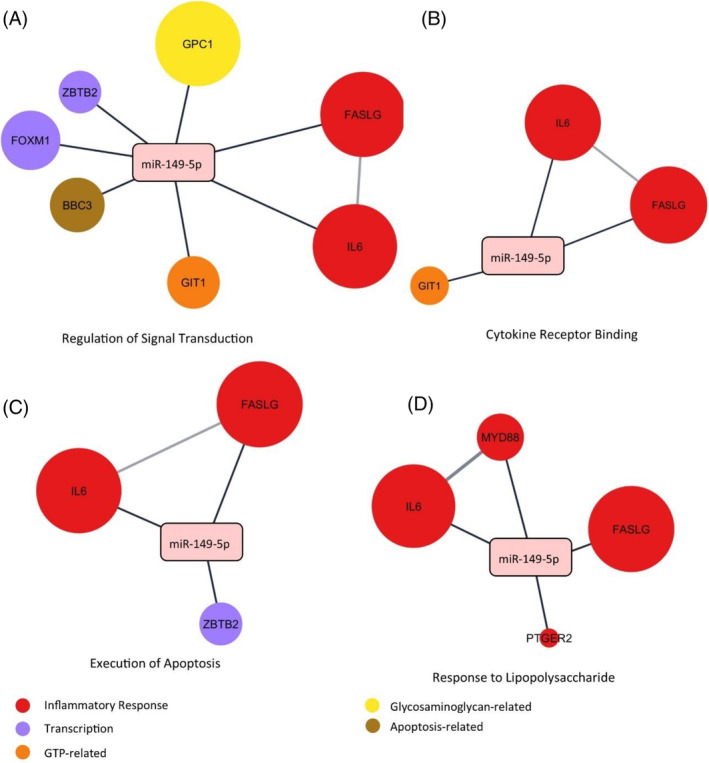
Monolayer investigations signified enhanced discogenic marker expression following dual miRNA delivery, signifying a synergistic effect when compared to single miRNA transfection. Utilization of an appropriate model was emphasized in our ex vivo organ culture experiment, revealing the establishment of a regenerative microenvironment characterized by reduced catabolic enzyme activity and enhanced matrix deposition, particularly following concurrent delivery of FLR-miRNA-149-5p mimic and miRNA-221-3p inhibitor. Bioinformatics analysis of miRNA-149-5p mimic and miRNA-221-3p inhibitor identified distinct targets, pathways, and interactions, suggesting a mode of action for this amplified response.
Our findings suggest the potential of FLR-miRNA-149-5p + miRNA-221-3p inhibitor to create an anti-catabolic niche within the disc to foster regeneration in moderate cases of disc degeneration, which could be utilized in further studies with the overarching aim of developing treatments for LBP.
下腰痛(LBP)主要由椎间盘(IVD)和中央髓核(NP)区域退变引起。保守治疗无法恢复椎间盘功能,这促使人们探索核酸疗法,如使用微小RNA(miRNA)。miRNA有潜力调节椎间盘源性因子的表达,同时沉默与退变相关的分解代谢级联反应。为了递送这些miRNA,非病毒细胞穿透肽(CPP)因其低免疫原性和强靶向能力而受到青睐。单一miRNA疗法已被研究用于IVD修复,然而双miRNA递送策略尚未得到普遍研究,可能会增强再生效果。
在原代大鼠NP单层培养以及大鼠尾椎间盘的体外器官培养模型中,使用两种CPP(RALA和GET肽(FLR))对四种促椎间盘退变的miRNA(miRNA模拟物:140 - 5p;149 - 5p和抑制剂:141 - 3p;221 - 3p)进行转染,并对六种miRNA配对进行双递送。评估椎间盘源性(聚集蛋白聚糖、II型胶原蛋白和SOX9)和分解代谢标志物(ADAMTS5和MMP13)的蛋白表达。
单层研究表明双miRNA递送后椎间盘源性标志物表达增强,与单一miRNA转染相比显示出协同效应。我们的体外器官培养实验强调了使用合适模型的重要性,揭示了建立一种再生微环境,其特征为分解代谢酶活性降低和基质沉积增强,特别是在同时递送FLR - miRNA - 149 - 5p模拟物和miRNA - 221 - 3p抑制剂之后。对miRNA - 149 - 5p模拟物和miRNA - 221 - 3p抑制剂的生物信息学分析确定了不同的靶点、途径和相互作用,提示了这种放大反应的作用模式。
我们的研究结果表明,FLR - miRNA - 149 - 5p + miRNA - 221 - 3p抑制剂有潜力在椎间盘中创建一个抗分解代谢的微环境,以促进中度椎间盘退变病例的再生,这可用于进一步研究,总体目标是开发LBP的治疗方法。