Faldaas Bjørn Ove, Storm Benjamin Stage, Lappegård Knut Tore, How Ole-Jakob, Nilsen Bent Aksel, Kiss Gabriel, Skogvoll Eirik, Nielsen Erik Waage, Torp Hans, Ingul Charlotte Björk
Faculty of Nursing and Health Sciences, Nord University, Bodø, Norway.
Department of Circulation and Medical Imaging, Norwegian University of Science and Technology (NTNU), Trondheim, Norway.
Intensive Care Med Exp. 2024 Dec 27;12(1):121. doi: 10.1186/s40635-024-00704-w.
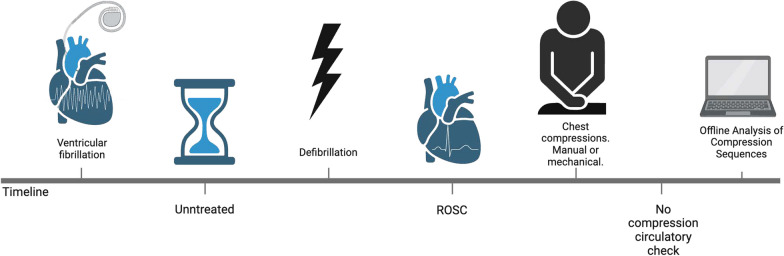
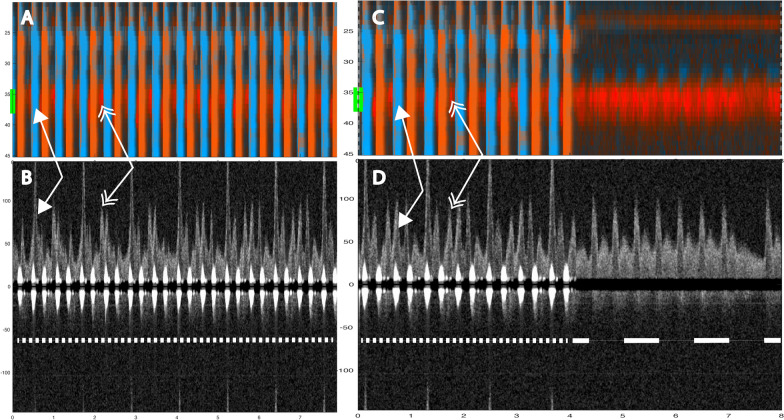
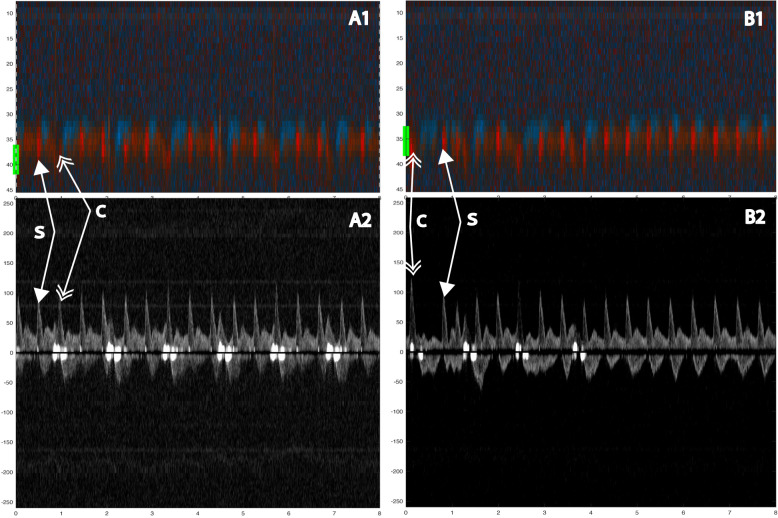
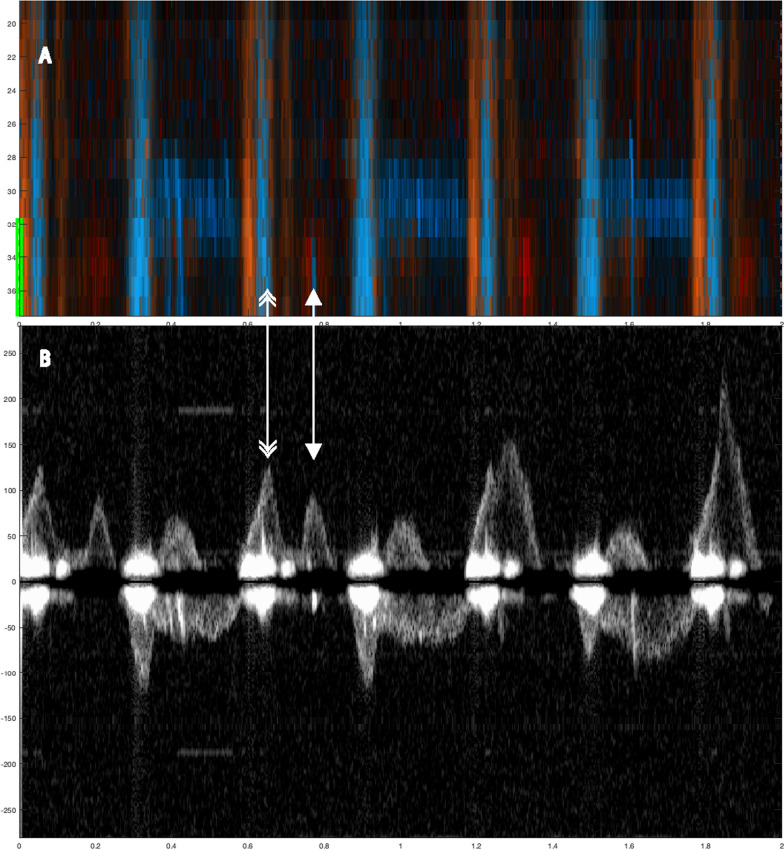
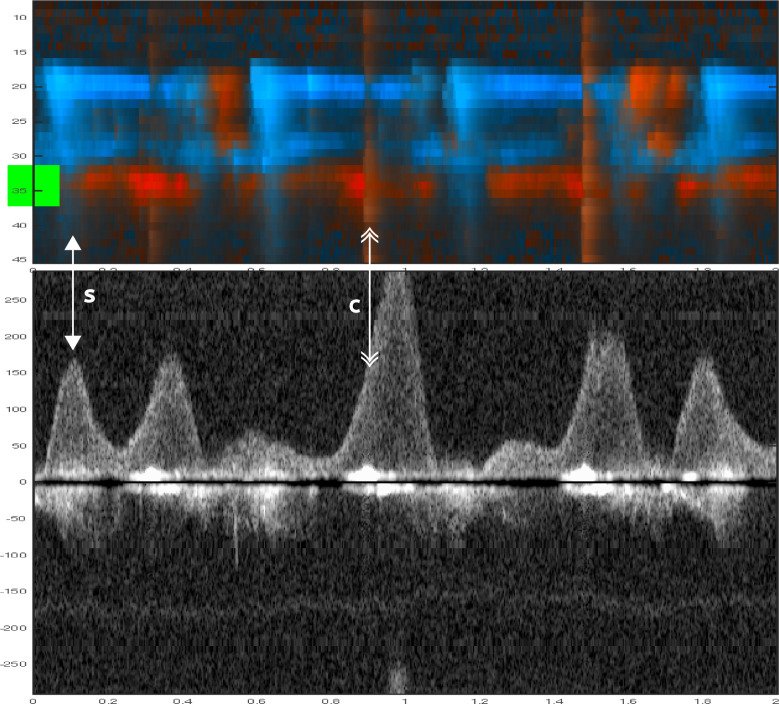
Identifying spontaneous circulation during cardiopulmonary resuscitation (CPR) is challenging. Current methods, which involve intermittent and time-consuming pulse checks, necessitate pauses in chest compressions. This issue is problematic in both in-hospital cardiac arrest and out-of-hospital cardiac arrest situations, where resources for identifying circulation during CPR may be limited. The fraction of chest compression plays a pivotal role in improving survival rates. To address this challenge, we evaluated a newly developed hands-free, continuous carotid Doppler system (RescueDoppler), designed to identify spontaneous circulation during chest compressions. In our study, we utilized a porcine model of cardiac arrest to investigate sequences of ventricular fibrillation, followed by defibrillation, and monitoring for the return of spontaneous circulation during chest compressions with the carotid Doppler system. We explored both manual compressions at 100 and 50 compressions per minute and mechanical compressions. To estimate the detection rate (i.e., sensitivity), we employed a logistic mixed model with animal identity as random effect.
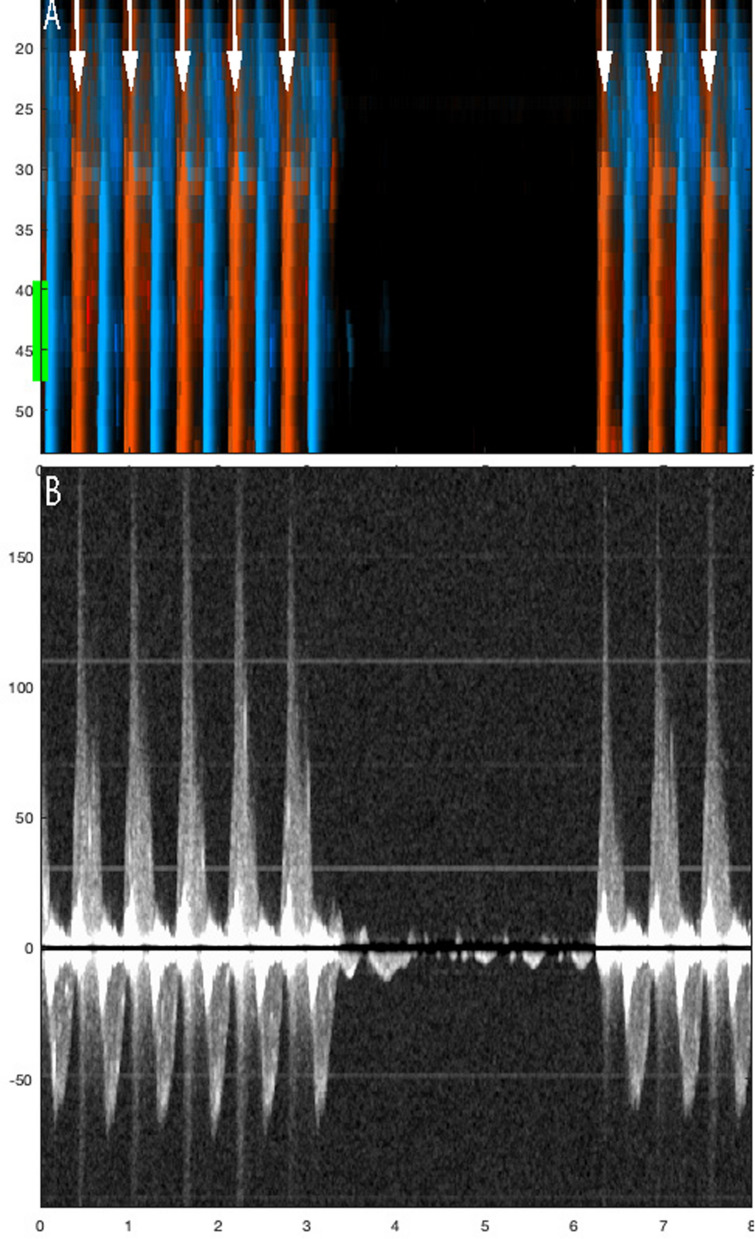
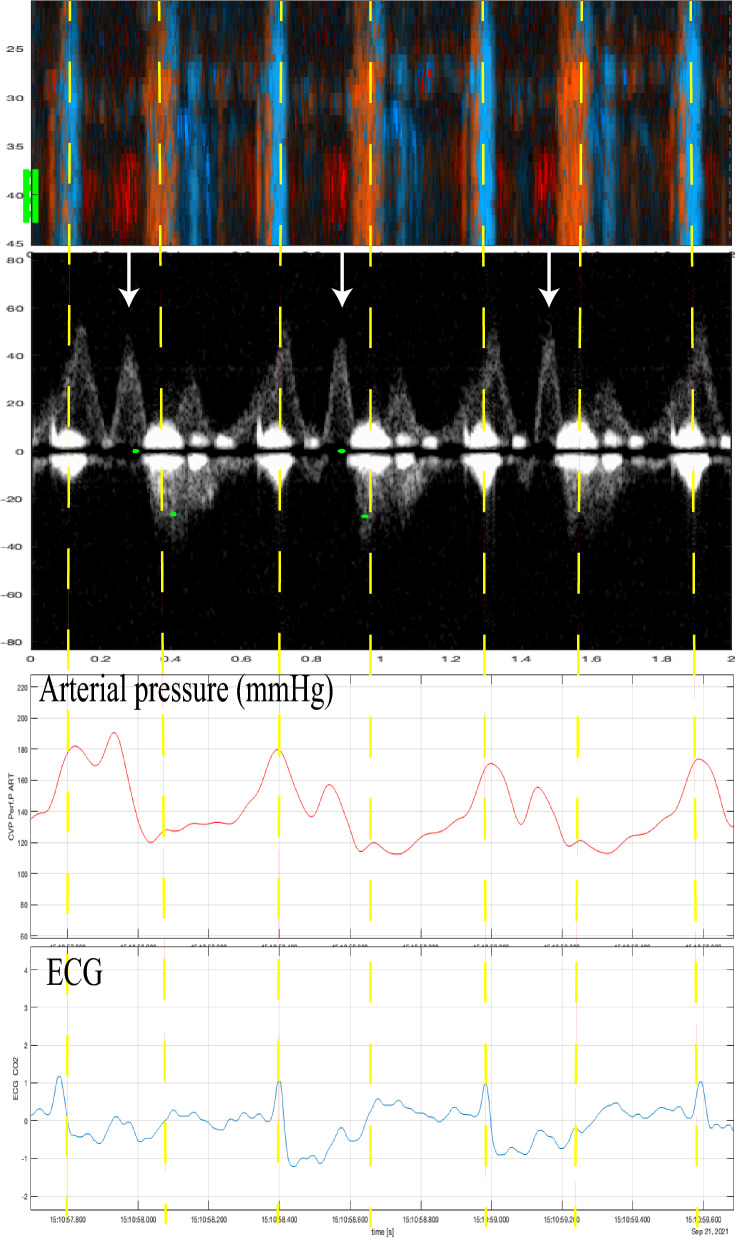
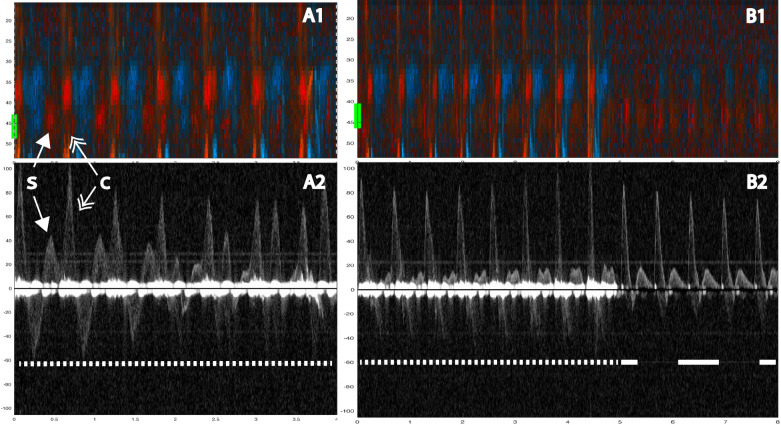
Offline analysis of Doppler color M-mode and spectral display successfully identified spontaneous circulation during chest compressions in all compression models. Spontaneous circulation was detected in 51 of 59 sequences, yielding an expected sensitivity of 98% with a 95% confidence interval of 59% to 99%.
The RescueDoppler, a continuous hands-free carotid Doppler system, demonstrates an expected sensitivity of 98% for identifying spontaneous circulation during both manual and mechanical chest compressions. Clinical studies are needed to further validate these findings.
在心肺复苏(CPR)过程中识别自主循环具有挑战性。当前的方法包括间歇性且耗时的脉搏检查,这需要暂停胸外按压。在院内心脏骤停和院外心脏骤停的情况下,这个问题都很棘手,因为在CPR期间用于识别循环的资源可能有限。胸外按压的比例在提高生存率方面起着关键作用。为应对这一挑战,我们评估了一种新开发的免提连续颈动脉多普勒系统(RescueDoppler),其旨在在胸外按压期间识别自主循环。在我们的研究中,我们利用猪心脏骤停模型来研究室颤序列,随后进行除颤,并使用颈动脉多普勒系统在胸外按压期间监测自主循环的恢复。我们探索了每分钟100次和50次的手动按压以及机械按压。为了估计检测率(即敏感性),我们采用了以动物个体为随机效应的逻辑混合模型。
对多普勒彩色M型和频谱显示的离线分析成功识别了所有按压模型中胸外按压期间的自主循环。在59个序列中的51个检测到了自主循环,预期敏感性为98%,95%置信区间为59%至99%。
RescueDoppler,一种免提连续颈动脉多普勒系统,在手动和机械胸外按压期间识别自主循环的预期敏感性为98%。需要进行临床研究以进一步验证这些发现。