Bai Zihao, Wang Hao, Han Jingru, An Jia, Yang Zhaocong, Mo Xuming
Clinical Teaching Hospital of Medical School, Nanjing Children's Hospital, Nanjing University, Nanjing, 210008, China.
Department of Cardiothoracic Surgery, Children's Hospital of Nanjing Medical University, Nanjing, 210008, China.
Sci Rep. 2024 Dec 28;14(1):31060. doi: 10.1038/s41598-024-82233-w.
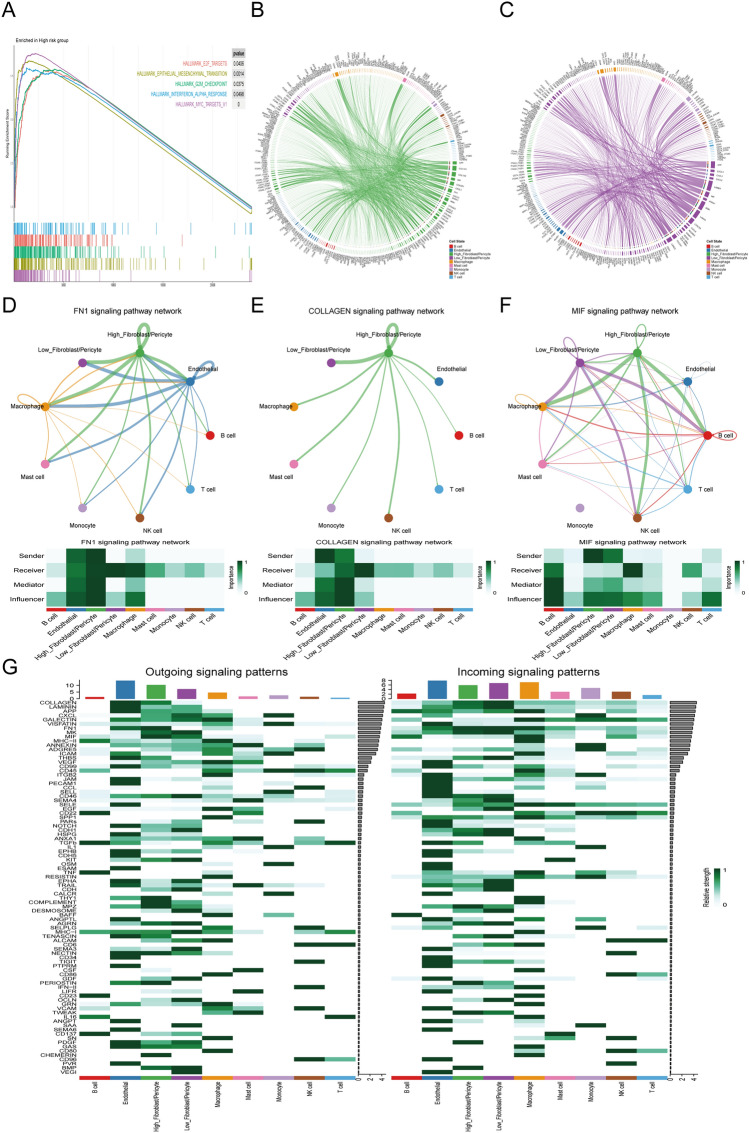
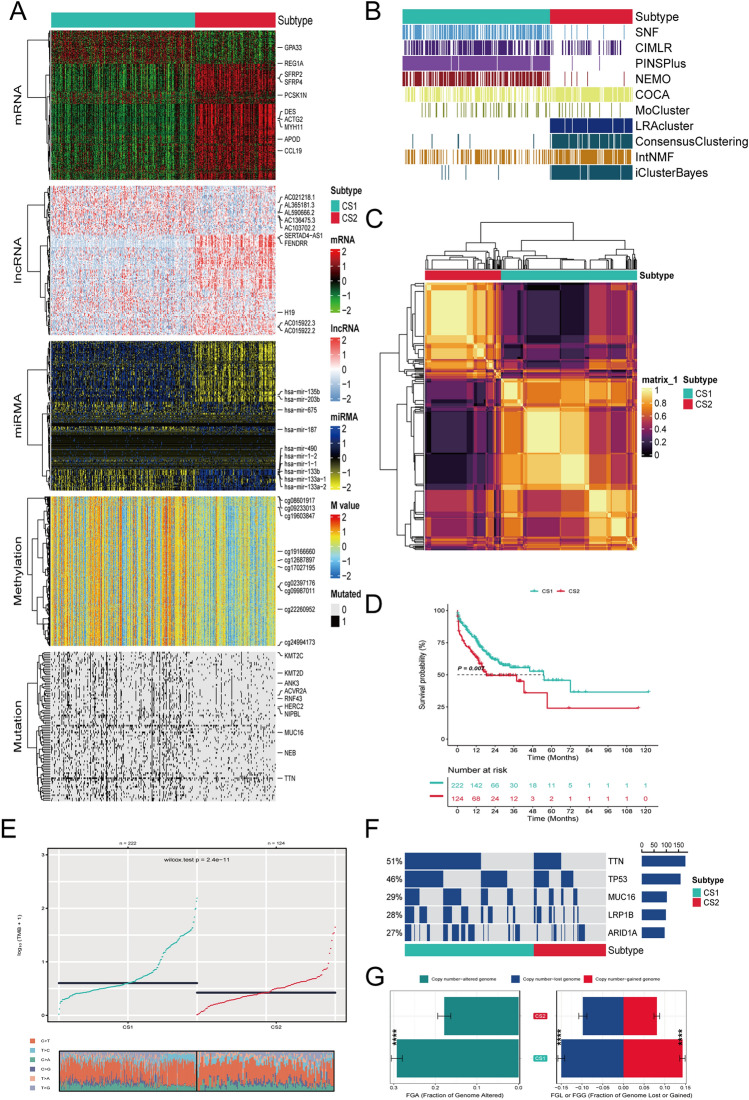
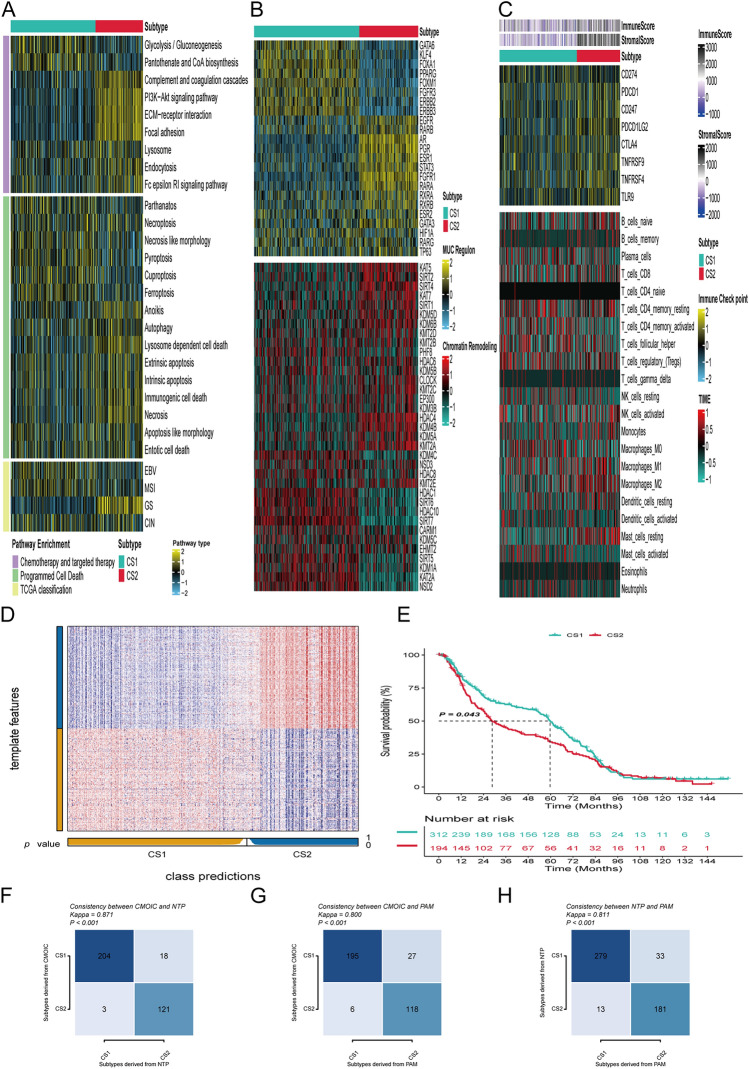
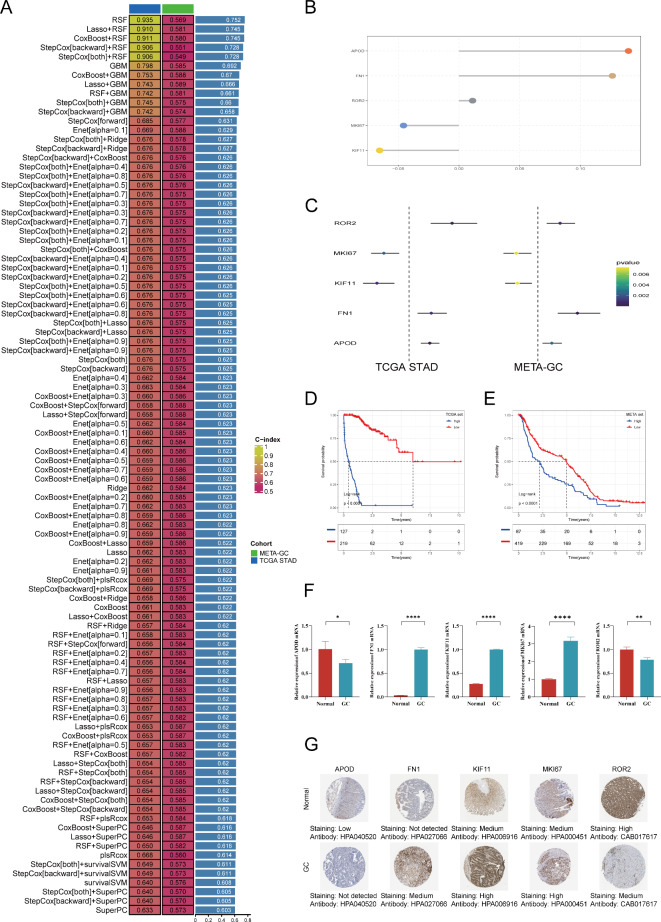
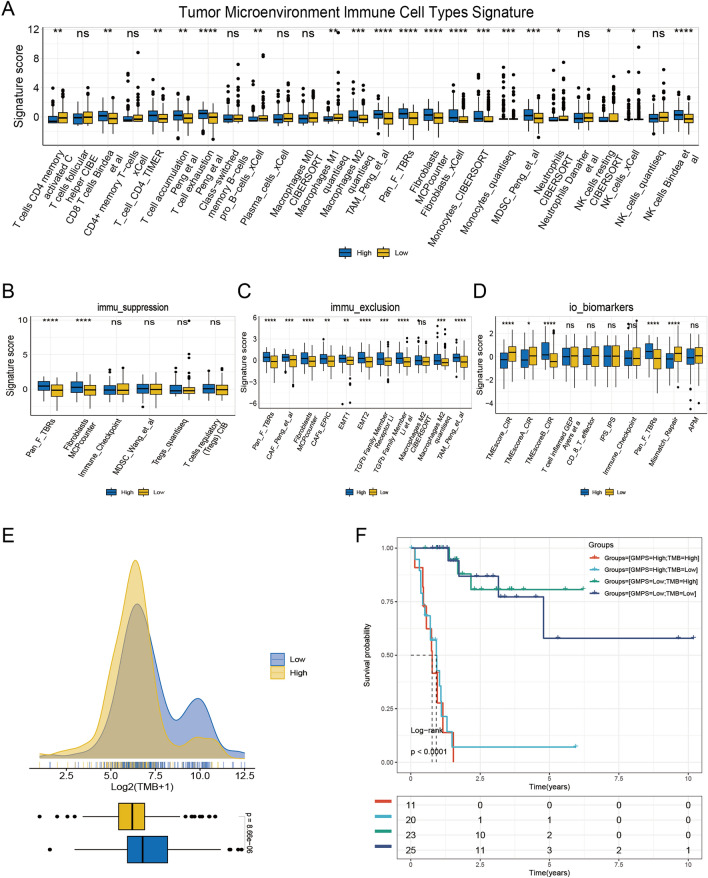
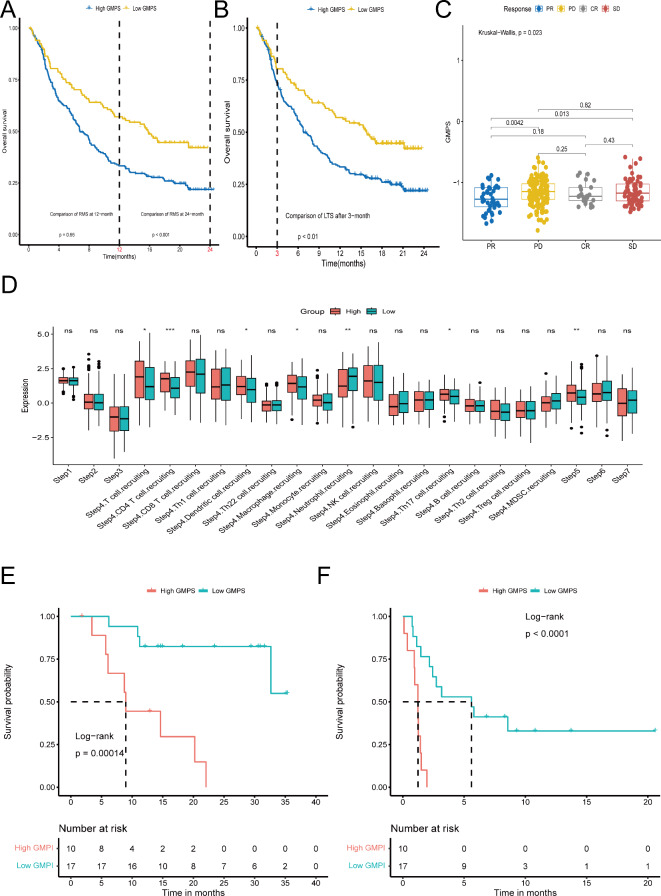
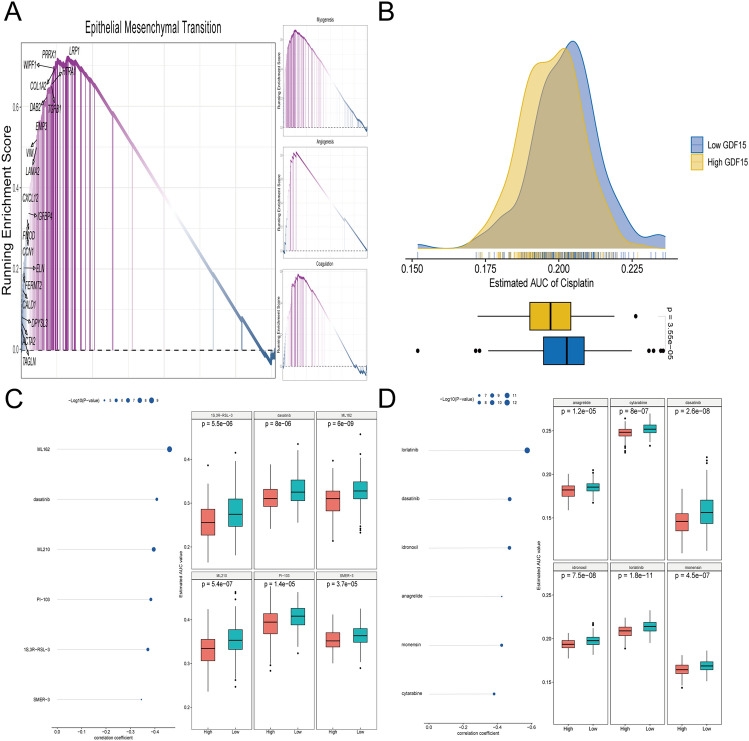
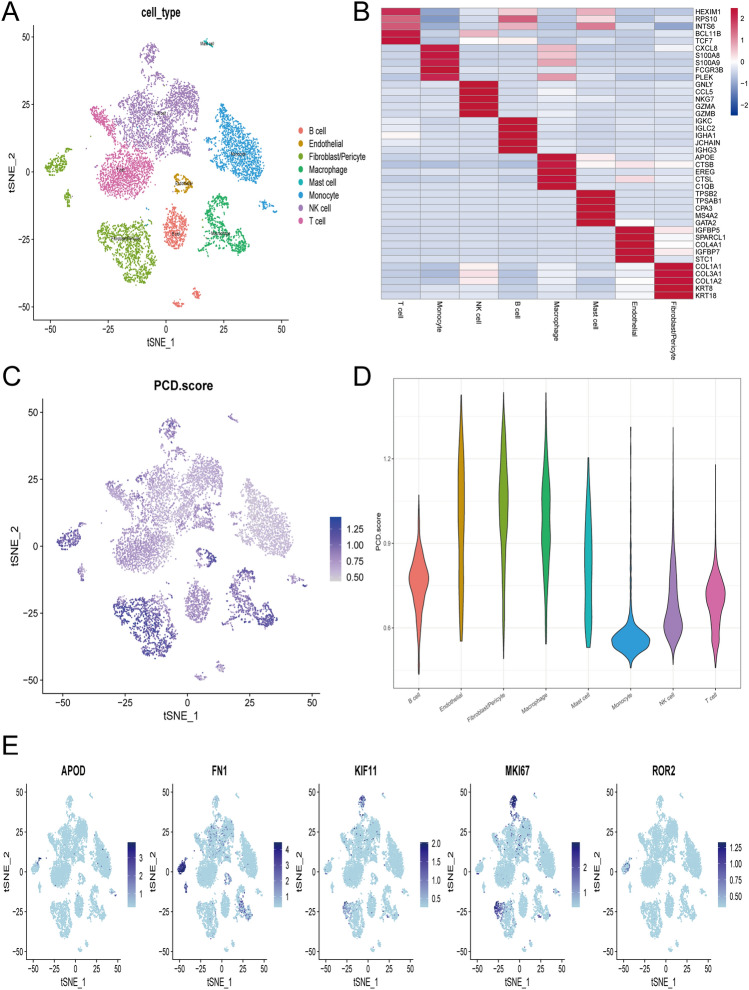
Gastric cancer (GC) is characterized by notable heterogeneity and the impact of molecular subtypes on treatment and prognosis. The role of programmed cell death (PCD) in cellular processes is critical, yet its specific function in GC is underexplored. This study applied multiomics approaches, integrating transcriptomic, epigenetic, and somatic mutation data, with consensus clustering algorithms to classify GC molecular subtypes and assess their biological and immunological features. A machine learning model was developed to create the Gastric Cancer Multi-Omics Programmed Cell Death Signature (GMPS), targeting PCD-related genes. We verified the expression of the GMPS hub genes using the RT-qPCR method. The prognostic influence of GMPS on GC was then evaluated. Single-cell analysis was performed to examine the heterogeneity of PCD characteristics in GC. Findings indicate that GMPS notably correlates with patient survival rates, tumor mutational burden (TMB), and copy number variations (CNV), demonstrating substantial prognostic predictive power. Moreover, GMPS is closely associated with the tumor microenvironment (TME) and immune therapy response. This research elucidates the molecular subtypes of GC, highlighting PCD's critical role in prognosis assessment. The relationship between GMPS and immune therapy response, alongside gastric cancer's microenvironmental features, provides insights for personalized treatment.
胃癌(GC)具有显著的异质性,且分子亚型对治疗和预后有影响。程序性细胞死亡(PCD)在细胞过程中的作用至关重要,但其在胃癌中的具体功能尚未得到充分探索。本研究应用多组学方法,整合转录组、表观遗传和体细胞突变数据,并采用共识聚类算法对胃癌分子亚型进行分类,评估其生物学和免疫学特征。开发了一种机器学习模型,以创建针对PCD相关基因的胃癌多组学程序性细胞死亡特征(GMPS)。我们使用RT-qPCR方法验证了GMPS核心基因的表达。然后评估了GMPS对胃癌预后的影响。进行单细胞分析以检查胃癌中PCD特征的异质性。研究结果表明,GMPS与患者生存率、肿瘤突变负荷(TMB)和拷贝数变异(CNV)显著相关,具有强大的预后预测能力。此外,GMPS与肿瘤微环境(TME)和免疫治疗反应密切相关。本研究阐明了胃癌的分子亚型,突出了PCD在预后评估中的关键作用。GMPS与免疫治疗反应之间的关系以及胃癌的微环境特征为个性化治疗提供了见解。