
用于优化生物源银纳米颗粒以光催化去除三元染料混合物及处理后废水的生态毒理学影响的光谱方法。
Spectroscopic approach to optimize the biogenic silver nanoparticles for photocatalytic removal of ternary dye mixture and ecotoxicological impact of treated wastewater.
作者信息
Mandal Keya, Das Dipti, Bose Supriya Kumar, Chaudhuri Aparna, Chakraborty Arpita, Mandal Sapna, Ghosh Sabyasachi, Roy Swarup
机构信息
Department of Biotechnology, School of Life Science, Swami Vivekananda University, Barrackpore, West Bengal, 700121, India.
Department of Biochemistry and Biophysics, University of Kalyani, Nadia, Kalyani, West Bengal, 741235, India.
出版信息
Sci Rep. 2024 Dec 28;14(1):31174. doi: 10.1038/s41598-024-82341-7.
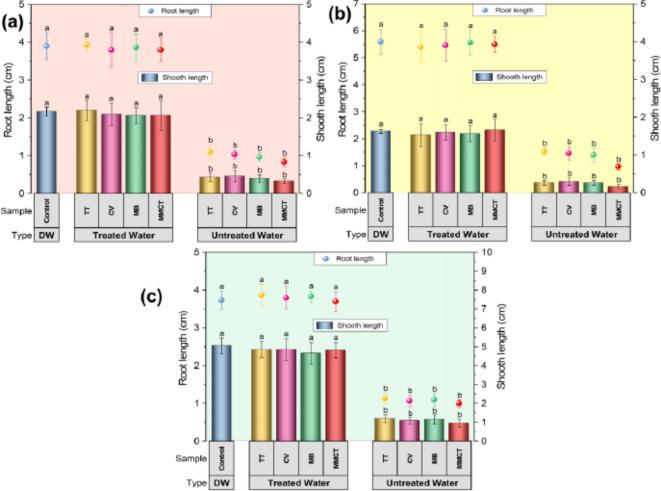
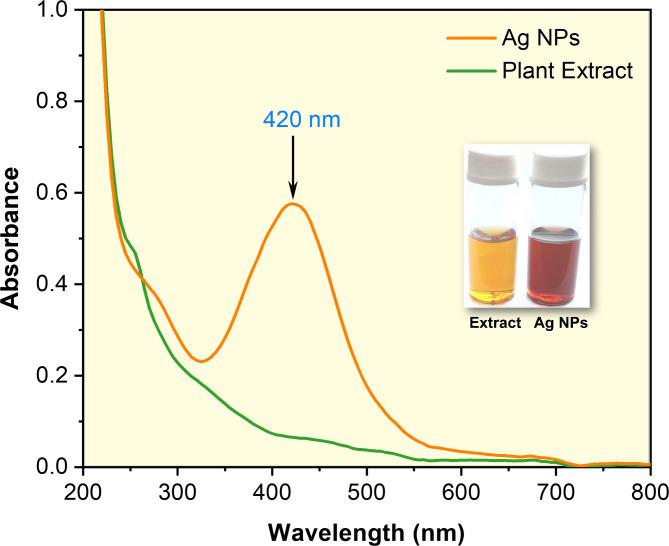
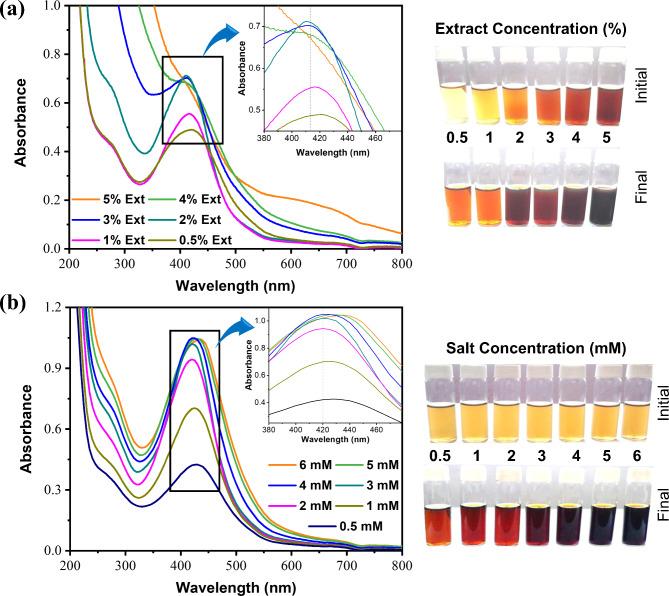
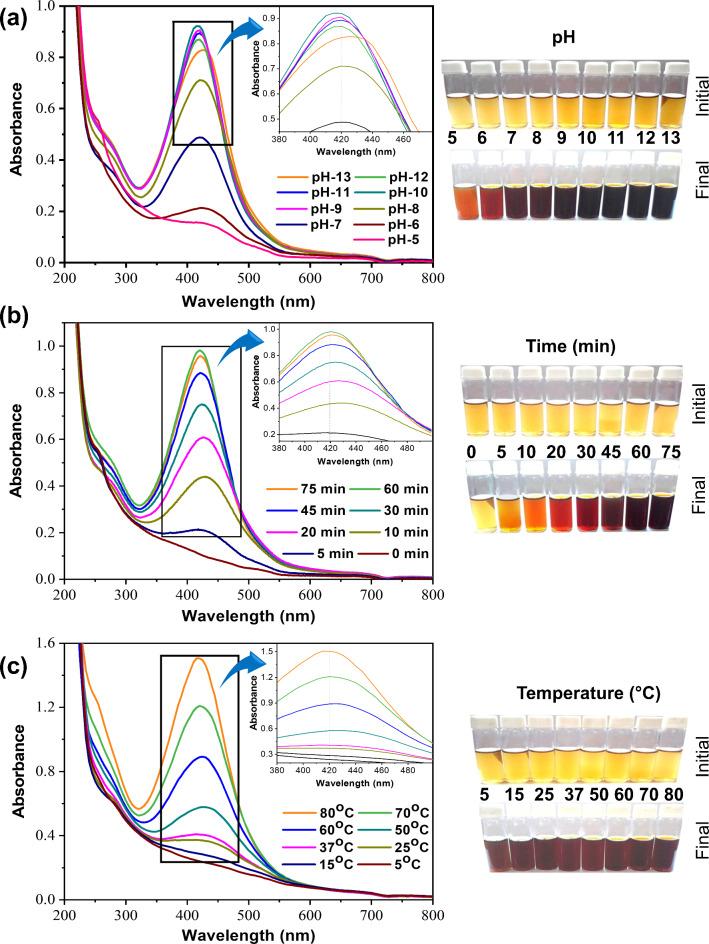
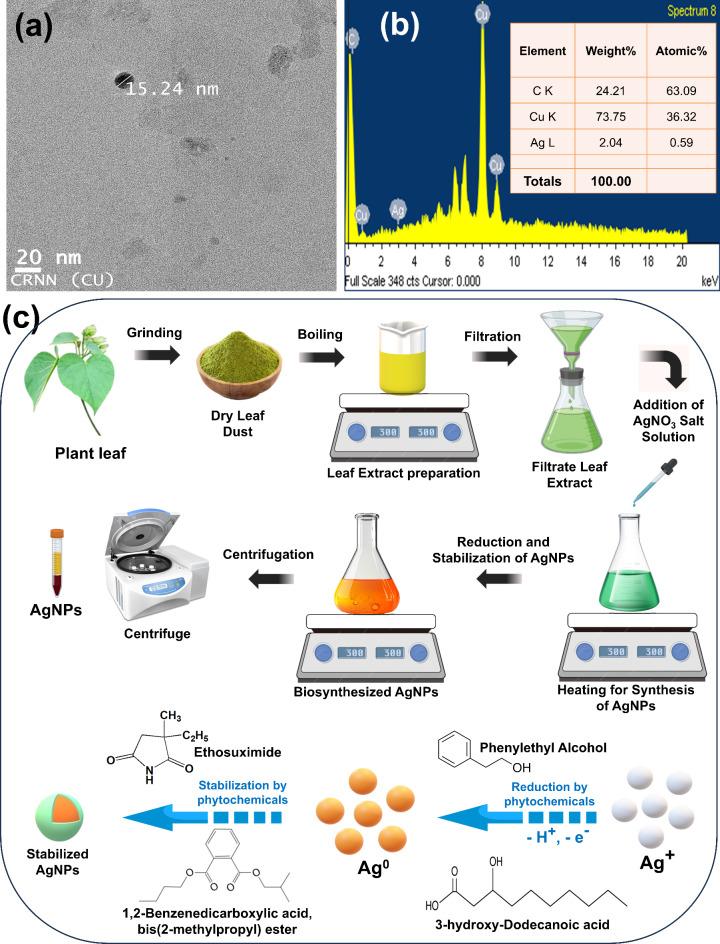
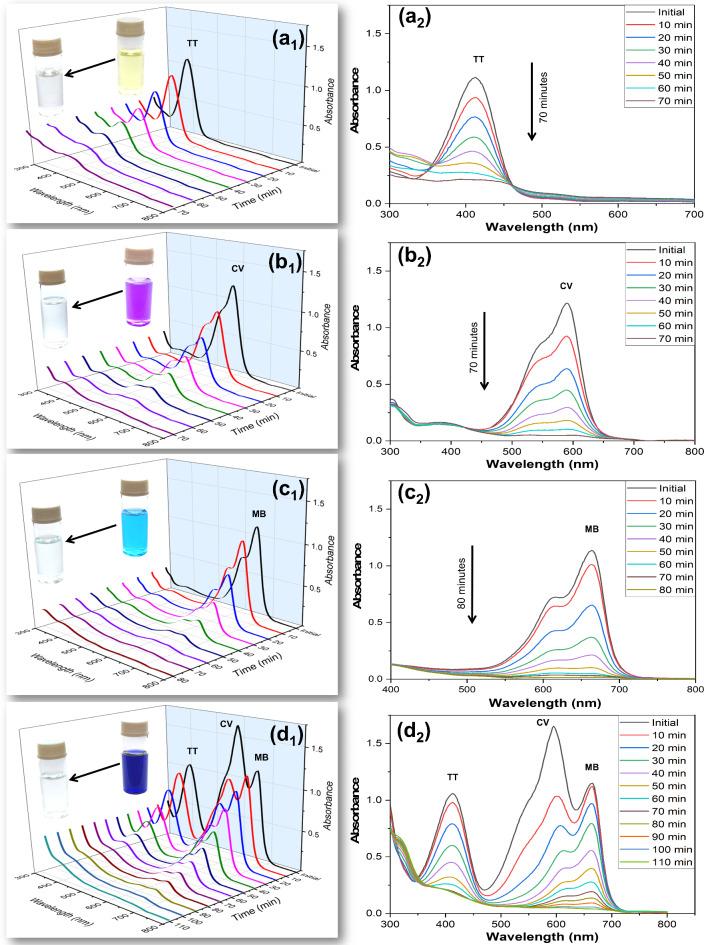
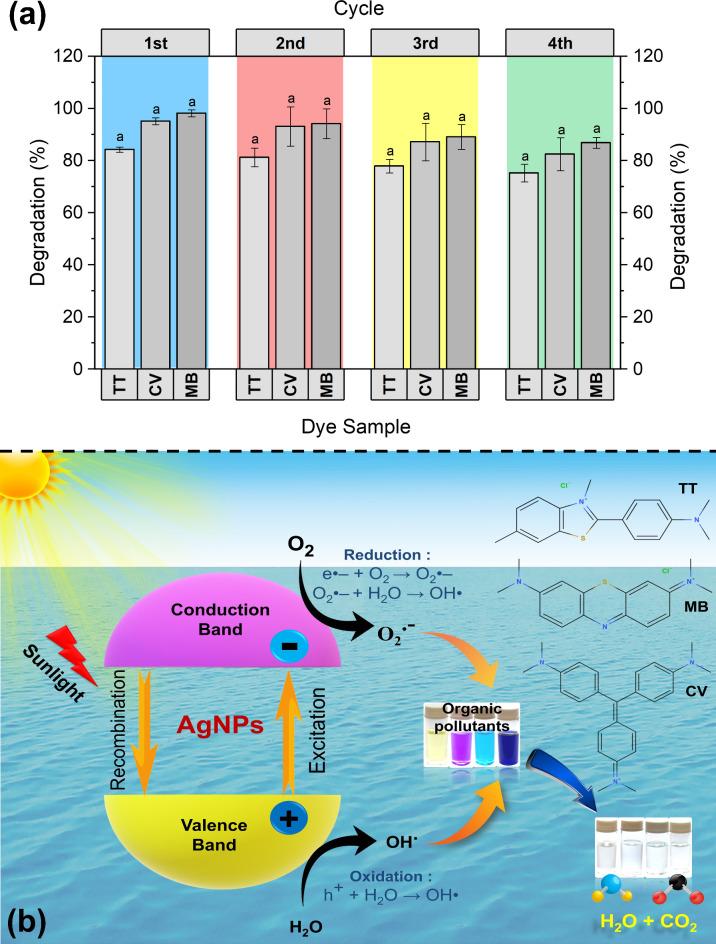
The fabricating of extremely effective, economical, ecologically safe, and reusable nanoparticle (NP) catalysts for the removal of water pollution is urgently needed. This study, spectroscopically optimizes the process parameters for the biogenic synthesis of AgNP catalysts using Cledrdendrum infortunatum leaf extract. The optimization of several synthesis parameters was systematically studied using UV-Vis spectroscopy to identify the ideal conditions for AgNPs formation. The AgNPs are spherical with a size of ~ 20 nm, pure and stable. Mechanistic insights into the biogenic synthesis process were explored. The photocatalytic performance of biogenic AgNPs was evaluated for the degradation of three common (crystal violet, thioflavin T, and methylene blue) dyes as models in ternary mixtures under the influence of sunlight. AgNPs show excellent photocatalytic efficiency in terms of degradation percentage (82.89-96.96% within 110 min), kinetics (0.0247-0.0331 min), half-life (20.96-28.11 min), and T (48.67-65.28 min) and also easily recovered and reused. Ecological safety assessment of the treated wastewater was assessed on the growths of rice, mustard, and lentil plants, and preliminary findings demonstrated that seedling growths for treated wastewater were nearly similar to the control sample but retarded in dye-contaminated wastewater suggesting potential use of treated wastewater for sustainable agriculture without compromising ecological balance. So, this study explores biogenic AgNPs as cost-effective, safe, and sustainable photocatalytic agents for the remediation of hazardous mix dyes and real-life applications of treated water for agricultural purposes.
迫切需要制备用于去除水污染的高效、经济、生态安全且可重复使用的纳米颗粒(NP)催化剂。本研究通过光谱法优化了使用臭牡丹叶提取物生物合成AgNP催化剂的工艺参数。利用紫外可见光谱系统地研究了几个合成参数的优化,以确定形成AgNP的理想条件。AgNP呈球形,尺寸约为20nm,纯净且稳定。探索了生物合成过程的机理。以三种常见染料(结晶紫、硫黄素T和亚甲基蓝)为模型,在阳光照射下,评估了生物合成AgNP在三元混合物中对染料的光催化降解性能。AgNP在降解率(110分钟内为82.89 - 96.96%)、动力学(0.0247 - 0.0331分钟⁻¹)、半衰期(20.96 - 28.11分钟)和T(48.67 - 65.28分钟)方面表现出优异的光催化效率,并且易于回收和重复使用。通过水稻、芥菜和扁豆植株的生长情况评估了处理后废水的生态安全性,初步结果表明,处理后废水的幼苗生长情况与对照样品几乎相似,但在染料污染的废水中生长受到抑制,这表明处理后废水在不破坏生态平衡的情况下可用于可持续农业。因此,本研究探索了生物合成AgNP作为具有成本效益、安全且可持续的光催化剂,用于修复有害混合染料以及处理后水在农业中的实际应用。
 Zotero 插件