Yang Ren, Zhang Tangfeng, Han Feng
Department of Neurosurgery, The Affiliated Hospital of Guizhou Medical University, Guiyang, Guizhou Province, People's Republic of China.
Diabetol Metab Syndr. 2024 Dec 30;16(1):314. doi: 10.1186/s13098-024-01555-x.
Obesity has been recognized as a risk factor for cerebrovascular diseases, with observational studies suggesting a heightened incidence of stroke. However, the genetic epidemiology field has yet to reach a consensus on the causal relationship and genetic overlap between ischemic stroke (IS) and obesity.
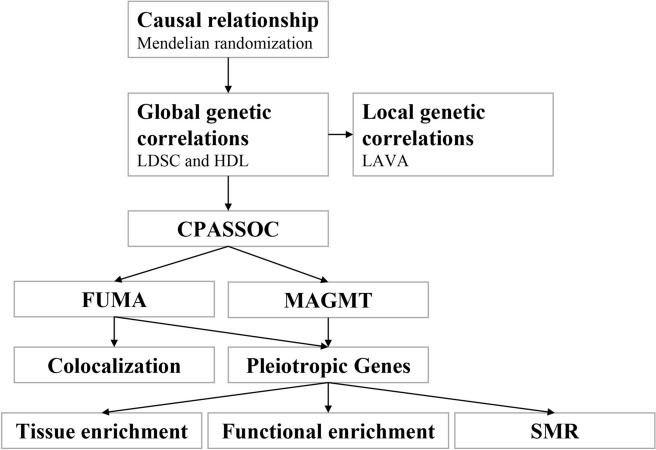
We utilized linkage disequilibrium score regression, high-definition likelihood, and local analysis of variant associations to assess the genetic correlation between body mass index (BMI) and IS. Bidirectional Mendelian randomization was employed to infer causality. We identified shared risk single nucleotide polymorphisms (SNPs) through cross-trait meta-analyses and estimated heritability using summary statistics. Summary-data-based Mendelian randomization (SMR) was applied to explore potential functional genes.
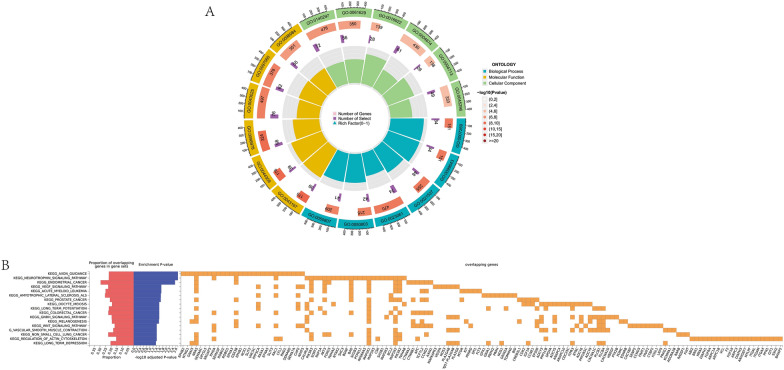
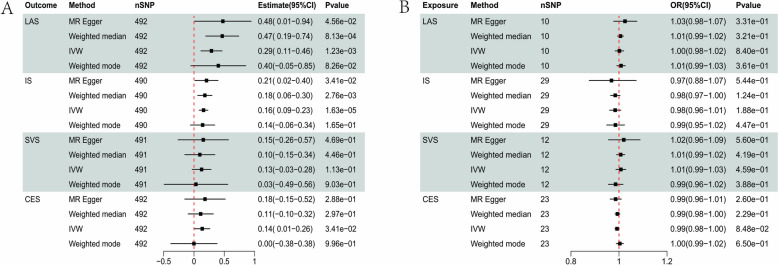
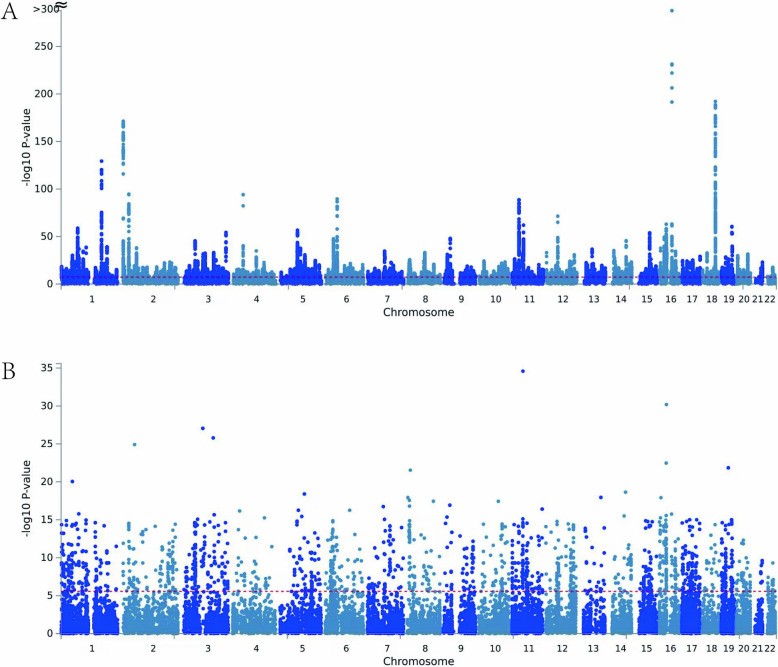
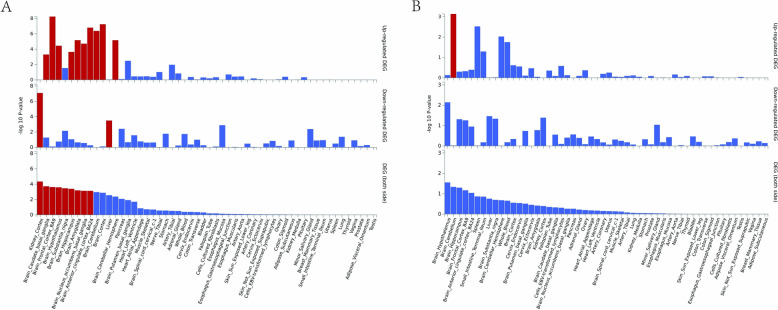
Our analysis revealed a significant positive genetic correlation between BMI and IS, supporting a causal link from BMI to IS. Cross-trait analysis yielded 9 and 16 shared risk SNPs for IS and small vessel stroke (SVS), respectively. We observed a notable enrichment of SNP heritability for IS and BMI in brain tissues, suggesting tissue-specific influences. The genes shared between the traits were predominantly involved in brain development, synaptic electrical activity, and immunoregulation. Notably, our SMR analysis identified the risk genes CHAF1A, CEP192, ULK4, CYP2D6, AS3MT, and WARS2 across the majority of the 14 enriched tissues shared by both traits.
Our study uncovered a significant genetic correlation and identified shared risk SNPs between BMI and IS. The identification of CHAF1A, CEP192, ULK4, CYP2D6, AS3MT, and WARS2 as potential functional genes common to both obesity and IS enriched our understanding of their genetic interplay, potentially advanced our grasp of their pathogenesis and therapeutic targets.
肥胖已被公认为脑血管疾病的危险因素,观察性研究表明中风发病率有所增加。然而,遗传流行病学领域尚未就缺血性中风(IS)与肥胖之间的因果关系和遗传重叠达成共识。
我们利用连锁不平衡评分回归、高清似然性和变异关联的局部分析来评估体重指数(BMI)与IS之间的遗传相关性。采用双向孟德尔随机化来推断因果关系。我们通过跨性状荟萃分析确定共享风险单核苷酸多态性(SNP),并使用汇总统计数据估计遗传力。应用基于汇总数据的孟德尔随机化(SMR)来探索潜在的功能基因。
我们的分析揭示了BMI与IS之间存在显著的正遗传相关性,支持从BMI到IS的因果联系。跨性状分析分别产生了9个和16个IS和小血管中风(SVS)的共享风险SNP。我们观察到脑组织中IS和BMI的SNP遗传力有显著富集,表明存在组织特异性影响。性状之间共享的基因主要参与脑发育、突触电活动和免疫调节。值得注意的是,我们的SMR分析在两种性状共有的14个富集组织中的大多数中鉴定出风险基因CHAF1A、CEP192、ULK4、CYP2D6、AS3MT和WARS2。
我们的研究发现了BMI与IS之间存在显著的遗传相关性,并确定了共享风险SNP。将CHAF1A、CEP192、ULK4、CYP2D6、AS3MT和WARS2鉴定为肥胖和IS共有的潜在功能基因,丰富了我们对它们遗传相互作用的理解,可能推进我们对它们发病机制和治疗靶点的掌握。