Zhu Xiao Fang, Shen Ren Fang
State Key Laboratory of Soil and Sustainable Agriculture, Institute of Soil Science, Chinese Academy of Sciences, Nanjing 210008, China.
University of Chinese Academy of Sciences, Beijing 100839, China.
Fundam Res. 2023 Apr 7;4(6):1533-1541. doi: 10.1016/j.fmre.2023.03.004. eCollection 2024 Nov.
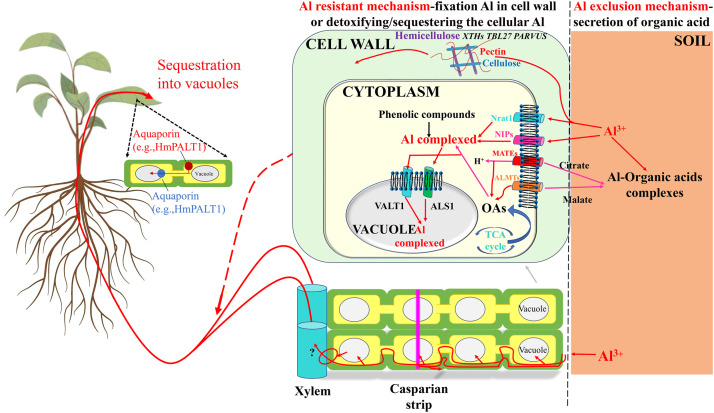
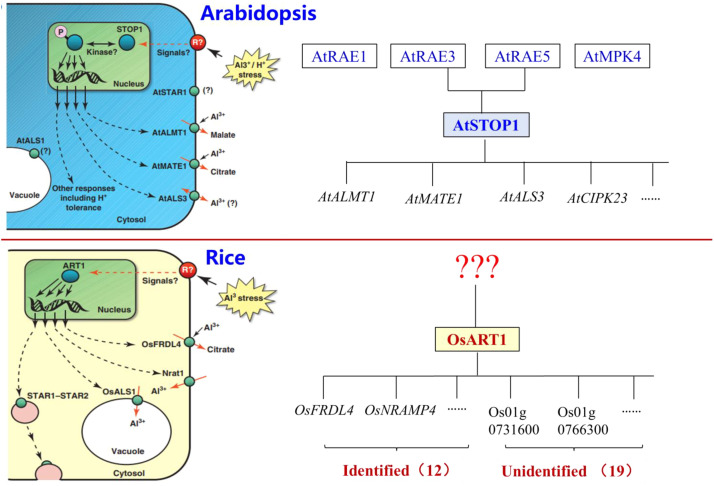
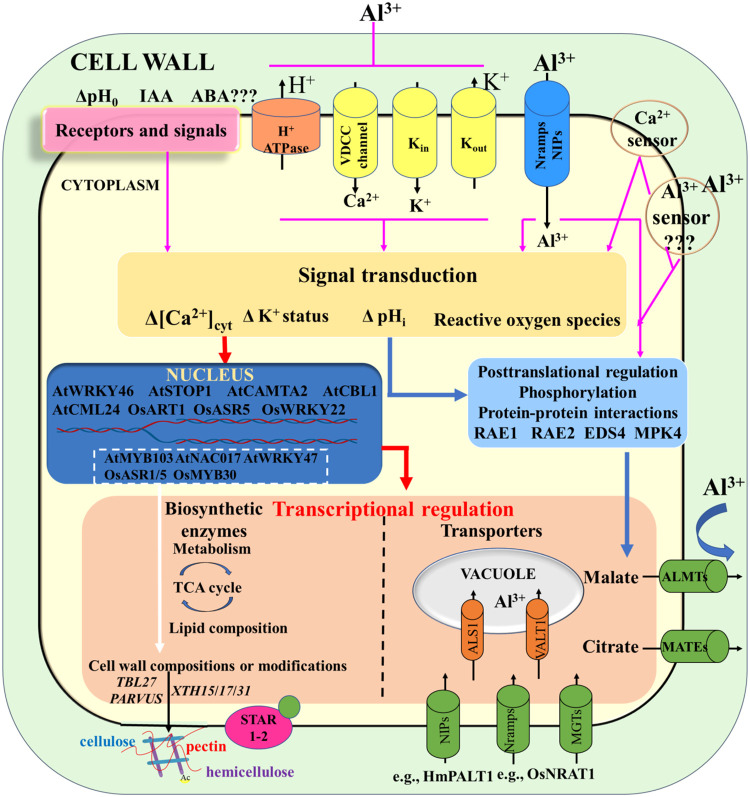
The widespread occurrence of acidic soils presents a major challenge for agriculture, as it hampers productivity via a combination of mineral toxicity, nutrient deficiency, and poor water uptake. Conventional remediation methods, such as amending the soil with lime, magnesium, or calcium, are expensive and not environmentally friendly. The most effective method to mitigate soil acidity is the cultivation of acid-tolerant cultivars. The ability of plants to tolerate acidic soils varies significantly, and a key factor influencing this tolerance is aluminum (Al) toxicity. Therefore, understanding the physiological, molecular, and genetic underpinnings of Al tolerance is essential for the successful breeding of acid-tolerant crops. Different tolerance mechanisms are regulated by various genes and quantitative trait loci in various plant species, and molecular markers have been developed to facilitate gene cloning and to support marker-assisted selection for breeding Al-tolerant cultivars. This study provides a comprehensive review of the current developments in understanding the physiological and molecular mechanisms underlying Al resistance. Through the application of genome-wide association methods, it is expected that new Al-resistant genes can be identified and utilized to cultivate Al-resistant varieties through intercrossing, backcrossing, and molecular marker-assisted selection, promoting the sustainable use of acidic soils.
酸性土壤的广泛存在给农业带来了重大挑战,因为它通过矿物质毒性、养分缺乏和水分吸收不良等多种因素的综合作用阻碍了生产力。传统的修复方法,如用石灰、镁或钙改良土壤,成本高昂且不环保。减轻土壤酸度的最有效方法是种植耐酸品种。植物耐受酸性土壤的能力差异很大,影响这种耐受性的一个关键因素是铝(Al)毒性。因此,了解耐铝性的生理、分子和遗传基础对于成功培育耐酸作物至关重要。不同的耐受机制由各种植物物种中的不同基因和数量性状位点调控,并且已经开发出分子标记以促进基因克隆并支持耐铝品种育种的标记辅助选择。本研究全面综述了目前在理解铝抗性潜在生理和分子机制方面的进展。通过全基因组关联方法的应用,有望鉴定出新的耐铝基因,并通过杂交、回交和分子标记辅助选择来培育耐铝品种,促进酸性土壤的可持续利用。