Restivo Domenico A, Quartarone Angelo, Bruschetta Antongiulio, Alito Angelo, Milardi Demetrio, Marchese-Ragona Rosario, Iezzi Ennio, Peter Sheila, Centonze Diego, Stampanoni Bassi Mario
Department of Clinical and Experimental Medicine, Physical Medicine and Rehabilitation Unit, University of Messina, Messina, Italy.
IRCCS "Fondazione Bonino-Pulejo", Messina, Italy.
Front Neurol. 2024 Dec 13;15:1514644. doi: 10.3389/fneur.2024.1514644. eCollection 2024.
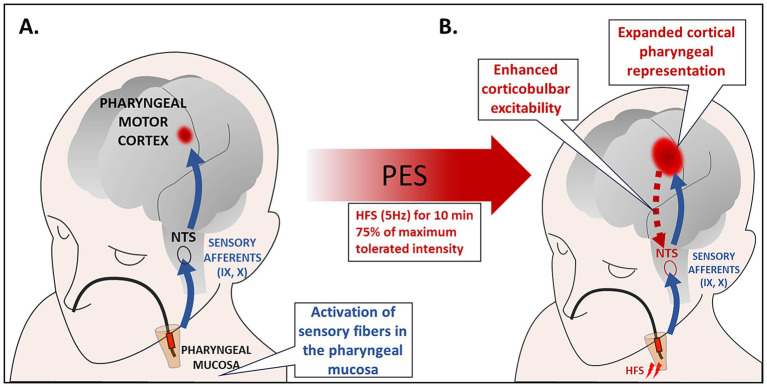
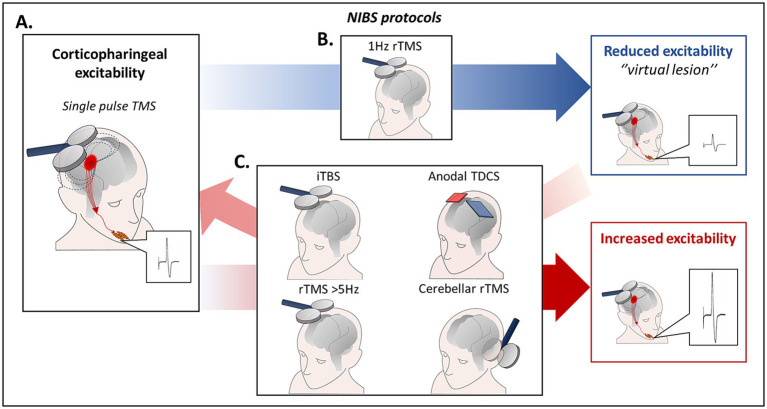
Dysphagia is a frequent and life-threatening complication of multiple sclerosis (MS). Swallowing disturbances may be present at all stages of MS, although their prevalence increases with age, with disease duration, and in progressive phenotypes. The pathophysiology of dysphagia in MS is likely due to a combination of factors, including the involvement of corticobulbar tracts, the cerebellum, and the brainstem. Accurate diagnosis and early management of swallowing disorders improve quality of life and may delay complications or invasive therapeutic interventions. Here we provide an overview of the pathophysiology, the assessment, and the management of MS dysphagia, also examining the possible role of novel therapeutic strategies. Although studies using imaging and neurophysiological techniques have contributed to better characterize swallowing alterations in MS, the treatment of dysphagia is still challenging. Rehabilitation represents the main therapeutic approach for swallowing disorders. Recently, some innovative neurophysiological approaches, such as pharyngeal electrical stimulation (PES), repetitive transcranial magnetic stimulation (rTMS), and transcranial direct current stimulation (tDCS), have been proposed as a supplement to swallowing therapy in different neurological conditions. However, only few studies have explored the role of neuromodulation for MS dysphagia.
吞咽困难是多发性硬化症(MS)常见且危及生命的并发症。吞咽障碍在MS的各个阶段都可能出现,尽管其患病率会随着年龄、病程以及进展型表型而增加。MS吞咽困难的病理生理学可能是多种因素共同作用的结果,包括皮质延髓束、小脑和脑干受累。准确诊断和早期处理吞咽障碍可改善生活质量,并可能延缓并发症或侵入性治疗干预的发生。在此,我们概述MS吞咽困难的病理生理学、评估和管理,同时探讨新型治疗策略可能发挥的作用。尽管使用影像学和神经生理学技术的研究有助于更好地描述MS吞咽改变的特征,但吞咽困难的治疗仍然具有挑战性。康复是吞咽障碍的主要治疗方法。最近,一些创新性神经生理学方法,如咽部电刺激(PES)、重复经颅磁刺激(rTMS)和经颅直流电刺激(tDCS),已被提议作为不同神经疾病吞咽治疗的补充。然而,仅有少数研究探讨了神经调节对MS吞咽困难的作用。