Bortolami Alessandro, Forzisi Kathera-Ibarra Elena, Balatsky Anastasia, Dubey Mansi, Amin Rusheel, Venkateswaran Srinidi, Dutto Stefania, Seth Ishan, Ashor Adam, Nwandiko Angel, Pan Ping-Yue, Crockett David P, Sesti Federico
Department of Neuroscience and Cell Biology, Robert Wood Johnson Medical School, Rutgers University, Piscataway, NJ, USA.
Nilo Therapeutics, New York, NY, USA.
Commun Biol. 2024 Dec 30;7(1):1713. doi: 10.1038/s42003-024-07344-6.
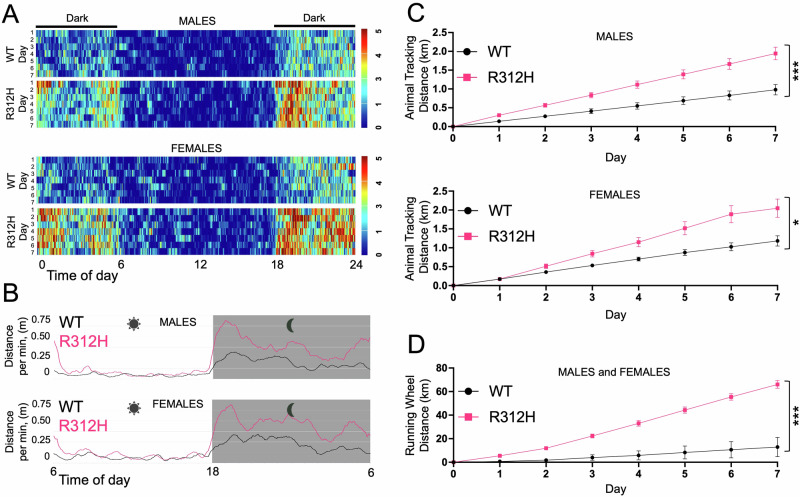
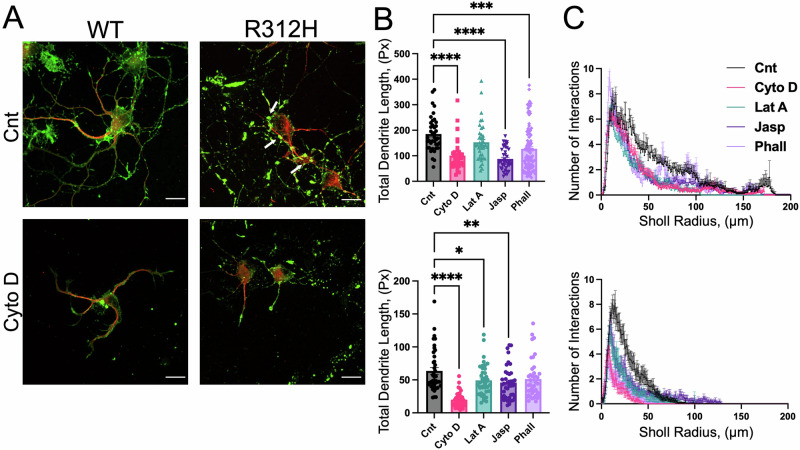
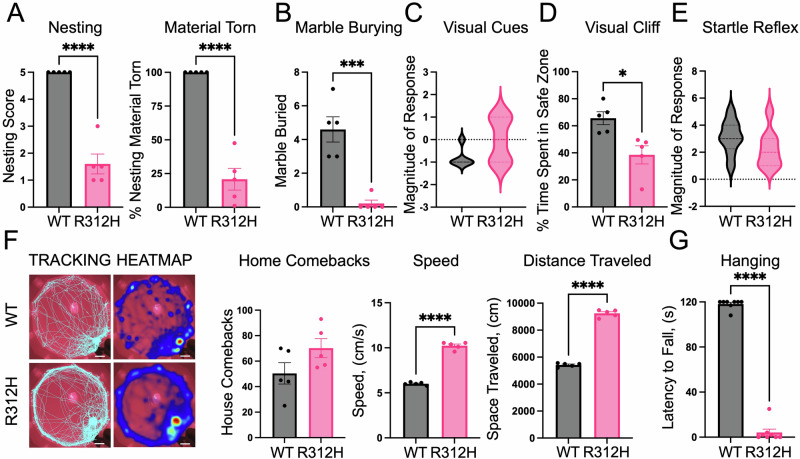
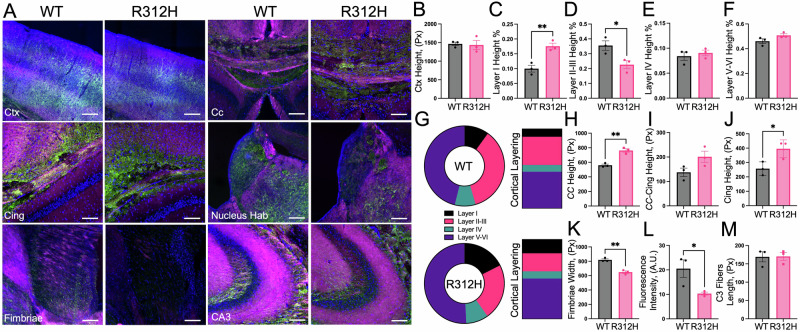
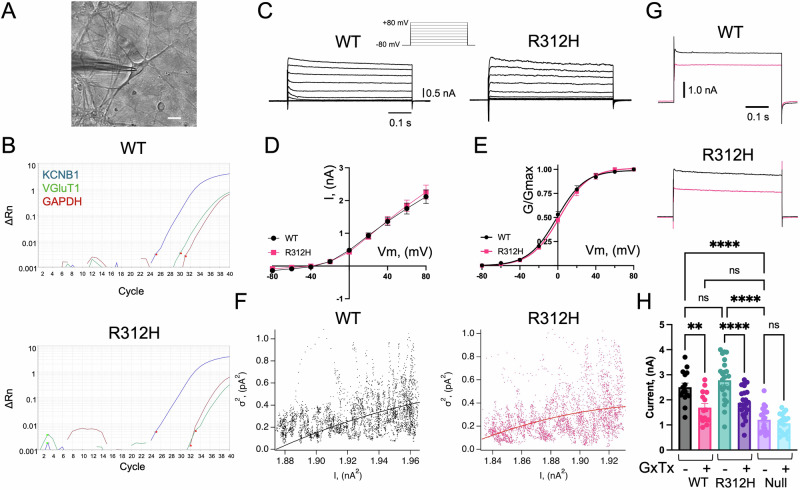
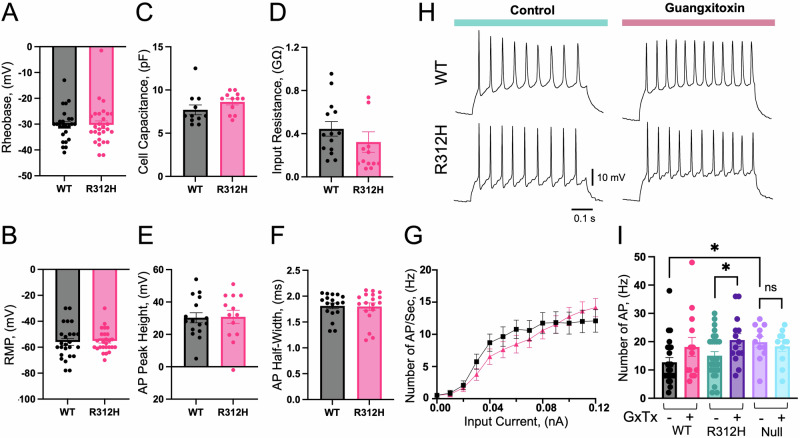
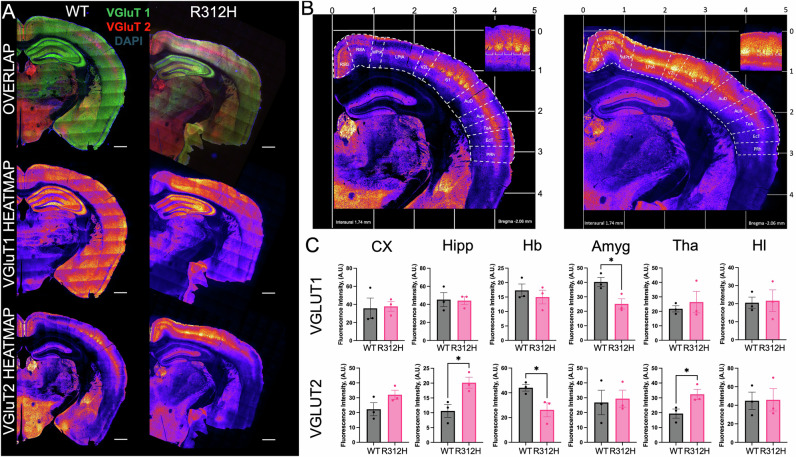
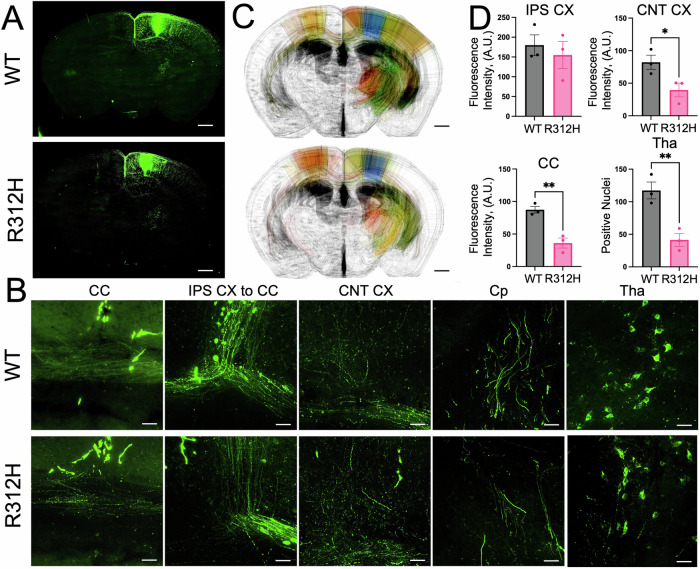
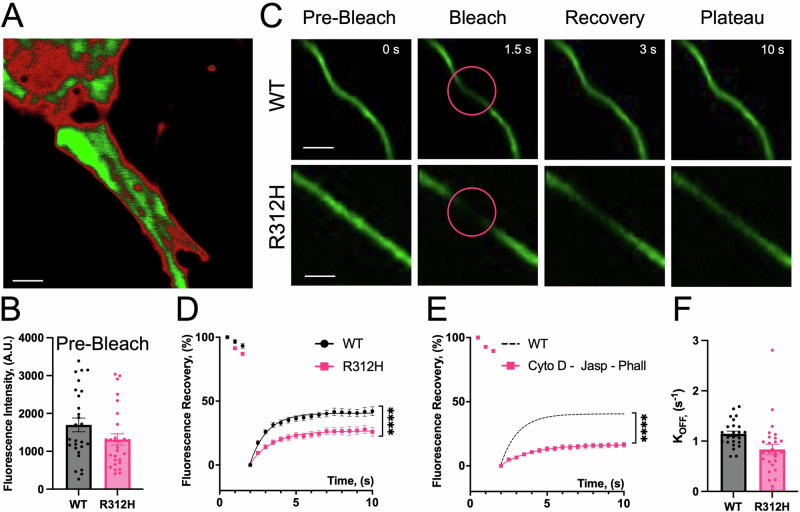
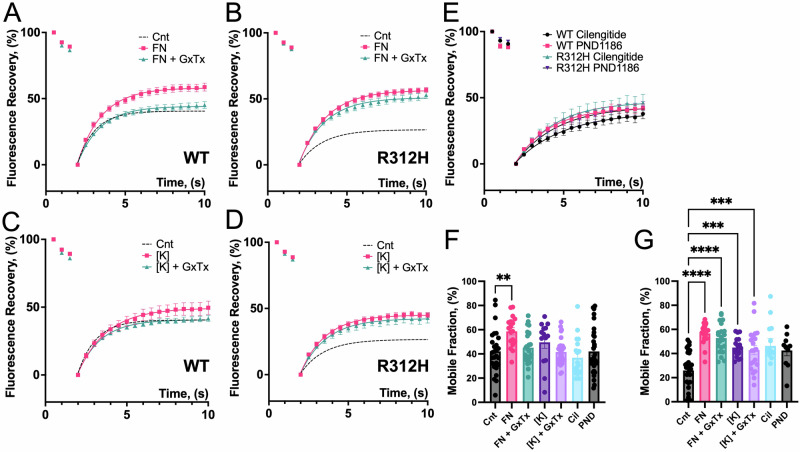
Integrin_K Channel_Complexes (IKCs), are implicated in neurodevelopment and cause developmental and epileptic encephalopathy (DEE) through mechanisms that were poorly understood. Here, we investigate the function of neocortical IKCs formed by voltage-gated potassium (Kv) channels Kcnb1 and α5β5 integrin dimers in wild-type (WT) and homozygous knock-in (KI) Kcnb1 mouse model of DEE. Kcnb1 mice suffer from severe cognitive deficit and compulsive behavior. Their brains show neuronal damage in multiple areas and disrupted corticocortical and corticothalamic connectivity along with aberrant glutamatergic vesicular transport. Surprisingly, the electrical properties of Kcnb1 pyramidal neurons are similar to those of WT neurons, indicating that the arginine to histidine replacement does not affect the conducting properties of the mutant channel. In contrast, fluorescence recovery after photobleaching, biochemistry, and immunofluorescence, reveal marked differences in the way WT and Kcnb1 neurons modulate the remodeling of the actin cytoskeleton, a key player in the processes underlying neurodevelopment. Together these results demonstrate that Kv channels can cause multiple conditions, including epileptic seizures, through mechanisms that do not involve their conducting functions and put forward the idea that the etiology of DEE may be primarily non-ionic.
整合素钾通道复合物(IKCs)与神经发育有关,并通过尚不清楚的机制导致发育性和癫痫性脑病(DEE)。在此,我们研究了在野生型(WT)和纯合敲入(KI)DEE的Kcnb1小鼠模型中,由电压门控钾(Kv)通道Kcnb1和α5β5整合素二聚体形成的新皮质IKCs的功能。Kcnb1小鼠患有严重的认知缺陷和强迫行为。它们的大脑在多个区域显示出神经元损伤,皮质皮质和皮质丘脑连接中断,同时谷氨酸能囊泡运输异常。令人惊讶的是,Kcnb1锥体神经元的电特性与WT神经元相似,这表明精氨酸到组氨酸的替换不会影响突变通道的传导特性。相比之下,光漂白后的荧光恢复、生物化学和免疫荧光显示,WT和Kcnb1神经元在调节肌动蛋白细胞骨架重塑的方式上存在显著差异,肌动蛋白细胞骨架是神经发育过程中的关键参与者。这些结果共同表明,Kv通道可以通过不涉及其传导功能的机制导致多种病症,包括癫痫发作,并提出DEE的病因可能主要是非离子性的观点。