
关于新型冠状病毒、流感病毒和呼吸道合胞病毒感染后重症关键危险因素的叙述性综述
A Narrative Review of Key Risk Factors for Severe Illness Following SARS-CoV-2, Influenza Virus, and Respiratory Syncytial Virus Infection.
作者信息
Branche Angela, Ramesh Mayur, Francis Beverly
机构信息
University of Rochester, Rochester, NY, USA.
Henry Ford Hospital, Detroit, MI, USA.
出版信息
Infect Dis Ther. 2025 Jan;14(Suppl 1):39-61. doi: 10.1007/s40121-024-01081-3. Epub 2024 Dec 30.
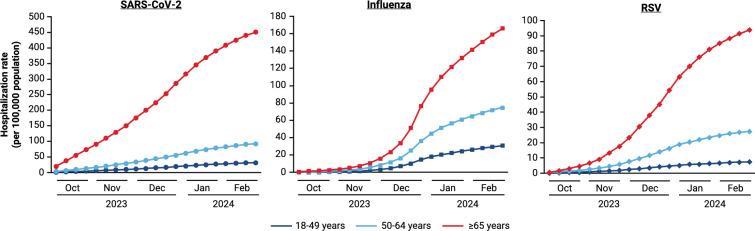
Severe acute respiratory syndrome coronavirus 2 (SARS-CoV-2), influenza, and respiratory syncytial virus (RSV) are highly infectious respiratory viruses that affect people of all ages and are typically associated with mild symptoms and few complications in immunocompetent individuals. However, the risk of severe outcomes (e.g., hospitalization and death) following infection with these respiratory viruses is higher in certain populations, including older adults and individuals of certain race/ethnic and sociodemographic groups. Additionally, immunocompromising conditions and pre-existing comorbidities, including underlying cardiovascular (e.g., congestive heart failure) and respiratory diseases (e.g., chronic obstructive pulmonary disease), diabetes, chronic kidney disease, and obesity, are key factors that predispose individuals to SARS-CoV-2-, influenza-, and RSV-related severe outcomes. Increased risk for severe outcomes associated with advancing age and comorbidities is compounded by residence in long-term care facilities due to the enhanced spread of respiratory infections in congregate living environments. In this narrative review, risk factors associated with severe outcomes following infection with SARS-CoV-2, influenza, and RSV in adult populations are explored. Additionally, distinct clinical outcomes based on underlying comorbidities following infection are discussed in the context of high-risk populations. Factors unique to each virus that underpin distinct risk profiles are described and suggest the potential for tailored surveillance and healthcare approaches to target and ultimately mitigate SARS-CoV-2-, influenza-, and RSV-associated disease burden in vulnerable populations. Mutual risk factors for severe outcomes are also highlighted; these similarities indicate that cohesive risk reduction strategies may also be feasible, particularly since vaccines are available for each of these respiratory viruses. Ultimately, a more thorough understanding of the risk factors that predispose individuals to develop SARS-CoV-2-, influenza-, and RSV-related severe outcomes may improve risk reduction strategies, inform healthcare policy, and contribute to the expansion and refinement of existing surveillance approaches to ultimately mitigate disease burden in vulnerable populations.
严重急性呼吸综合征冠状病毒2(SARS-CoV-2)、流感病毒和呼吸道合胞病毒(RSV)是具有高度传染性的呼吸道病毒,可感染所有年龄段的人群,在免疫功能正常的个体中通常表现为轻度症状且并发症较少。然而,在某些人群中,包括老年人以及特定种族/族裔和社会人口群体的个体,感染这些呼吸道病毒后出现严重后果(如住院和死亡)的风险更高。此外,免疫功能低下的状况和既往并存疾病,包括潜在的心血管疾病(如充血性心力衰竭)和呼吸道疾病(如慢性阻塞性肺疾病)、糖尿病、慢性肾脏病和肥胖,是使个体易发生与SARS-CoV-2、流感和RSV相关严重后果的关键因素。由于呼吸道感染在集体生活环境中的传播加剧,居住在长期护理机构会使与年龄增长和并存疾病相关的严重后果风险进一步增加。在这篇叙述性综述中,探讨了成年人群感染SARS-CoV-2、流感和RSV后与严重后果相关的风险因素。此外,还在高危人群的背景下讨论了基于感染后潜在并存疾病的不同临床结局。描述了每种病毒独特的因素,这些因素构成了不同的风险特征,并表明有可能采取针对性的监测和医疗方法,以针对并最终减轻弱势群体中与SARS-CoV-2、流感和RSV相关的疾病负担。还强调了严重后果的共同风险因素;这些相似之处表明,连贯的风险降低策略可能也是可行的,特别是因为针对这些呼吸道病毒中的每一种都有疫苗可用。最终,更全面地了解使个体易发生与SARS-CoV-2、流感和RSV相关严重后果的风险因素,可能会改善风险降低策略,为医疗政策提供信息,并有助于扩大和完善现有的监测方法,以最终减轻弱势群体的疾病负担。


 Zotero 插件