Xiao Wenqi, Xiang Peng, Liao Wenlong, Xiong Zhuang, Peng Lianxin, Zou Liang, Liu Bingliang, Li Qiang
Key Laboratory of Coarse Cereal Processing, Ministry of Agriculture and Rural Affairs, Sichuan Engineering and Technology Research Center of Coarse Cereal Industrialization, School of Food and Biological Engineering, Chengdu University, Chengdu, Sichuan, China.
Front Plant Sci. 2024 Dec 17;15:1477605. doi: 10.3389/fpls.2024.1477605. eCollection 2024.
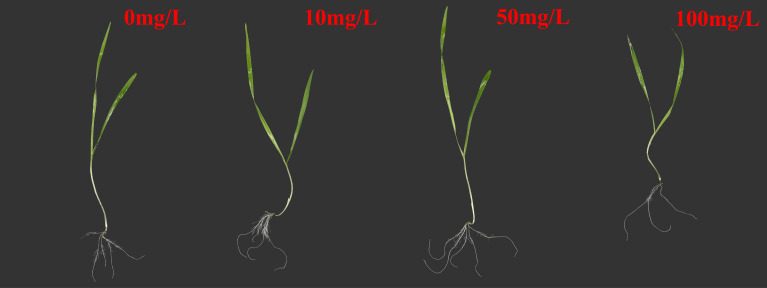
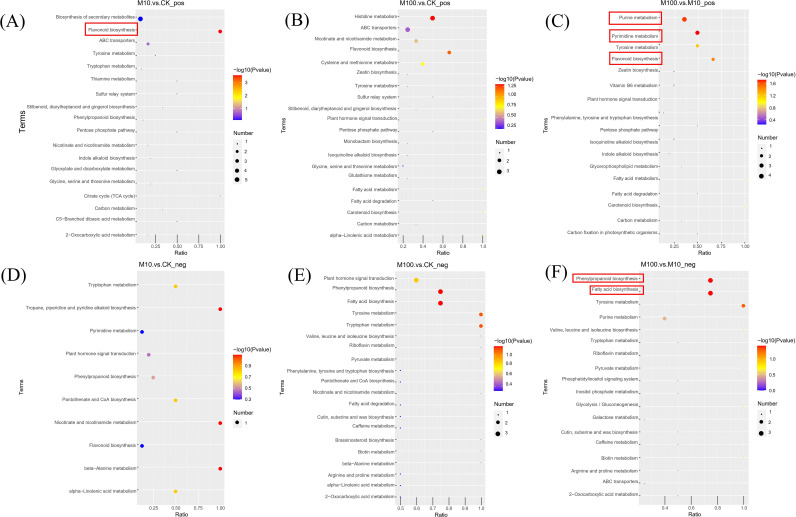
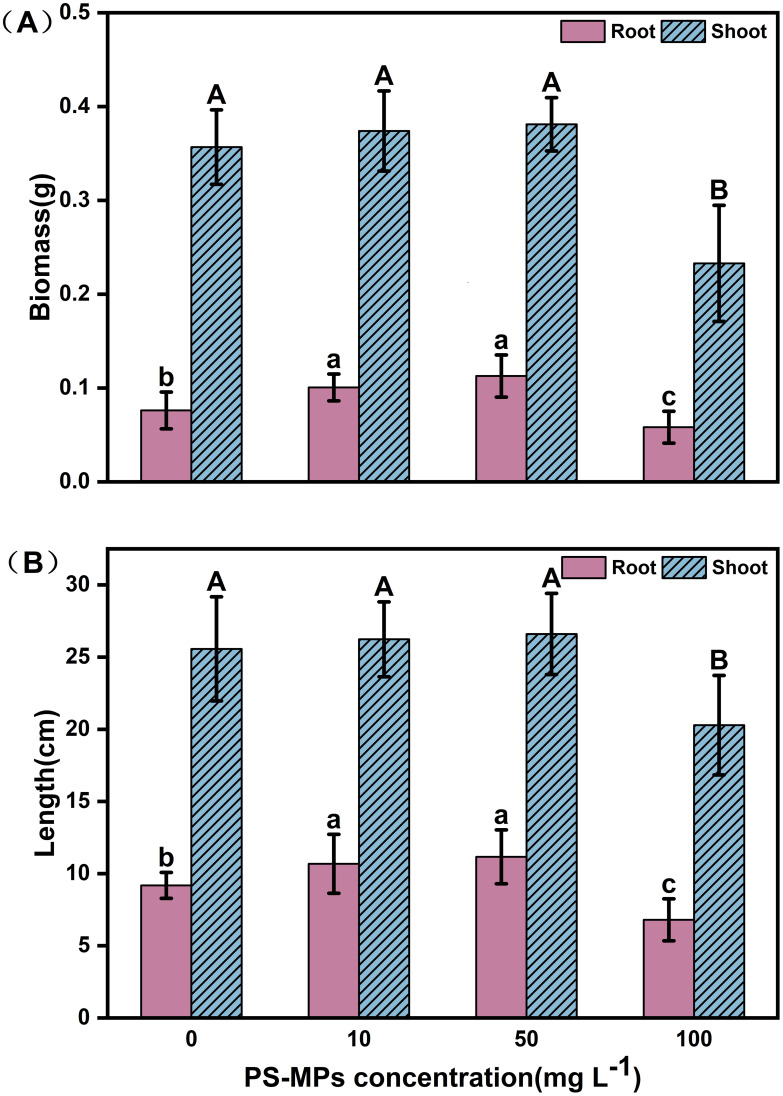
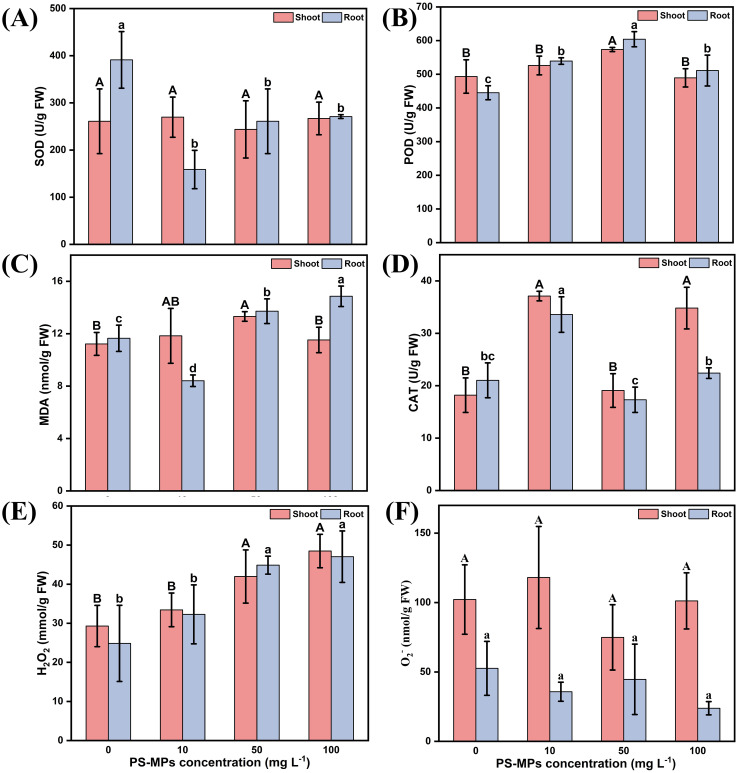
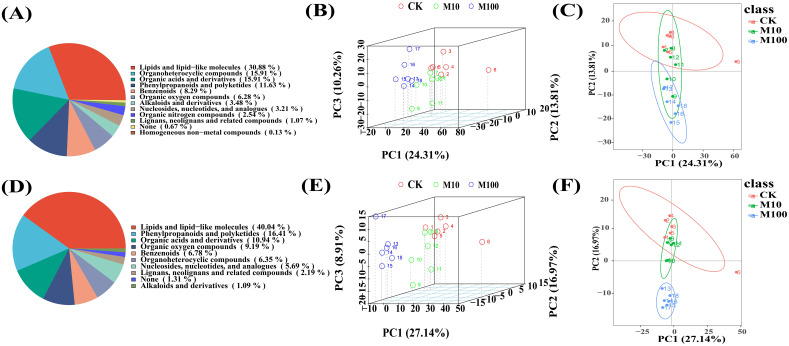
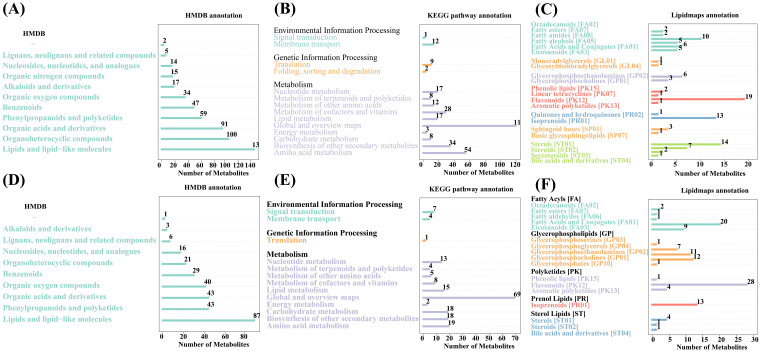
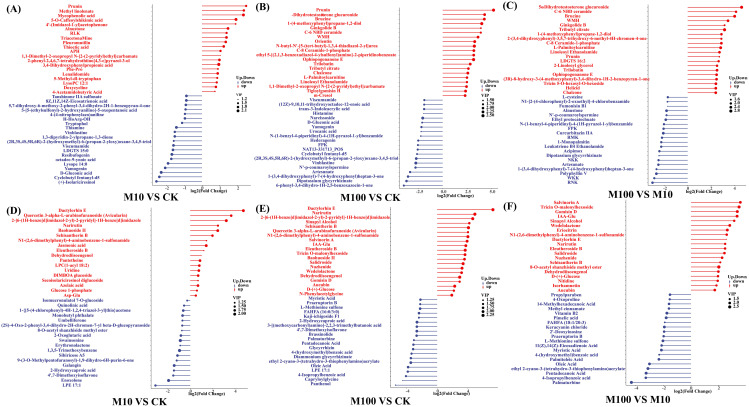
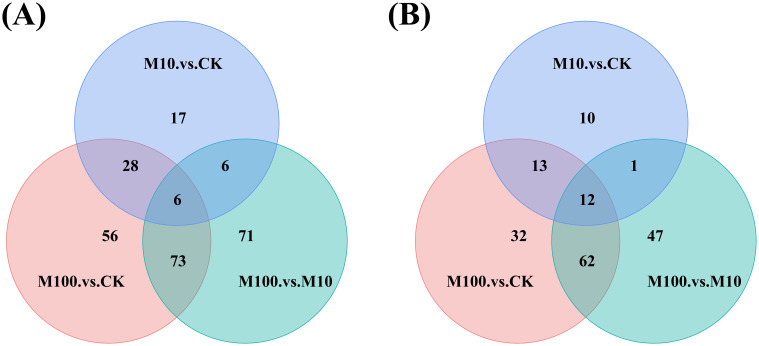
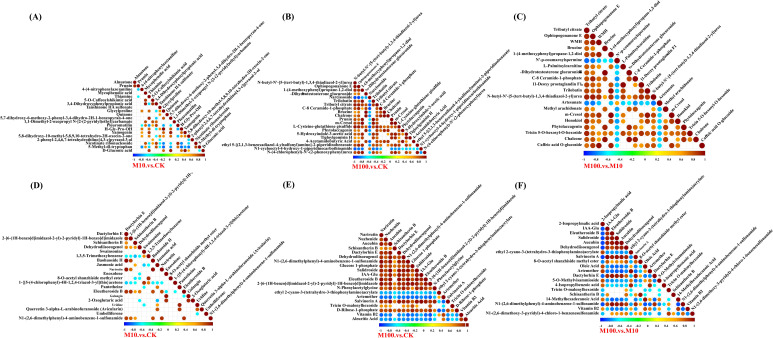
Microplastics are widely present in the environment and can adversely affect plants. In this paper, the effects of different concentrations of microplastics on physiological indices and metabolites of highland barley were investigated for the first time using a metabolomics approach, and revealed the response mechanism of barley seedlings to polystyrene microplastics (PS-MPs) was revealed. The results showed that the aboveground biomass of highland barley exposed to low (10 mg/L) and medium (50 mg/L) concentrations of PS-MPs increased by 32.2% and 48.2%, respectively. The root length also increased by 16.4% and 21.6%, respectively. However, the aboveground biomass of highland barley exposed to high (100 mg/L) concentrations of PS-MPs decreased by 34.8%, leaf length by 20.7%, and root length by 25.9%. Microplastic exposure increased the levels of antioxidant activity, suggesting that highland barley responds to microplastic stress through oxidative stress. Metabolome analysis revealed that the contents of 4 metabolites increased significantly with increasing PS-MPs concentration in positive ionmode, while the contents of 8 metabolites increased significantly with increasing PS-MPs concentration in negative ionmode ( < 0.05), including prunin, dactylorhin E, and schisantherin B. Additionally, PS-MPs significantly interfered with highland barley flavonoid biosynthesis, pyrimidine metabolism, purine metabolism, fatty acid biosynthesis, and phenylpropanoid biosynthesis metabolic pathways. This study provides a new theoretical basis for a deeper understanding of the effects of different concentrations of PS-MPs on highland barley.
微塑料广泛存在于环境中,会对植物产生不利影响。本文首次采用代谢组学方法研究了不同浓度微塑料对青稞生理指标和代谢产物的影响,揭示了大麦幼苗对聚苯乙烯微塑料(PS-MPs)的响应机制。结果表明,暴露于低浓度(10 mg/L)和中浓度(50 mg/L)PS-MPs的青稞地上生物量分别增加了32.2%和48.2%。根长也分别增加了16.4%和21.6%。然而,暴露于高浓度(100 mg/L)PS-MPs的青稞地上生物量减少了34.8%,叶长减少了20.7%,根长减少了25.9%。微塑料暴露增加了抗氧化活性水平,表明青稞通过氧化应激响应微塑料胁迫。代谢组分析显示,在正离子模式下,4种代谢产物的含量随PS-MPs浓度增加而显著增加,而在负离子模式下(<0.05),8种代谢产物的含量随PS-MPs浓度增加而显著增加,包括樱草苷、毛地黄苷E和五味子酯乙。此外,PS-MPs显著干扰了青稞黄酮生物合成、嘧啶代谢、嘌呤代谢、脂肪酸生物合成和苯丙烷生物合成代谢途径。本研究为深入了解不同浓度PS-MPs对青稞的影响提供了新的理论依据。