Van Loo Liselotte, Cools Bjorn, Dereymaeker Anneleen, Jansen Katrien
Department of Development and Regeneration, KU Leuven, Leuven, Belgium.
Department of Pediatrics, University Hospitals Leuven, Leuven, Belgium.
Front Neurol. 2024 Dec 18;15:1502762. doi: 10.3389/fneur.2024.1502762. eCollection 2024.
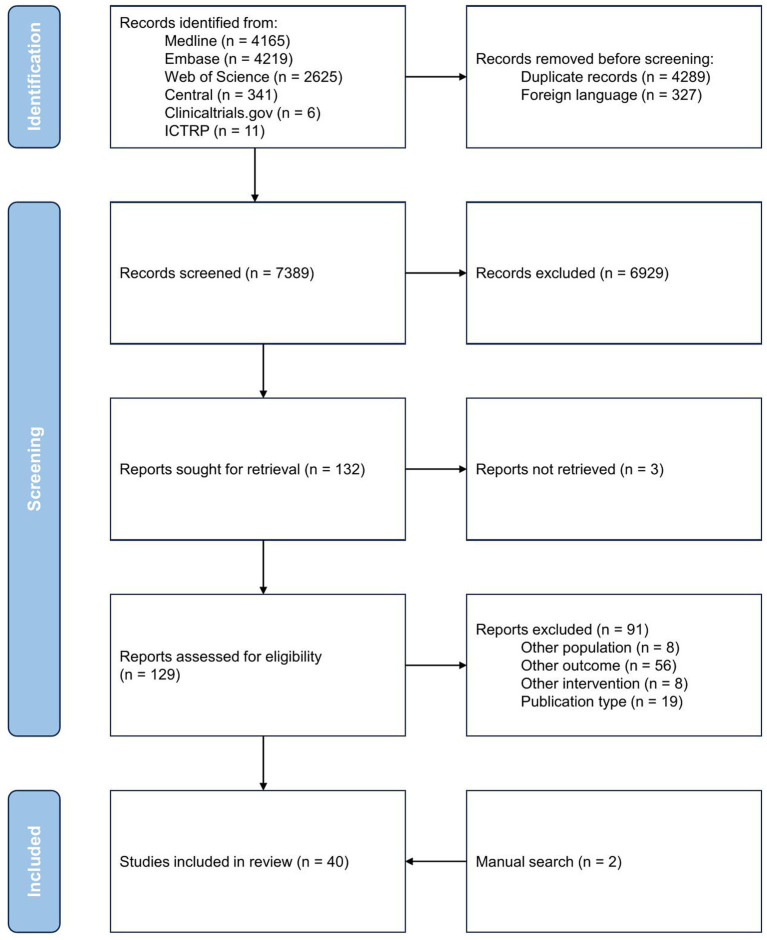
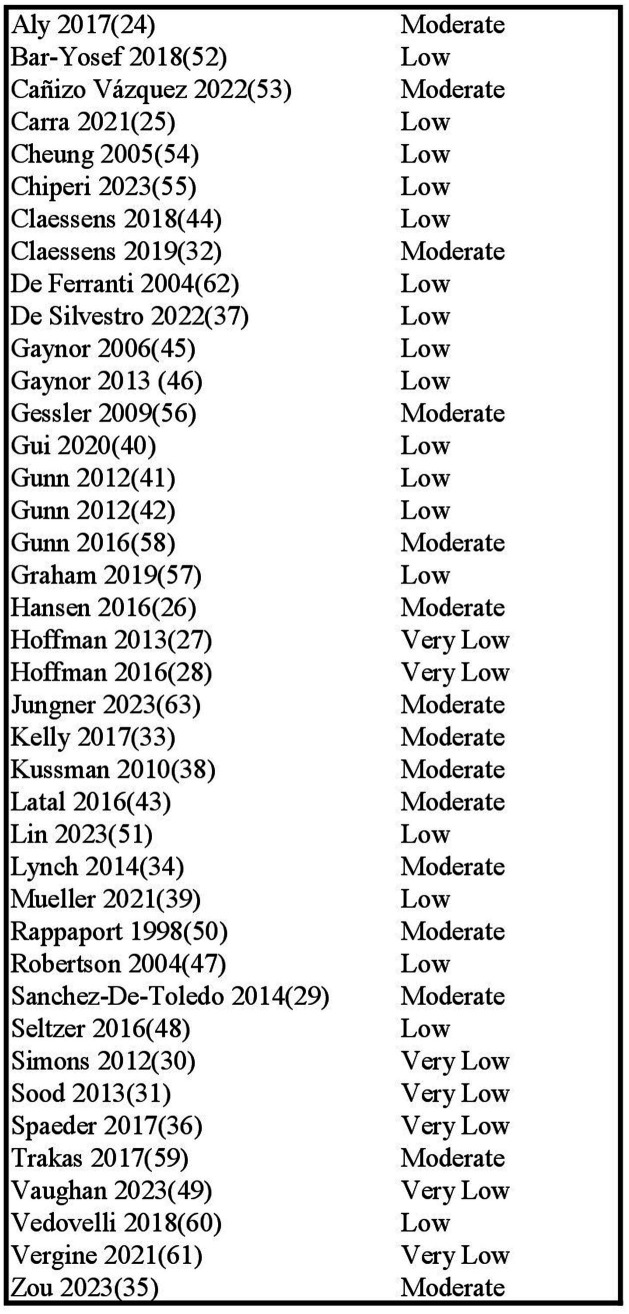
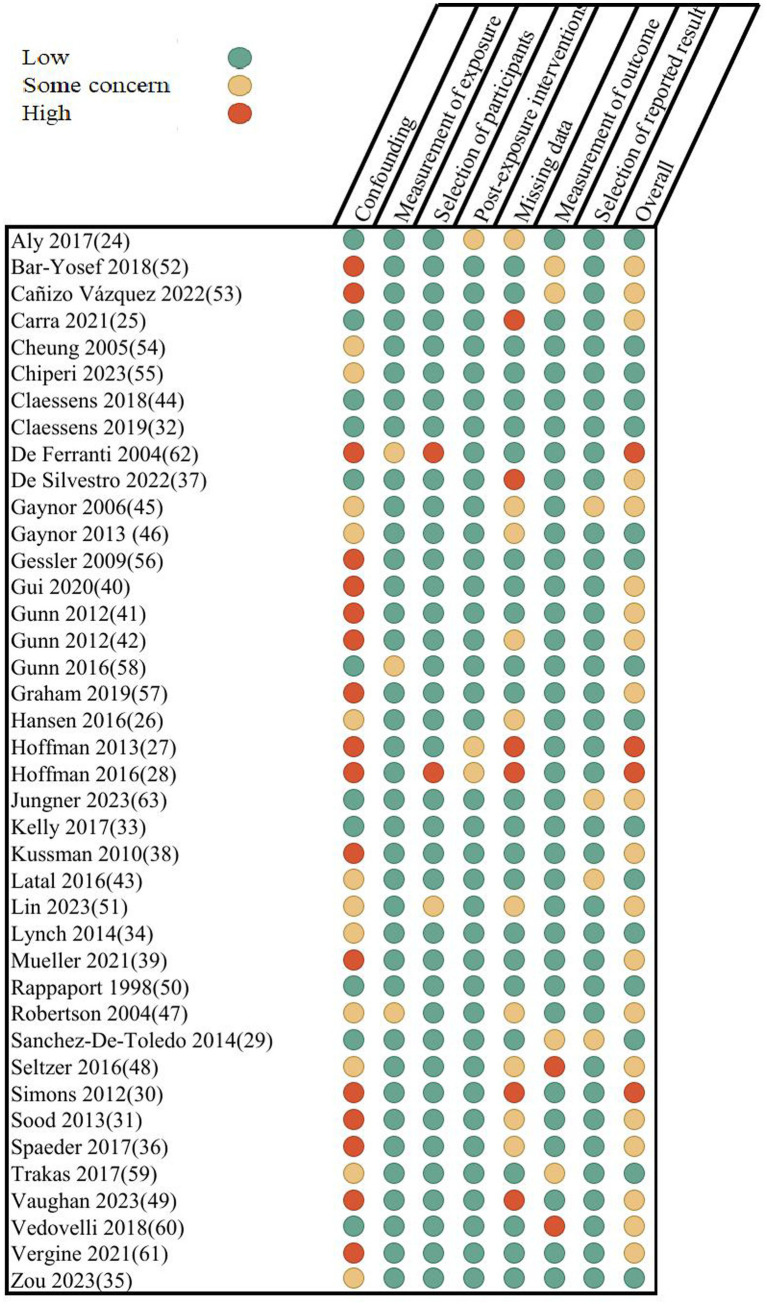
The increased risk of neurodevelopmental impairment in children with congenital heart disease (CHD) has been established, but the search for targeted neurological predictors of adverse outcome is ongoing. This systematic review reports on the utility of three functional neuromonitoring modalities, Near-infrared Spectroscopy (NIRS), electroencephalography (EEG) and biochemical biomarkers, in predicting either clinical neurodevelopmental outcome or structural brain abnormalities after pediatric CHD surgery. Medline, Embase, CENTRAL, Web of Science, clinicaltrials.gov and ICTRP were systematically searched for eligible articles. Original research articles, written in English, published before November 2023 and reporting on perioperative NIRS, EEG or biomarkers and their association with clinical neurodevelopmental outcome or neuroimaging in children <17 years undergoing surgery for CHD were included. The search yielded 11,367 citations, of which 40 papers were included in the final review: sixteen articles ( = 908 cases) reported on NIRS, twelve ( = 1,163) on EEG and fifteen ( = 903) on biochemical biomarkers. Three papers reported on a combination of modalities. Median age at time of surgery was 9 (IQR 7-57) days. Postoperative MRI was performed before discharge at varying timepoints. Median age at clinical outcome assessment was 15 (IQR 12-24) months. Limited evidence supports an association of cerebral oxygen extraction, cerebral desaturation and cerebral autoregulation with outcome, but there was significant heterogeneity in results. Perioperative electroencephalographic ictal discharges and abnormal background were associated with impaired neurological outcome and abnormal neuroimaging. Numerous biochemical biomarkers have been reported but showed no consistent relationship with outcome, except for lactate, which could serve as a predictor of poor outcome. There is a need for larger homogeneous cohorts of children with CHD to determine which perioperative modalities might serve as predictors of neurodevelopmental outcome or neuroimaging abnormalities.
http://www.crd.york.ac.uk/PROSPERO, CRD42023479344.
先天性心脏病(CHD)患儿神经发育障碍风险增加已得到证实,但寻找不良结局的针对性神经学预测指标的工作仍在进行中。本系统评价报告了三种功能神经监测方式,即近红外光谱(NIRS)、脑电图(EEG)和生化生物标志物,在预测小儿CHD手术后临床神经发育结局或脑结构异常方面的效用。对Medline、Embase、CENTRAL、Web of Science、clinicaltrials.gov和ICTRP进行了系统检索,以查找符合条件的文章。纳入2023年11月之前发表的、用英文撰写的、报告围手术期NIRS、EEG或生物标志物及其与17岁以下接受CHD手术儿童的临床神经发育结局或神经影像学关联的原创研究文章。检索共获得11367条引文,其中40篇论文纳入最终评价:16篇文章(n = 908例)报告了NIRS,12篇(n = 1163)报告了EEG,15篇(n = 903)报告了生化生物标志物。3篇论文报告了多种方式的联合应用。手术时的中位年龄为9(四分位间距7 - 57)天。出院前在不同时间点进行了术后MRI检查。临床结局评估时的中位年龄为15(四分位间距12 - 24)个月。有限的证据支持脑氧摄取、脑去饱和和脑自动调节与结局之间的关联,但结果存在显著异质性。围手术期脑电图发作期放电和背景异常与神经功能结局受损和神经影像学异常相关。已报告了众多生化生物标志物,但除乳酸外,与结局均无一致关系,乳酸可作为不良结局的预测指标。需要更大规模的CHD患儿同质队列,以确定哪些围手术期方式可作为神经发育结局或神经影像学异常的预测指标。