Soltani Monire, Shahsavani Abbas, Hopke Philip K, Bakhtiarvand Nadali Alavi, Abtahi Mehrnoosh, Rahmatinia Masoumeh, Kermani Majid
Department of Environmental Health Engineering, School of Public Health and Safety, Shahid Beheshti University of Medical Sciences, Tehran, Iran.
Air Quality and Climate Change Research Center, Research Institute for Health Sciences and Environment, Shahid Beheshti University of Medical Sciences, Tehran, Iran.
Sci Rep. 2025 Jan 2;15(1):458. doi: 10.1038/s41598-024-84784-4.
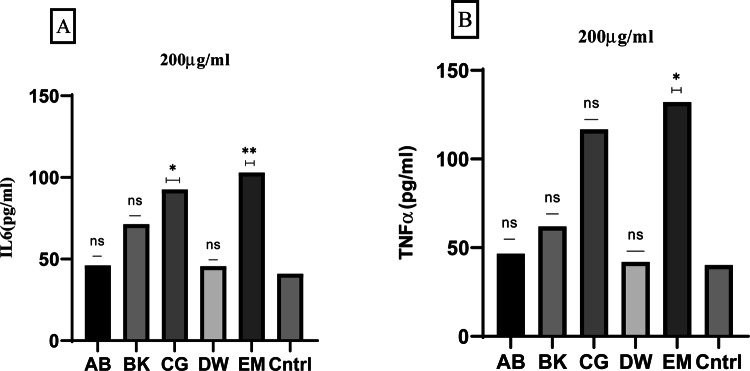
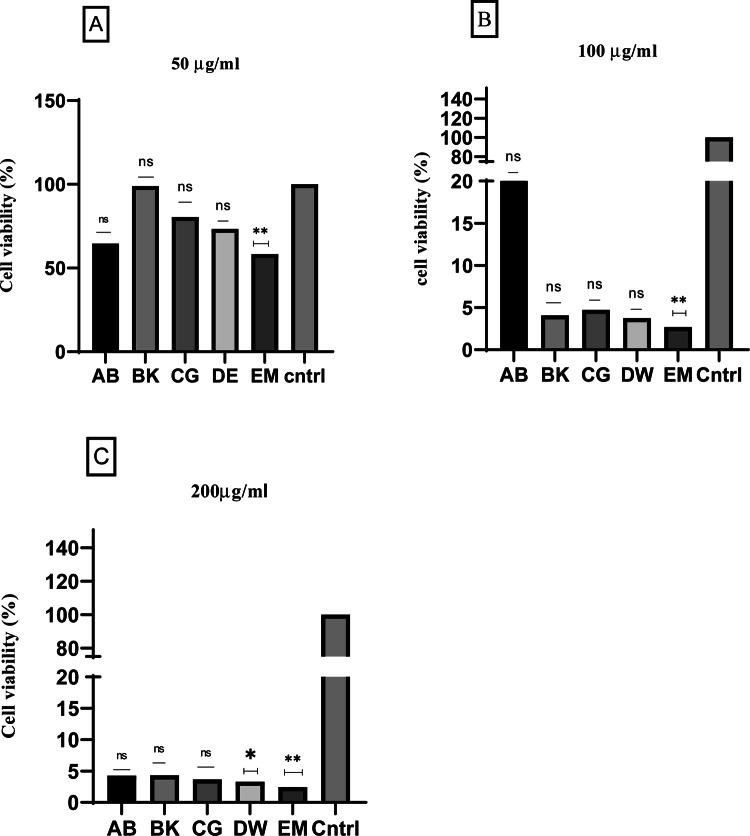
Cigarette filter microplastics are composed of cellulose acetate that does not undergo biological or photo-degradation. These microplastics are readily dispersed and can be found abundantly in water, soil, and air. These fibers possess high absorption capabilities, allowing them to collect and retain pollutants such as toxic elements. As a result, they are regarded as potential dangers to living organisms. The purpose of this study was to analyze the immune response of human peripheral blood mononuclear cells (PBMCs) when exposed to cigarette filter microfibers, measuring the secretion of the inflammatory cytokines TNFα (tumor necrosis factor-alpha) and IL-6 (interleukin-6). In this study, we examined how used cigarette cellulose acetate microfibers affect the viability of peripheral blood mononuclear cells in an appropriate culture medium at three concentrations: 50, 100, and 200 µg/ml. In addition, this study investigated the release of inflammatory cytokines TNFα and IL6 from PBMCs exposed to 200 µg/ml cigarette filter cellulose acetate. The results showed that increasing the concentration of cellulose acetate fibers of one of the brands in the culture medium has a significant effect on reducing cell viability. The 200 µg/ml in DW is more effective than 50 and 100 µg/ml in reducing cell viability. Peripheral blood mononuclear cells showed an inflammatory immune response when exposed to 200 µg/ml cellulose acetate from cigarette filters. They produced inflammatory cytokines that showed a significant increase compared to the control sample. In general, it can be concluded that cellulose acetate fibers in contact with body cells stimulate them and cause an inflammatory response.
香烟过滤嘴微塑料由不会发生生物降解或光降解的醋酸纤维素组成。这些微塑料很容易分散,在水、土壤和空气中大量存在。这些纤维具有高吸附能力,能够收集和保留有毒元素等污染物。因此,它们被视为对生物体的潜在危险。本研究的目的是分析人类外周血单核细胞(PBMCs)暴露于香烟过滤嘴微纤维时的免疫反应,测量炎性细胞因子肿瘤坏死因子α(TNFα)和白细胞介素6(IL - 6)的分泌。在本研究中,我们检测了使用过的香烟醋酸纤维素微纤维在三种浓度(50、100和200μg/ml)下,在合适的培养基中对外周血单核细胞活力的影响。此外,本研究还调查了暴露于200μg/ml香烟过滤嘴醋酸纤维素的PBMCs中炎性细胞因子TNFα和IL - 6的释放情况。结果表明,增加培养基中某一品牌醋酸纤维素纤维的浓度对降低细胞活力有显著影响。在去离子水中200μg/ml的浓度比50和100μg/ml在降低细胞活力方面更有效。外周血单核细胞在暴露于200μg/ml香烟过滤嘴醋酸纤维素时表现出炎性免疫反应。它们产生的炎性细胞因子与对照样品相比显著增加。总体而言,可以得出结论,与体细胞接触的醋酸纤维素纤维会刺激细胞并引发炎症反应。