Wang Jingyun, Gao Rong, Qi Jian, Xing Yingru, Hong Bo, Wang Hongzhi, Nie Jinfu
School of Medicine, Anhui University of Science and Technology, Huainan, China.
School of Basic Medical Sciences, Anhui Medical University, Hefei, Anhui, China.
Front Genet. 2024 Dec 19;15:1437715. doi: 10.3389/fgene.2024.1437715. eCollection 2024.
Investigate the predictive value of Vasculogenic mimicry (VM) related genes for the survival and prognosis of Hepatocellular carcinoma (HCC) patients and its role in the tumor microenvironment (TME).
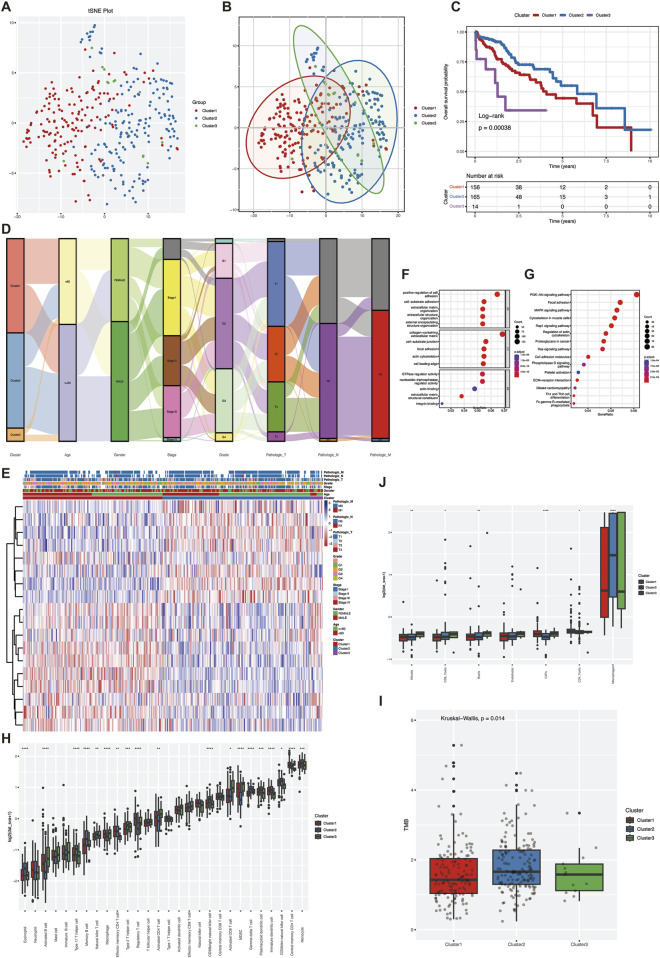
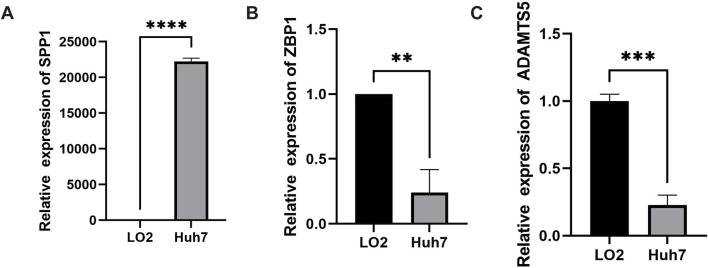
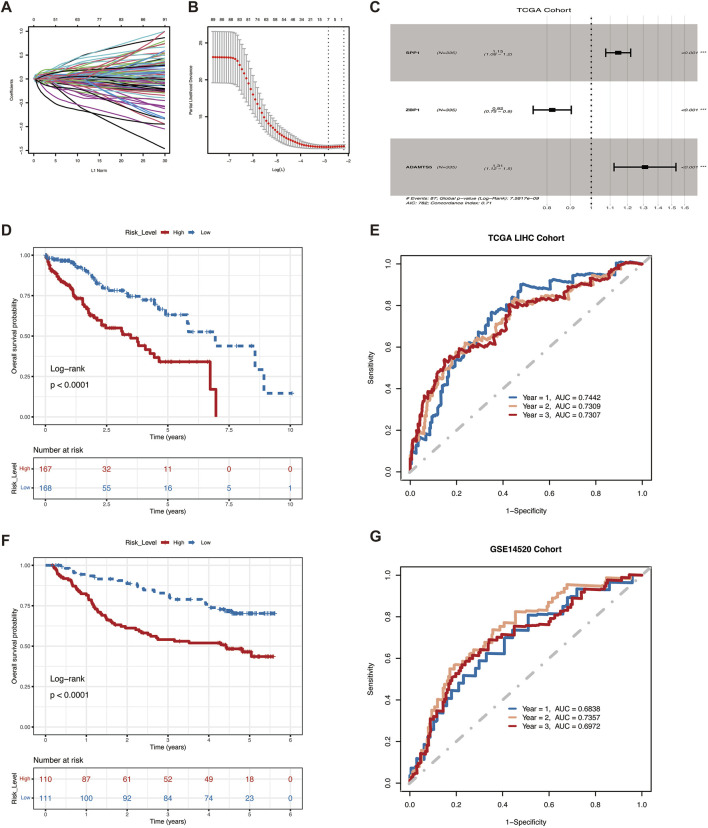
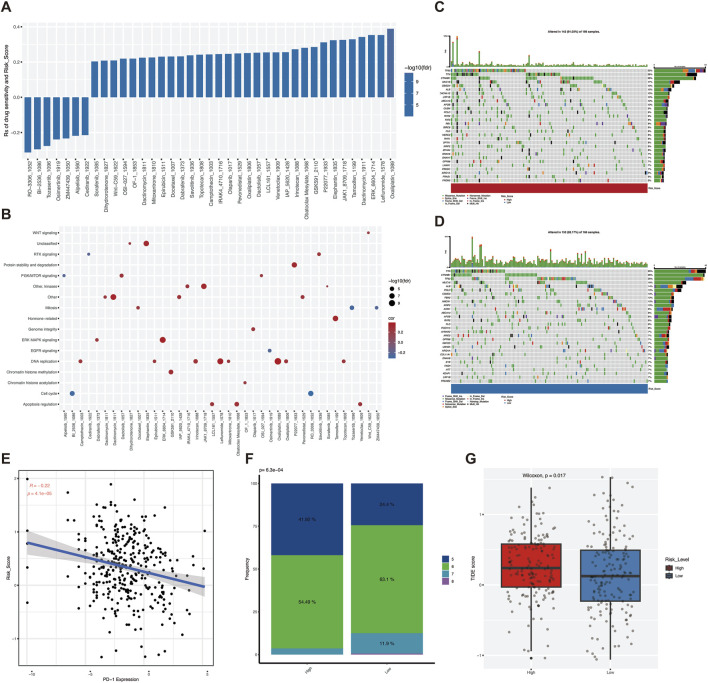
VM-related genes were obtained from previous literature, the expression profiles, single-cell data and clinical information of HCC patients were downloaded from public databases. The HCC patients were divided into different clusters by unsupervised clustering, the differences in prognosis and immune characteristics of VM-related clusters were analyzed. A prognostic model related to VM (VM Score) was constructed based on LASSO regression and univariate and multivariate Cox regression, the correlation between this model and chemotherapy drugs and immunotherapy was studied. Seurat package was used to standardize single-cell data for single-cell level analysis. The expression of risk factors in VM Score was verified by RT-qPCR.
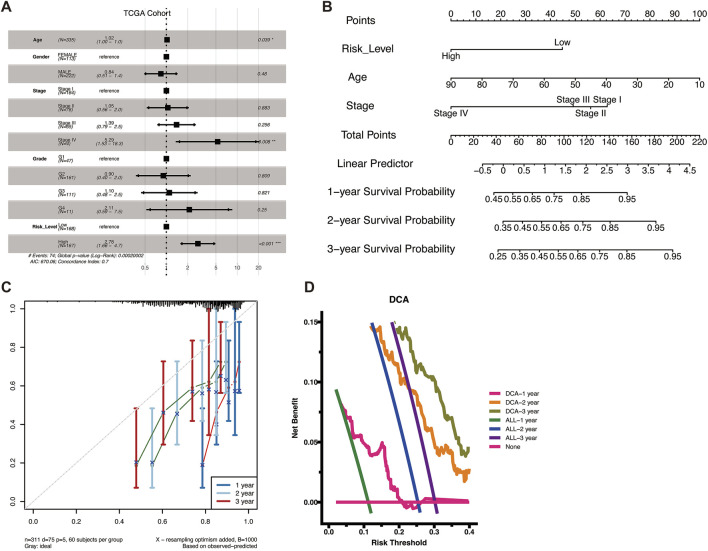
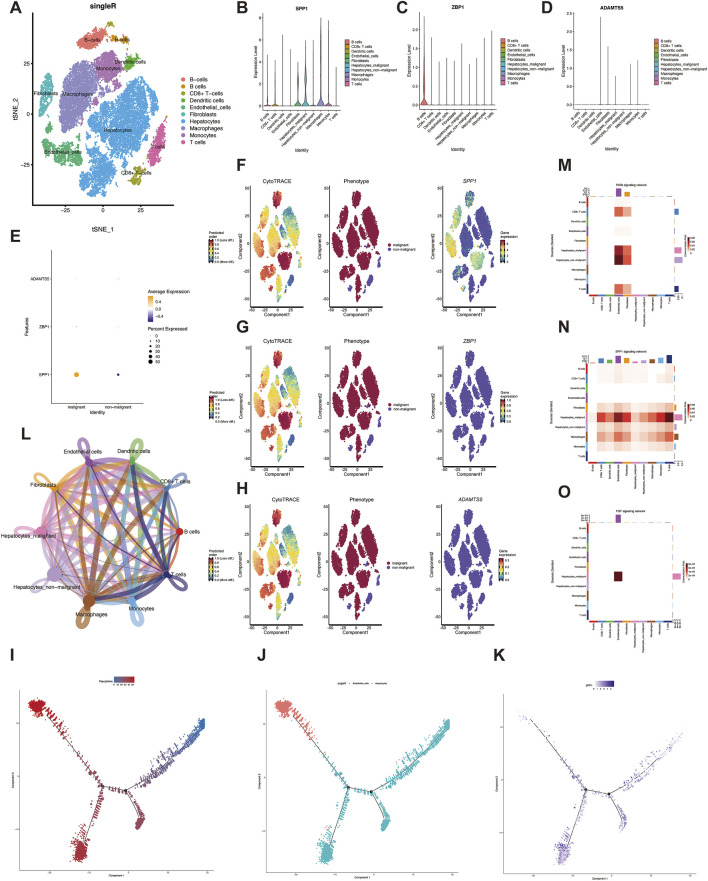
VM Score composed of SPP1, ADAMTS5 and ZBP1 was constructed and validated. VM Score was an independent prognostic factor for HCC. Through the analysis of single cell data further reveals the VM Score influence on TME. In addition, VM Score could provide ideas for the selection of immunotherapy and chemotherapy drugs. RT-qPCR showed that the expression of risk factors was different in HCC cell lines.
Our results suggest that VM Score may serve as a promising prognostic biomarker for HCC and provide new ideas for immunotherapy in HCC patients.
研究血管生成拟态(VM)相关基因对肝细胞癌(HCC)患者生存及预后的预测价值及其在肿瘤微环境(TME)中的作用。
从既往文献中获取VM相关基因,从公共数据库下载HCC患者的表达谱、单细胞数据及临床信息。通过无监督聚类将HCC患者分为不同簇,分析VM相关簇的预后及免疫特征差异。基于LASSO回归以及单因素和多因素Cox回归构建与VM相关的预后模型(VM评分),研究该模型与化疗药物及免疫治疗的相关性。使用Seurat软件包对单细胞数据进行标准化以进行单细胞水平分析。通过RT-qPCR验证VM评分中危险因素的表达。
构建并验证了由SPP1、ADAMTS5和ZBP1组成的VM评分。VM评分是HCC的独立预后因素。通过单细胞数据分析进一步揭示了VM评分对TME的影响。此外,VM评分可为免疫治疗和化疗药物的选择提供思路。RT-qPCR显示危险因素在HCC细胞系中的表达存在差异。
我们的结果表明,VM评分可能是一种有前景的HCC预后生物标志物,并为HCC患者的免疫治疗提供新思路。