Ma Yixuan, Huang Yimin, Liu Xuyang, Jiao Liwu, Zhu Hongtao, Chen Zhiye, Wu Zhuojin, Shen Yuanzhong, Lin Kehan, Hu Feng, Shu Kai
Department of Neurosurgery, Tongji Hospital, Tongji Medical College, Huazhong University of Science and Technology, Wuhan, Hubei 430030, P.R. China.
Int J Mol Med. 2025 Mar;55(3). doi: 10.3892/ijmm.2025.5482. Epub 2025 Jan 3.
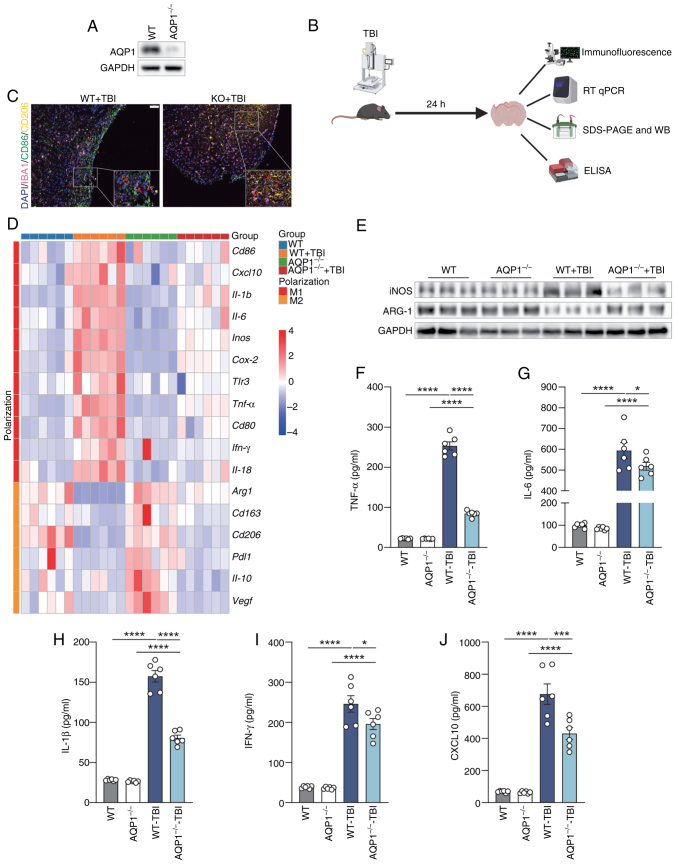
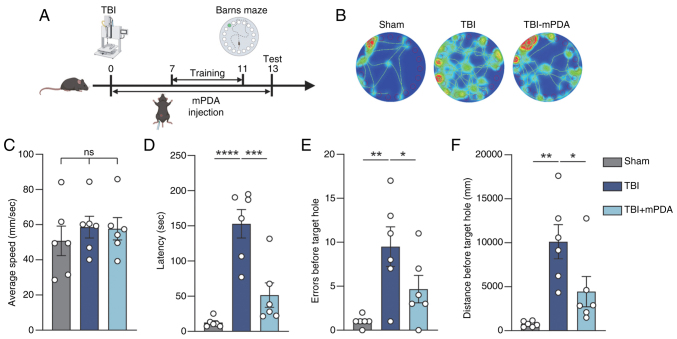
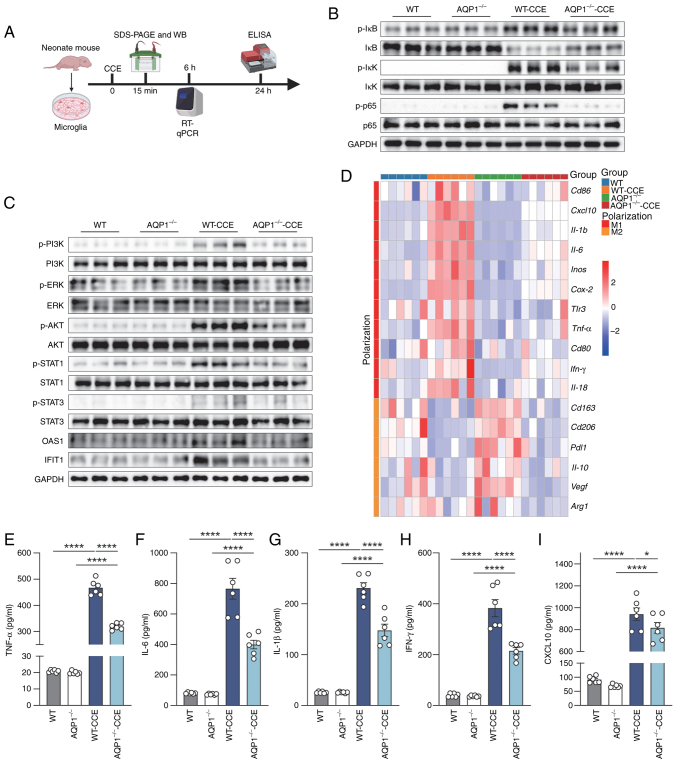
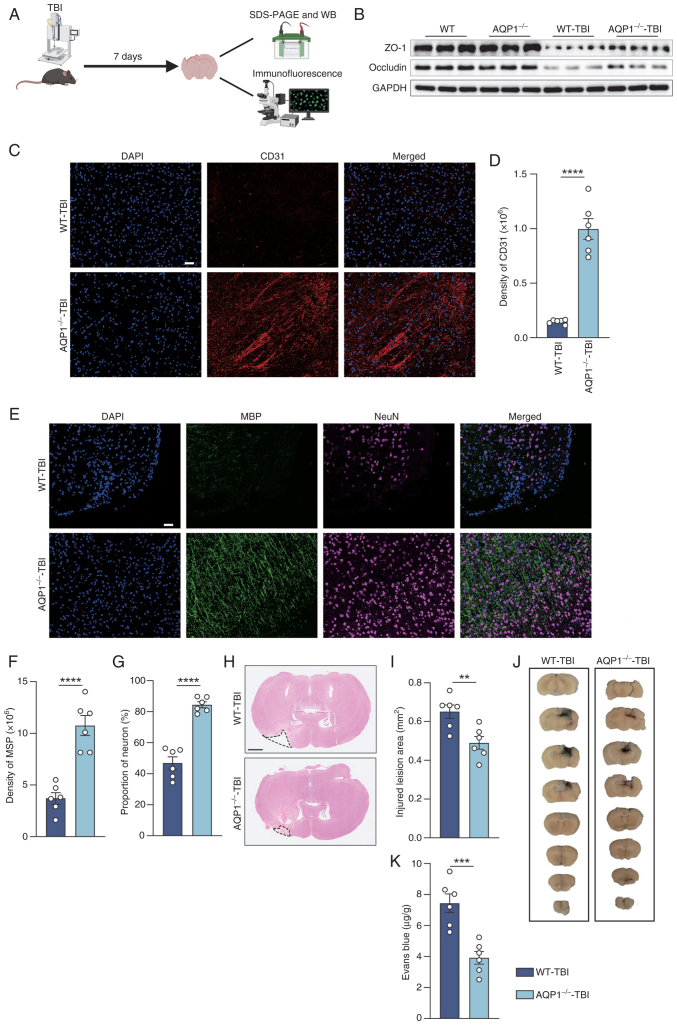
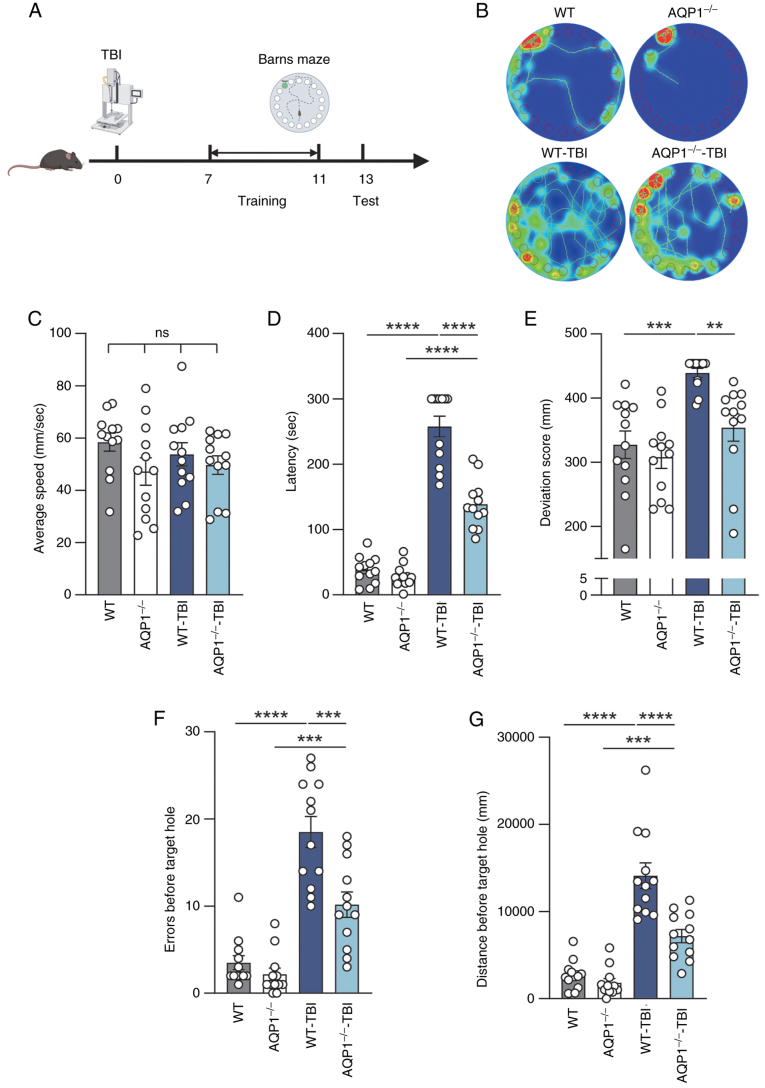
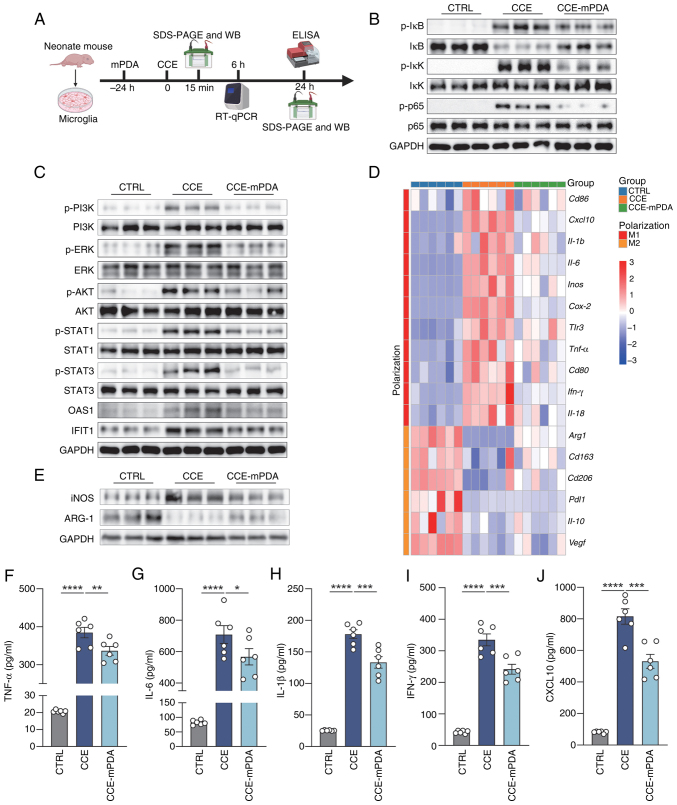
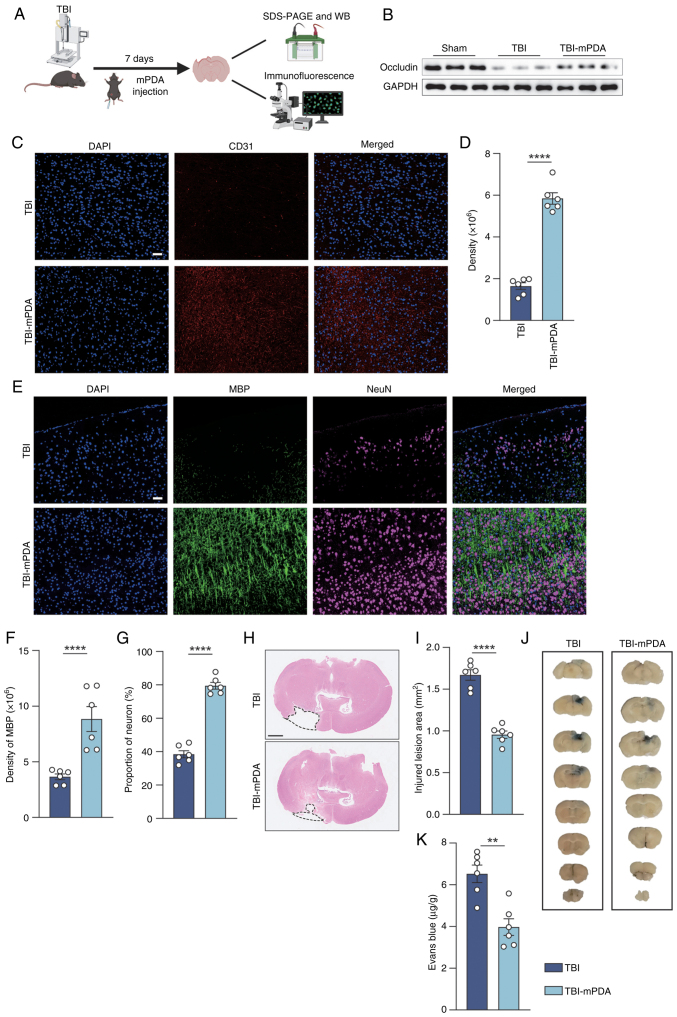
The present study investigated the mechanisms by which aquaporin 1 (AQP1) influences microglial polarization and neuroinflammatory processes in traumatic brain injury (TBI). A model of TBI was generated in AQP1‑knockout mice to assess the impact of AQP1 deletion on inflammatory cytokine release, neuronal damage and cognitive function. Immunofluorescence, reverse transcription‑quantitative PCR, western blotting and enzyme‑linked immunosorbent assay were employed to evaluate pro‑inflammatory and anti‑inflammatory markers. Behavioral assessments, including the Barnes maze, were performed to determine cognitive outcomes. Moreover, AQP1 knockout inhibited the activation of inflammation‑related signaling pathways, including nuclear factor‑κB, Janus kinase/signal transducer and activator of transcription, phosphoinositide 3‑kinase/protein kinase B and extracellular signal‑regulated kinase/mitogen‑activated protein kinase pathways. Further studies indicated that the AQP1 inhibitor m‑phenylenediacrylic acid demonstrated significant neuroprotective effects in a mouse model of TBI. These findings suggested that AQP1 may be essential in post‑TBI inflammatory responses and neuronal injury, establishing a theoretical foundation for future therapies aimed at AQP1.
本研究调查了水通道蛋白1(AQP1)影响创伤性脑损伤(TBI)中微胶质细胞极化和神经炎症过程的机制。在AQP1基因敲除小鼠中建立TBI模型,以评估AQP1缺失对炎性细胞因子释放、神经元损伤和认知功能的影响。采用免疫荧光、逆转录定量PCR、蛋白质印迹法和酶联免疫吸附测定法评估促炎和抗炎标志物。进行包括巴恩斯迷宫试验在内的行为评估以确定认知结果。此外,AQP1基因敲除抑制了炎症相关信号通路的激活,包括核因子κB、Janus激酶/信号转导子和转录激活子、磷酸肌醇3激酶/蛋白激酶B以及细胞外信号调节激酶/丝裂原活化蛋白激酶通路。进一步的研究表明,AQP1抑制剂间苯二甲酸二丙烯酸酯在TBI小鼠模型中表现出显著的神经保护作用。这些发现表明,AQP1可能在TBI后的炎症反应和神经元损伤中起关键作用,为未来针对AQP1的治疗奠定了理论基础。