Department of Neurosurgery, Second Affiliated Hospital, School of Medicine, Zhejiang University, 88 Jiefang Road, Hangzhou, 310009, Zhejiang, China.
Department of Neurosurgery, Sir Run Run Shaw Hospital, School of Medicine, Zhejiang University, Hangzhou, Zhejiang, China.
J Neuroinflammation. 2021 Jan 5;18(1):2. doi: 10.1186/s12974-020-02041-7.
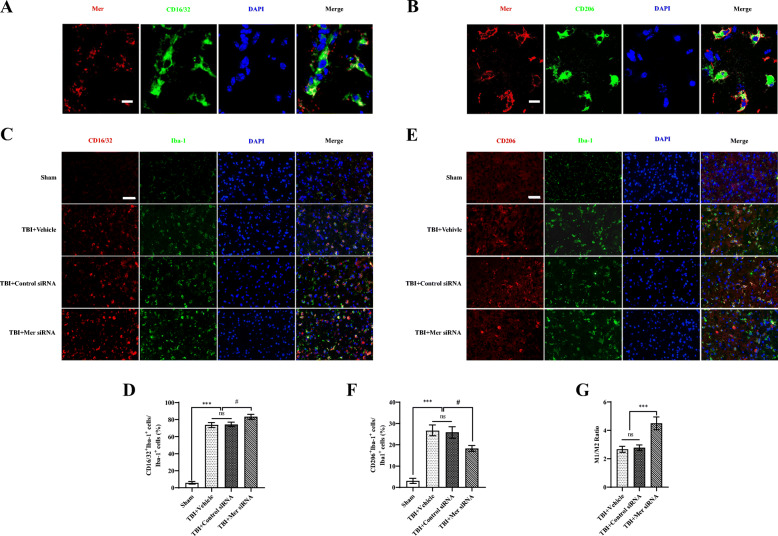
Traumatic brain injury (TBI) is a leading cause of death and disability worldwide. Microglial/macrophage activation and neuroinflammation are key cellular events following TBI, but the regulatory and functional mechanisms are still not well understood. Myeloid-epithelial-reproductive tyrosine kinase (Mer), a member of the Tyro-Axl-Mer (TAM) family of receptor tyrosine kinases, regulates multiple features of microglial/macrophage physiology. However, its function in regulating the innate immune response and microglial/macrophage M1/M2 polarization in TBI has not been addressed. The present study aimed to evaluate the role of Mer in regulating microglial/macrophage M1/M2 polarization and neuroinflammation following TBI.
The controlled cortical impact (CCI) mouse model was employed. Mer siRNA was intracerebroventricularly administered, and recombinant protein S (PS) was intravenously applied for intervention. The neurobehavioral assessments, RT-PCR, Western blot, magnetic-activated cell sorting, immunohistochemistry and confocal microscopy analysis, Nissl and Fluoro-Jade B staining, brain water content measurement, and contusion volume assessment were performed.
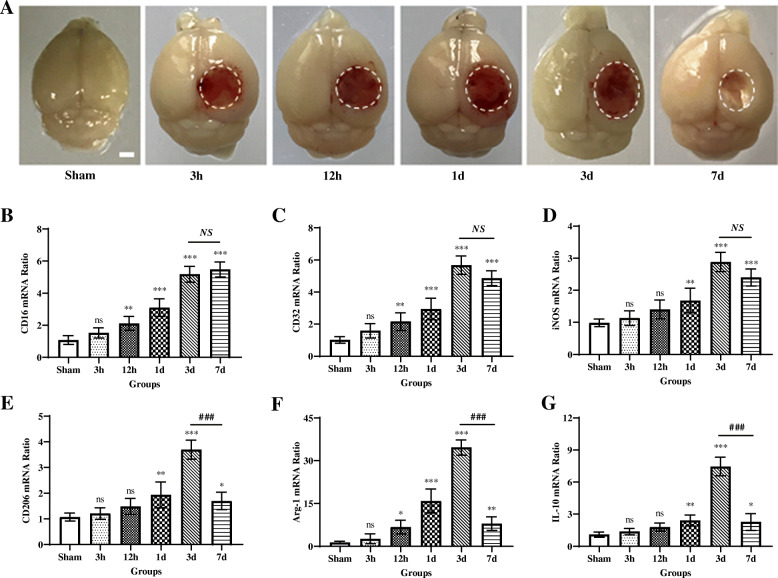
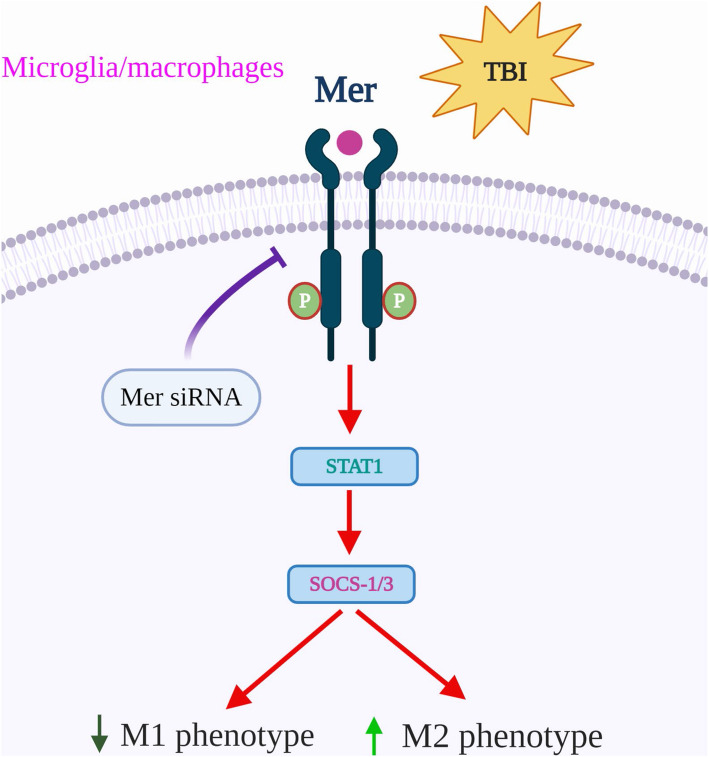
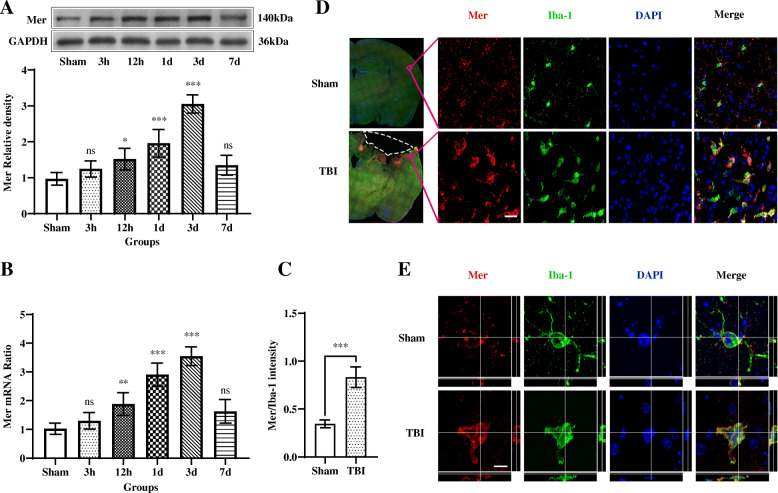
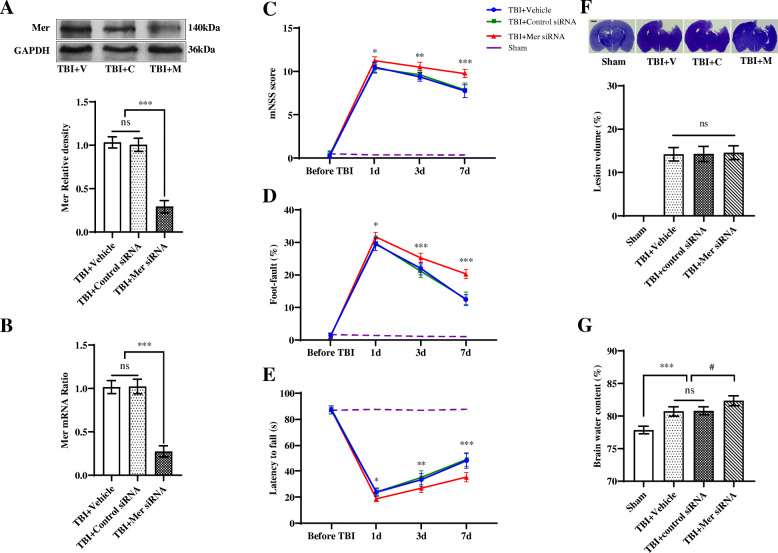
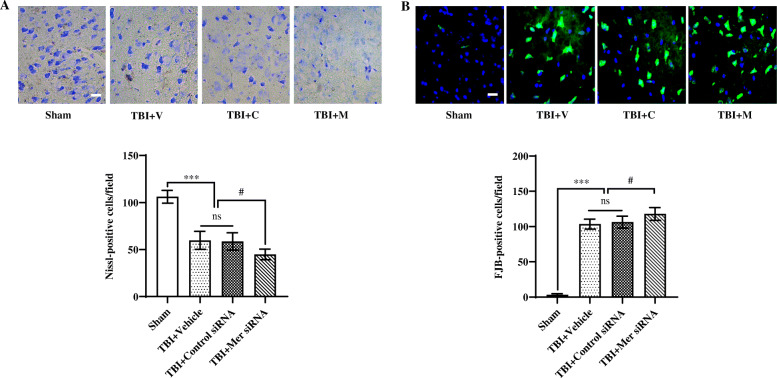
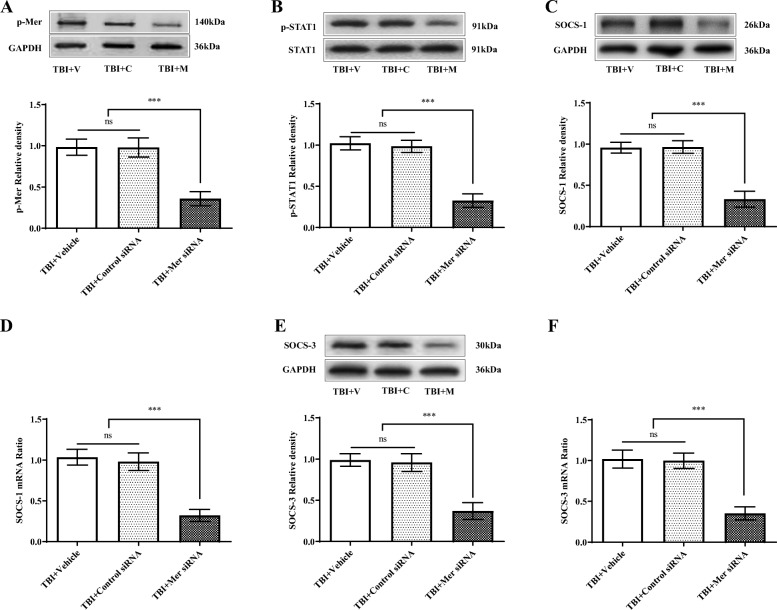
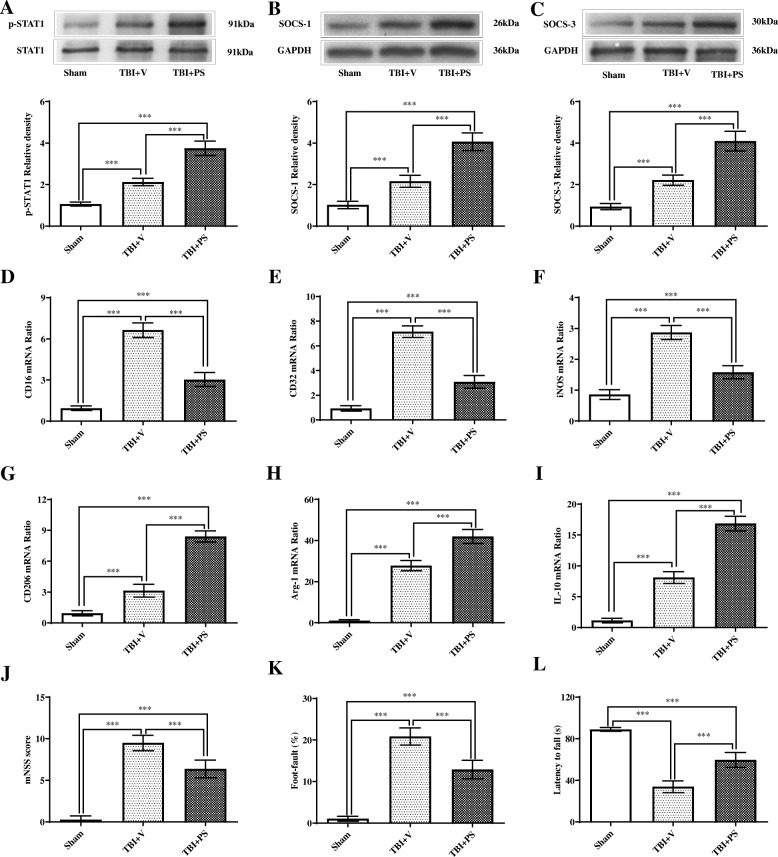
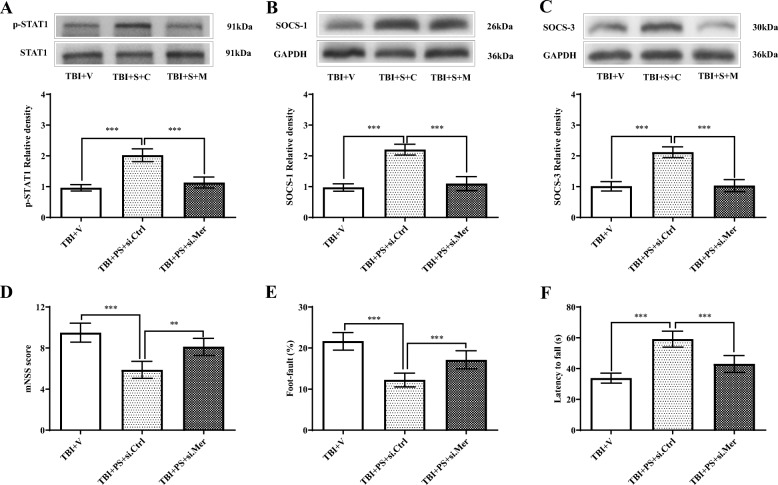
Mer is upregulated and regulates microglial/macrophage M1/M2 polarization and neuroinflammation in the acute stage of TBI. Mechanistically, Mer activates the signal transducer and activator of transcription 1 (STAT1)/suppressor of cytokine signaling 1/3 (SOCS1/3) pathway. Inhibition of Mer markedly decreases microglial/macrophage M2-like polarization while increases M1-like polarization, which exacerbates the secondary brain damage and sensorimotor deficits after TBI. Recombinant PS exerts beneficial effects in TBI mice through Mer activation.
Mer is an important regulator of microglial/macrophage M1/M2 polarization and neuroinflammation, and may be considered as a potential target for therapeutic intervention in TBI.
创伤性脑损伤 (TBI) 是全球范围内导致死亡和残疾的主要原因。小胶质细胞/巨噬细胞激活和神经炎症是 TBI 后的关键细胞事件,但调节和功能机制仍未得到很好的理解。髓样上皮生殖酪氨酸激酶 (Mer) 是受体酪氨酸激酶 Tyro-Axl-Mer (TAM) 家族的成员,调节小胶质细胞/巨噬细胞生理学的多个特征。然而,其在调节 TBI 中固有免疫反应和小胶质细胞/巨噬细胞 M1/M2 极化中的作用尚未得到解决。本研究旨在评估 Mer 在调节 TBI 后小胶质细胞/巨噬细胞 M1/M2 极化和神经炎症中的作用。
采用控制性皮质撞击 (CCI) 小鼠模型。经脑室给予 Mer siRNA,静脉给予重组蛋白 S (PS) 进行干预。进行神经行为评估、RT-PCR、Western blot、磁激活细胞分选、免疫组织化学和共聚焦显微镜分析、尼氏染色和氟罗丹明 B 染色、脑含水量测量和挫伤体积评估。
Mer 在 TBI 的急性期上调,并调节小胶质细胞/巨噬细胞 M1/M2 极化和神经炎症。机制上,Mer 激活信号转导子和转录激活子 1 (STAT1)/细胞因子信号转导抑制因子 1/3 (SOCS1/3) 通路。Mer 抑制显著降低小胶质细胞/巨噬细胞 M2 样极化,而增加 M1 样极化,从而加剧 TBI 后的继发性脑损伤和感觉运动缺陷。重组 PS 通过 Mer 激活在 TBI 小鼠中发挥有益作用。
Mer 是小胶质细胞/巨噬细胞 M1/M2 极化和神经炎症的重要调节因子,可能被认为是 TBI 治疗干预的潜在靶点。