He Nihan, Yang Qin, Li Zhengjiang, Guo Jiaojiao, Kuang Chunmei, Zhu Yinghong, Liu Xing, Chen Xun, Shi Fangming, Feng Xiangling, An Gang, Zhang Guoping, Zhou Wen
National Clinical Research Center for Geriatric Disorders, Key Laboratory for Carcinogenesis and Invasion, Chinese Ministry of Education, Furong Laboratory, Changsha, Hunan 410008, P.R. China.
Department of Hematology, Xiangya Hospital, Central South University, Changsha, Hunan 410008, P.R. China.
Int J Oncol. 2025 Feb;66(2). doi: 10.3892/ijo.2025.5718. Epub 2025 Jan 3.
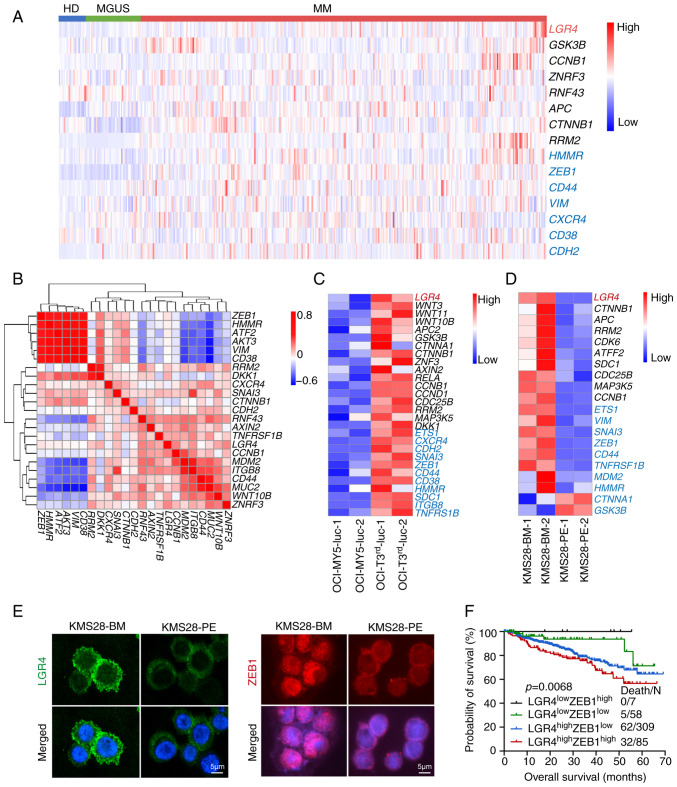
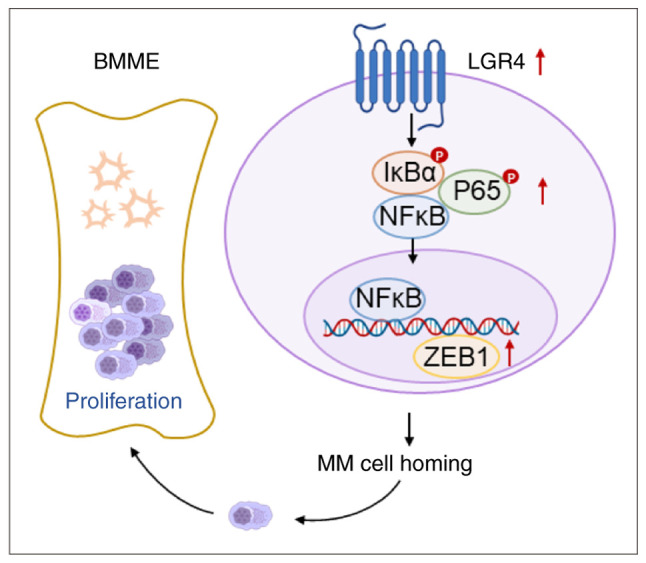
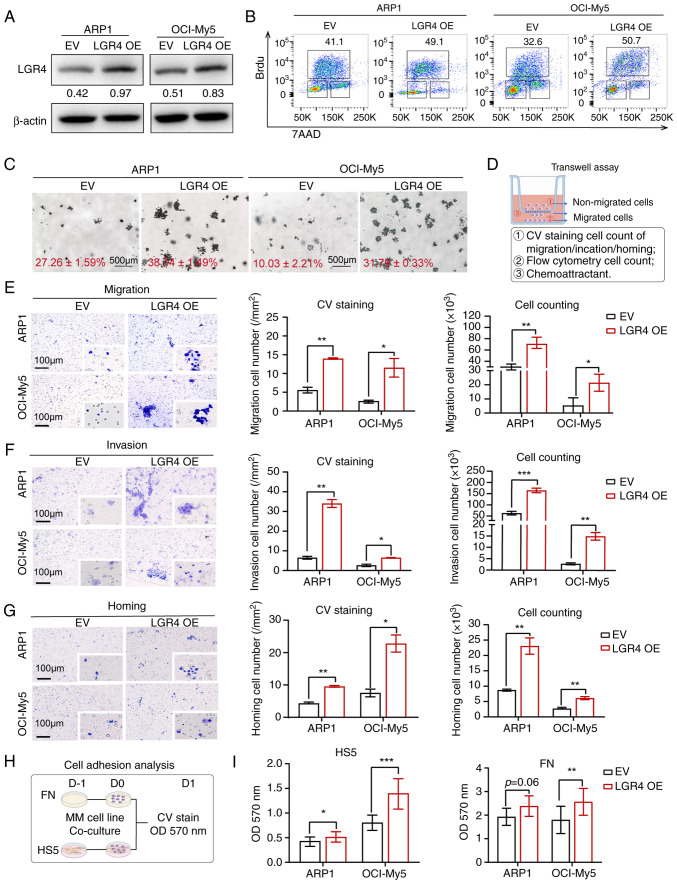
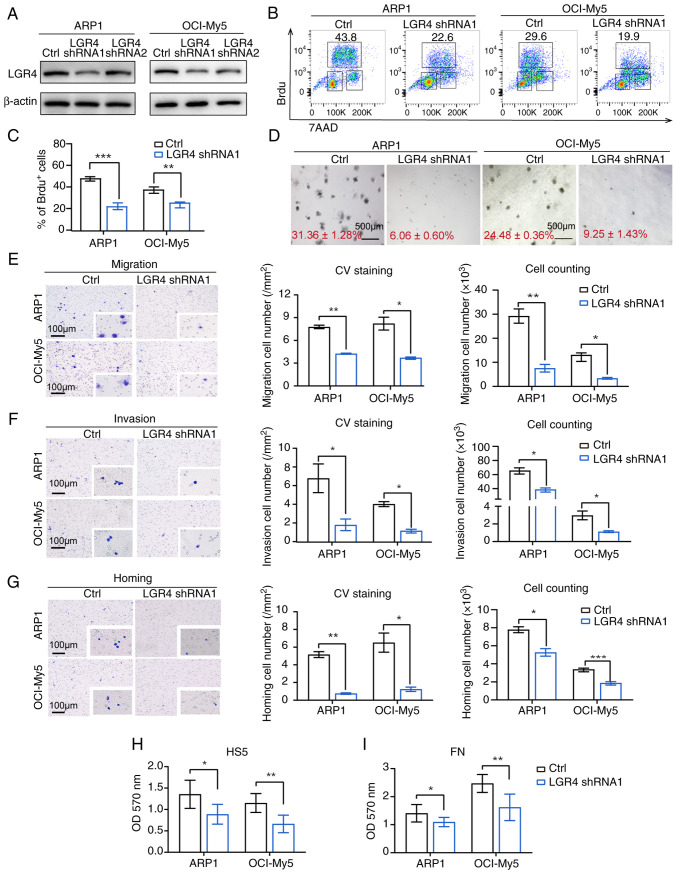
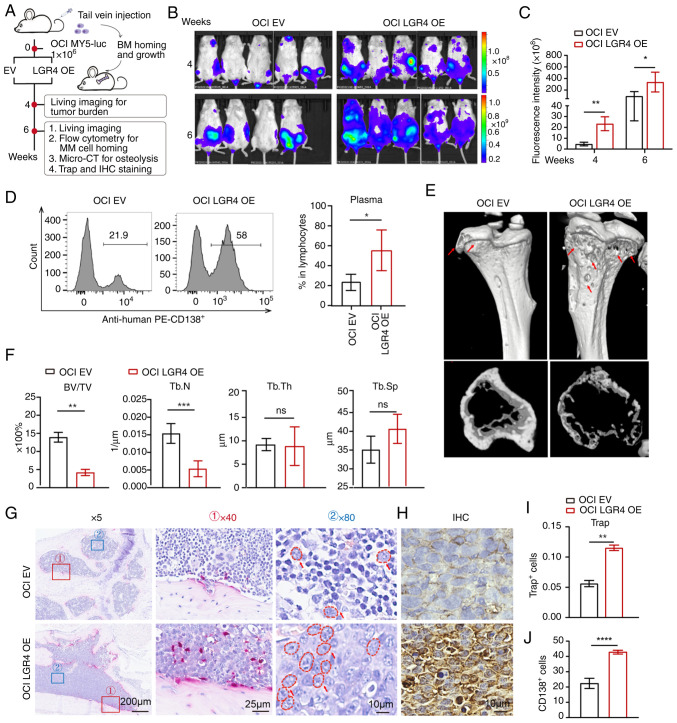
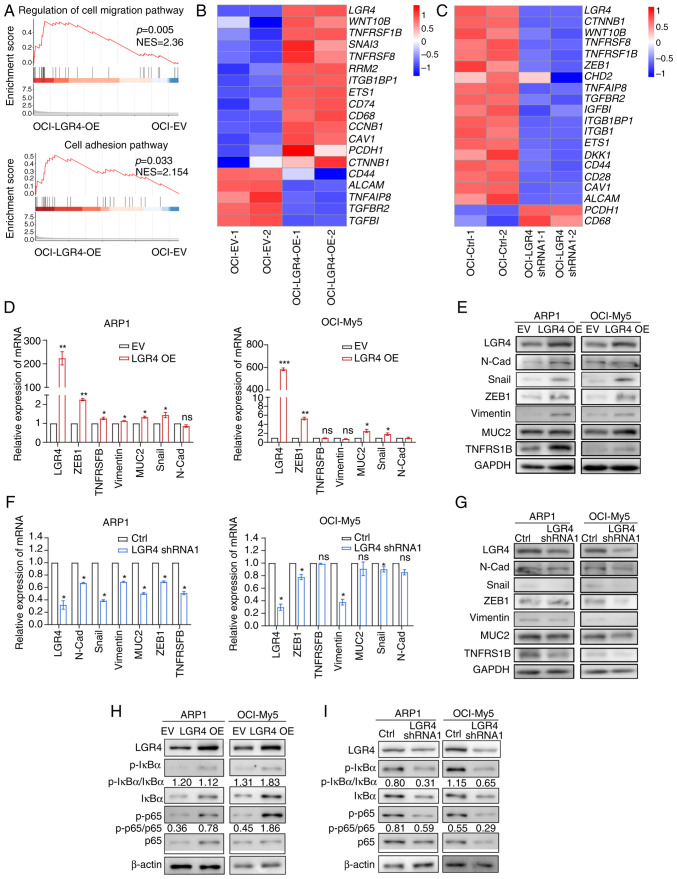
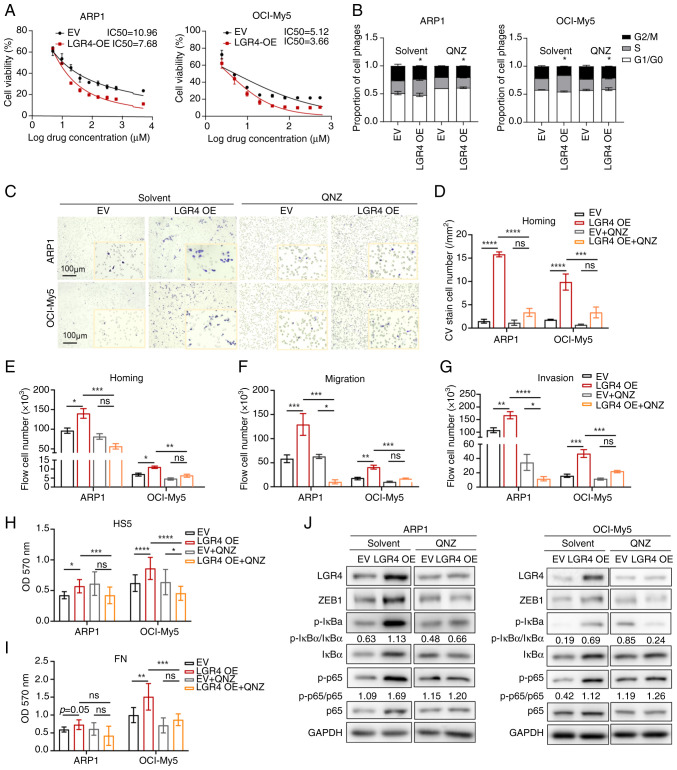
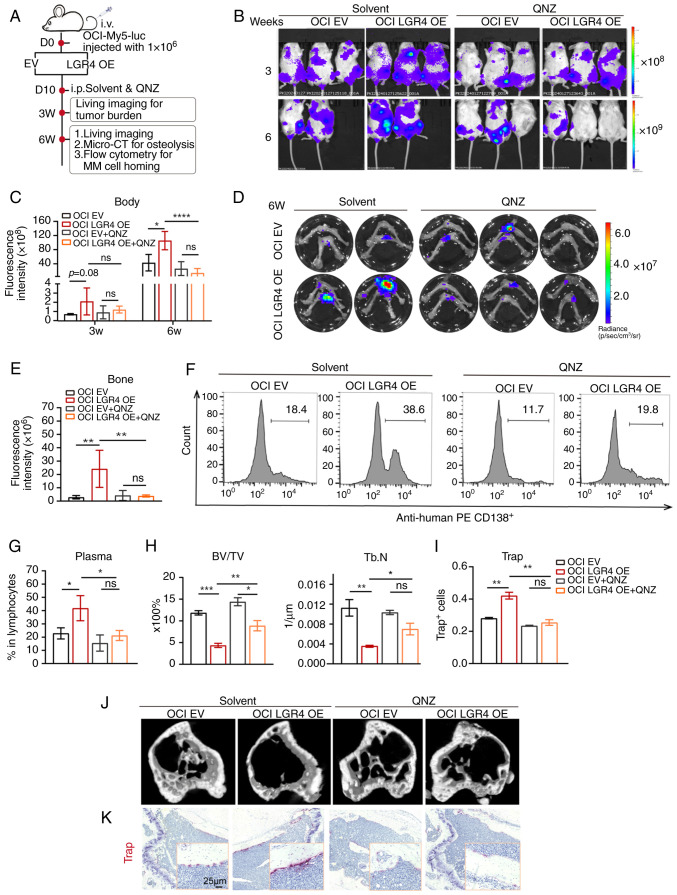
Multiple myeloma (MM) is a plasma cell malignancy characterized by clonal proliferation in the bone marrow (BM). Previously, it was reported that G‑protein‑coupled receptor 4 (LGR4) contributed to early hematopoiesis and was associated with poor prognosis in patients with MM. However, the mechanism of cell homing and migration, which is critical for MM progression, remains unclear. In the present study, cell counting, cell cycle and BrdU assays were performed to evaluate cell proliferation. Transwell assay and Xenograft mouse models were performed to evaluate cell migration and homing ability both and . I was found that overexpression of LGR4 promotes MM cell adhesion, migration and homing to BM both , while exacerbating osteolytic bone destruction . However, the LGR4 knockdown displayed the opposite effect. Further mechanistic studies demonstrated that LGR4 activated the nuclear factor kappa B (NF‑κB) signaling pathway and migration‑related adhesion molecule, thus promoting MM cell homing. Moreover, inhibiting the NF‑κB pathway was found to suppress MM cell homing. These findings identify LGR4 as a critical regulator of myeloma cell migration, homing and tumorigenesis, offering a potential therapeutic strategy for MM treatment.
多发性骨髓瘤(MM)是一种以骨髓(BM)中克隆性增殖为特征的浆细胞恶性肿瘤。此前有报道称,G蛋白偶联受体4(LGR4)有助于早期造血,并与MM患者的不良预后相关。然而,对于MM进展至关重要的细胞归巢和迁移机制仍不清楚。在本研究中,进行了细胞计数、细胞周期和BrdU检测以评估细胞增殖。进行了Transwell检测和异种移植小鼠模型以评估细胞迁移和归巢能力。结果发现,LGR4的过表达促进MM细胞的黏附、迁移和向BM的归巢,同时加剧溶骨性骨破坏。然而,LGR4的敲低则显示出相反的效果。进一步的机制研究表明,LGR4激活了核因子κB(NF-κB)信号通路和与迁移相关的黏附分子,从而促进MM细胞归巢。此外,发现抑制NF-κB通路可抑制MM细胞归巢。这些发现确定LGR4是骨髓瘤细胞迁移、归巢和肿瘤发生的关键调节因子,为MM治疗提供了一种潜在的治疗策略。