Javed Kashif, Li Jianxin
School of Law, Zhengzhou University, Zhengzhou, Henan, China.
PLoS One. 2025 Jan 3;20(1):e0315270. doi: 10.1371/journal.pone.0315270. eCollection 2025.
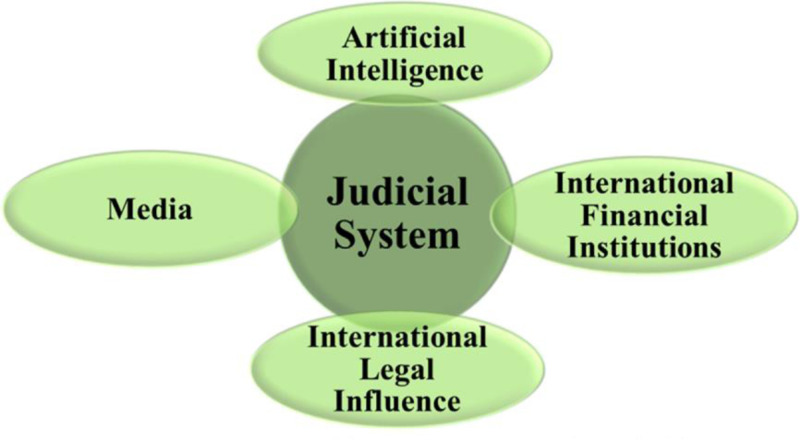
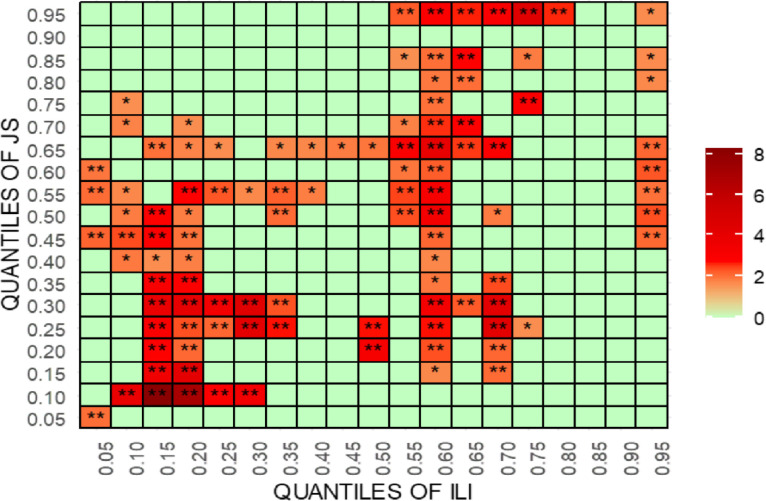
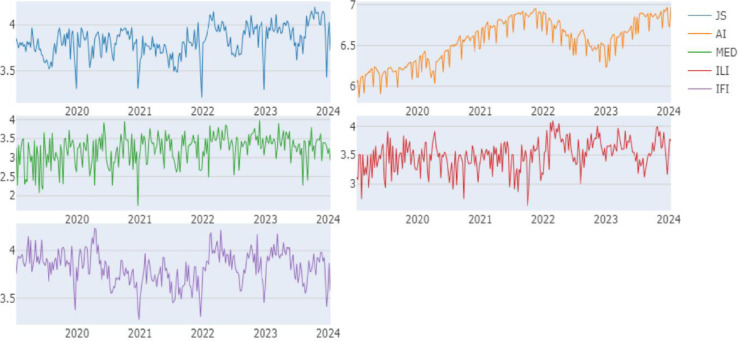
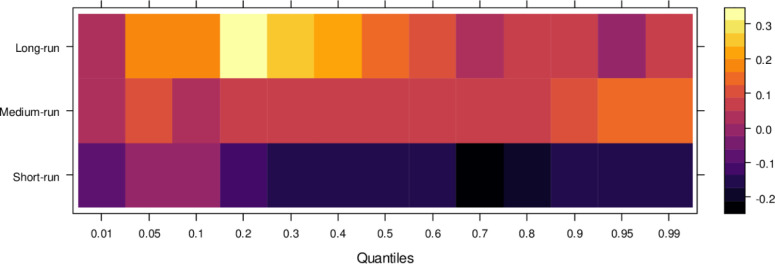
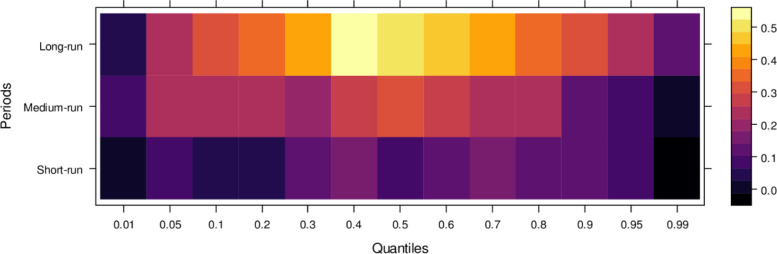
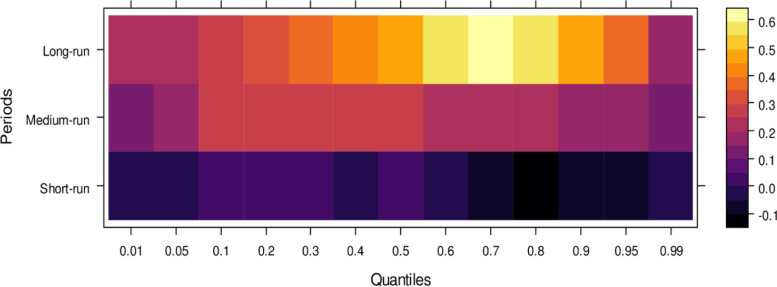
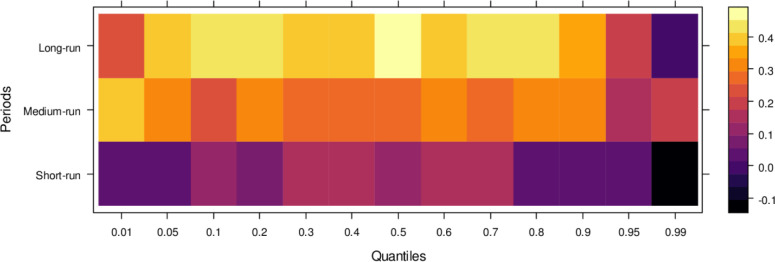
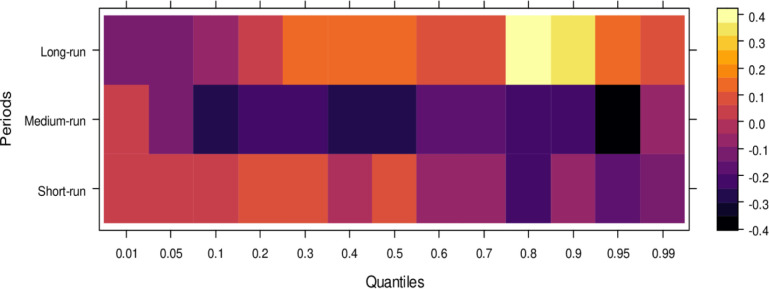
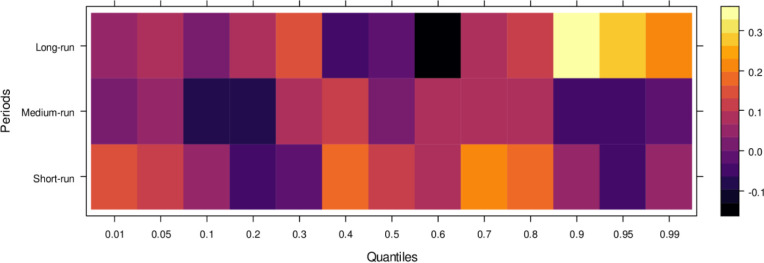
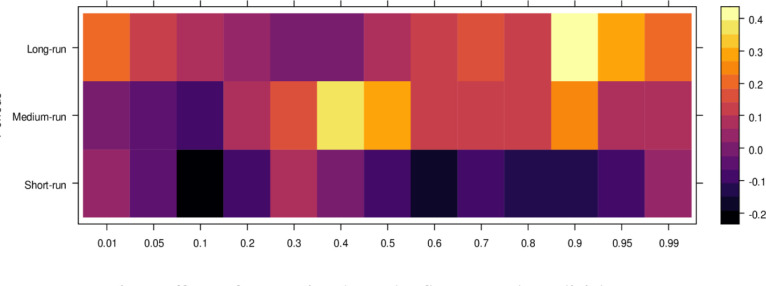
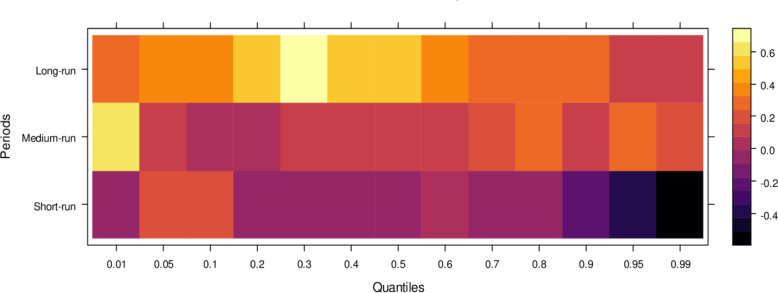
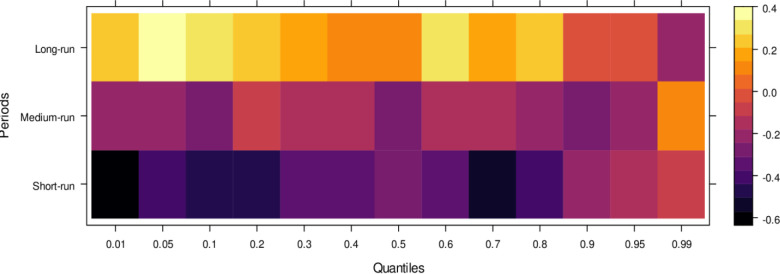
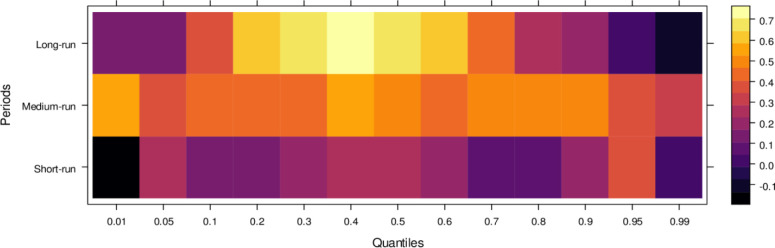
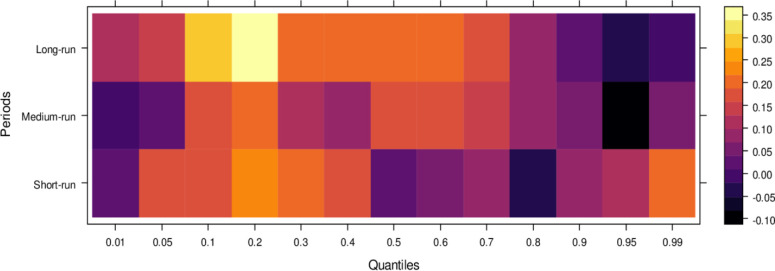
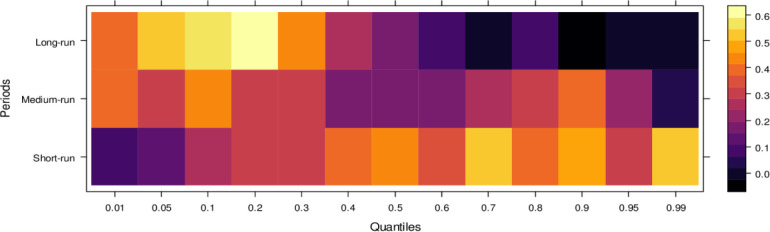
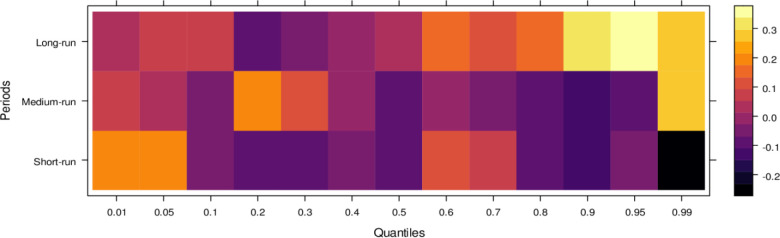
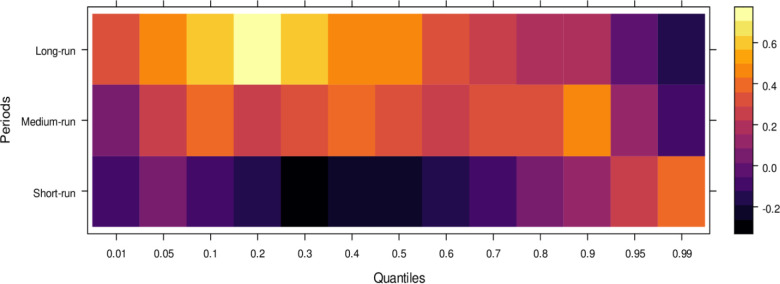
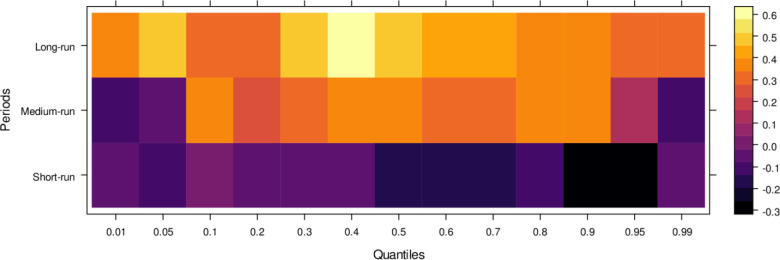
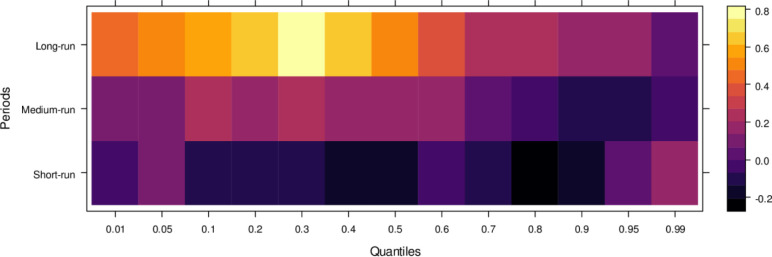
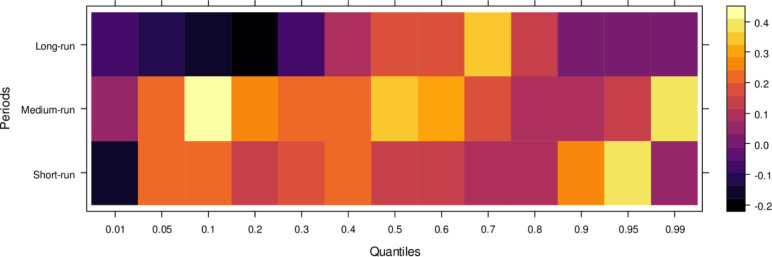
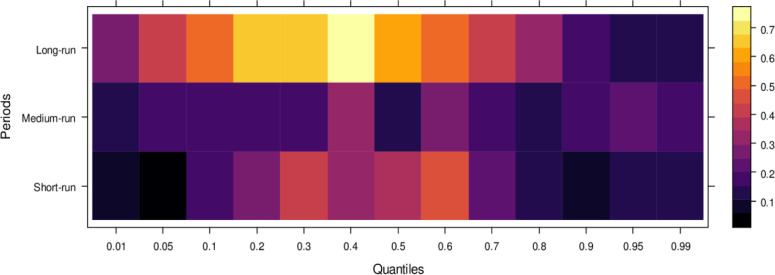
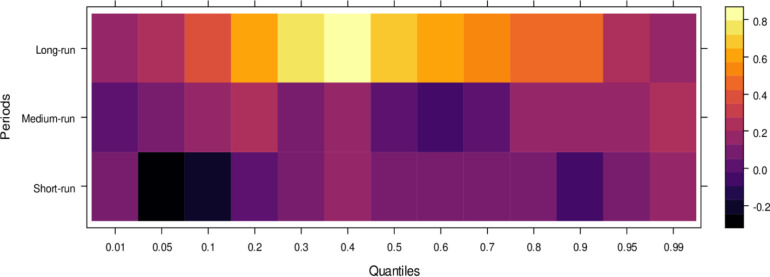
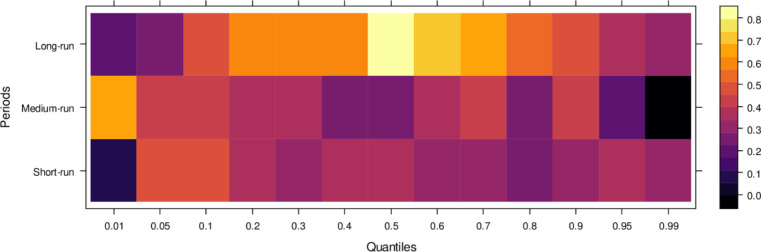
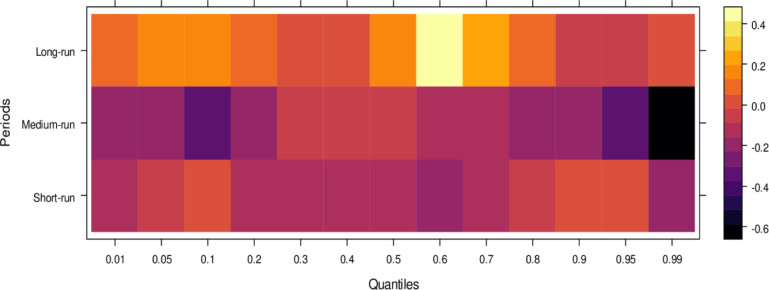
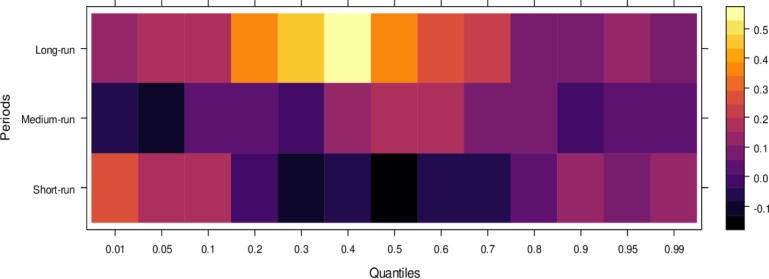
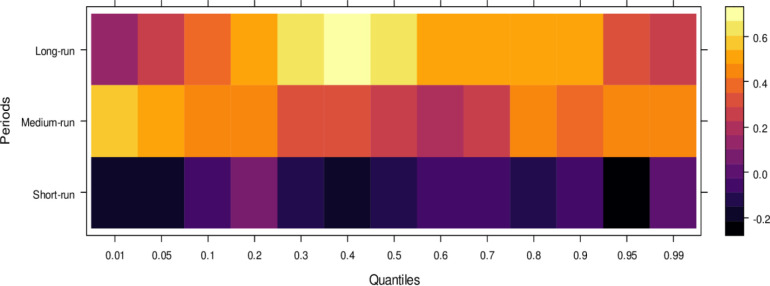
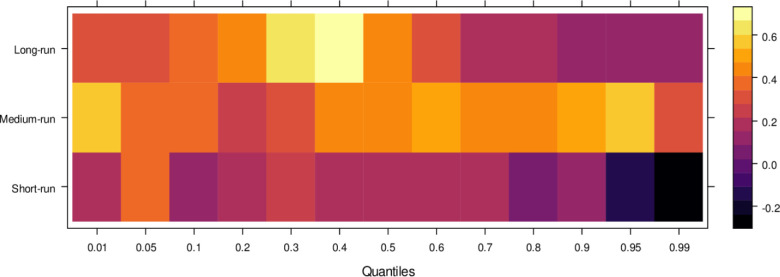
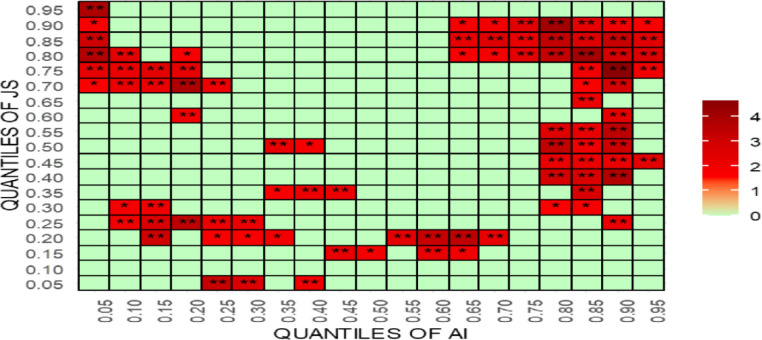
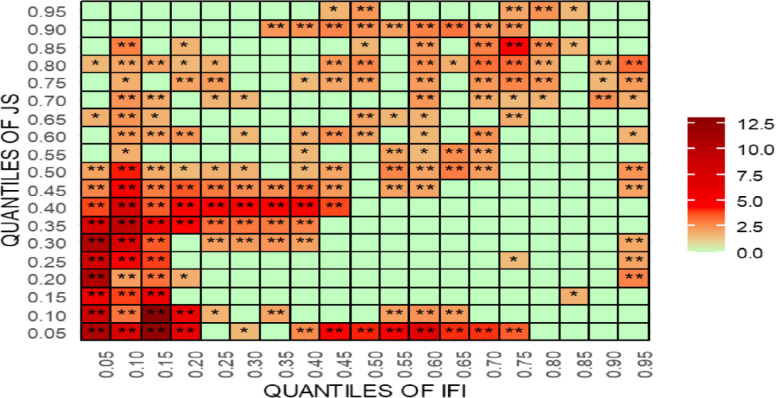
The latest global progress report highlights numerous challenges in achieving justice goals, with bias in artificial intelligence (AI) emerging as a significant yet underexplored issue. This paper investigates the role of AI in addressing bias within the judicial system to promote equitable social justice. Analyzing weekly data from January 1, 2019, to December 31, 2023, through wavelet quantile correlation, this study examines the short, medium, and long-term impacts of integrating AI, media, international legal influence (ILI), and international financial institutions (IFI) as crucial factors in achieving Sustainable Development Goal 16 (SDG-16), which focuses on justice. The findings indicate that AI, media, ILI, and IFI can help reduce bias in the medium and long term, although their effects appear mixed and less significant in the short term. Our research proposes a comprehensive policy framework that addresses the complexities of implementing these technologies in the judicial system. We conclude that successfully integrating AI requires a supportive global policy environment that embraces technological innovation, financial backing, and robust regulation to prevent potential disruptions that could reinforce inequalities, perpetuate structural injustices, and exacerbate human rights issues, ultimately leading to more biased outcomes in social justice.
最新的全球进展报告凸显了在实现司法目标方面的诸多挑战,其中人工智能(AI)中的偏见成为一个重大但未得到充分探索的问题。本文研究了人工智能在解决司法系统中的偏见以促进公平社会正义方面的作用。通过小波分位数相关性分析2019年1月1日至2023年12月31日的每周数据,本研究考察了将人工智能、媒体、国际法律影响(ILI)和国际金融机构(IFI)作为实现可持续发展目标16(SDG - 16,聚焦司法)的关键因素进行整合的短期、中期和长期影响。研究结果表明,人工智能、媒体、ILI和IFI在中长期有助于减少偏见,尽管它们的影响在短期内显得参差不齐且不太显著。我们的研究提出了一个全面的政策框架,以应对在司法系统中实施这些技术的复杂性。我们得出结论,成功整合人工智能需要一个支持性的全球政策环境,该环境要包容技术创新、资金支持和有力监管,以防止可能强化不平等、使结构性不公正永久化并加剧人权问题的潜在干扰,最终导致社会正义中出现更多有偏见的结果。