Li Wei, Min Aoying, Zhao Wei, Li Weining, Li Shuhan, Ran Saidi, Fu Mingming, Yu Qili, Kou Junkai, Wang Zhiqian, Hou Zhiyong
Department of Geriatric Orthopedics, The Third Hospital of Hebei Medical University, No.139 ZiQiang Lu, Shijiazhuang, Hebei, 050051, PR China.
Department of Nursing, The Third Hospital of Hebei Medical University, No.139, ZiQiang Lu, Shijiazhuang, 050051, Hebei, PR China.
BMC Geriatr. 2025 Jan 3;25(1):4. doi: 10.1186/s12877-024-05647-1.
A scarcity of data exists concerning atrial fibrillation (AF) during the perioperative stage of non-cardiothoracic surgery, particularly orthopedic surgery. In addition, given the frequency and significant impact of AF in the perioperative period, therefore our aim was to identify prognosis and predictors of elderly hip fracture patients with perioperative AF.
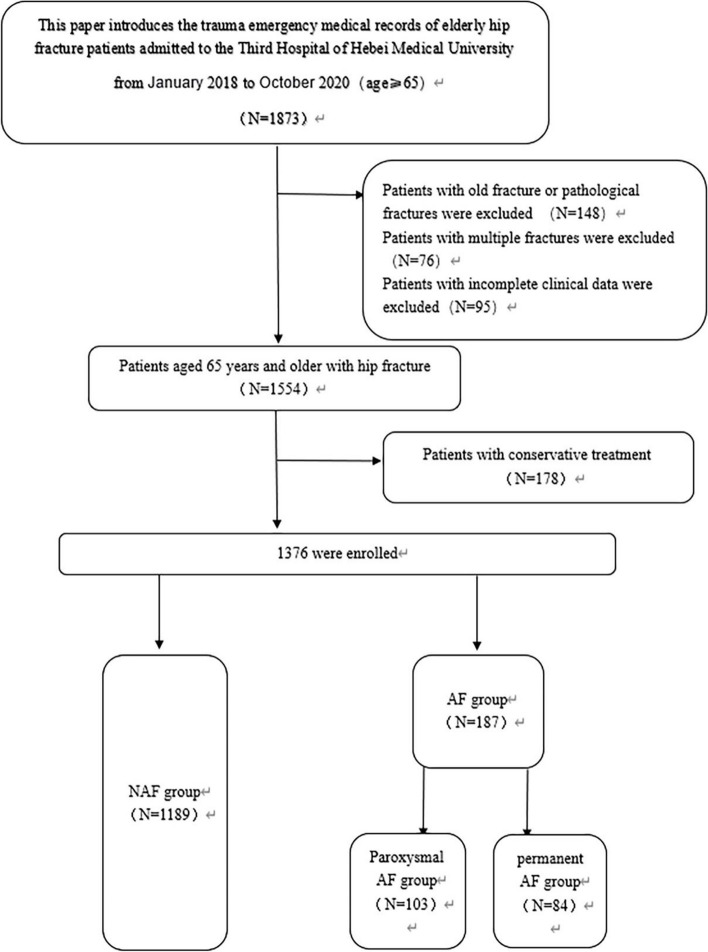
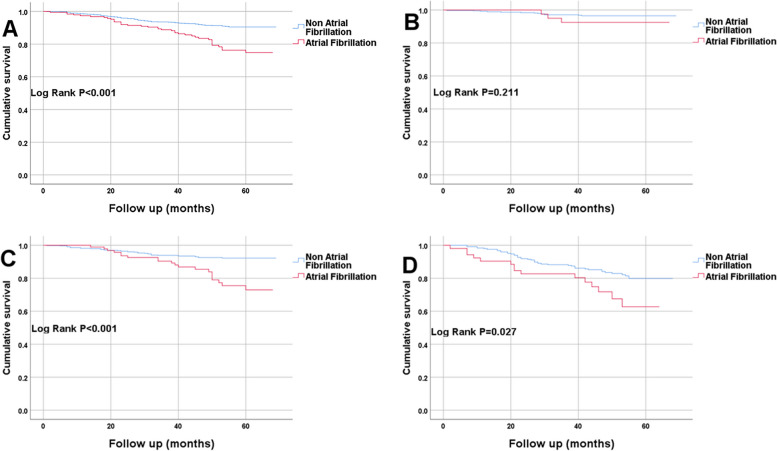
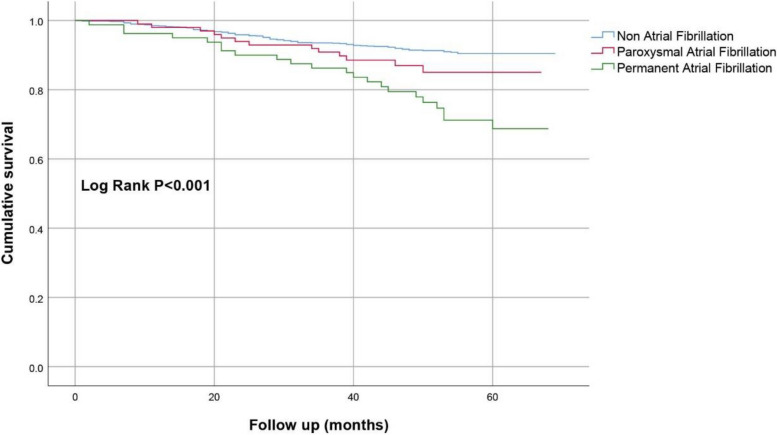
An examination of hip fracture patients at the Third Hospital of Hebei Medical University, who had been hospitalized from January 2018 to October 2020 in succession, was conducted retrospectively. To determine independent risk factors for paroxysmal AF in elderly hip fracture patients, univariate and multivariate logistic regression analysis were employed. The Kaplan-Meier survival curve demonstrated the correlation between all-cause mortality in the non-AF, paroxysmal AF, and permanent AF groups. An assessment of the correlation between baseline factors, complications, and all-cause mortality was conducted through univariable and multivariable Cox proportional hazards analysis.
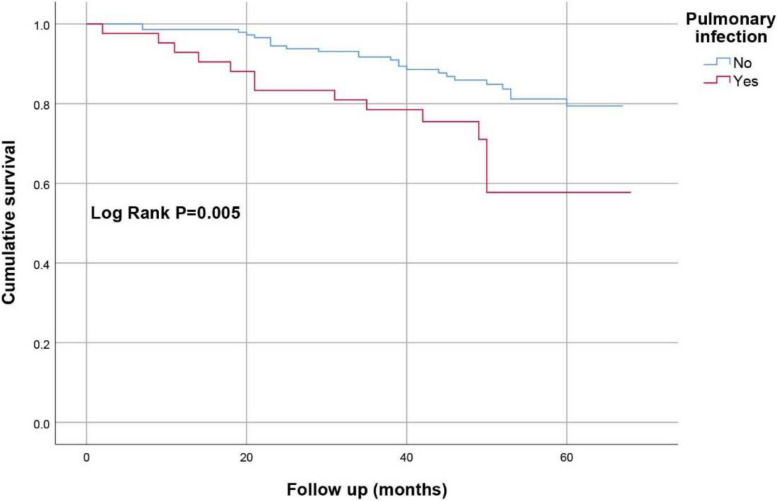
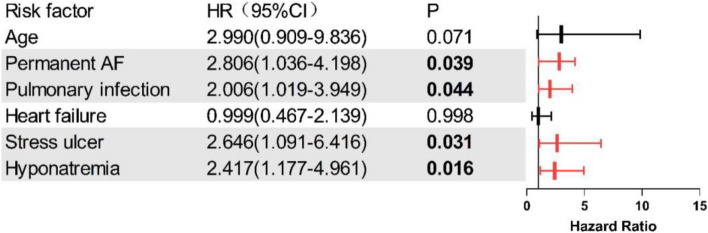
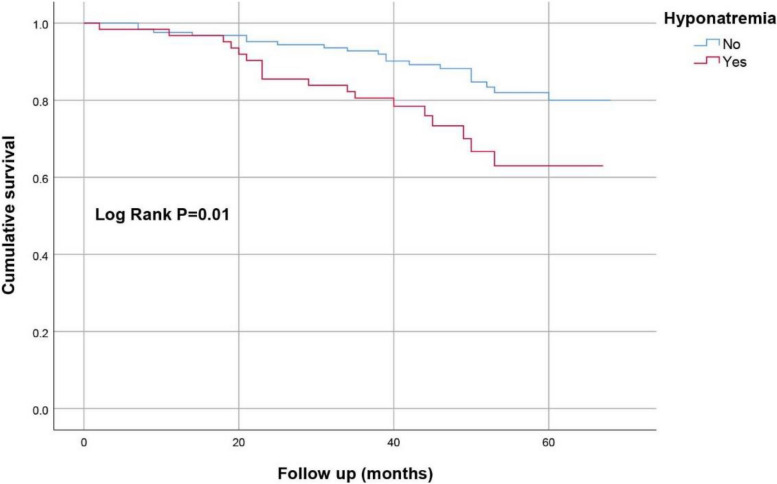
Enrolling 1,376 elderly patients with hip fractures, we found 1,189 in the non-AF group, 103 in the paroxysmal AF group, and 84 in the permanent AF group. Kaplan-Meier survival curves revealed a significantly lower overall survival rate in elderly hip fracture patients with AF, especially permanent AF. Based on COX regression analysis, we found that the main risk factors for all-cause death in elderly hip fracture patients with AF were concomitant pulmonary infection(HR 2.006,95%CI 1.019-3.949, P = 0.044), hyponatremia(HR 2.417,95%CI 1.177-4.961, P = 0.016), permanent AF(HR 2.806, 95%CI 1.036-4.198, P = 0.039). Independent risk factors for perioperative paroxysmal AF in elderly hip fracture patients were hypertension(OR 2.248, 95% CI 1.415-3.571, P = 0.001), COPD(OR 4.694, 95% CI 2.207-9.980, P < 0.001) and ACCI(OR 1.436, 95%CI 1.072-1.924, P = 0.015).
The mortality risk is high in elderly patients with hip fractures combined with AF. The independent risk factors for their death include permanent AF, pulmonary infection and hyponatremia. The independent risk factors for perioperative paroxysmal AF in elderly patients with hip fractures are ACCI, hypertension and COPD. we should identify risk factors and optimize the treatment plan at an early stage.
关于非心胸外科手术围手术期,尤其是骨科手术期间的心房颤动(AF),现有数据匮乏。此外,鉴于AF在围手术期的发生频率及重大影响,因此我们的目的是确定老年髋部骨折患者围手术期AF的预后及预测因素。
对河北医科大学第三医院2018年1月至2020年10月期间连续住院的髋部骨折患者进行回顾性研究。采用单因素和多因素逻辑回归分析确定老年髋部骨折患者阵发性AF的独立危险因素。Kaplan-Meier生存曲线显示了非AF、阵发性AF和永久性AF组全因死亡率之间的相关性。通过单因素和多因素Cox比例风险分析评估基线因素、并发症与全因死亡率之间的相关性。
纳入1376例老年髋部骨折患者,其中非AF组1189例,阵发性AF组103例,永久性AF组84例。Kaplan-Meier生存曲线显示,AF老年髋部骨折患者的总生存率显著较低,尤其是永久性AF患者。基于COX回归分析,我们发现AF老年髋部骨折患者全因死亡的主要危险因素是合并肺部感染(HR 2.006,95%CI 1.019 - 3.949,P = 0.044)、低钠血症(HR 2.417,95%CI 1.177 - 4.961,P = 0.016)、永久性AF(HR 2.806,95%CI 1.036 - 4.198,P = 0.039)。老年髋部骨折患者围手术期阵发性AF的独立危险因素是高血压(OR 2.248,95%CI 1.415 - 3.571,P = 0.001)、慢性阻塞性肺疾病(COPD)(OR 4.694,95%CI 2.207 - 9.980,P < 0.001)和急性冠状动脉综合征(ACCI)(OR 1.436,95%CI 1.072 - 1.924,P = 0.015)。
老年髋部骨折合并AF患者的死亡风险较高。其死亡的独立危险因素包括永久性AF、肺部感染和低钠血症。老年髋部骨折患者围手术期阵发性AF的独立危险因素是ACCI、高血压和COPD。我们应尽早识别危险因素并优化治疗方案。