Ge Wen, Zhang Xiaohua, Lin Jie, Wang Yangyang, Zhang Xiao, Duan Yu, Dai Xinchun, Zhang Jiye, Zhang Yan, Jiang Mengyuan, Qiang Huanhuan, Zhao Zhijing, Zhang Xuebin, Sun Dongdong
Department of Cardiology, Xijing Hospital, Fourth Military Medical University, Xi'an, Shaanxi, China.
Cell Death Dis. 2025 Jan 4;16(1):2. doi: 10.1038/s41419-024-07322-0.
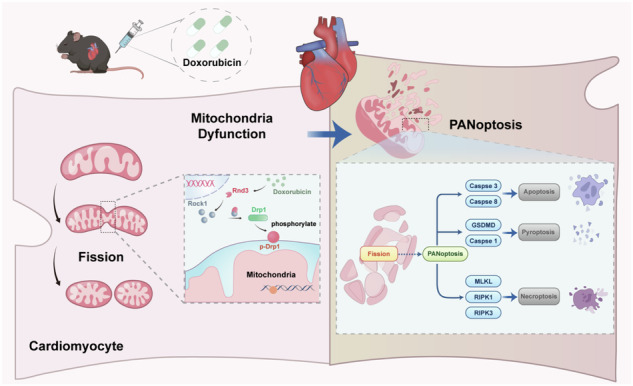
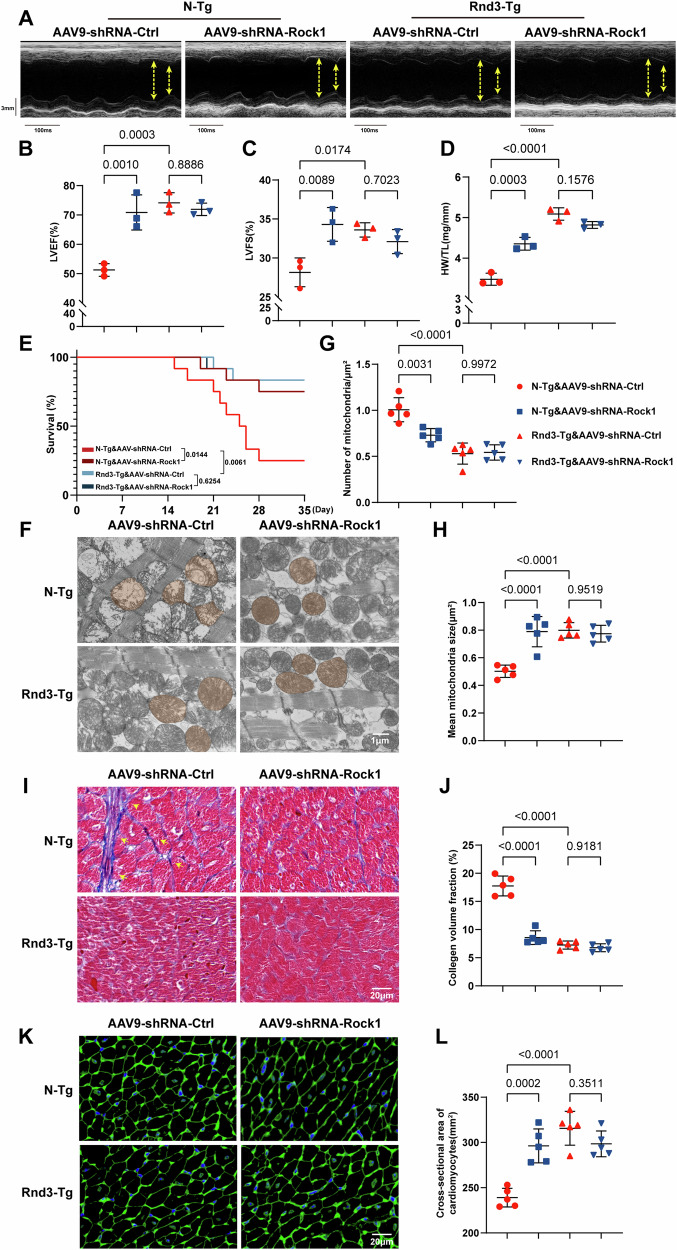
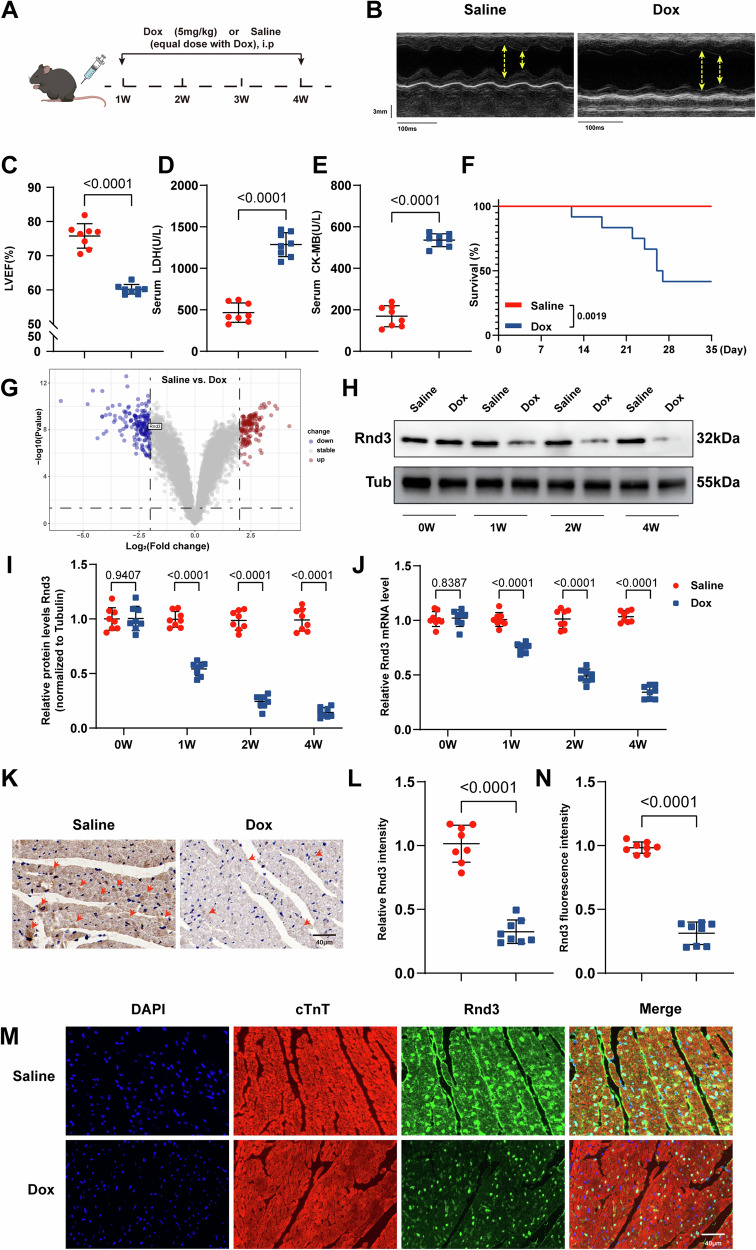
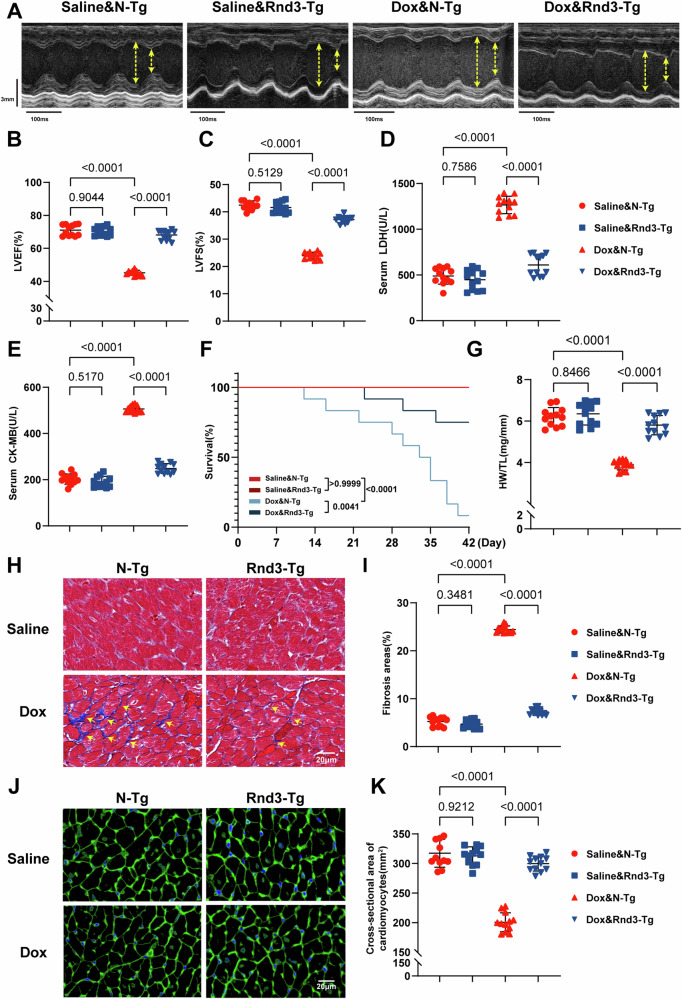
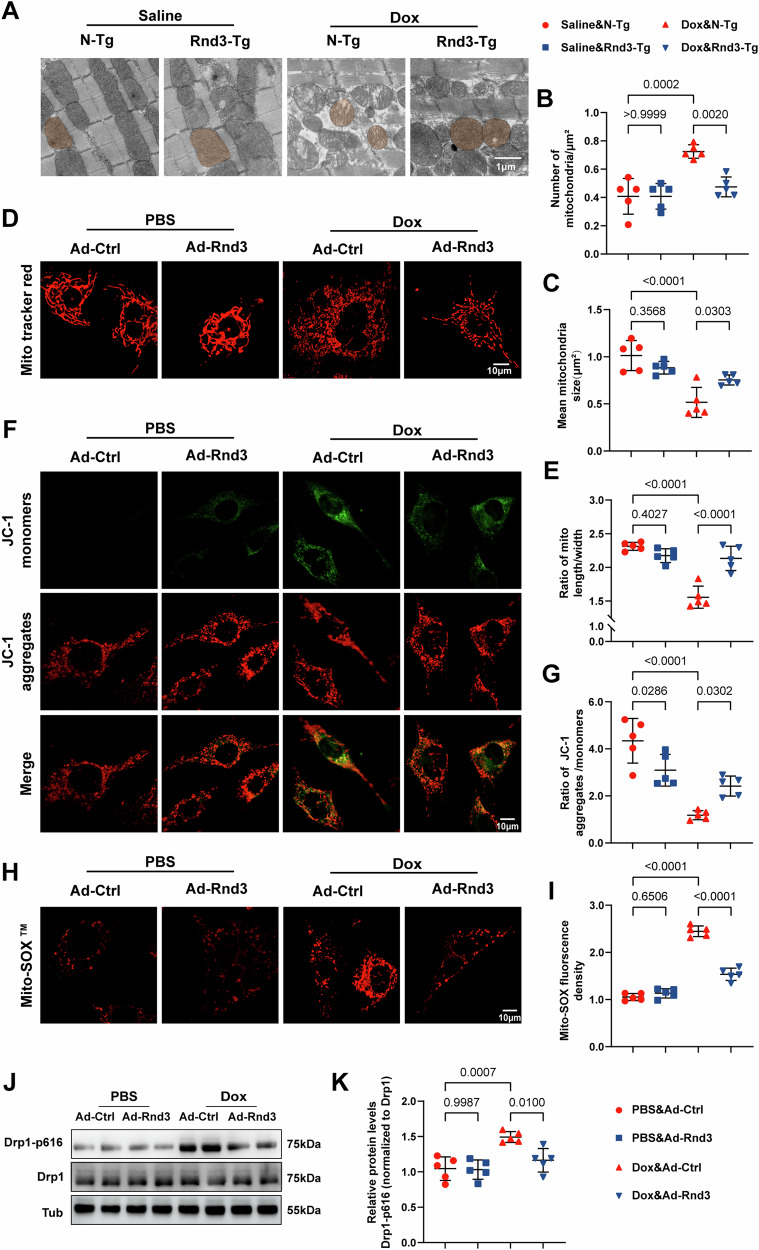
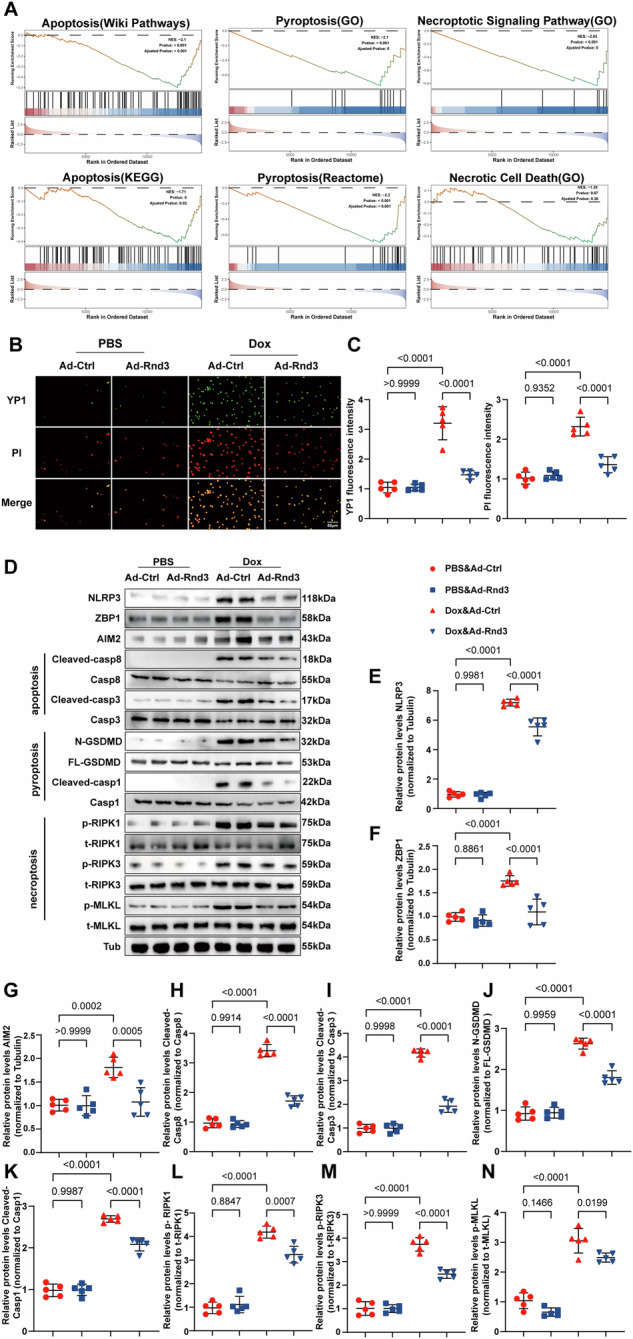
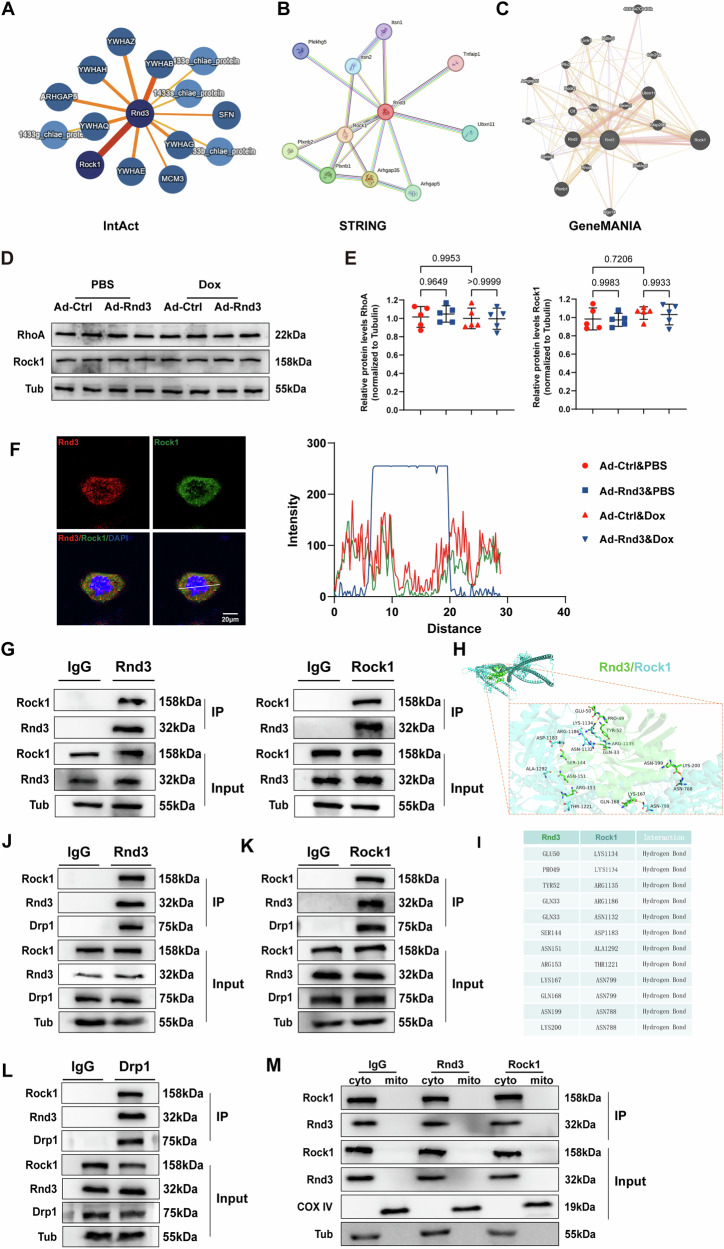
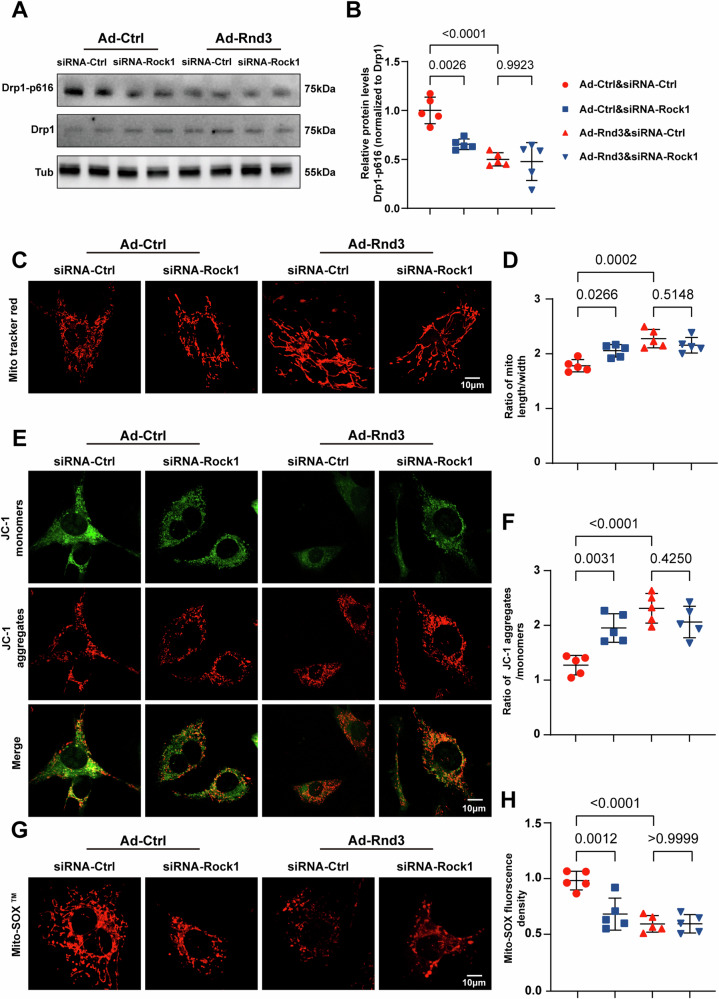
Doxorubicin, a representative drug of the anthracycline class, is widely used in cancer treatment. However, Doxorubicin-induced cardiotoxicity (DIC) presents a significant challenge in its clinical application. Mitochondrial dysfunction plays a central role in DIC, primarily through disrupting mitochondrial dynamics. This study aimed to investigate the impact of Rnd3 (a Rho family GTPase 3) on DIC, with a focus on mitochondrial dynamics. Cardiomyocyte-specific Rnd3 transgenic mice (Rnd3-Tg) and Rnd3 mice (N-Tg) were established for in vivo experiments, and adenoviruses harboring Rnd3 (Ad-Rnd3) or negative control (Ad-Control) were injected in the myocardium for in vitro experiments. The DIC model was established using wild-type, N-Tg, and Rnd3-Tg mice, with subsequent intraperitoneal injection of Dox for 4 weeks. The molecular mechanism was explored through RNA sequencing, immunofluorescence staining, co-immunoprecipitation assay, and protein-protein docking. Dox administration induced significant mitochondrial injury and cardiac dysfunction, which was ameliorated by Rnd3 overexpression. Further, the augmentation of Rnd3 expression mitigated mitochondrial fragmentation which is mediated by dynamin-related protein 1 (Drp1), thereby ameliorating the PANoptosis (pyroptosis, apoptosis, and necroptosis) response induced by Dox. Mechanically, the interaction between Rnd3 and Rho-associated kinase 1 (Rock1) may impede Rock1-induced Drp1 phosphorylation at Ser616, thus inhibiting mitochondrial fission and dysfunction. Interestingly, Rock1 knockdown nullified the effects of Rnd3 on cardiomyocytes PANoptosis, as well as Dox-induced cardiac remodeling and dysfunction elicited by Rnd3. Rnd3 enhances cardiac resilience against DIC by stabilizing mitochondrial dynamics and reducing PANoptosis. Our findings suggest that the Rnd3/Rock1/Drp1 signaling pathway represents a novel target for mitigating DIC, and modulating Rnd3 expression could be a strategic approach to safeguarding cardiac function in patients undergoing Dox treatment. The graphical abstract illustrated the cardioprotective role of Rnd3 in DIC. Rnd3 directly binds to Rock1 in cytoplasm and ameliorates mitochondrial fission by inhibiting Drp1 phosphorylation at ser616, thereby alleviating PANoptosis (apoptosis, pyroptosis, and necroptosis) in DIC.
阿霉素是蒽环类药物的代表,广泛应用于癌症治疗。然而,阿霉素诱导的心脏毒性(DIC)在其临床应用中构成了重大挑战。线粒体功能障碍在DIC中起核心作用,主要通过破坏线粒体动力学来实现。本研究旨在探讨Rnd3(一种Rho家族GTP酶3)对DIC的影响,重点关注线粒体动力学。建立了心肌细胞特异性Rnd3转基因小鼠(Rnd3-Tg)和Rnd3小鼠(N-Tg)用于体内实验,并将携带Rnd3的腺病毒(Ad-Rnd3)或阴性对照(Ad-Control)注射到心肌中用于体外实验。使用野生型、N-Tg和Rnd3-Tg小鼠建立DIC模型,随后腹腔注射阿霉素4周。通过RNA测序、免疫荧光染色、免疫共沉淀分析和蛋白质-蛋白质对接探索分子机制。阿霉素给药诱导了显著的线粒体损伤和心脏功能障碍,而Rnd3过表达改善了这些情况。此外,Rnd3表达的增加减轻了由动力相关蛋白1(Drp1)介导的线粒体碎片化,从而改善了阿霉素诱导的PANoptosis(焦亡、凋亡和坏死性凋亡)反应。从机制上讲,Rnd3与Rho相关激酶1(Rock1)之间的相互作用可能会阻碍Rock1诱导的Drp1在Ser616处的磷酸化,从而抑制线粒体分裂和功能障碍。有趣的是,Rock1敲低消除了Rnd3对心肌细胞PANoptosis的影响,以及Rnd3引起的阿霉素诱导的心脏重塑和功能障碍。Rnd3通过稳定线粒体动力学和减少PANoptosis来增强心脏对DIC的抵抗力。我们的研究结果表明,Rnd3/Rock1/Drp1信号通路是减轻DIC的新靶点,调节Rnd3表达可能是保护接受阿霉素治疗患者心脏功能的一种策略性方法。图形摘要说明了Rnd3在DIC中的心脏保护作用。Rnd3在细胞质中直接与Rock1结合,并通过抑制Drp1在ser616处的磷酸化来改善线粒体分裂,从而减轻DIC中的PANoptosis(凋亡、焦亡和坏死性凋亡)。