Alghanem Bandar, Alamri Hassan S, Barhoumi Tlili, Ali Khan Imran, Almuhalhil Khawlah, Aloyouni Essra, Shaibah Hayat, Mashhour Abdullah, Algheribe Shatha, Islam Imadul, Boudjelal Mohamed, Alfadhel Majid
Medical Research Core Facility and Platforms, King Abdullah International Medical Research Center, King Saud Bin Abdulaziz University for Health Sciences, Ministry of National Guard Health Affairs, Riyadh, Saudi Arabia.
King Saud bin Abdulaziz University for Health Sciences, Riyadh, Saudi Arabia.
Appl Clin Genet. 2024 Dec 31;17:215-228. doi: 10.2147/TACG.S497959. eCollection 2024.
Trimethylaminuria (TMAU) is a rare recessive genetic disorder with limited global prevalence. To date, there have been no official reports of TMAU cases documented in Saudi Arabia.
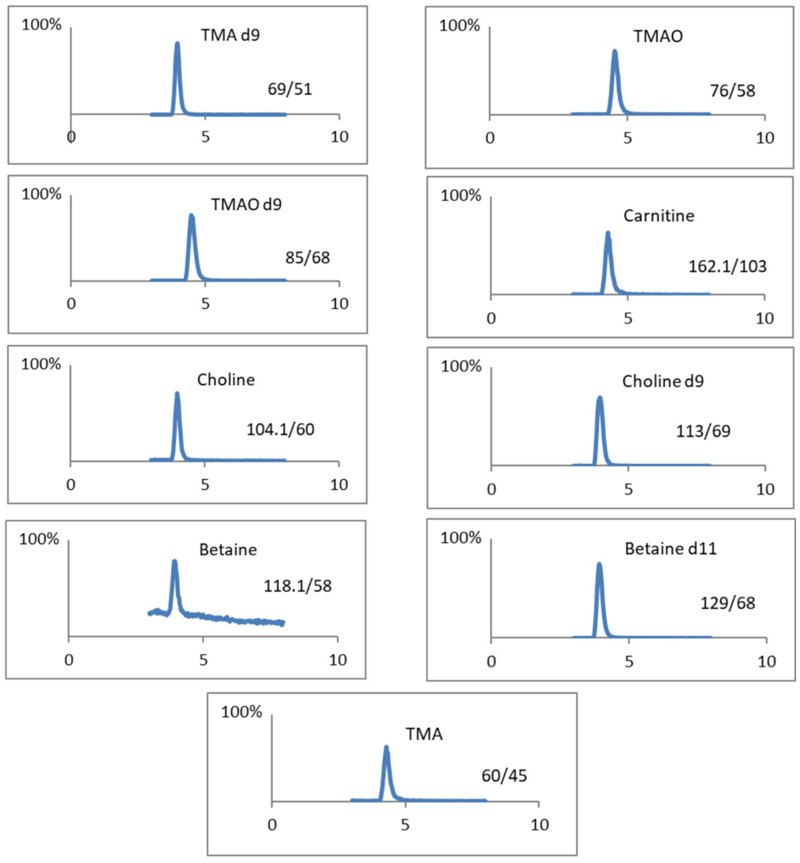
In this study, we developed a liquid chromatography-mass spectrometry (LC-MS) method for the analysis of trimethylamine (TMA) and Trimethylamine N-Oxide (TMAO) in urine and plasma samples for the first reported case of TMAU in Saudi Arabia.
A 41-year-old Saudi man was diagnosed with TMAU in National Guard Hospital. Blood and urine samples were collected to confirm the diagnosis of TMAU. In this study, we have studied LC-MS, cell culture, flow cytometry, adhesion assay and Sanger sequencing analysis. Additionally, in this study, we have selected 5 healthy controls.
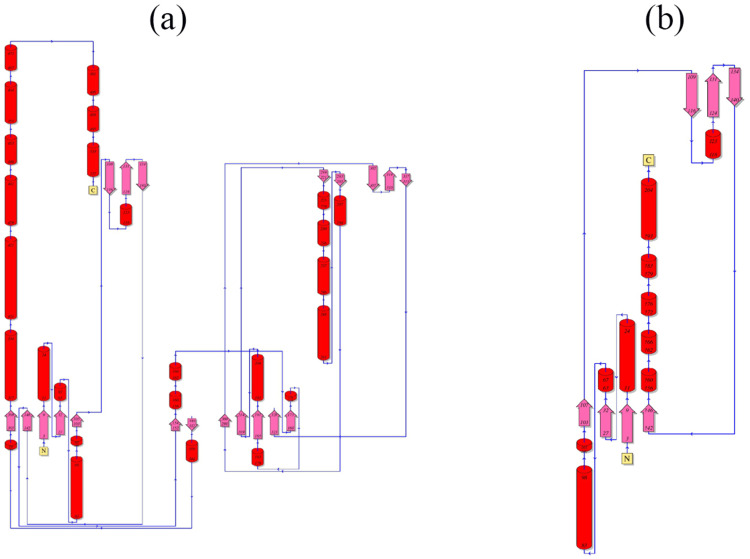
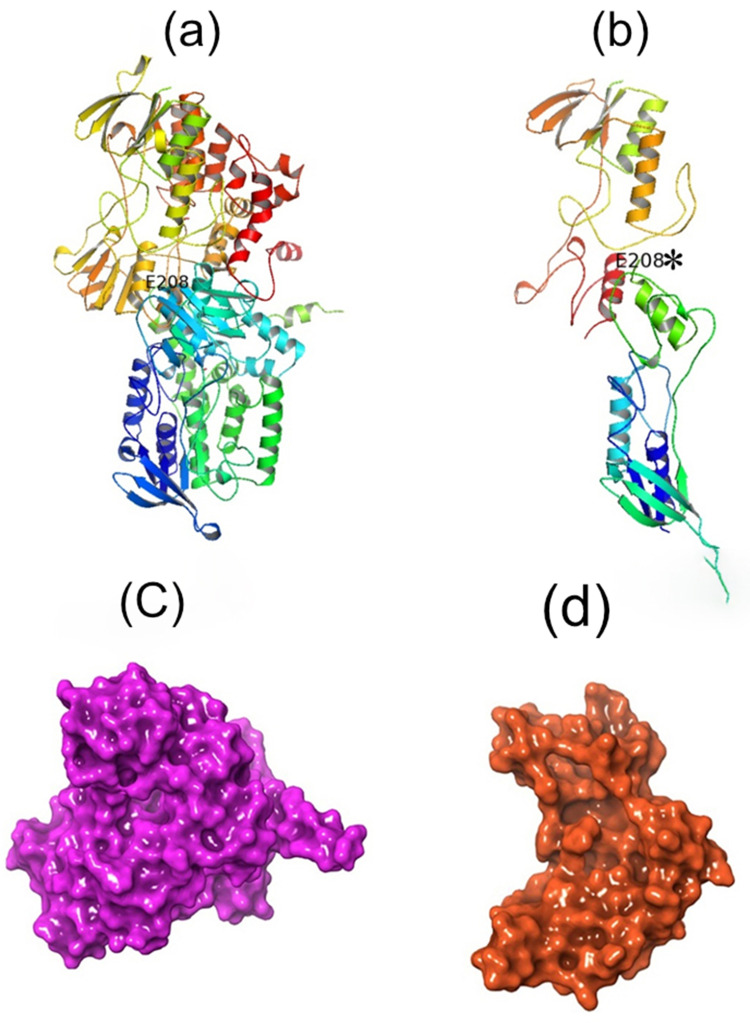
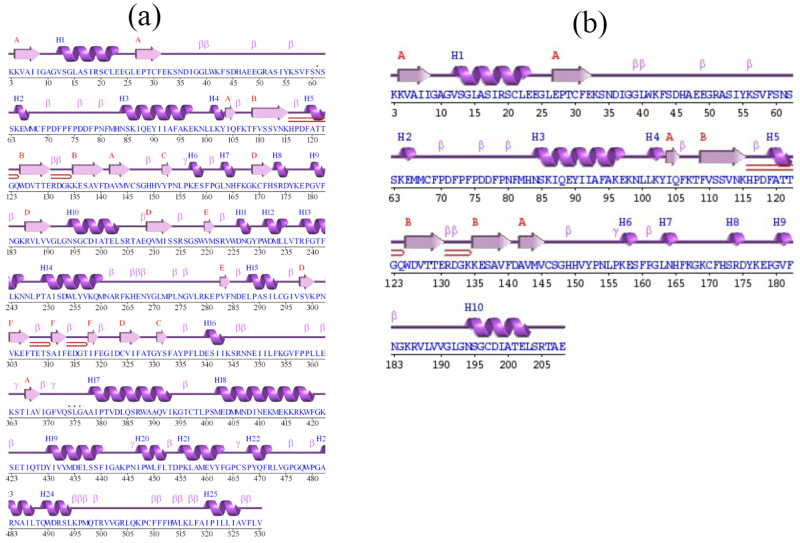
The results have revealed elevated TMA levels were present in both urine and plasma samples, while TMAO levels were significantly lower compared to control group. Further, we utilized plasma sample from the TMAU patient as novel model to investigate the potential effect of low TMAO on monocyte and endothelial cell function in vitro. DNA sequencing analysis identified a c.622G >T (p.Glu208*) which creates a premature stop codon in FMO3 gene.
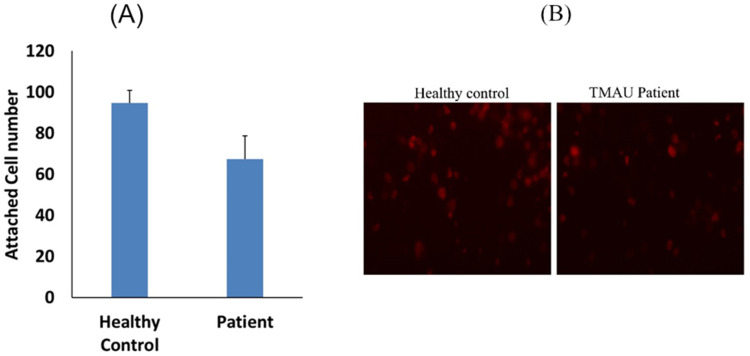
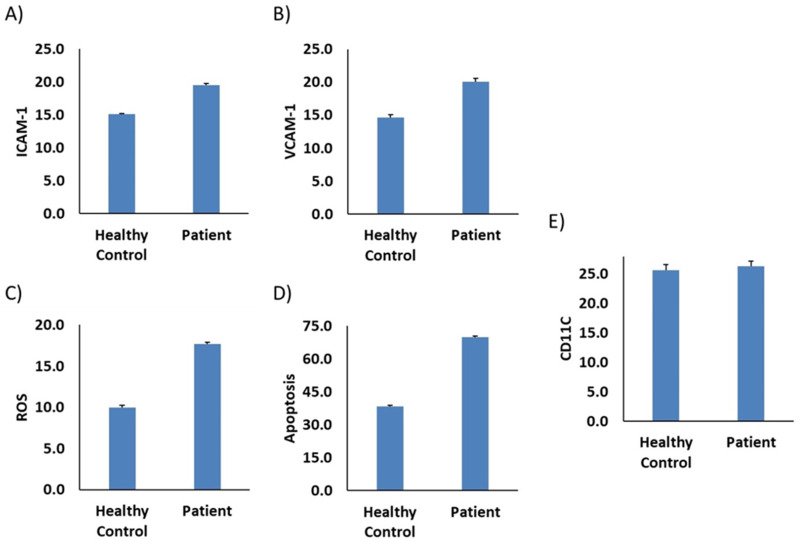
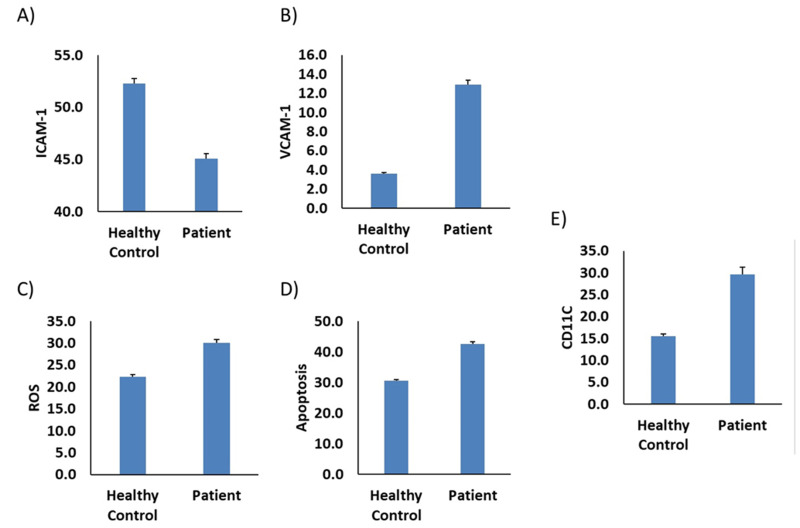
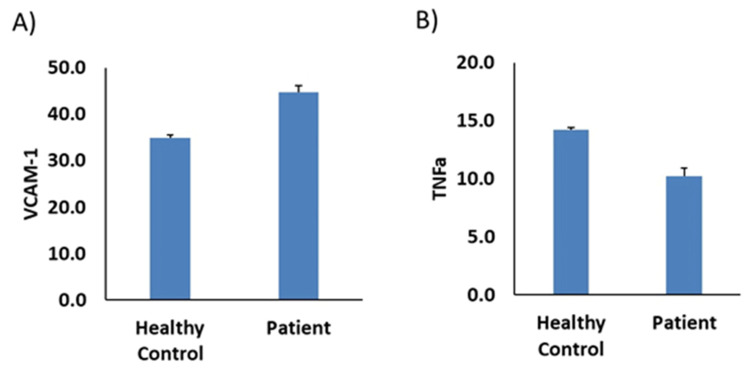
Our findings revealed differential responses in monocytes and endothelial cells stimulated with plasma from the TMAU patient compared to plasma from non-TMAU patients. These distinct responses may be key modulators of endothelial function and contributes to vascular damage.
三甲胺尿症(TMAU)是一种罕见的隐性遗传疾病,全球患病率有限。迄今为止,沙特阿拉伯尚无TMAU病例的官方报告。
在本研究中,我们开发了一种液相色谱-质谱(LC-MS)方法,用于分析尿液和血浆样本中的三甲胺(TMA)和氧化三甲胺(TMAO),以诊断沙特阿拉伯首例TMAU病例。
一名41岁的沙特男子在国民警卫队医院被诊断为TMAU。采集血液和尿液样本以确诊TMAU。在本研究中,我们研究了LC-MS、细胞培养、流式细胞术、黏附试验和桑格测序分析。此外,在本研究中,我们选择了5名健康对照者。
结果显示,尿液和血浆样本中的TMA水平均升高,而TMAO水平与对照组相比显著降低。此外,我们利用TMAU患者的血浆样本作为新模型,体外研究低TMAO对单核细胞和内皮细胞功能的潜在影响。DNA测序分析确定了一个c.622G>T(p.Glu208*)突变,该突变在FMO3基因中产生了一个提前终止密码子。
我们的研究结果显示,与非TMAU患者的血浆相比,TMAU患者的血浆刺激的单核细胞和内皮细胞有不同反应。这些不同反应可能是内皮功能的关键调节因子,并导致血管损伤。