Luo Jin-Zhou, Lin Jie-Zhao, Chen Qi-Fan, Yang Chang-Jian, Zhou Chu-Song
Department of Orthopedic, Shenzhen Hengsheng Hospital, 20 Yintian Road, Baoan District, Shenzhen, 518102, Guangdong Province, China.
Department of Spinal Surgery, Orthopedic Medical Center, Zhujiang Hospital, Southern Medical University, 253 Industrial Avenue Central, Guangzhou, 510260, Guangdong Province, China.
Sci Rep. 2025 Jan 6;15(1):1023. doi: 10.1038/s41598-024-84174-w.
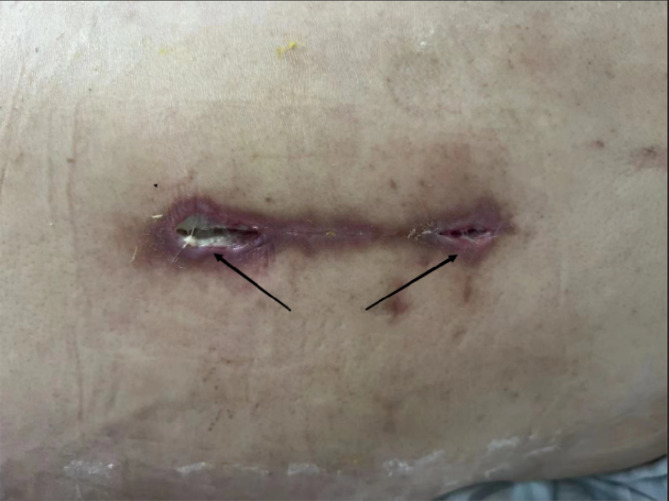
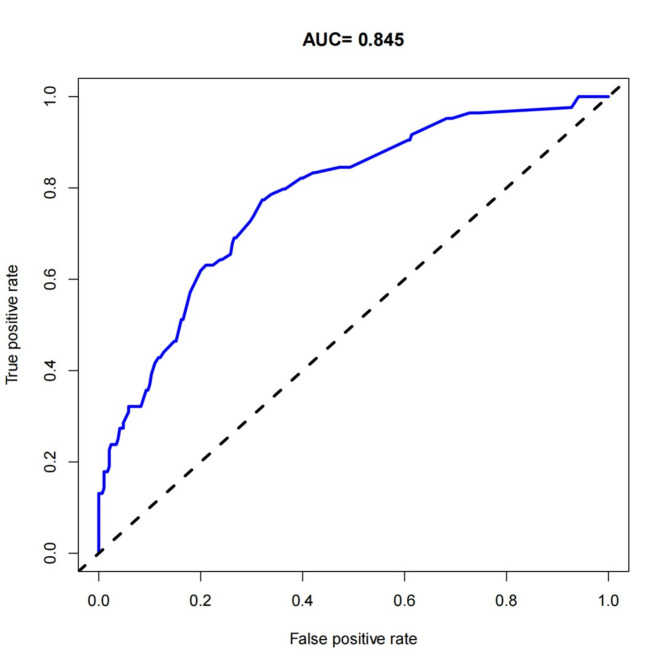
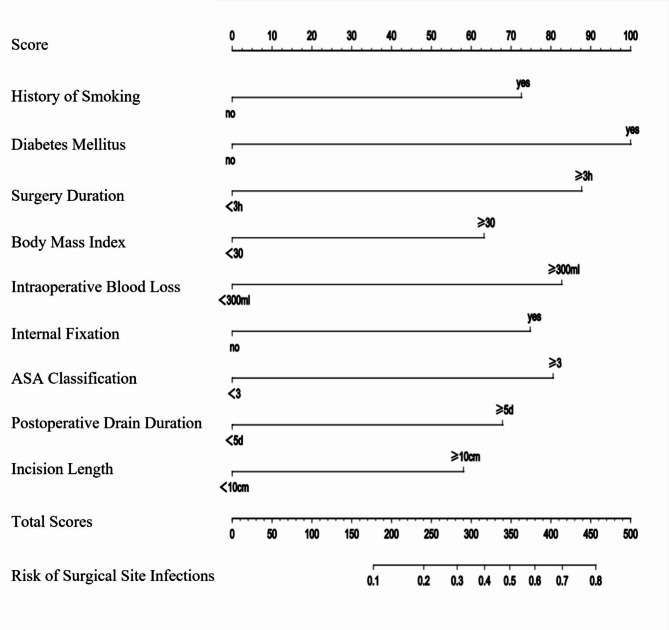
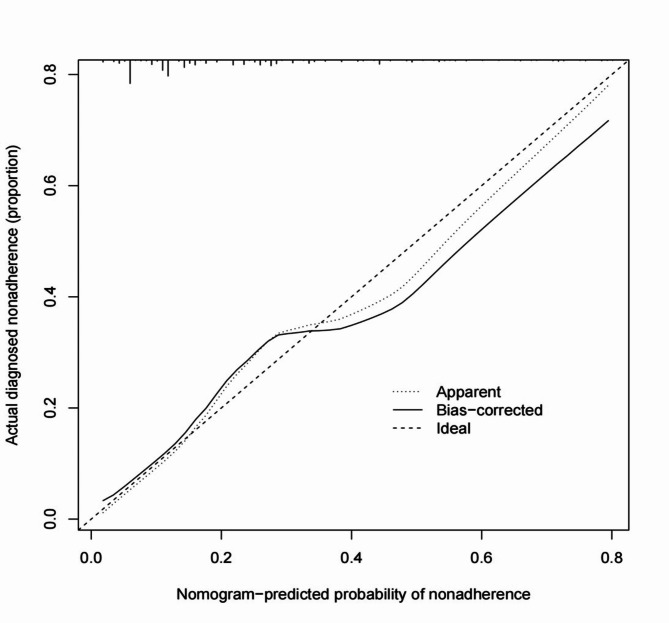
Surgical site infections (SSIs) are a significant concern following posterior lumbar fusion surgery, leading to increased morbidity and healthcare costs. Accurate prediction of SSI risk is crucial for implementing preventive measures and improving patient outcomes. This study aimed to construct and validate a nomogram predictive model for assessing the risk of SSIs following posterior lumbar fusion surgery. A retrospective study was conducted on 1015 patients who underwent posterior lumbar fusion surgery at our hospital from January 2019 to December 2022. Clinical data, including patient demographics, comorbidities, surgical details, and postoperative outcomes, were collected. SSIs were defined based on the Centers for Disease Control and Prevention (CDC) criteria. Univariate analysis identified significant risk factors, which were then included in a binary logistic regression to develop the nomogram. The model's performance was evaluated using the concordance index (C-index), calibration curves, and receiver operating characteristic (ROC) curves. The incidence of SSIs was 5.02% (51/1015). The most common pathogens were Staphylococcus aureus and Escherichia coli. Significant risk factors for SSIs included smoking history, diabetes, surgery duration ≥ 3 h, intraoperative blood loss ≥ 300 ml, ASA classification ≥ 3, postoperative closed drainage duration ≥ 5 days, incision length ≥ 10 cm, BMI ≥ 30 kg/m, and the presence of internal fixation. The nomogram demonstrated a C-index of 0.779 and an AUC of 0.845, indicating high predictive accuracy. The calibration curve closely matched the ideal curve, confirming the model's reliability. The constructed nomogram predictive model demonstrated high accuracy in predicting SSI risk following posterior lumbar fusion surgery. This model can aid clinicians in identifying high-risk patients and implementing targeted preventive measures to improve surgical outcomes.
腰椎后路融合手术后,手术部位感染(SSIs)是一个重大问题,会导致发病率增加和医疗成本上升。准确预测SSI风险对于实施预防措施和改善患者预后至关重要。本研究旨在构建并验证一个列线图预测模型,以评估腰椎后路融合手术后发生SSIs的风险。对2019年1月至2022年12月在我院接受腰椎后路融合手术的1015例患者进行了回顾性研究。收集了临床数据,包括患者人口统计学资料、合并症、手术细节和术后结果。SSIs根据疾病控制与预防中心(CDC)的标准进行定义。单因素分析确定了显著的风险因素,然后将其纳入二元逻辑回归以构建列线图。使用一致性指数(C指数)、校准曲线和受试者工作特征(ROC)曲线评估模型的性能。SSIs的发生率为5.02%(51/1015)。最常见的病原体是金黄色葡萄球菌和大肠杆菌。SSIs的显著风险因素包括吸烟史、糖尿病、手术时间≥3小时、术中失血量≥300毫升、美国麻醉医师协会(ASA)分级≥3、术后闭式引流时间≥5天、切口长度≥10厘米、体重指数(BMI)≥30kg/m²以及存在内固定。该列线图的C指数为0.779,曲线下面积(AUC)为0.845,表明预测准确性高。校准曲线与理想曲线密切匹配,证实了模型的可靠性。构建的列线图预测模型在预测腰椎后路融合手术后的SSI风险方面具有较高的准确性。该模型可帮助临床医生识别高危患者并实施有针对性的预防措施,以改善手术结果。