Venu Harish, Soudagar Manzoore Elahi M, Kiong Tiong Sieh, Razali N M, Wei Hua-Rong, Rajabi Armin, Raju V Dhana, Khan T M Yunus, Almakayeel Naif, Cuce Erdem, Seker Huseyin
Institute of Sustainable Energy, Universiti Tenaga Nasional, Jalan IKRAM-UNITEN, 43000, Kajang, Selangor, Malaysia.
College of Engineering, Lishui University, 323000, Lishui, Zhejiang, China.
Sci Rep. 2025 Jan 6;15(1):983. doi: 10.1038/s41598-024-83211-y.
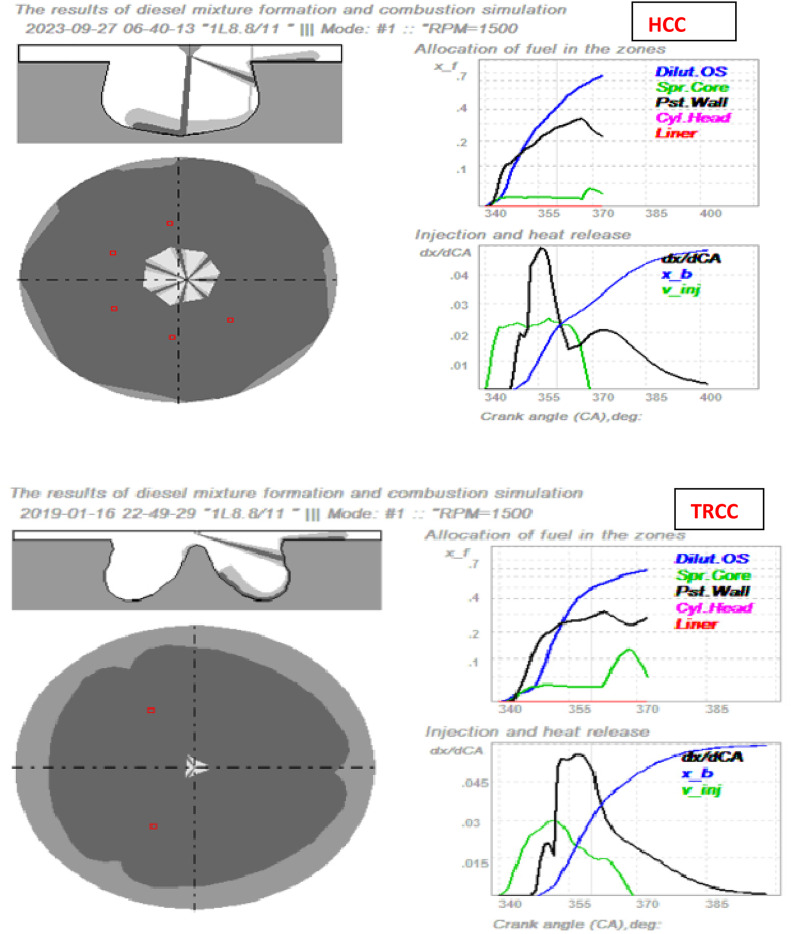
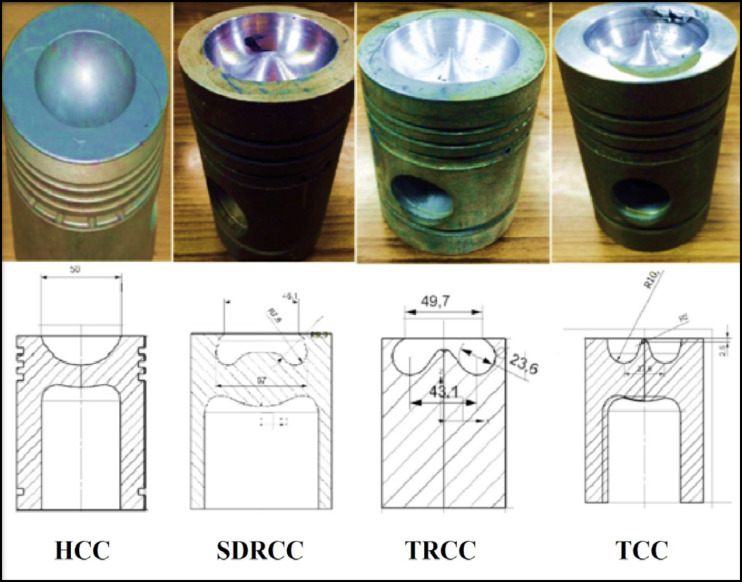
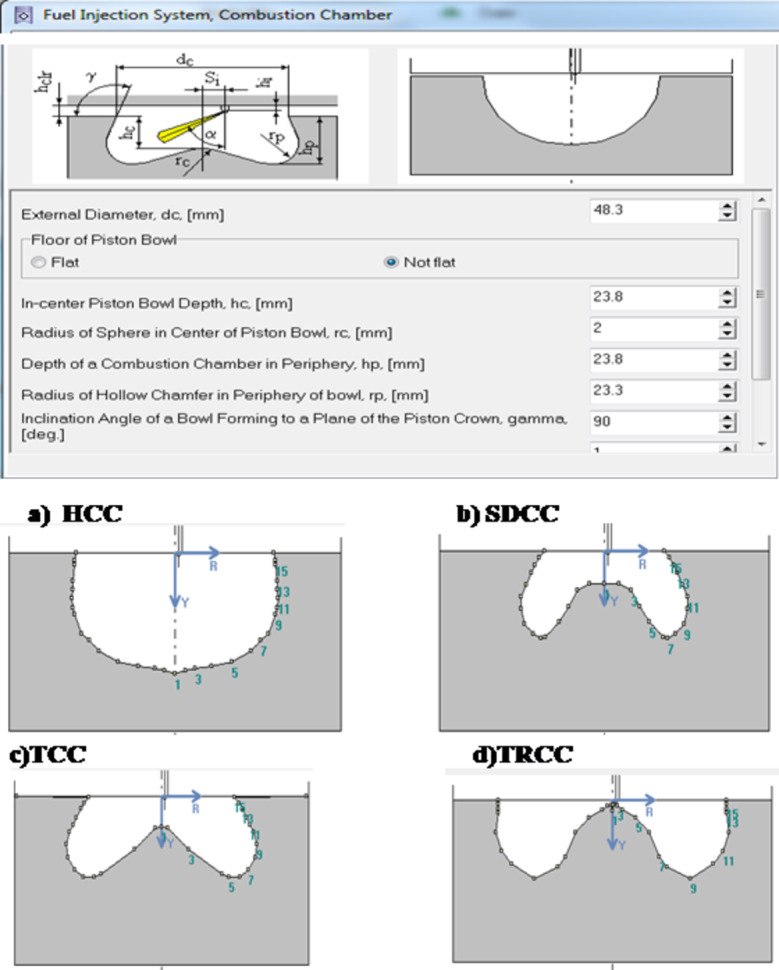
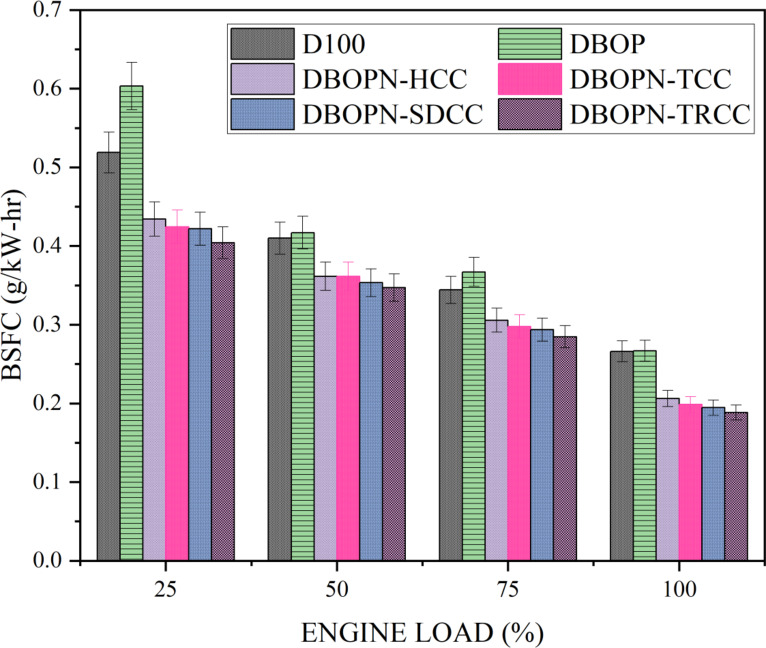
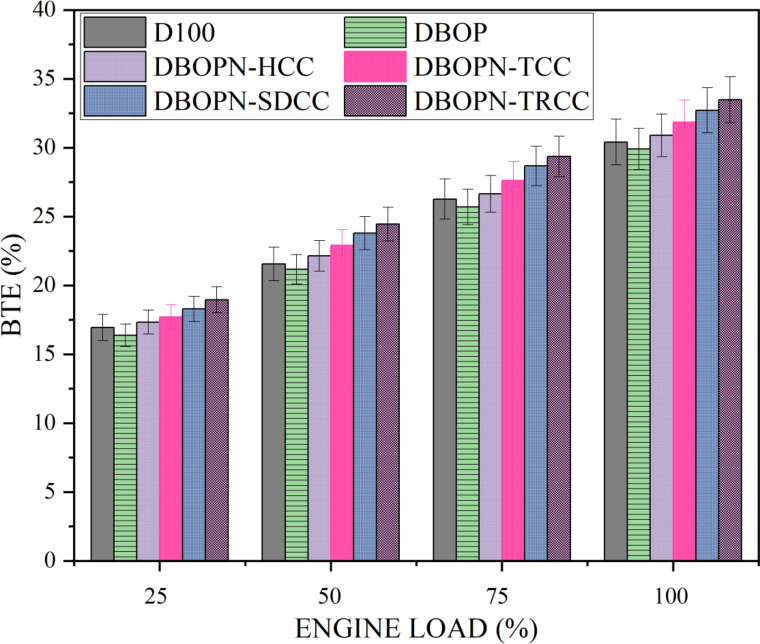
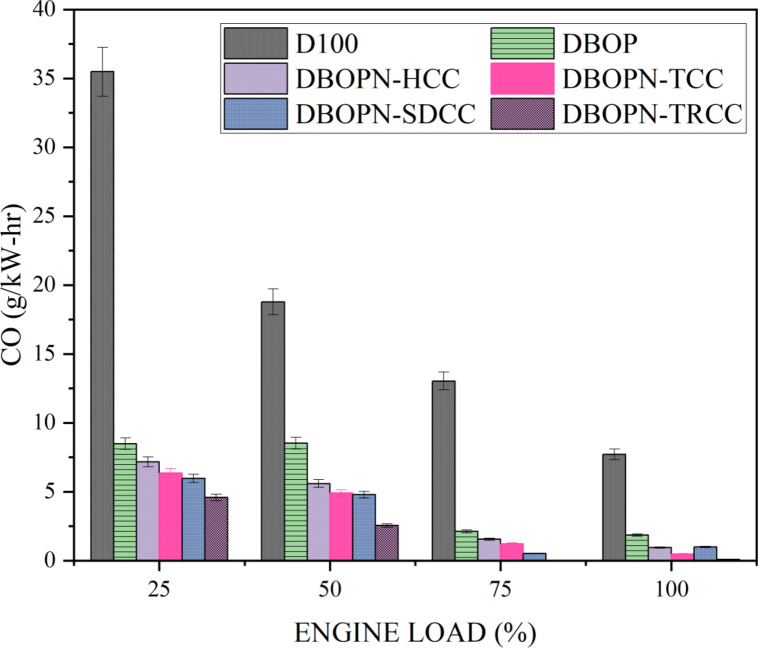
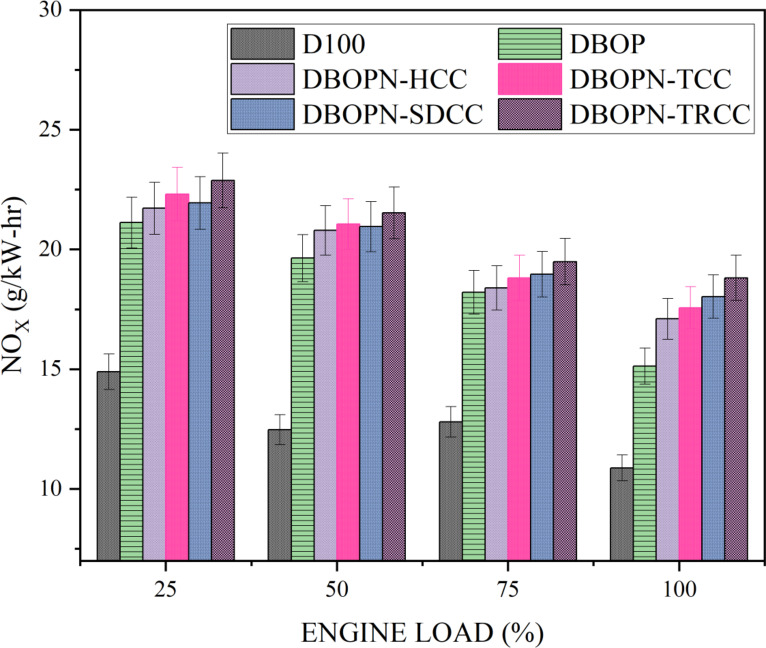
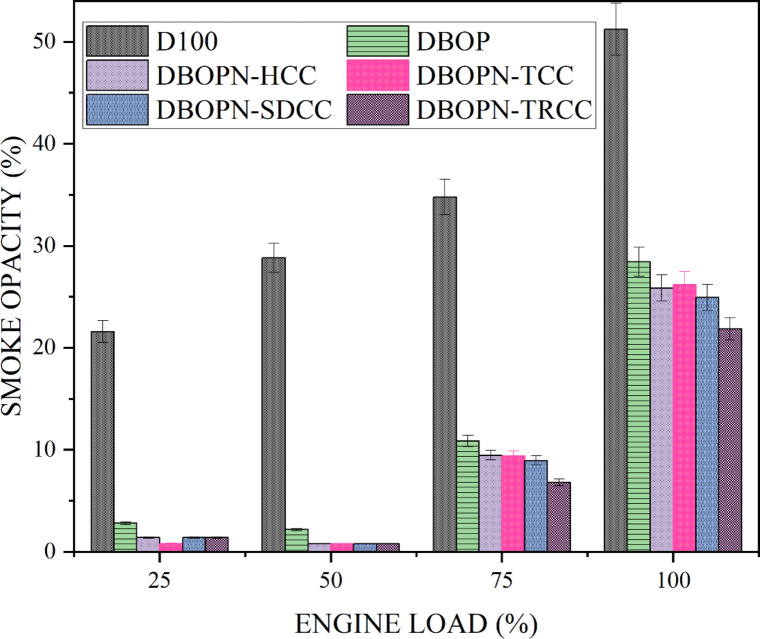
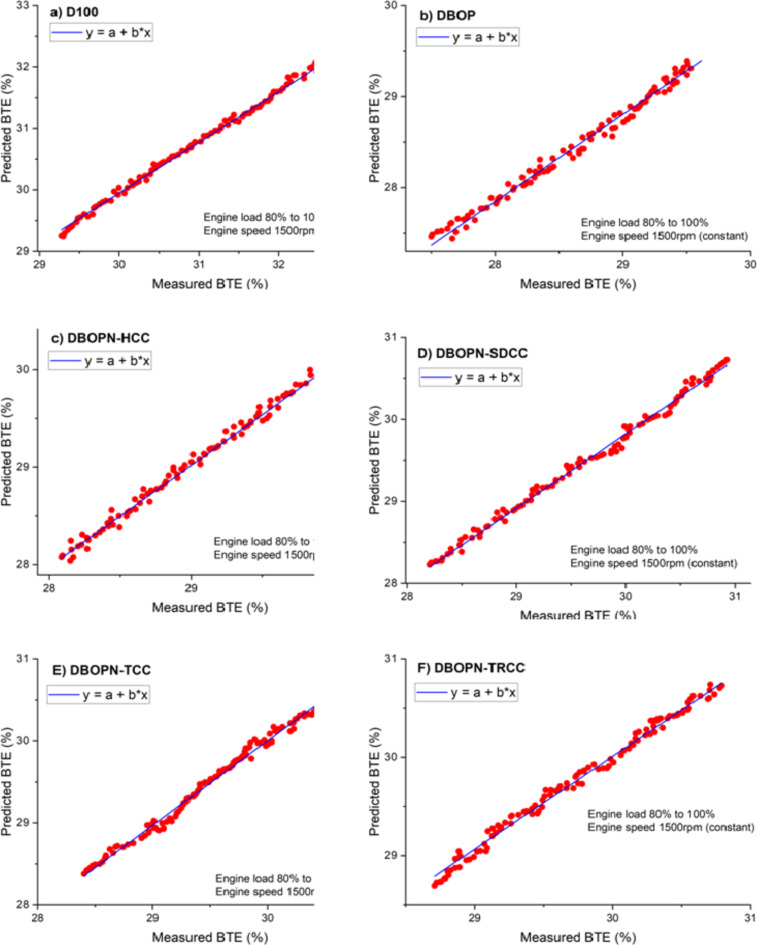
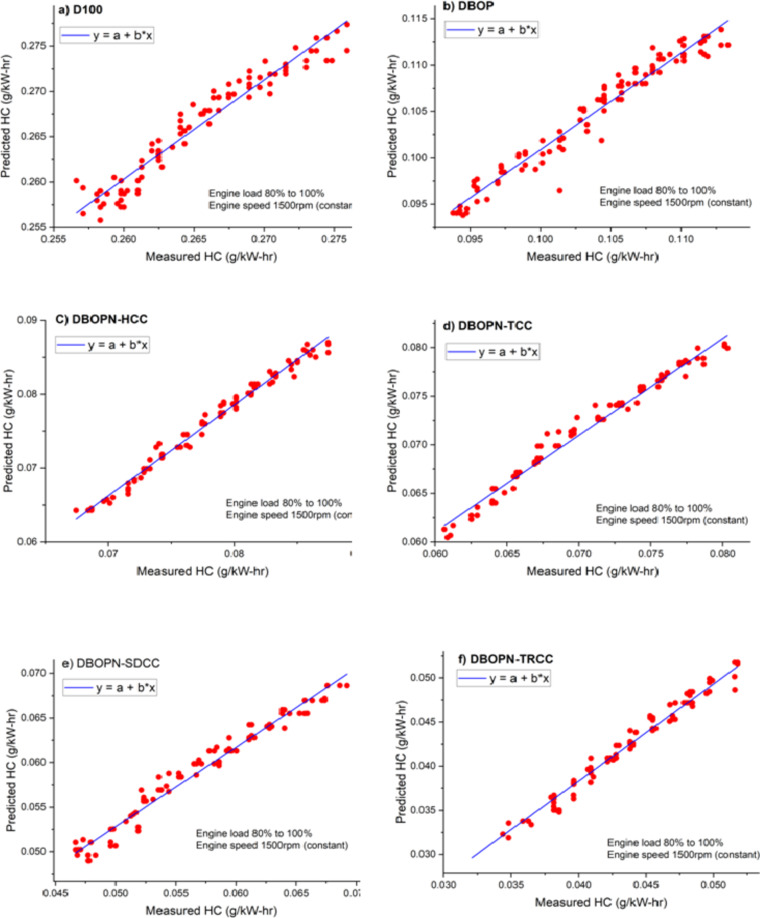
This study explores the integration of nanotechnology and Long Short-Term Memory (LSTM) machine learning algorithms to enhance the understanding and optimization of fuel spray dynamics in compression ignition (CI) engines with varying bowl geometries. The incorporation of nanotechnology, through the addition of nanoparticles to conventional fuels, improves fuel atomization, combustion efficiency, and emission control. Simultaneously, LSTM models are employed to analyze and predict the complex spray behavior under diverse operational and geometric conditions. Key parameters, including spray penetration, droplet size distribution, and evaporation rates, are modeled and validated against experimental data. The findings reveal that nanoparticle-enhanced fuels, coupled with LSTM-based predictive analytics, lead to superior combustion performance and lower pollutant formation. This interdisciplinary approach provides a robust framework for designing next-generation CI engines with improved efficiency and sustainability. Diesel engine performance and emissions were found to be influenced by variations in combustion chamber geometry, underwent validation through simulation using Diesel-RK. Re-entrant bowl profile in quaternary blend is found to exhibit 31.3% higher BTE and 8.65% lowered BSFC than the conventional HCC bowl at full load condition. Emission wise, re-entrant bowl induced 90.16% lowered CO, 59.95% lowered HC and 15.48% lowered smoke owing to improved spray penetration and faster burning of soot precursors. However, the NO emissions of DBOPN-TRCC were found to be higher. The simulation outcomes, derived from Diesel-RK, were subsequently compared with empirical data obtained from real-world experiments. These experiments were systematically carried out under identical operating conditions, employing different piston bowl geometries.
本研究探索了纳米技术与长短期记忆(LSTM)机器学习算法的整合,以增强对具有不同碗形几何结构的压缩点火(CI)发动机中燃油喷雾动力学的理解和优化。通过向传统燃料中添加纳米颗粒来引入纳米技术,可改善燃油雾化、燃烧效率和排放控制。同时,采用LSTM模型来分析和预测在不同运行和几何条件下的复杂喷雾行为。对包括喷雾贯穿距离、液滴尺寸分布和蒸发速率在内的关键参数进行建模,并与实验数据进行验证。研究结果表明,纳米颗粒增强燃料与基于LSTM的预测分析相结合,可带来卓越的燃烧性能和更低的污染物形成。这种跨学科方法为设计具有更高效率和可持续性的下一代CI发动机提供了一个强大的框架。发现柴油发动机的性能和排放受燃烧室几何形状变化的影响,并通过使用Diesel-RK进行模拟验证。发现在满负荷条件下,四元混合中的凹腔碗形轮廓比传统的半球形碗形具有高31.3%的制动热效率和低8.65%的制动比油耗。在排放方面,由于喷雾贯穿距离的改善和碳烟前驱体的更快燃烧,凹腔碗形使一氧化碳降低90.16%、碳氢化合物降低59.95%、碳烟降低15.48%。然而,发现DBOPN-TRCC的氮氧化物排放较高。随后将来自Diesel-RK的模拟结果与从实际实验获得的经验数据进行比较。这些实验在相同的运行条件下系统地进行,采用不同的活塞碗形几何结构。