Anaclerio Federico, Minelli Maria, Antonucci Ivana, Gatta Valentina, Stuppia Liborio
Center for Advanced Studies and Technology (CAST), "G. d'Annunzio" University of Chieti-Pescara, 66100 Chieti, Italy.
Department of Neurosciences, Imaging and Clinical Sciences, "G. d'Annunzio" University of Chieti-Pescara, 66100 Chieti, Italy.
Biomedicines. 2024 Nov 25;12(12):2686. doi: 10.3390/biomedicines12122686.
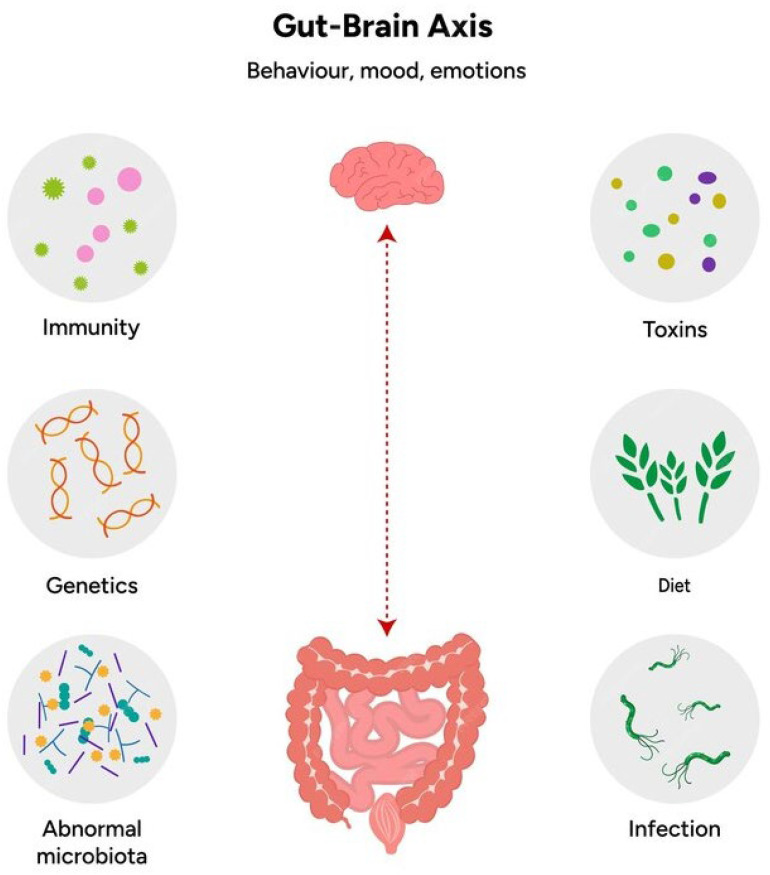
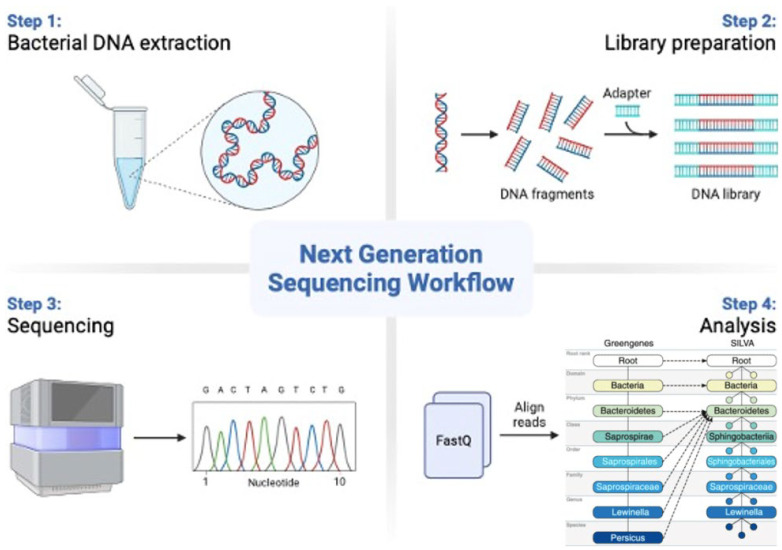
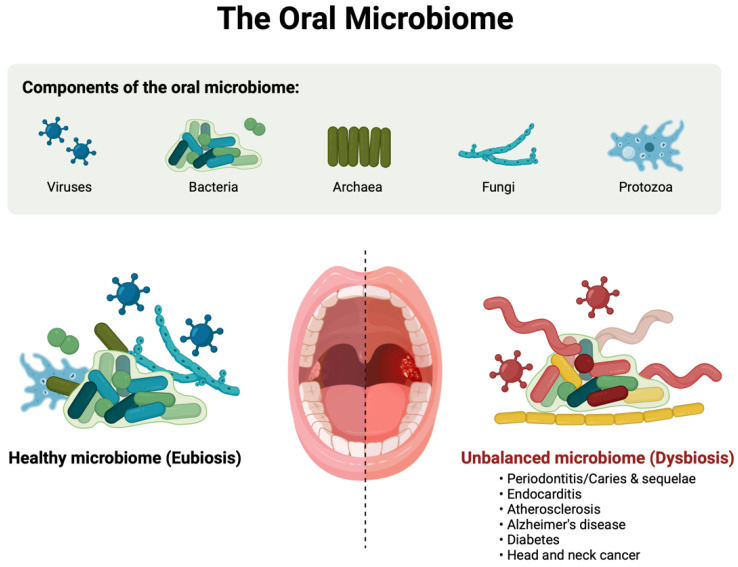
Autism spectrum disorder (ASD) is a complex neurodevelopmental condition with multifactorial etiologies, including genetic, environmental, and microbiological factors. In recent years, increasing attention has been given to the role of the gut microbiota in ASD. Emerging evidence suggests that gut microbiota dysbiosis may influence the central nervous system through the gut-brain axis, potentially impacting behavior and neurodevelopment. The use of 16S rRNA gene sequencing has become a pivotal tool in profiling the microbial communities associated with ASD, offering valuable insights into bacterial diversity, composition, and potential functional roles. This review aims to provide a comprehensive analysis of current findings on the relationship between the gut and oral microbiota with ASD, and a particular focus on studies utilizing 16S rRNA sequencing. We will explore how gut microbiome alterations may contribute to ASD pathophysiology, discuss the limitations of existing research, and propose future directions for the integration of microbiome analysis in ASD diagnostics and treatment strategies. These findings underscore the potential role of microbiota in modulating ASD symptoms. The data suggest that specific bacterial taxa are consistently altered in ASD, which may have implications for understanding the gut-brain axis and its influence on neurodevelopment.
自闭症谱系障碍(ASD)是一种具有多因素病因的复杂神经发育疾病,包括遗传、环境和微生物因素。近年来,肠道微生物群在ASD中的作用受到越来越多的关注。新出现的证据表明,肠道微生物群失调可能通过肠-脑轴影响中枢神经系统,潜在地影响行为和神经发育。16S rRNA基因测序的应用已成为分析与ASD相关的微生物群落的关键工具,为细菌多样性、组成和潜在功能作用提供了有价值的见解。本综述旨在全面分析目前关于肠道和口腔微生物群与ASD之间关系的研究结果,特别关注利用16S rRNA测序的研究。我们将探讨肠道微生物群改变如何导致ASD病理生理学,讨论现有研究的局限性,并提出微生物群分析在ASD诊断和治疗策略中整合的未来方向。这些发现强调了微生物群在调节ASD症状方面的潜在作用。数据表明,ASD中特定的细菌分类群持续发生变化,这可能对理解肠-脑轴及其对神经发育的影响具有重要意义。