Yemelyanov Vladislav V, Puzanskiy Roman K, Bogdanova Ekaterina M, Vanisov Sergey A, Kirpichnikova Anastasia A, Biktasheva Maria O, Mukhina Zhanna M, Shavarda Alexey L, Shishova Maria F
Department of Genetics and Biotechnology, Faculty of Biology, St. Petersburg State University, Universitetskaya em., 7/9, 199034 St. Petersburg, Russia.
Laboratory of Analytical Phytochemistry, Komarov Botanical Institute of the Russian Academy of Sciences, ul. Professora Popova, 2, 197376 St. Petersburg, Russia.
Int J Mol Sci. 2024 Dec 10;25(24):13256. doi: 10.3390/ijms252413256.
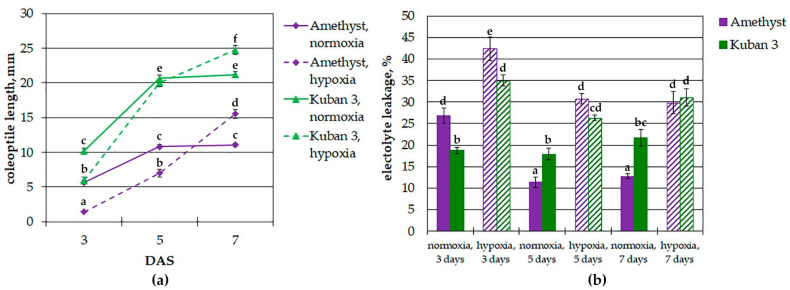
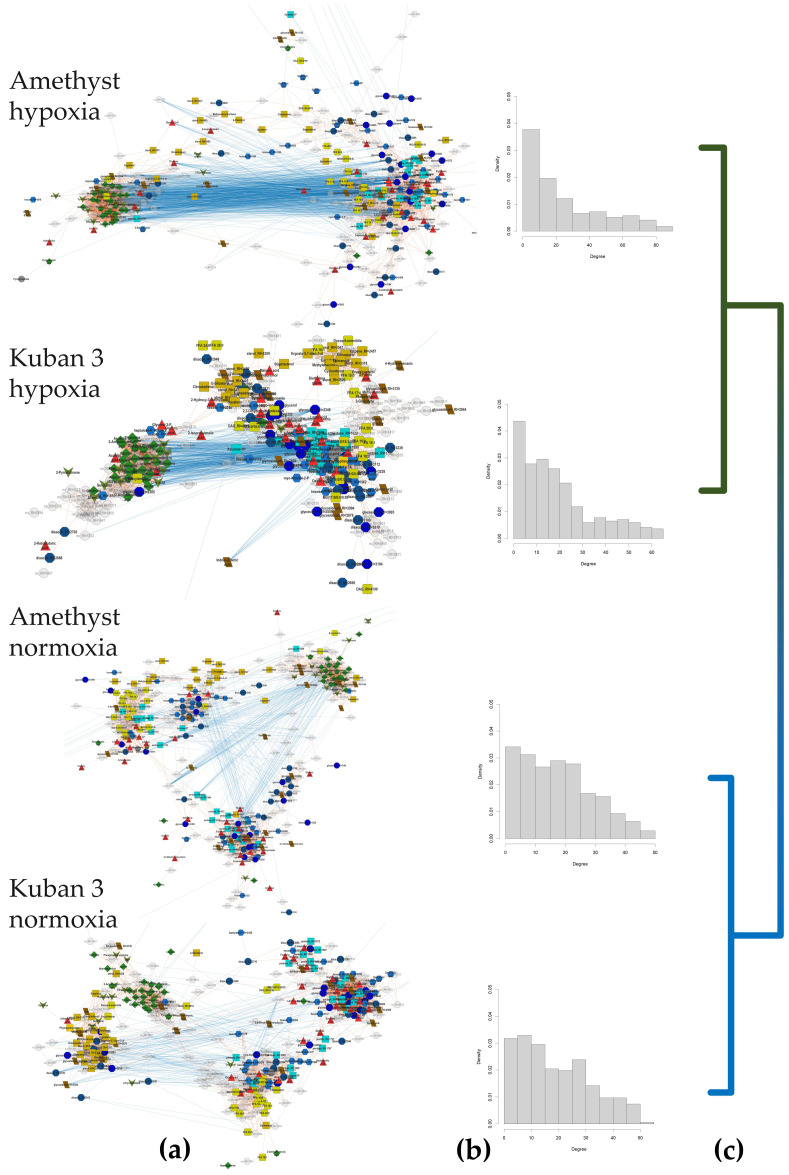
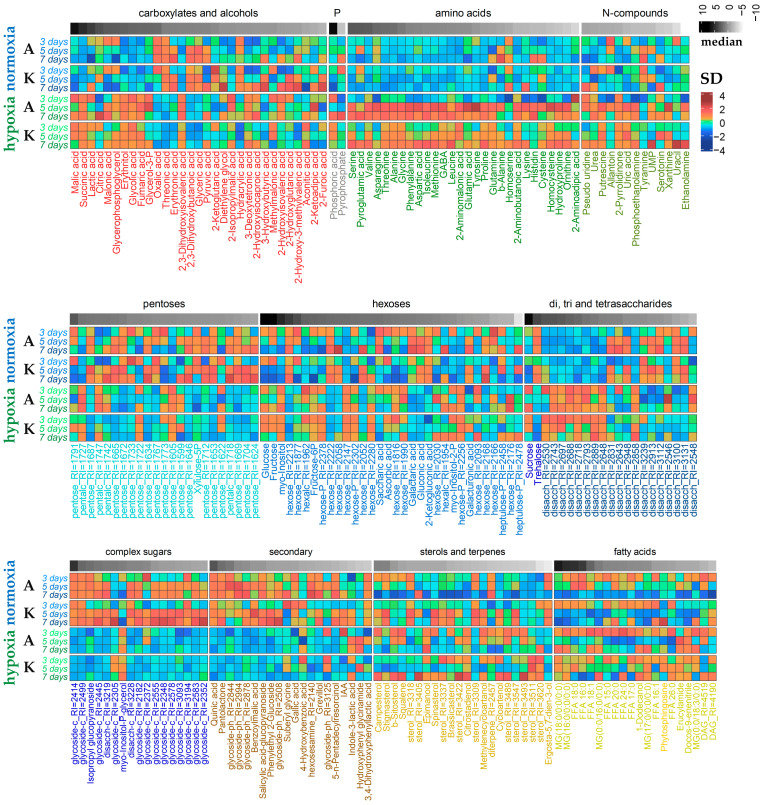
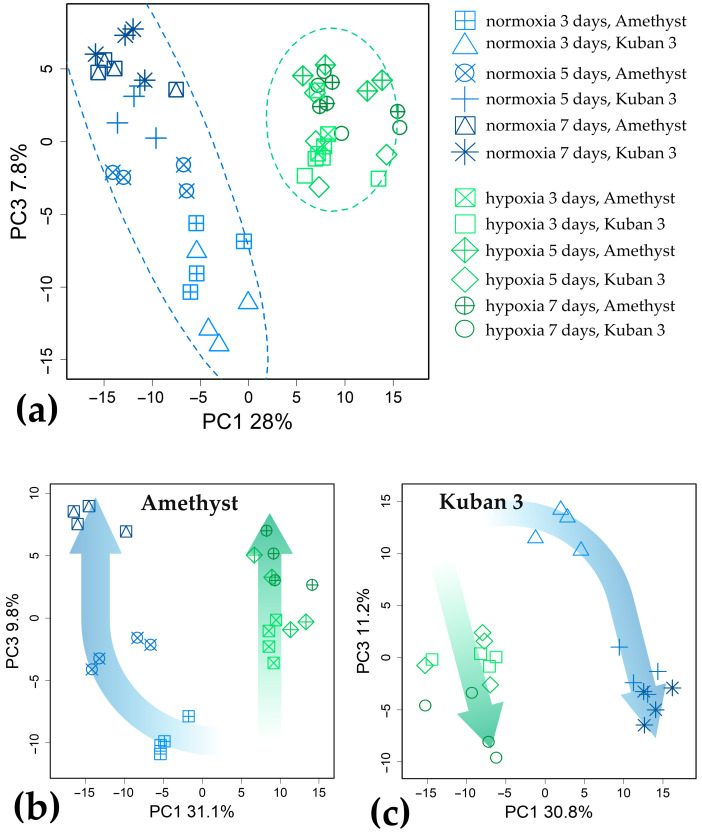
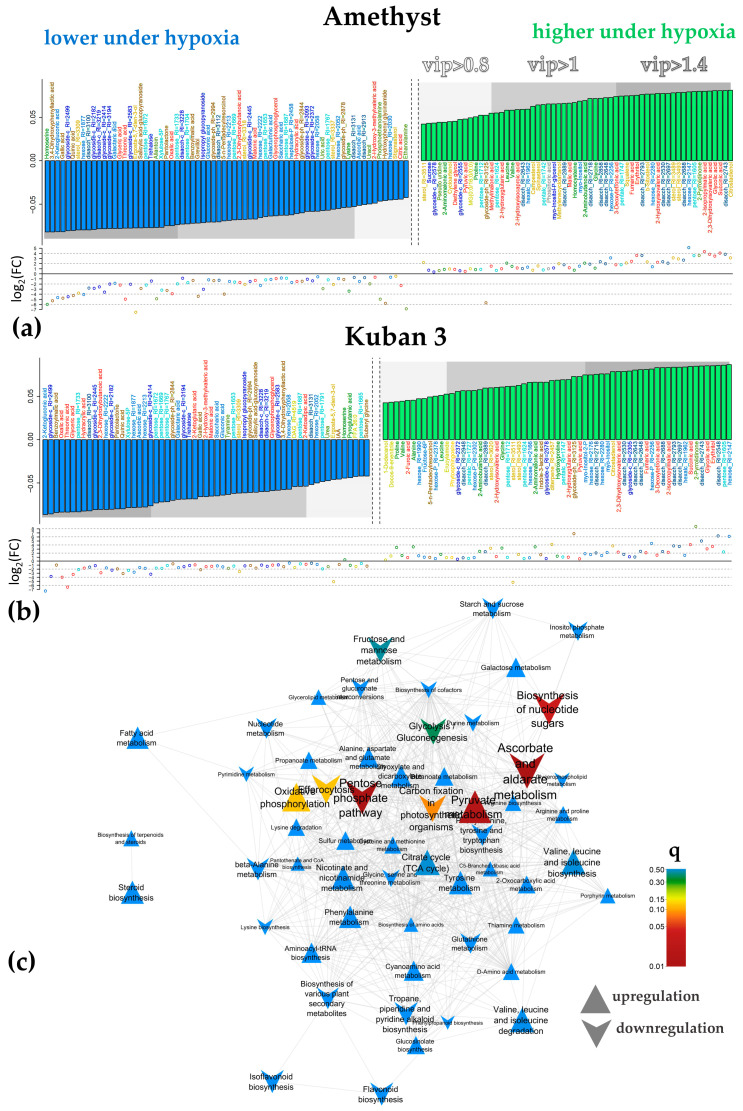
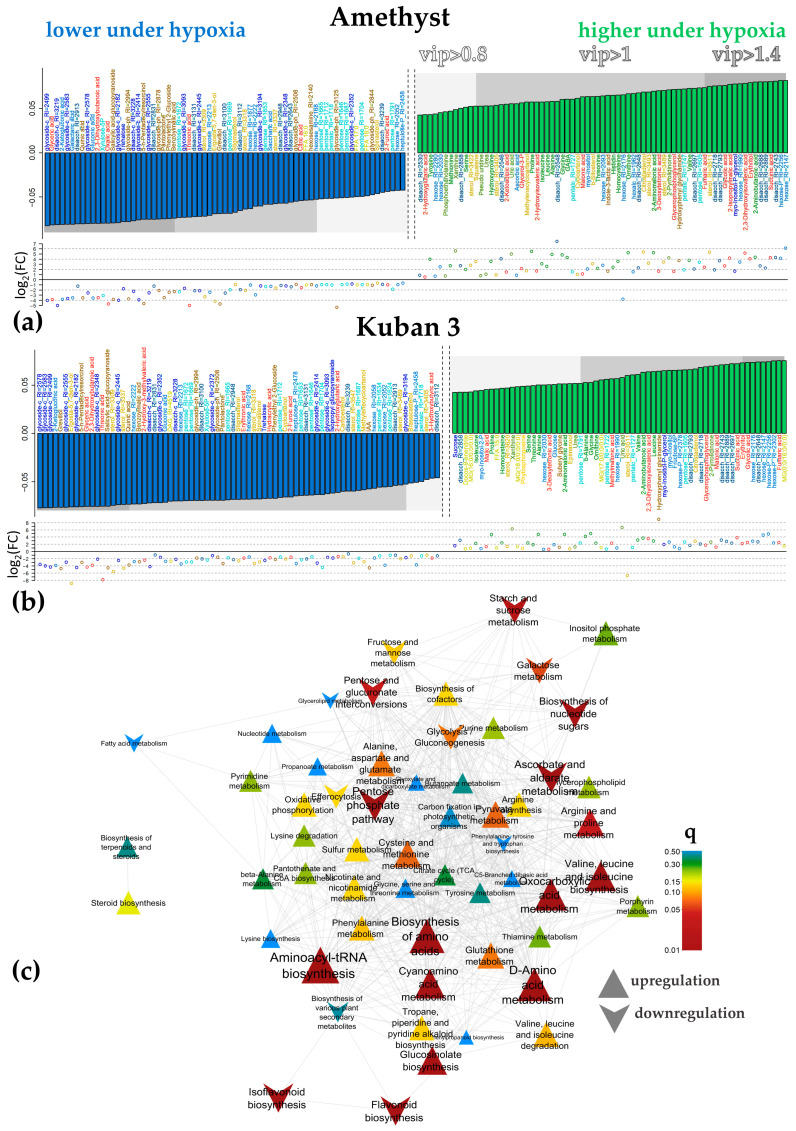
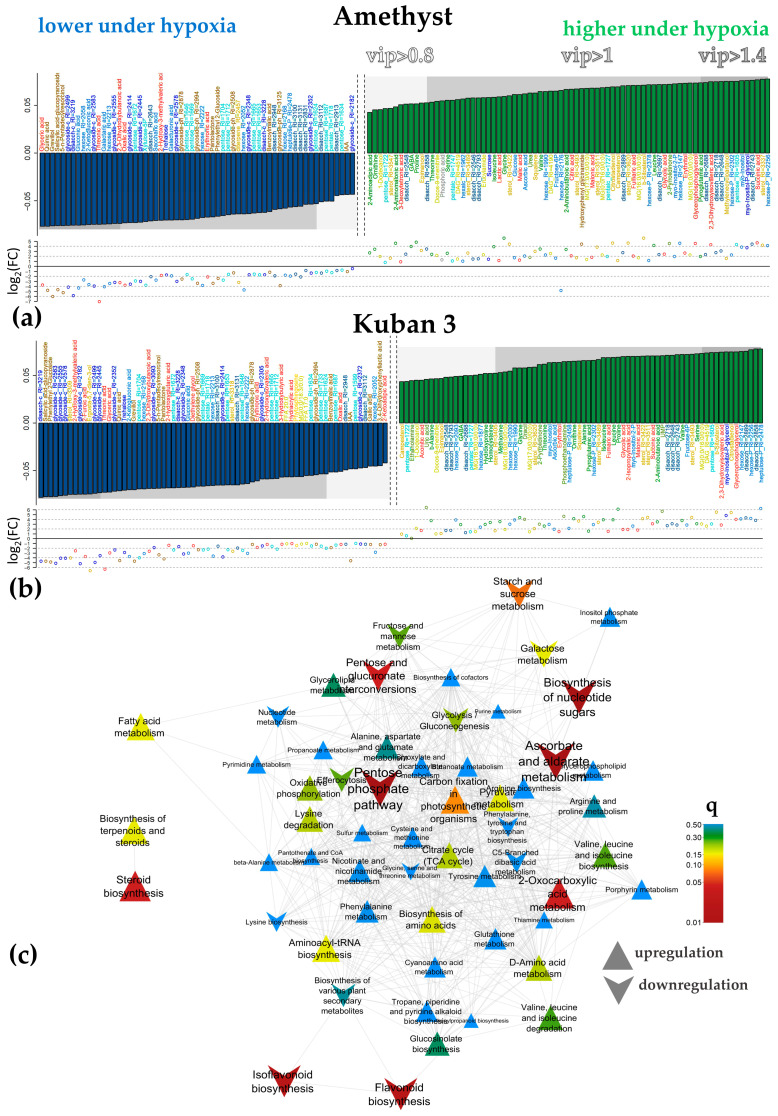
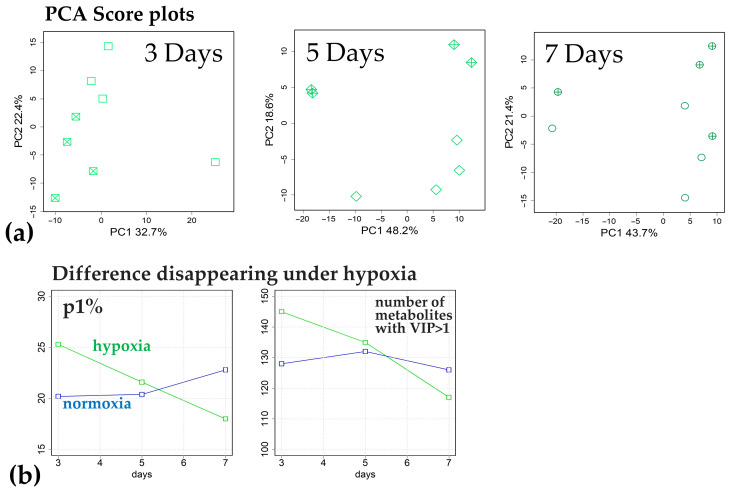
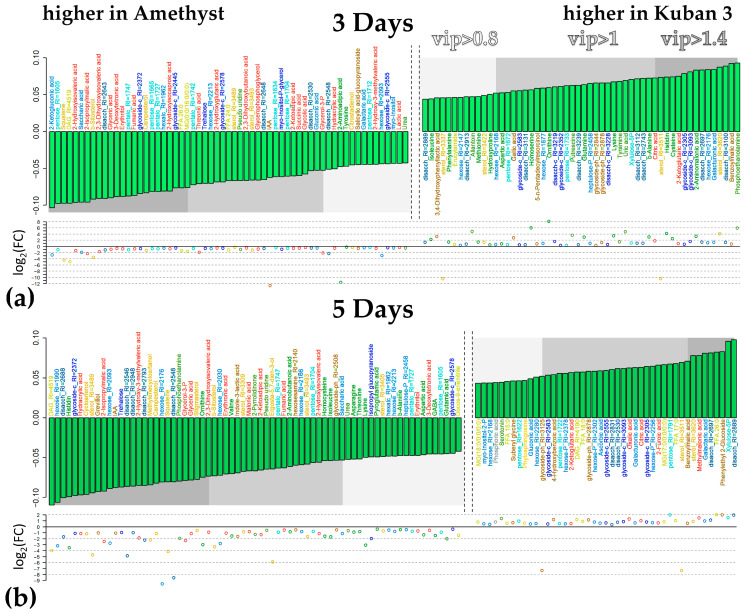
Plants known as obligate aerobes developed different mechanisms to overcome the damage incurred under oxygen limitation. One of the survival strategies to have commonly appeared in hydrophytic plants is the escape strategy, which accelerates plant axial organs' growth in order to escape hypoxic conditions as soon as possible. The present study aimed to distinguish the alterations in coleoptile elongation, viability and metabolic profiles in coleoptiles of slow- and fast-growing rice varieties. All the parameters were tested at 3, 5 and 7 days after sowing, to highlight changes during seedling development in normal and submerged conditions. The obtained results indicated that coleoptile elongation correlated with higher resistance to oxygen deprivation. GS-MS-based metabolic profiling indicated that coleoptiles of the fast-growing cultivar accumulated higher amounts of sugar phosphates, disaccharides, fatty acid derivatives and sterols, which are important for maintaining growth, membrane stability and viability. The slow-growing variety was characterized by a greater abundance of carboxylates, including lactate and phosphoric acid, indicating an energy crisis and cytosol acidification, leading to cell damage and low tolerance. Therefore, a metabolomics approach could be used for phenotyping (chemotyping) in the large-scale screening of newly developed varieties with higher tolerance to oxygen deprivation.
专性需氧植物进化出了不同的机制来克服在氧气限制下所遭受的损害。水生植物中常见的一种生存策略是逃避策略,即加速植物轴器官的生长,以便尽快逃离缺氧环境。本研究旨在区分生长缓慢和快速的水稻品种胚芽鞘伸长、活力及代谢谱的变化。所有参数均在播种后3天、5天和7天进行测试,以突出正常和淹水条件下幼苗发育过程中的变化。所得结果表明,胚芽鞘伸长与对缺氧的较高抗性相关。基于气相色谱-质谱联用的代谢谱分析表明,快速生长品种的胚芽鞘积累了更多的磷酸糖、二糖、脂肪酸衍生物和甾醇,这些物质对于维持生长、膜稳定性和活力很重要。生长缓慢的品种其特征在于羧酸盐含量更高,包括乳酸和磷酸,这表明存在能量危机和胞质溶胶酸化,导致细胞损伤和耐受性低。因此,代谢组学方法可用于在大规模筛选对缺氧具有更高耐受性的新培育品种时进行表型分析(化学分型)。