Tahia Faiza, Ma Dejian, Stephenson Daniel J, Basu Sandip K, Del Mar Nobel A, Lenchik Nataliya, Kochat Harry, Brown Kennard, Chalfant Charles E, Mandal Nawajes
Department of Pharmaceutical Sciences, University of Tennessee Health Science Center, Memphis, TN 38163, USA.
Department of Ophthalmology, University of Tennessee Health Science Center, Memphis, TN 38163, USA.
Int J Mol Sci. 2024 Dec 13;25(24):13389. doi: 10.3390/ijms252413389.
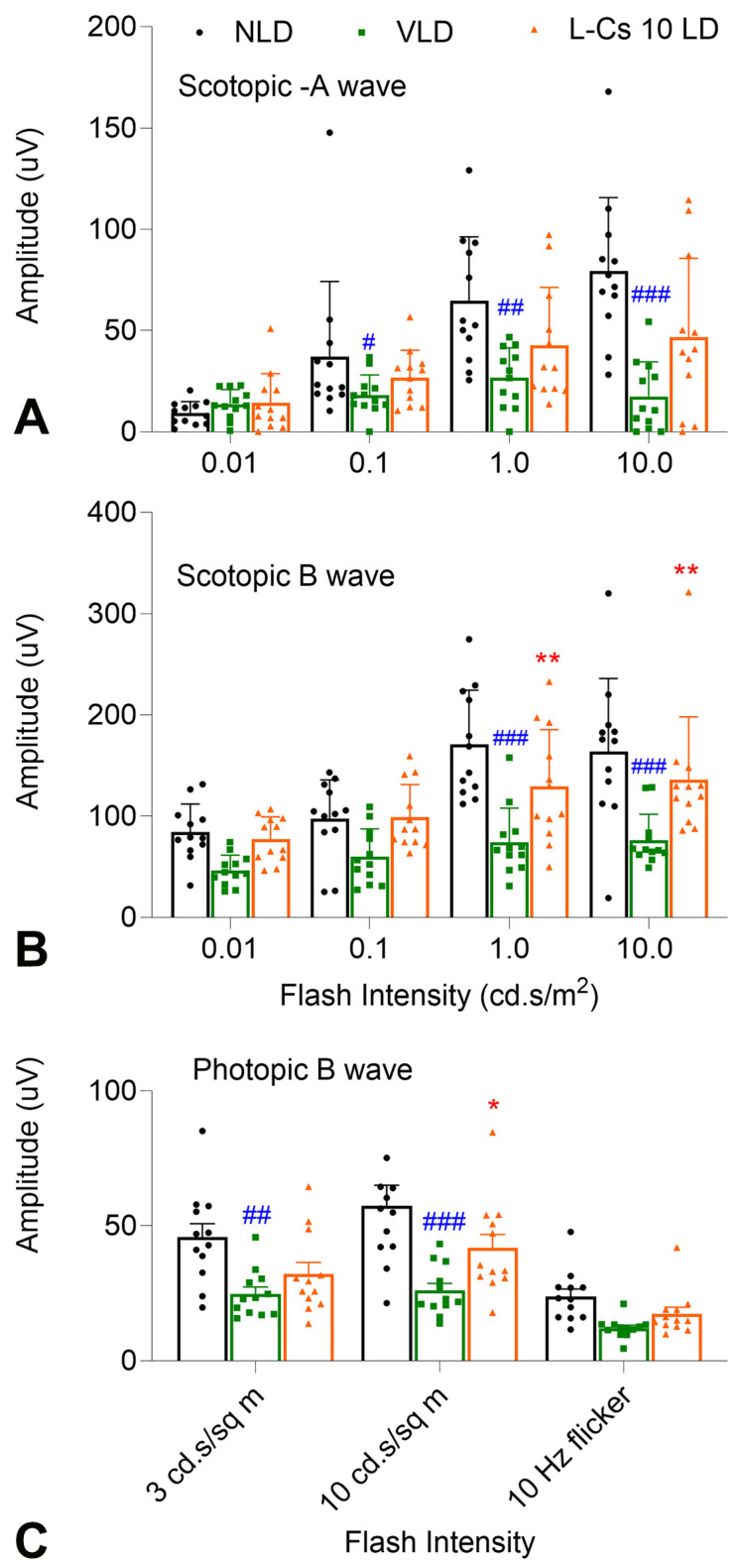
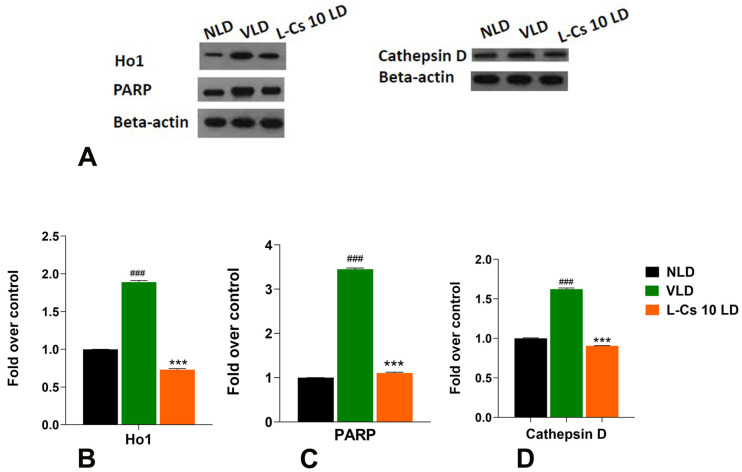
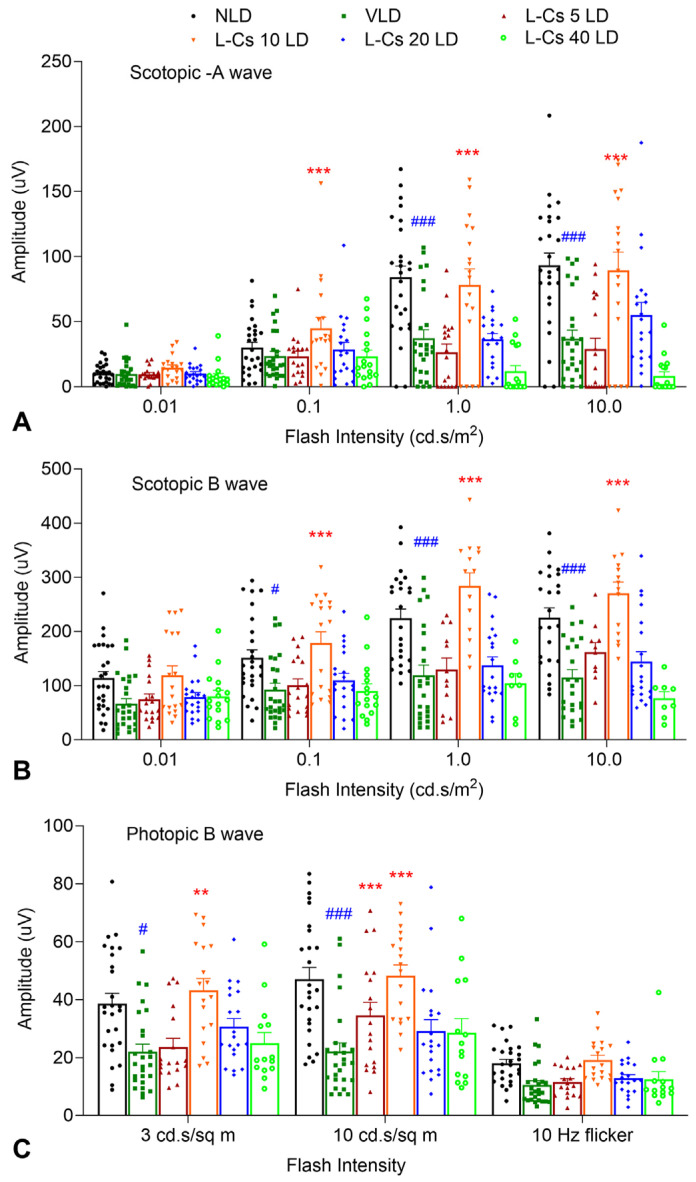
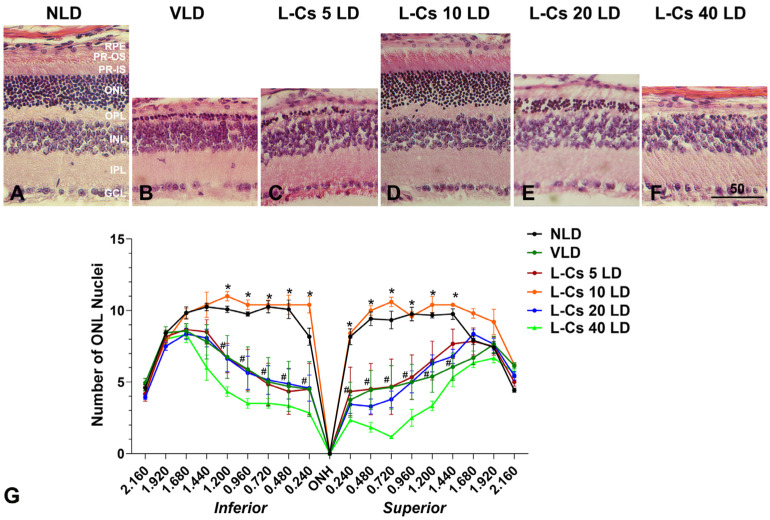
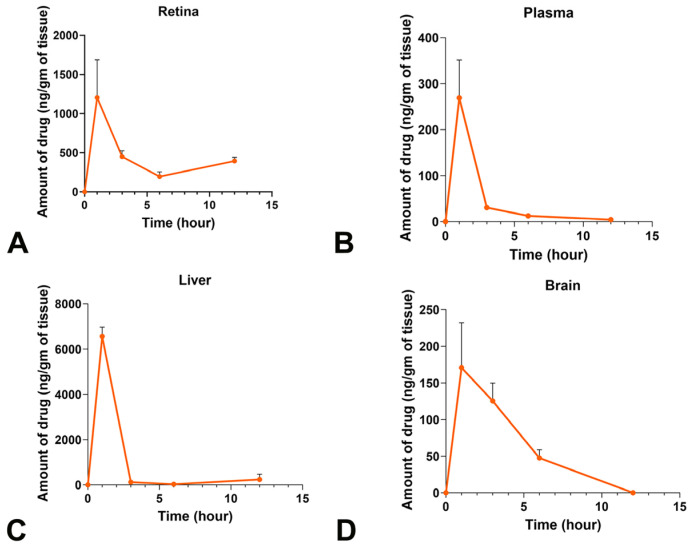
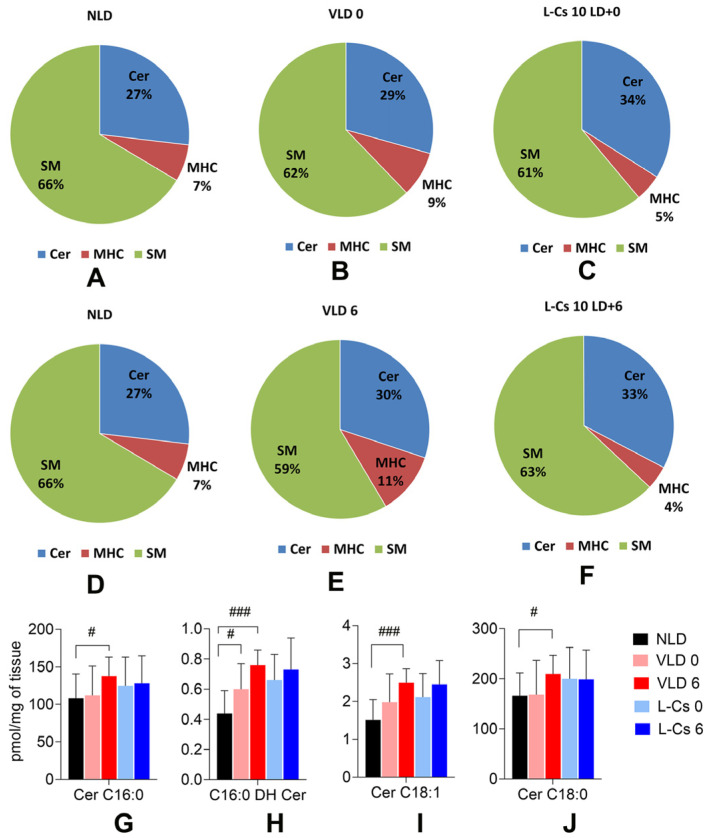
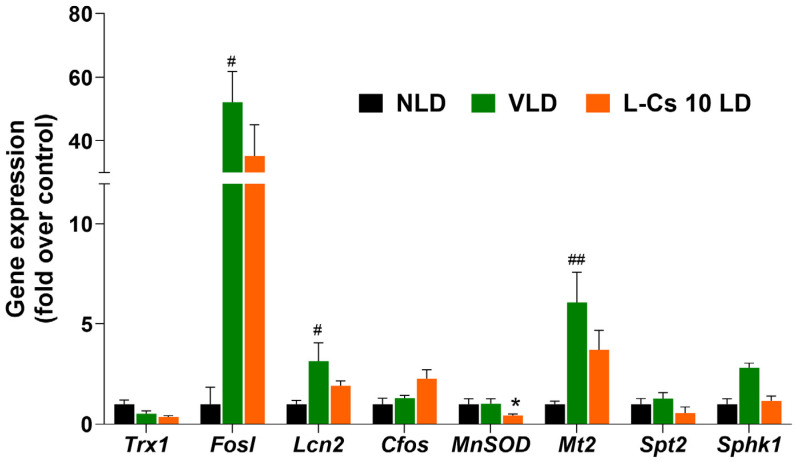
Retinal degenerative diseases lead to irreversible vision loss due to photoreceptor cell death, driven by complex genetic and environmental factors. Ceramide, a sphingolipid metabolite, emerges as a critical mediator in the apoptotic cascade associated with retinal degeneration. Our previous work demonstrated L-Cycloserine's ability to protect photoreceptor-derived cells from oxidative stress by inhibiting the de novo ceramide pathway and thus prompting further investigation on its effect in the in vivo retina. This study investigates the potential of L-Cycloserine to protect albino BALB/c mice against light-induced retinal degeneration (LIRD). L-Cycloserine, in an optimal dose, administered systemically 30 min before LIRD, was found to prevent photoreceptor cell death significantly from light-induced degeneration. We further determined the retinal bioavailability and pharmacokinetic behavior of L-Cycloserine, its effect on sphingolipid profile, expression of sphingolipid biosynthetic, and cell death-promoting genes and proteins from the retina to understand the underlying mechanisms. This study lays the groundwork for further preclinical and clinical investigations into L-Cycloserine's potential as a novel therapeutic in treating retinal degenerative diseases.
视网膜退行性疾病由于受复杂的遗传和环境因素驱动,导致光感受器细胞死亡,进而造成不可逆的视力丧失。神经酰胺作为一种鞘脂代谢产物,在与视网膜变性相关的凋亡级联反应中成为关键介质。我们之前的研究表明,L-环丝氨酸能够通过抑制神经酰胺从头合成途径,保护光感受器衍生细胞免受氧化应激,从而促使我们进一步研究其在体内视网膜中的作用。本研究旨在探究L-环丝氨酸保护白化BALB/c小鼠免受光诱导视网膜变性(LIRD)的潜力。研究发现,在LIRD前30分钟全身给予最佳剂量的L-环丝氨酸,可显著预防光诱导变性导致的光感受器细胞死亡。我们进一步测定了L-环丝氨酸的视网膜生物利用度和药代动力学行为,以及它对鞘脂谱、鞘脂生物合成相关基因和蛋白以及视网膜中促进细胞死亡的基因和蛋白的影响,以了解其潜在机制。本研究为进一步开展临床前和临床研究奠定了基础,旨在探究L-环丝氨酸作为治疗视网膜退行性疾病的新型疗法的潜力。