Hu Ping, Xie Sancai, Shi Baochen, Tansky Cheryl S, Circello Benjamin, Sagel Paul A, Schneiderman Eva, Biesbrock Aaron R
Discovery & Innovation Platforms, The Procter & Gamble Company, Cincinnati, OH 45202, USA.
Baby Care Clinical Group, The Procter & Gamble Company, Cincinnati, OH 45202, USA.
Microorganisms. 2024 Dec 23;12(12):2668. doi: 10.3390/microorganisms12122668.
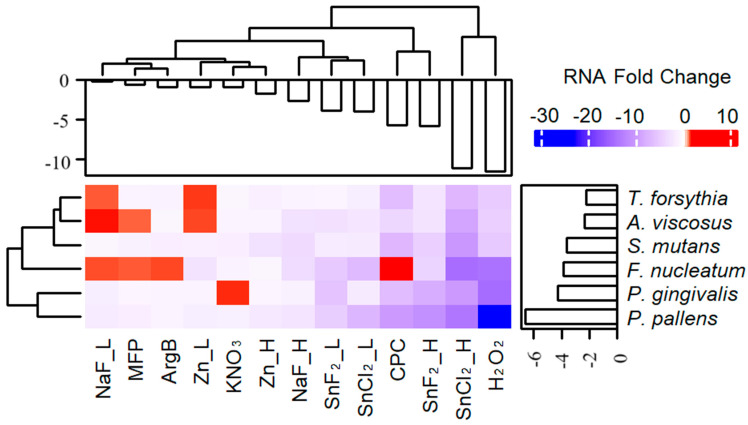
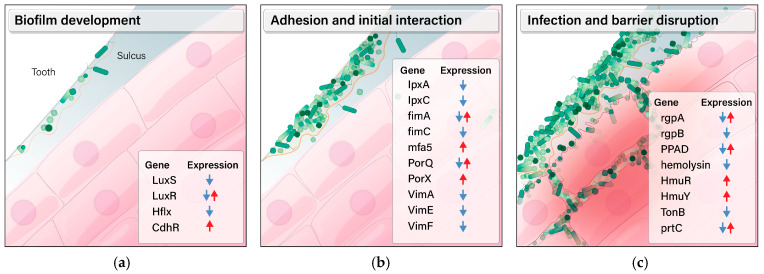
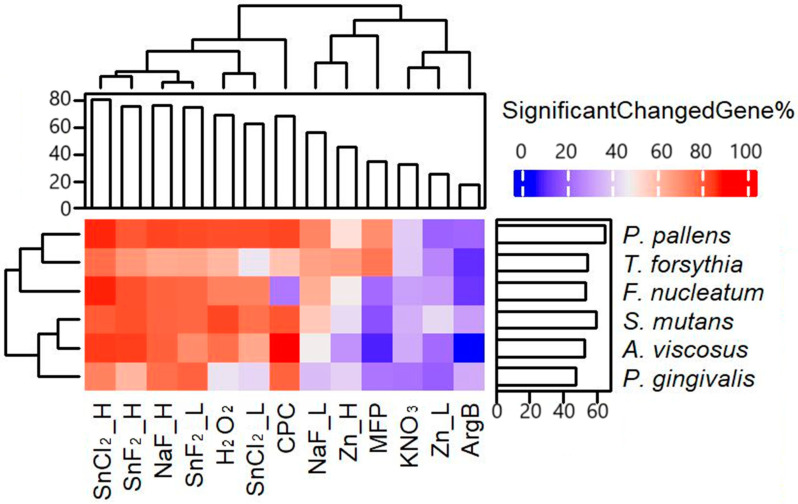
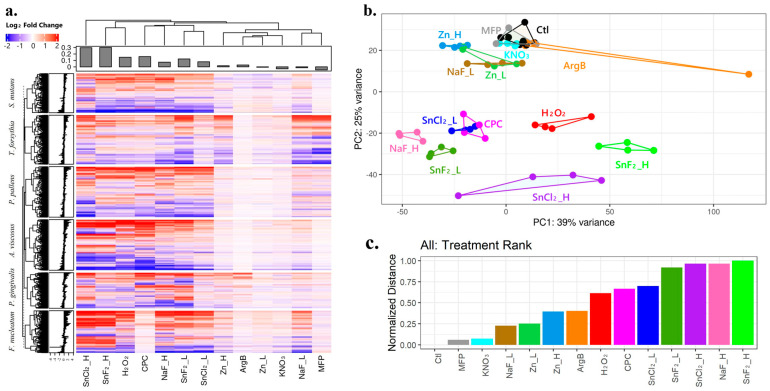
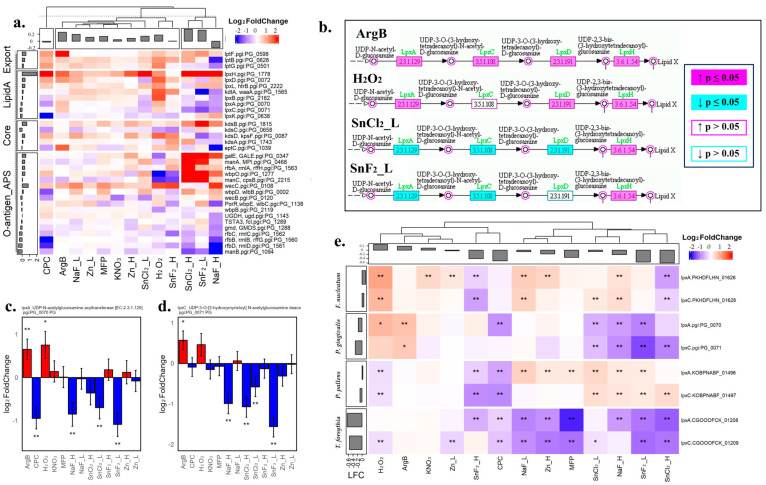
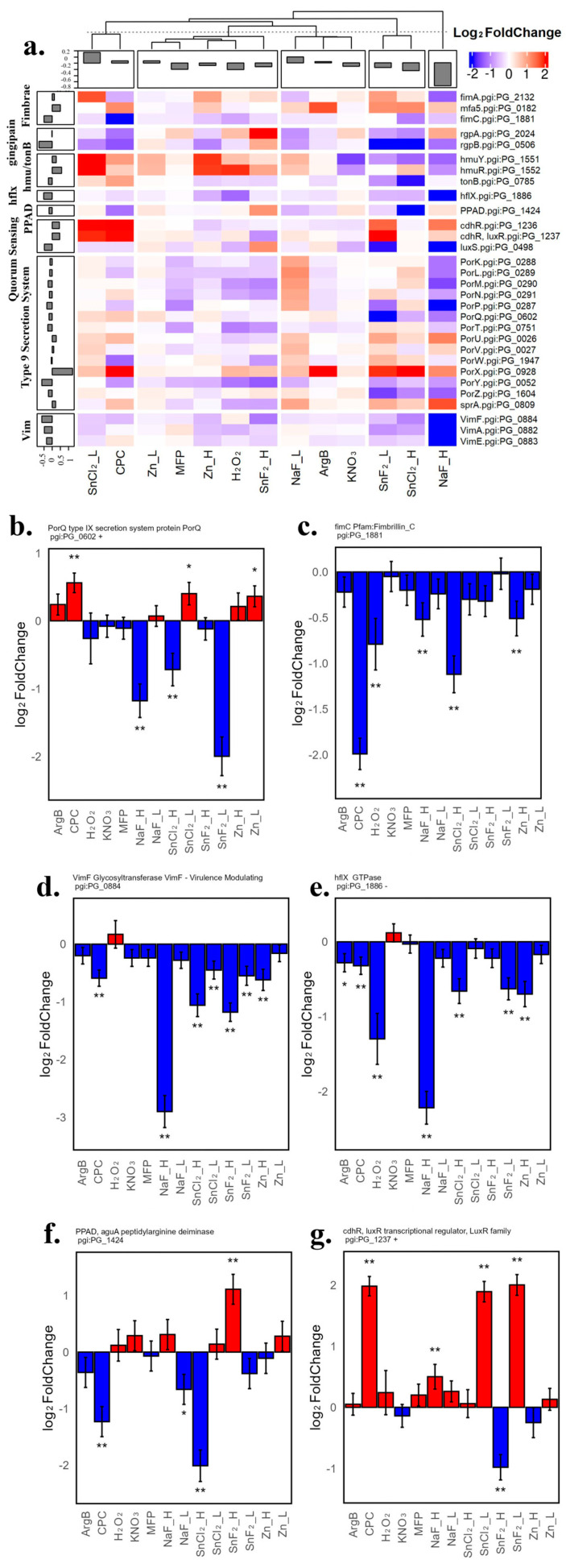
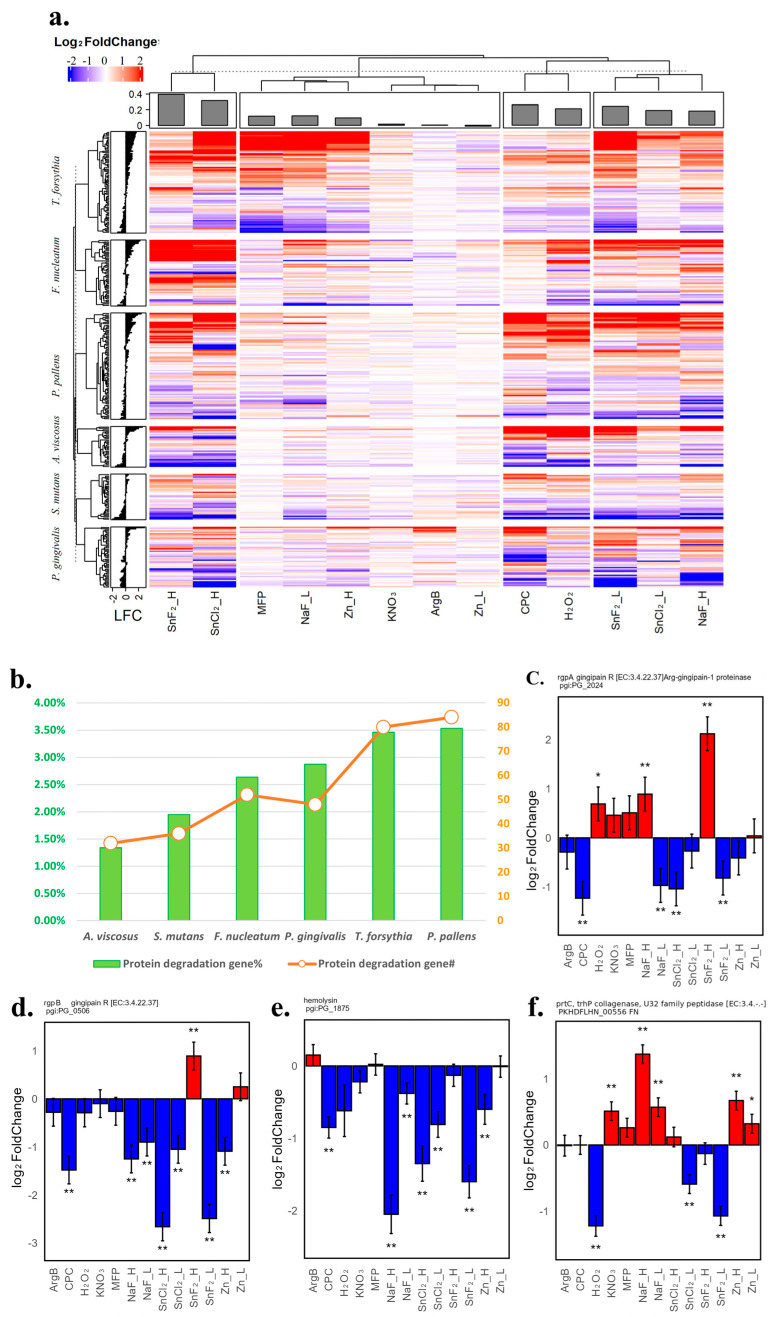
Various ingredients are utilized to inhibit the growth of harmful bacteria associated with cavities, gum disease, and bad breath. However, the precise mechanisms by which these ingredients affect the oral microbiome have not been fully understood at the molecular level. To elucidate the molecular mechanisms, a high-throughput bacterial transcriptomics study was conducted, and the gene expression profiles of six common oral bacteria, including two Gram-positive bacteria (, ) and four Gram-negative bacteria (, , , and ), were analyzed. The bacteria were exposed to nine common ingredients in toothpaste and mouthwash at different concentrations (stannous fluoride, stannous chloride, arginine bicarbonate, cetylpyridinium chloride, sodium monofluorophosphate, sodium fluoride, potassium nitrate, zinc phosphate, and hydrogen peroxide). Across 78 ingredient-microorganism pairs with 360 treatment-control combinations, significant and reproducible ingredient-based transcriptional response profiles were observed, providing valuable insights into the effects of these ingredients on the oral microbiome at the molecular level. This research shows that oral care product ingredients applied at biologically relevant concentrations manifest differential effects on the transcriptomics of bacterial genes in a variety of oral periodontal pathogenic bacteria. Stannous fluoride, stannous chloride, and cetylpyridinium chloride showed the most robust efficacy in inhibiting the growth or gene expression of various bacteria and pathogenic pathways. Combining multiple ingredients targeting different mechanisms might be more efficient than single ingredients in complex oral microbiomes.
多种成分被用于抑制与龋齿、牙龈疾病和口臭相关的有害细菌的生长。然而,这些成分影响口腔微生物群的精确分子机制尚未完全明确。为了阐明分子机制,开展了一项高通量细菌转录组学研究,并分析了六种常见口腔细菌的基因表达谱,其中包括两种革兰氏阳性菌( , )和四种革兰氏阴性菌( , , ,和 )。这些细菌分别暴露于牙膏和漱口水中的九种常见成分的不同浓度下(氟化亚锡、氯化亚锡、碳酸氢精氨酸、氯化十六烷基吡啶、单氟磷酸钠、氟化钠、硝酸钾、磷酸锌和过氧化氢)。在78种成分 - 微生物对以及360种处理 - 对照组合中,观察到了基于成分的显著且可重复的转录反应谱,这为这些成分在分子水平上对口腔微生物群的影响提供了有价值的见解。这项研究表明,以生物学相关浓度应用的口腔护理产品成分对多种口腔牙周病原菌的细菌基因转录组表现出不同的影响。氟化亚锡、氯化亚锡和氯化十六烷基吡啶在抑制各种细菌的生长或基因表达以及致病途径方面显示出最强的功效。在复杂的口腔微生物群中,组合针对不同机制的多种成分可能比单一成分更有效。