Riccò Matteo, Abu-Raya Bahaa, Icardi Giancarlo, Spoulou Vana, Greenberg David, Pecurariu Oana Falup, Hung Ivan Fan-Ngai, Osterhaus Albert, Sambri Vittorio, Esposito Susanna
Servizio di Prevenzione e Sicurezza Negli Ambienti di Lavoro (SPSAL), AUSL-IRCCS di Reggio Emilia, Via Amendola 2, 42122 Reggio Emilia, Italy.
Canadian Center for Vaccinology, Dalhousie University, IWK Health Centre and the Nova Scotia Health Authority, Halifax, NS B3K 6R8, Canada.
Vaccines (Basel). 2024 Nov 25;12(12):1317. doi: 10.3390/vaccines12121317.
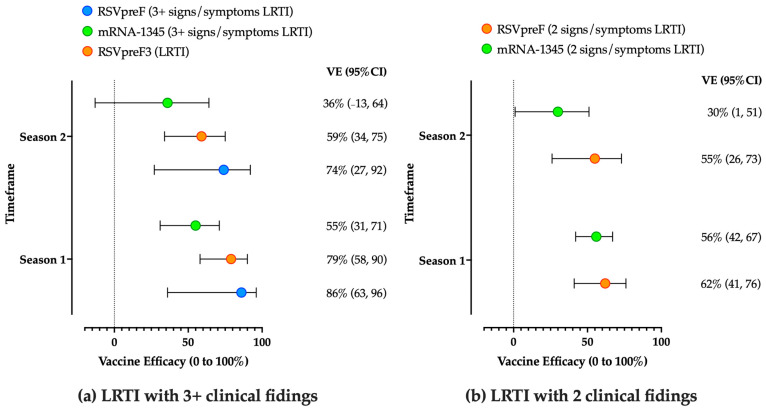
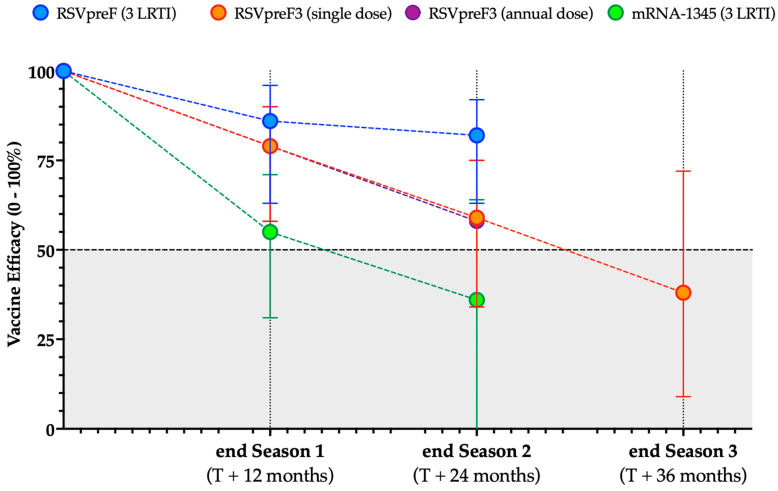
Respiratory syncytial virus (RSV) is a leading cause of respiratory infections, particularly affecting young infants, older adults, and individuals with comorbidities. : This document, developed as a consensus by an international group of experts affiliated with the World Association of Infectious Diseases and Immunological Disorders (WAidid), focuses on recent advancements in RSV prevention, highlighting the introduction of monoclonal antibodies (mAbs) and vaccines. : Historically, RSV treatment options were limited to supportive care and the monoclonal antibody palivizumab, which required multiple doses. Recent innovations have led to the development of long-acting mAbs, such as nirsevimab, which provide season-long protection with a single dose. Nirsevimab has shown high efficacy in preventing severe RSV-related lower respiratory tract infections (LRTIs) in infants, reducing hospitalizations and ICU admissions. Additionally, new vaccines, such as RSVpreF and RSVpreF3, target older adults and have demonstrated significant efficacy in preventing LRTIs in clinical trials. Maternal vaccination strategies also show promise in providing passive immunity to newborns, protecting them during the most vulnerable early months of life. This document further discusses the global burden of RSV, its economic impact, and the challenges of implementing these preventative strategies in different healthcare settings. : The evidence supports the integration of both passive (mAbs) and active (vaccines) immunization approaches as effective tools to mitigate the public health impact of RSV. The combined use of these interventions could substantially reduce RSV-related morbidity and mortality across various age groups and populations, emphasizing the importance of widespread immunization efforts.
呼吸道合胞病毒(RSV)是呼吸道感染的主要病因,尤其影响幼儿、老年人和患有合并症的个体。:本文档由世界传染病和免疫紊乱协会(WAidid)附属的国际专家小组达成共识编写而成,重点关注RSV预防的最新进展,突出了单克隆抗体(mAb)和疫苗的引入。:从历史上看,RSV的治疗选择仅限于支持性护理和需要多剂次给药的单克隆抗体帕利珠单抗。最近的创新导致了长效mAb的开发,如尼塞韦单抗,它只需一剂就能提供长达一个季节的保护。尼塞韦单抗已显示出在预防婴儿严重RSV相关下呼吸道感染(LRTI)方面的高效性,减少了住院和重症监护病房(ICU)收治情况。此外,新疫苗,如RSVpreF和RSVpreF3,针对老年人,并且在临床试验中已证明在预防LRTI方面具有显著疗效。母体疫苗接种策略在为新生儿提供被动免疫、在其生命中最脆弱的最初几个月保护他们方面也显示出前景。本文档还进一步讨论了RSV的全球负担、其经济影响以及在不同医疗环境中实施这些预防策略所面临的挑战。:证据支持将被动(mAb)和主动(疫苗)免疫方法整合为减轻RSV对公共卫生影响的有效工具。这些干预措施的联合使用可以大幅降低各个年龄组和人群中与RSV相关的发病率和死亡率,强调了广泛免疫工作的重要性。