Ye Lele, Long Chunhao, Xu Binbing, Yao Xuyang, Yu Jiaye, Luo Yunhui, Xu Yuan, Jiang Zhuofeng, Nian Zekai, Zheng Yawen, Cai Yaoyao, Xue Xiangyang, Guo Gangqiang
Department of Gynecology, The First Affiliated Hospital, Wenzhou Medical University, Wenzhou, Zhejiang, China.
School of Medicine, Southern University of Science and Technology, Shenzhen, Guangdong, China.
Mol Med. 2025 Jan 8;31(1):5. doi: 10.1186/s10020-024-01036-x.
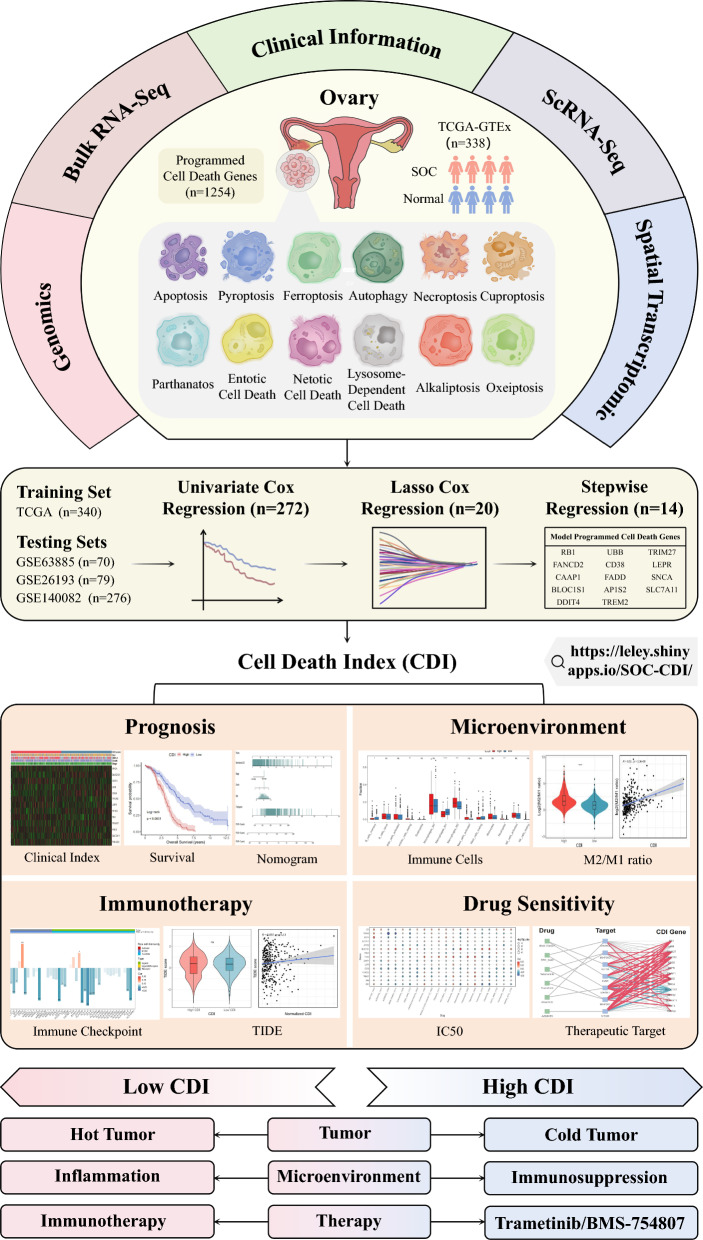
Predictive, preventive, and personalized medicine (PPPM/3PM) is a strategy aimed at improving the prognosis of cancer, and programmed cell death (PCD) is increasingly recognized as a potential target in cancer therapy and prognosis. However, a PCD-based predictive model for serous ovarian carcinoma (SOC) is lacking. In the present study, we aimed to establish a cell death index (CDI)-based model using PCD-related genes.
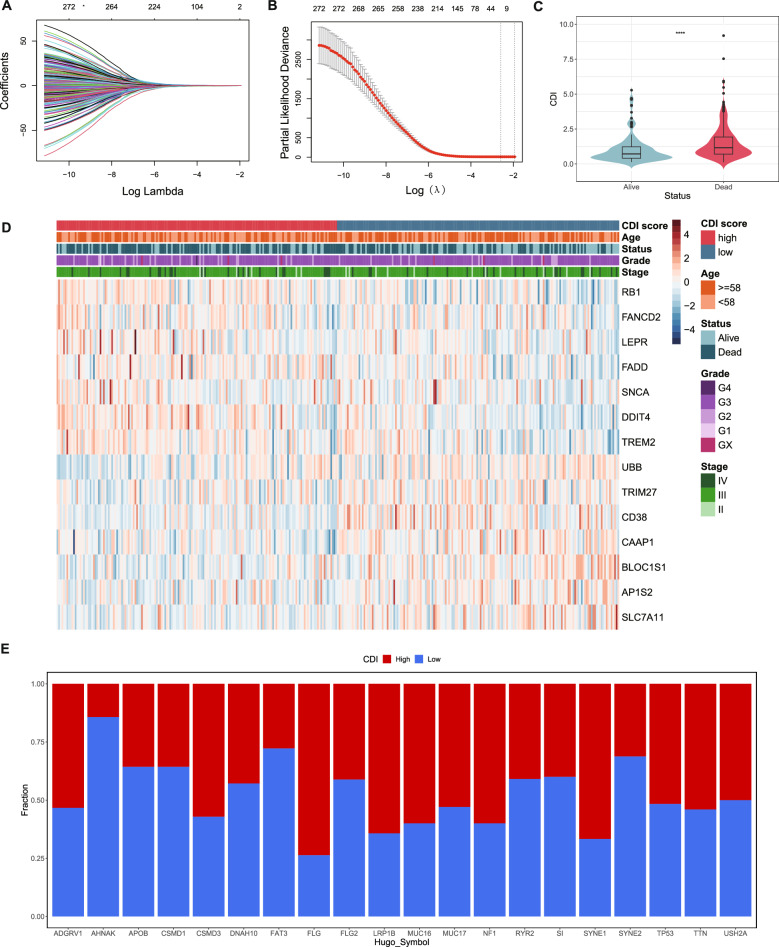
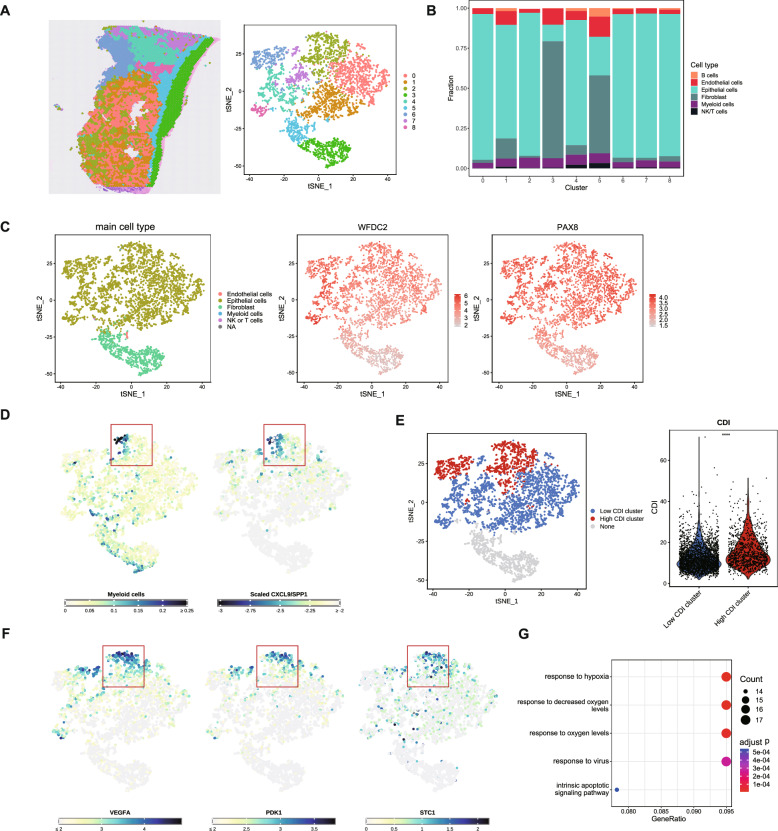
We included 1254 genes from 12 PCD patterns in our analysis. Differentially expressed genes (DEGs) from the Cancer Genome Atlas (TCGA) and Genotype-Tissue Expression (GTEx) were screened. Subsequently, 14 PCD-related genes were included in the PCD-gene-based CDI model. Genomics, single-cell transcriptomes, bulk transcriptomes, spatial transcriptomes, and clinical information from TCGA-OV, GSE26193, GSE63885, and GSE140082 were collected and analyzed to verify the prediction model.
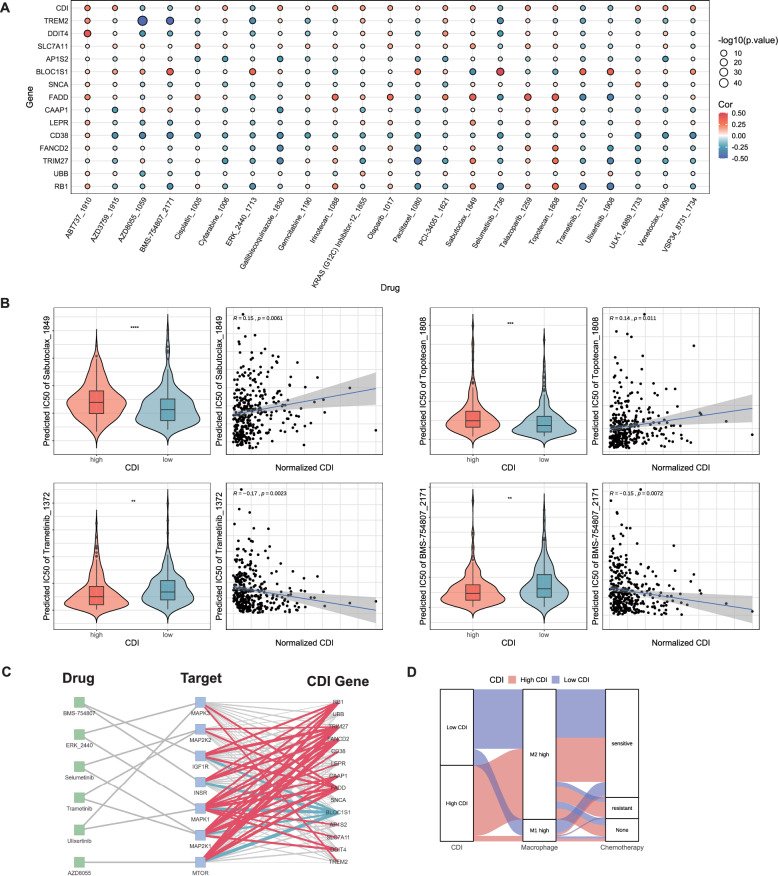
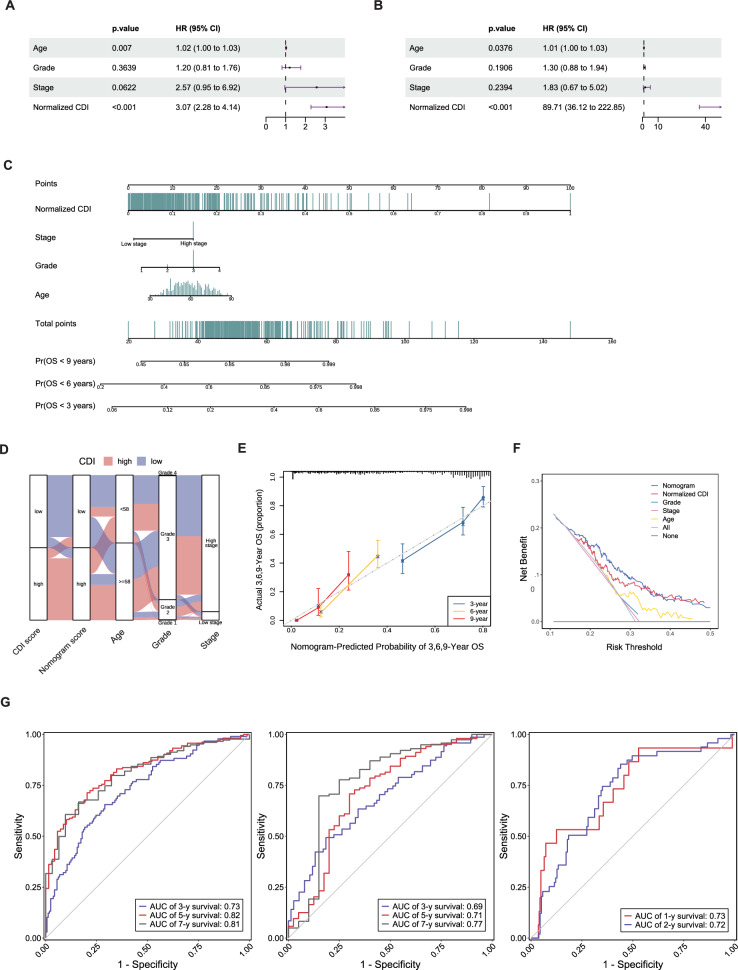
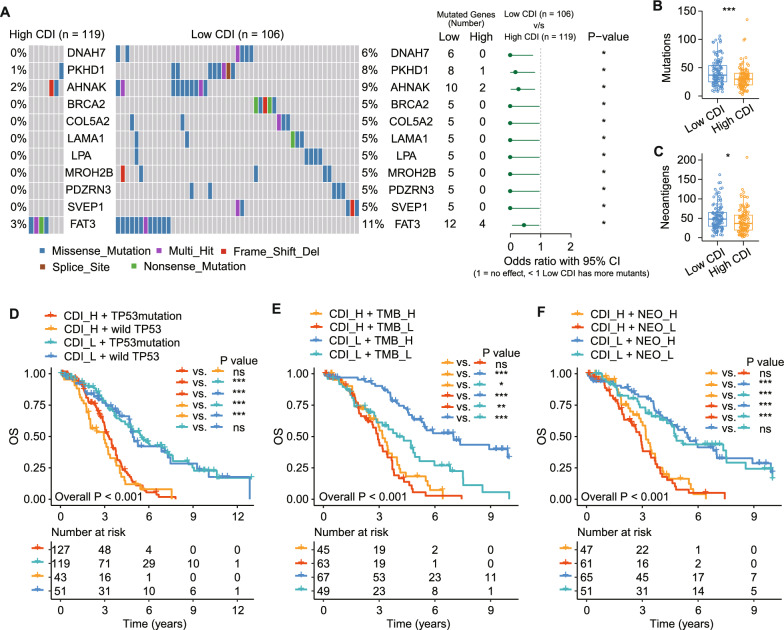
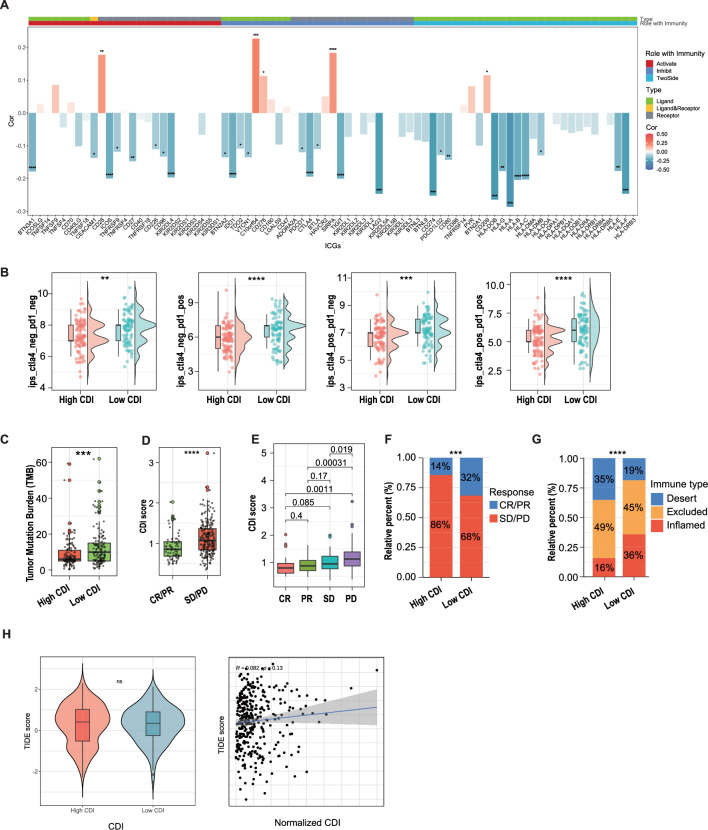
The CDI was recognized as an independent prognostic risk factor for patients with SOC. Patients with SOC and a high CDI had lower survival rates and poorer prognoses than those with a low CDI. Specific clinical parameters and the CDI were combined to establish a nomogram that accurately assessed patient survival. We used the PCD-genes model to observe differences between high and low CDI groups. The results showed that patients with SOC and a high CDI showed immunosuppression and hardly benefited from immunotherapy; therefore, trametinib_1372 and BMS-754807 may be potential therapeutic agents for these patients.
The CDI-based model, which was established using 14 PCD-related genes, accurately predicted the tumor microenvironment, immunotherapy response, and drug sensitivity of patients with SOC. Thus this model may help improve the diagnostic and therapeutic efficacy of PPPM.
预测、预防和个性化医学(PPPM/3PM)是一种旨在改善癌症预后的策略,程序性细胞死亡(PCD)越来越被认为是癌症治疗和预后的潜在靶点。然而,缺乏基于PCD的浆液性卵巢癌(SOC)预测模型。在本研究中,我们旨在使用PCD相关基因建立基于细胞死亡指数(CDI)的模型。
我们在分析中纳入了来自12种PCD模式的1254个基因。筛选了来自癌症基因组图谱(TCGA)和基因型-组织表达(GTEx)的差异表达基因(DEG)。随后,14个PCD相关基因被纳入基于PCD基因的CDI模型。收集并分析了来自TCGA-OV、GSE26193、GSE63885和GSE140082的基因组学、单细胞转录组、批量转录组、空间转录组和临床信息,以验证预测模型。
CDI被认为是SOC患者的独立预后危险因素。与低CDI的SOC患者相比,高CDI的SOC患者生存率更低,预后更差。结合特定临床参数和CDI建立了一个能准确评估患者生存情况的列线图。我们使用PCD基因模型观察高、低CDI组之间的差异。结果表明,高CDI的SOC患者表现出免疫抑制,几乎无法从免疫治疗中获益;因此,曲美替尼_1372和BMS-754807可能是这些患者的潜在治疗药物。
使用14个PCD相关基因建立的基于CDI的模型准确预测了SOC患者的肿瘤微环境、免疫治疗反应和药物敏感性。因此,该模型可能有助于提高PPPM的诊断和治疗效果。