Kutle Ivana, Polten Robert, Stalp Jan Lennart, Hachenberg Jens, Todzey Felix, Hass Ralf, Zimmermann Katharina, von der Ohe Juliane, von Kaisenberg Constantin, Neubert Lavinia, Kamp Jan C, Schaudien Dirk, Seyda Ann-Kathrin, Hillemanns Peter, Klapdor Rüdiger, Morgan Michael Alexander, Schambach Axel
Institute of Experimental Hematology, Hannover Medical School, Hannover, Germany.
Department of Gynecology and Obstetrics, Hannover Medical School, Hannover, Germany.
Front Immunol. 2024 Dec 16;15:1485461. doi: 10.3389/fimmu.2024.1485461. eCollection 2024.
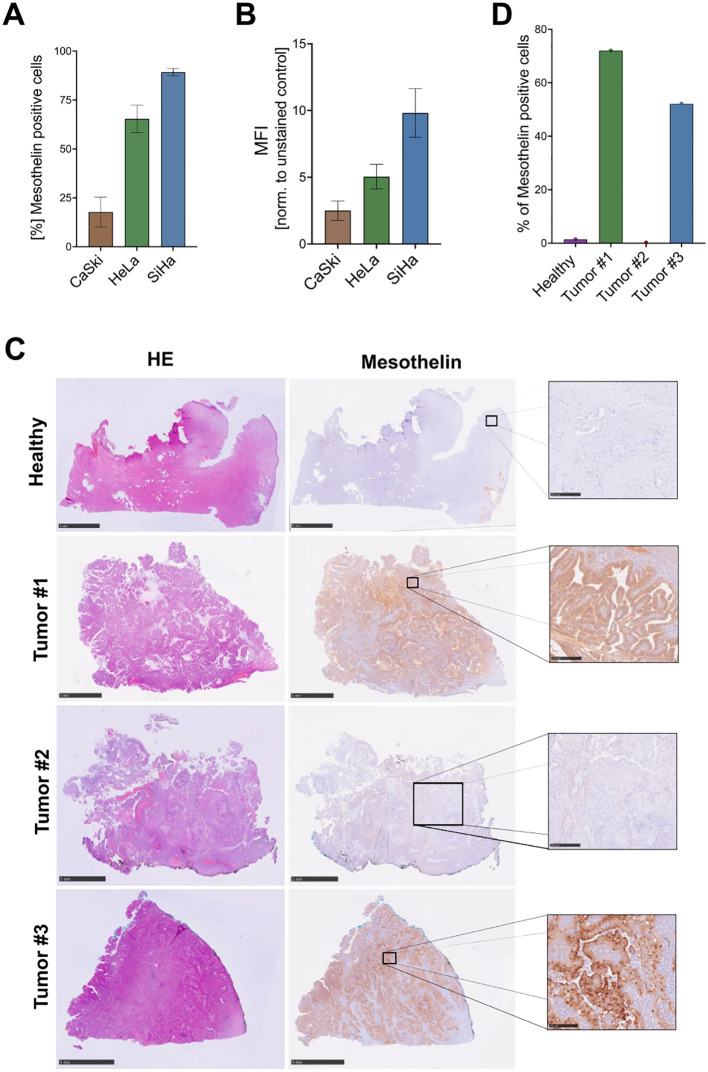
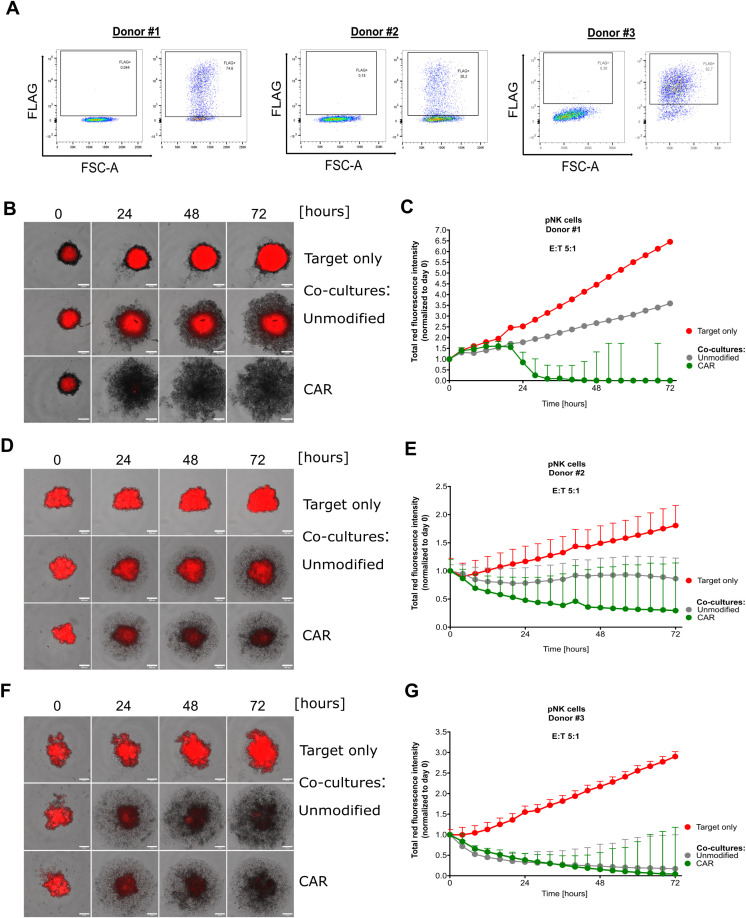
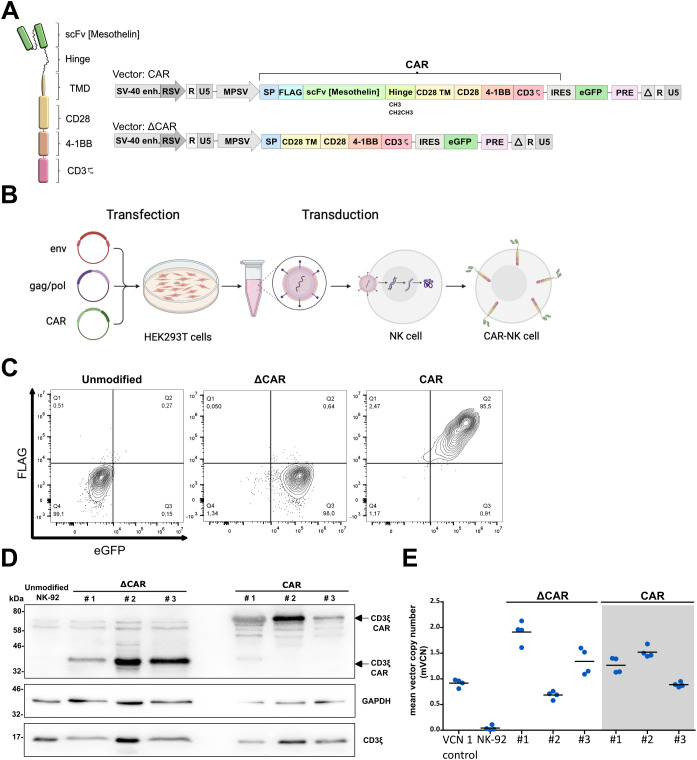
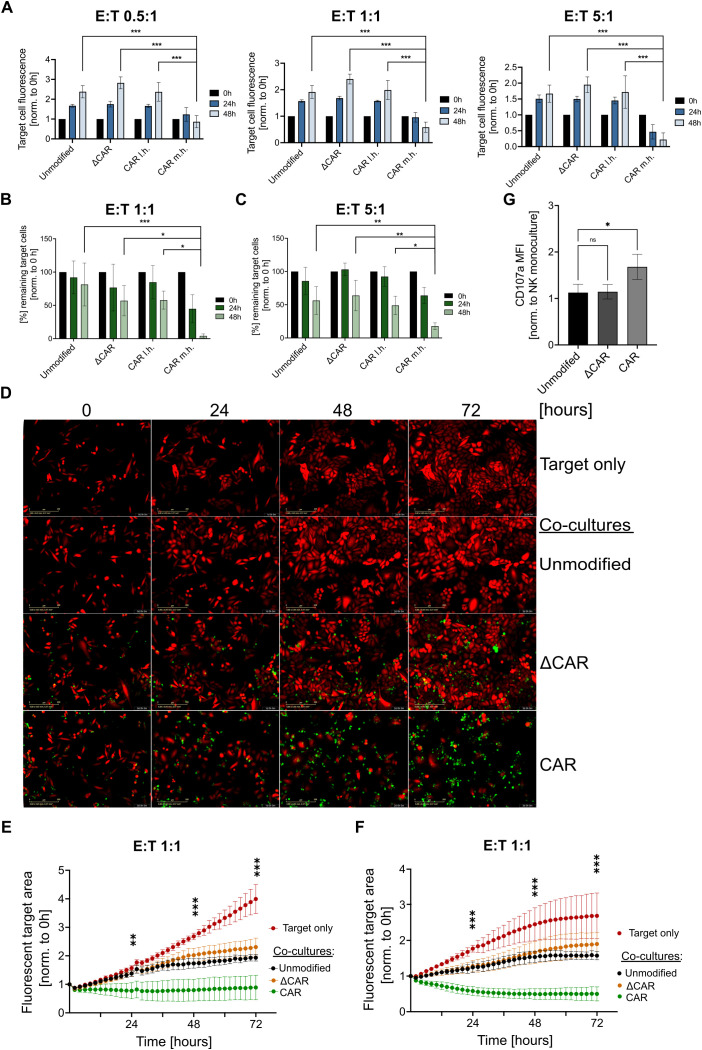
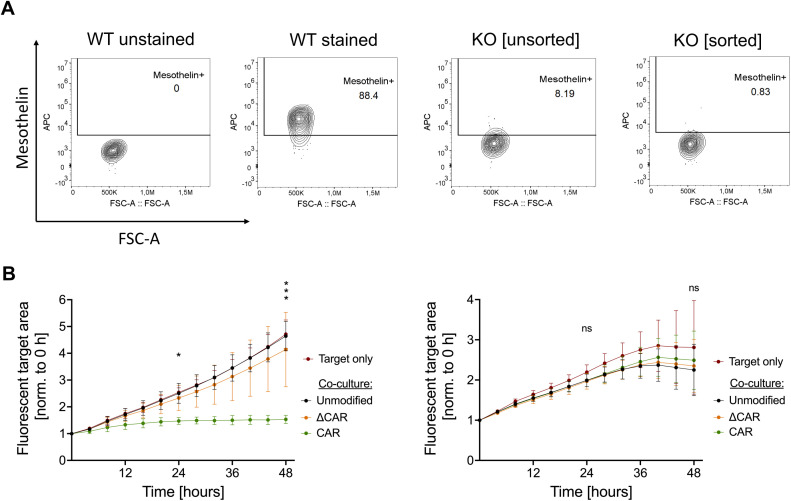
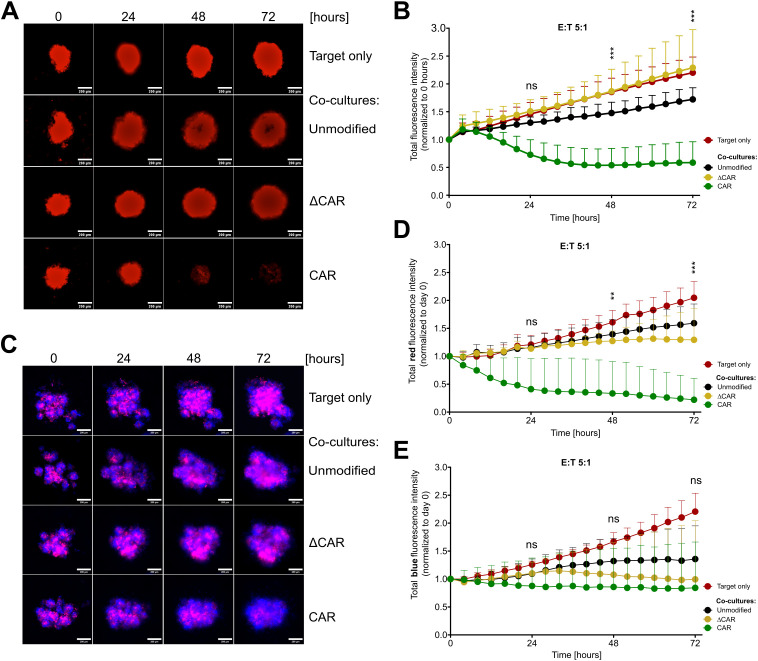
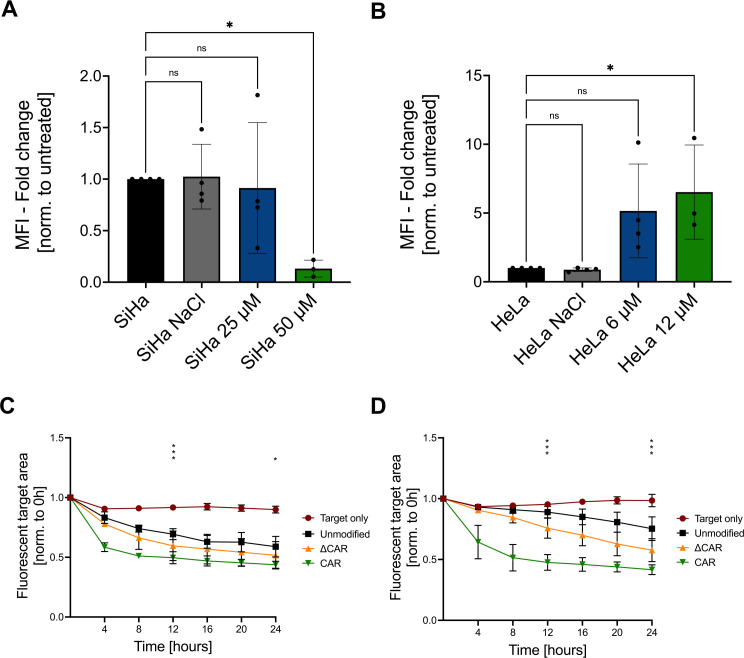
Resistance to the currently available treatment paradigms is one of the main factors that contributes to poor outcomes in patients with advanced cervical cancer. Novel targeted therapy approaches might enhance the patient's treatment outcome and are urgently needed for this malignancy. While chimeric-antigen receptor (CAR)-based adoptive immunotherapy displays a promising treatment strategy for liquid cancers, their use against cervical cancer is largely unexplored. This study used alpharetroviral SIN vectors to equip natural killer (NK) cells with a third-generation CAR (including CD28 and 4-1BB co-stimulatory domains) targeting Mesothelin, which was identified to be highly expressed on primary human cervical cancer tissues and cervical cancer cell lines in this and other studies. Anti-Mesothelin CAR-NK cells demonstrated high cytotoxicity against cervical cancer cells in 2D and 3D culture models, which corresponded to increased degranulation of CAR-NK-92 cells upon exposure to Mesothelin target cells. Mesothelin cervical cancer cells were generated by CRISPR-Cas9-mediated knockout and used to show target antigen specificity of anti-Mesothelin CAR-NK-92 cells and primary NK cells derived from different healthy donors in co-culture experiments. Combination of anti-Mesothelin CAR-NK-92 cells with chemotherapy revealed increased elimination of cancer cells as compared to monotherapy settings. Our findings indicate the promise of anti-Mesothelin CAR-NK cells as a potential treatment option against cervical cancer, as well as other Mesothelin malignancies.
对当前可用治疗方案产生耐药性是导致晚期宫颈癌患者预后不良的主要因素之一。新型靶向治疗方法可能会改善患者的治疗效果,对于这种恶性肿瘤来说迫切需要。虽然基于嵌合抗原受体(CAR)的过继性免疫疗法对血液系统恶性肿瘤显示出有前景的治疗策略,但它们在宫颈癌治疗中的应用在很大程度上尚未得到探索。本研究使用α逆转录病毒SIN载体为自然杀伤(NK)细胞配备靶向间皮素的第三代CAR(包括CD28和4-1BB共刺激结构域),在本研究及其他研究中已确定间皮素在原发性人宫颈癌组织和宫颈癌细胞系上高表达。抗间皮素CAR-NK细胞在二维和三维培养模型中对宫颈癌细胞表现出高细胞毒性,这与CAR-NK-92细胞在暴露于间皮素靶细胞时脱颗粒增加相对应。通过CRISPR-Cas9介导的敲除产生间皮素缺失的宫颈癌细胞,并用于在共培养实验中显示抗间皮素CAR-NK-92细胞和来自不同健康供体的原代NK细胞的靶抗原特异性。与单一疗法相比,抗间皮素CAR-NK-92细胞与化疗联合使用显示出癌细胞清除增加。我们的研究结果表明抗间皮素CAR-NK细胞作为治疗宫颈癌以及其他间皮素相关恶性肿瘤的潜在治疗选择具有前景。