Liao Ru-Gen, Wang Jin-Hong, Zhang Fan, Fang Yu-Tong, Zhou Li, Zhang Yong-Qu
Department of Obstetrics and Gynecology, The Second People's Hospital of Shantou, Shantou, 515041, Guangdong, China.
Department of Ultrasound, The First Affiliated Hospital of Shantou University Medical College, Shantou, 515041, Guangdong, China.
Sci Rep. 2025 Jan 9;15(1):1404. doi: 10.1038/s41598-025-85537-7.
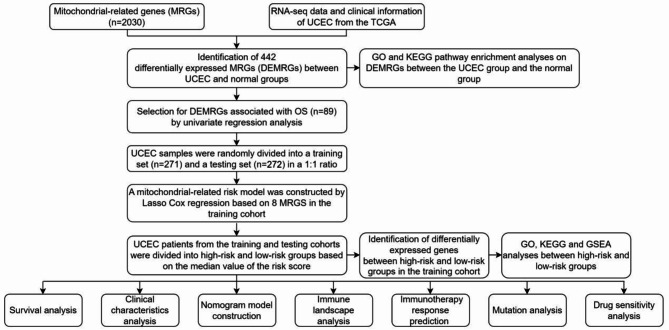
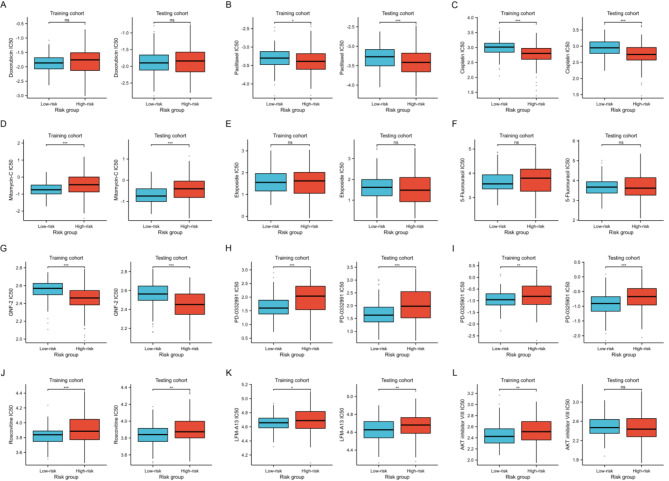
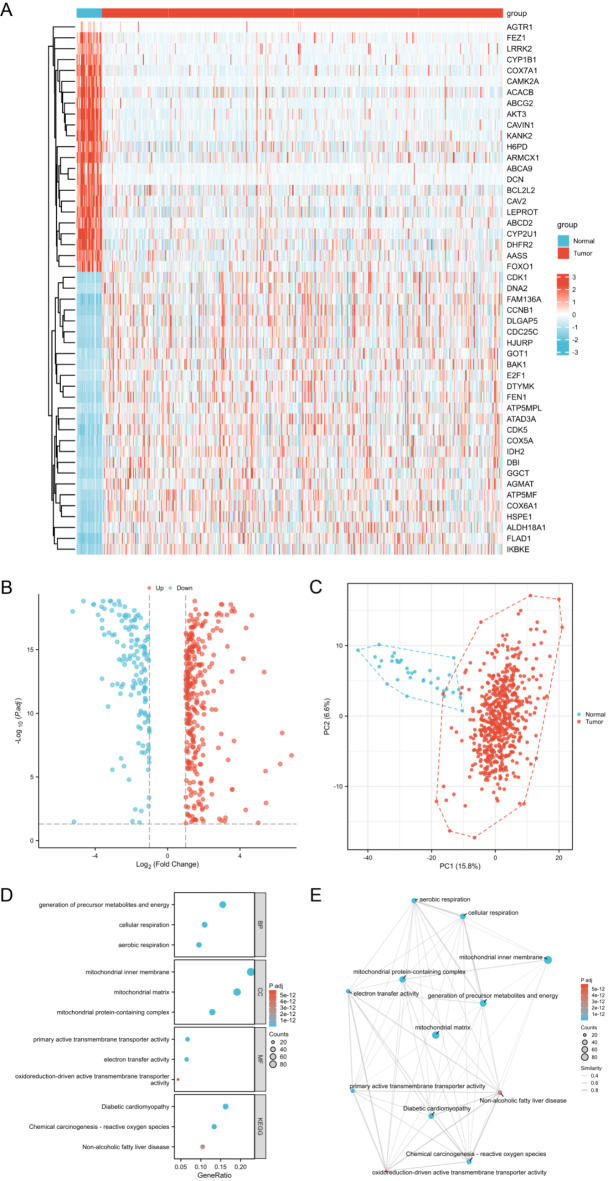
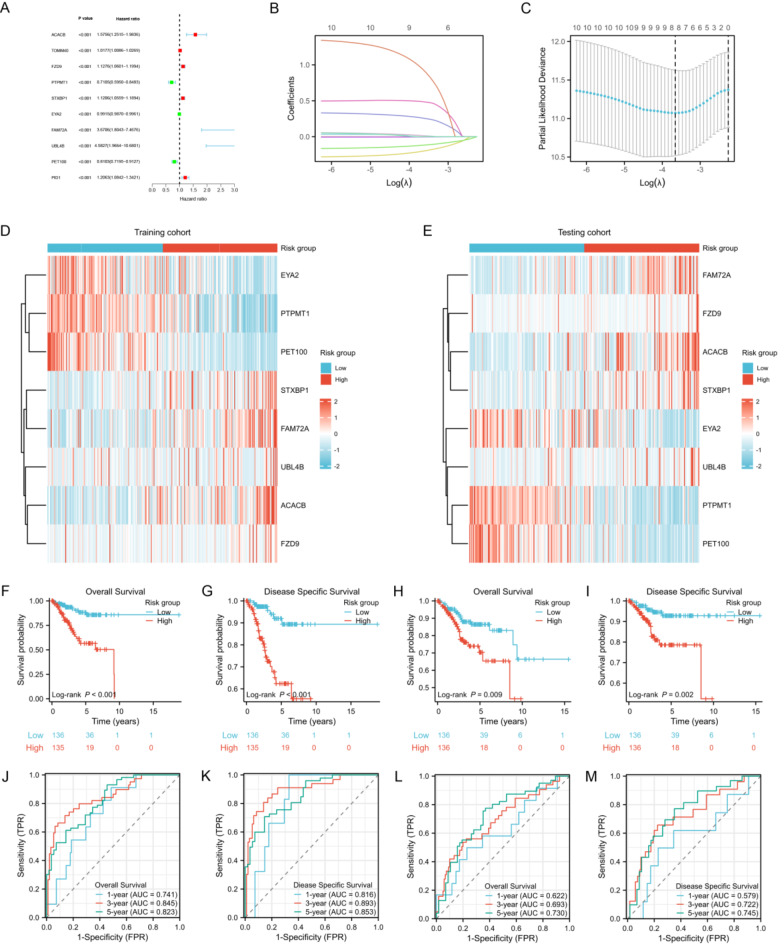
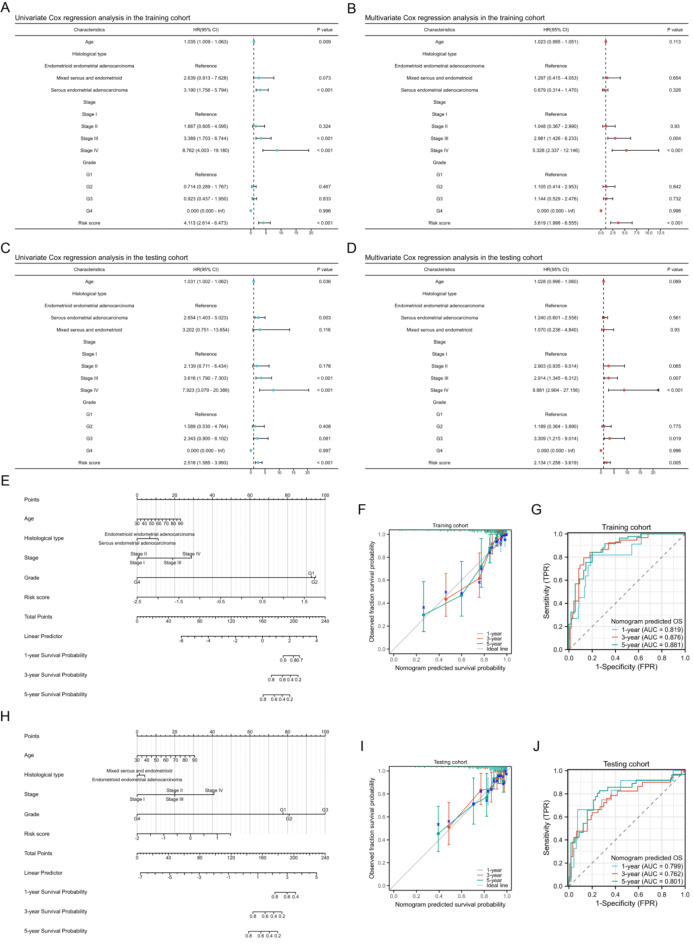
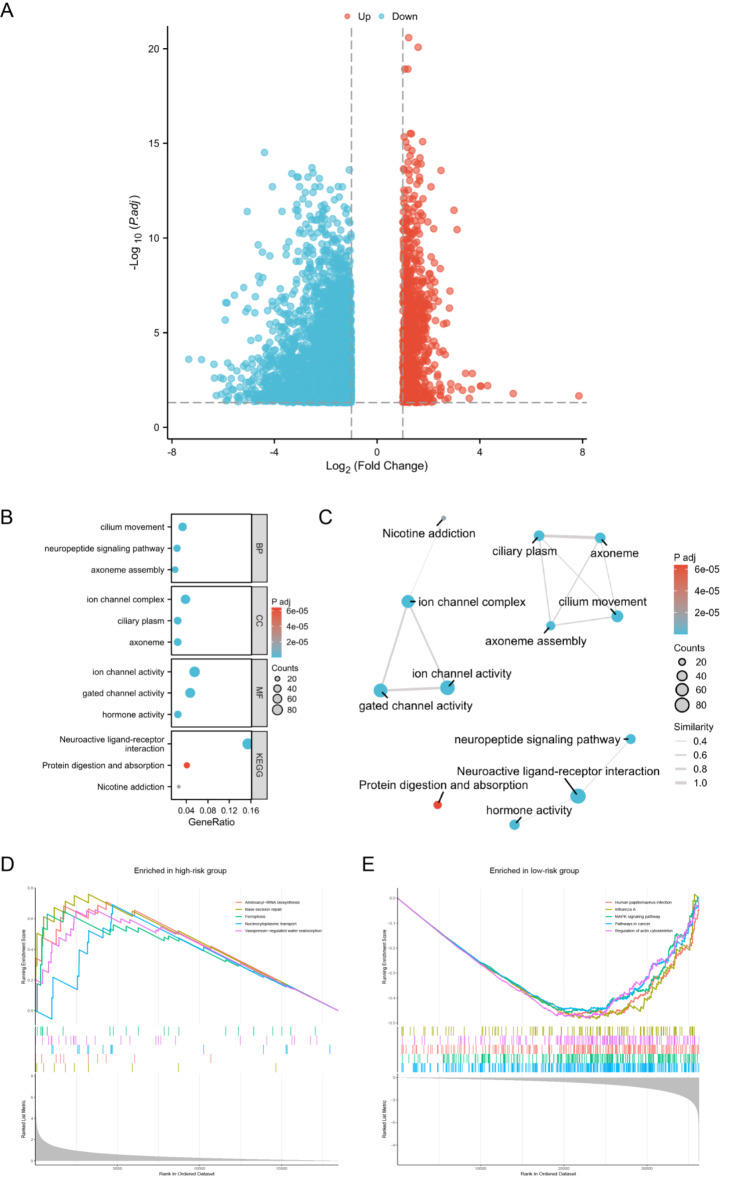
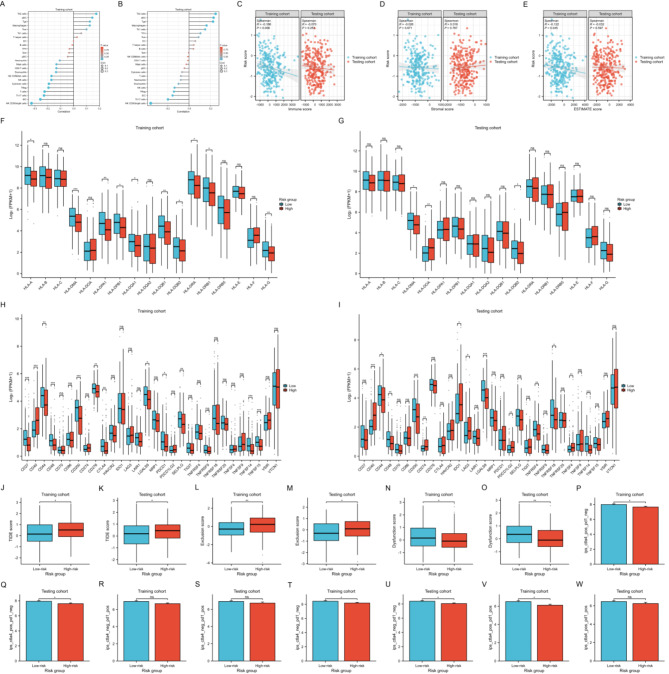
Uterine Corpus Endometrial Carcinoma (UCEC) represents a common malignant neoplasm in women, with its prognosis being intricately associated with available therapeutic interventions. In the past few decades, there has been a burgeoning interest in the role of mitochondria within the context of UCEC. Nevertheless, the development and application of prognostic models predicated on mitochondrial-related genes (MRGs) in UCEC remains in the exploratory stages. This study utilized RNA sequencing data and clinical information from the TCGA database to identify differentially expressed MRGs (DEMRGs) between UCEC and normal groups that are associated with overall survival (OS). Patients were randomly assigned to training and testing cohorts in a 1:1 ratio. In the training cohort, a risk model based on DEMRGs was developed using Lasso Cox regression analysis. Subsequently, patients in both cohorts were stratified into high-risk and low-risk groups based on their median risk scores. The prognostic performance of the model was validated through Kaplan-Meier survival analysis, ROC curves, and nomograms. Additionally, further analyses including functional enrichment, immune landscape assessment, prediction of response to ICB therapy, mutation profiling, and drug sensitivity analysis elucidated biological distinctions between the identified risk groups. We established a risk model incorporating eight MRGs. Patients classified within he high-risk group exhibited significantly poorer prognoses relative to those in the low-risk group. Functional enrichment analysis identified substantial differences in biological processes and signaling pathways between the high-risk and low-risk cohorts. Immune landscape analysis showed that patients with elevated risk scores exhibited significant immunosuppressive and immune evasion mechanisms. Conversely, low-risk patients exhibited higher expression of human leukocyte antigen (HLA) family members and immune checkpoint genes (ICGs) compared to their high-risk counterparts.Consequently, low-risk patients showed greater responsiveness to immunotherapy and potential small molecule drugs, whereas high-risk patients were more susceptible to chemotherapy. The mitochondrial-related risk model formulated in this study demonstrates efficacy in predicting both prognosis and response to immunotherapy in patients with UCEC, thereby providing a scientific basis for personalized treatment strategies. Future research endeavors should focus on further validating the clinical utility of this model and investigate the specific mechanisms of the identified MRGs in UCEC.
子宫内膜癌(UCEC)是女性常见的恶性肿瘤,其预后与可用的治疗干预措施密切相关。在过去几十年中,人们对线粒体在UCEC中的作用兴趣日益浓厚。然而,基于线粒体相关基因(MRGs)的UCEC预后模型的开发和应用仍处于探索阶段。本研究利用来自TCGA数据库的RNA测序数据和临床信息,确定UCEC组与正常组之间与总生存期(OS)相关的差异表达MRGs(DEMRGs)。患者以1:1的比例随机分配到训练组和测试组。在训练组中,使用Lasso Cox回归分析建立基于DEMRGs的风险模型。随后,根据两个队列患者的中位风险评分将其分为高风险组和低风险组。通过Kaplan-Meier生存分析、ROC曲线和列线图验证模型的预后性能。此外,包括功能富集、免疫景观评估、免疫检查点阻断(ICB)治疗反应预测、突变谱分析和药物敏感性分析在内的进一步分析,阐明了所确定风险组之间的生物学差异。我们建立了一个包含八个MRGs的风险模型。与低风险组患者相比,高风险组患者的预后明显较差。功能富集分析确定了高风险组和低风险组在生物学过程和信号通路方面存在显著差异。免疫景观分析表明,风险评分升高的患者表现出显著的免疫抑制和免疫逃逸机制。相反,与高风险患者相比,低风险患者的人类白细胞抗原(HLA)家族成员和免疫检查点基因(ICGs)表达更高。因此,低风险患者对免疫治疗和潜在小分子药物的反应更大,而高风险患者更容易接受化疗。本研究构建的线粒体相关风险模型在预测UCEC患者的预后和免疫治疗反应方面显示出有效性,从而为个性化治疗策略提供了科学依据。未来的研究应专注于进一步验证该模型的临床实用性,并研究所确定的MRGs在UCEC中的具体机制。