Shandong University of Traditional Chinese Medicine, Jinan, Shandong, China.
China Institute of Sport and Health Science, Beijing Sport University, Beijing, China.
Front Immunol. 2024 Jul 29;15:1438198. doi: 10.3389/fimmu.2024.1438198. eCollection 2024.
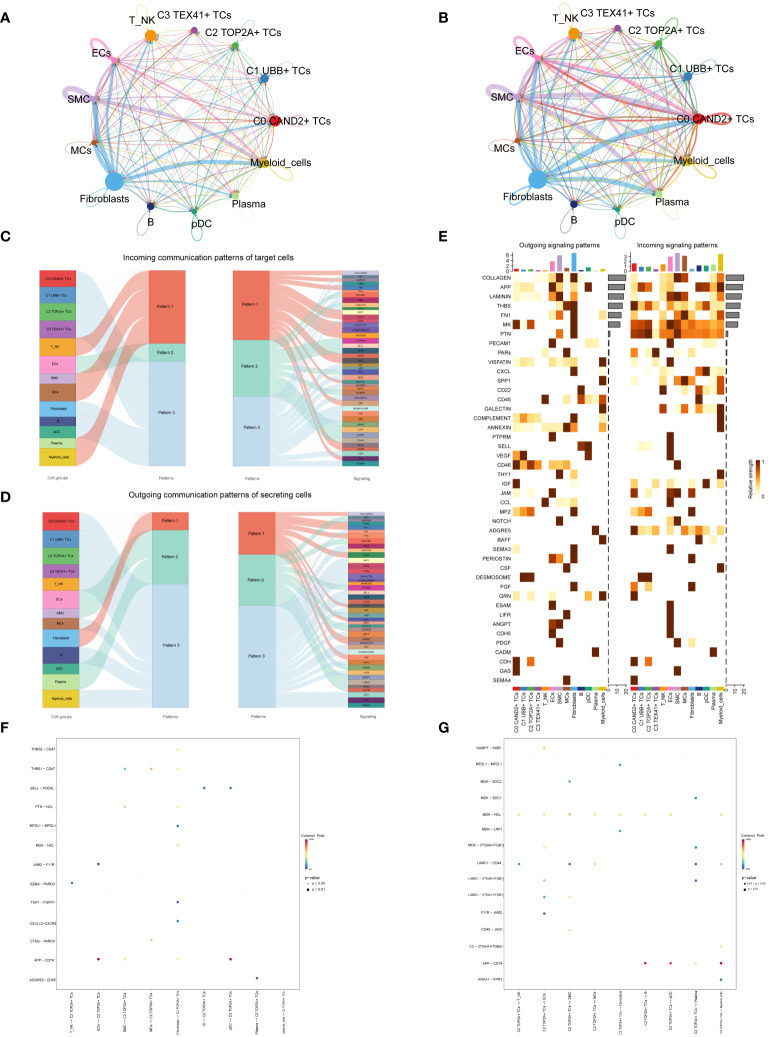
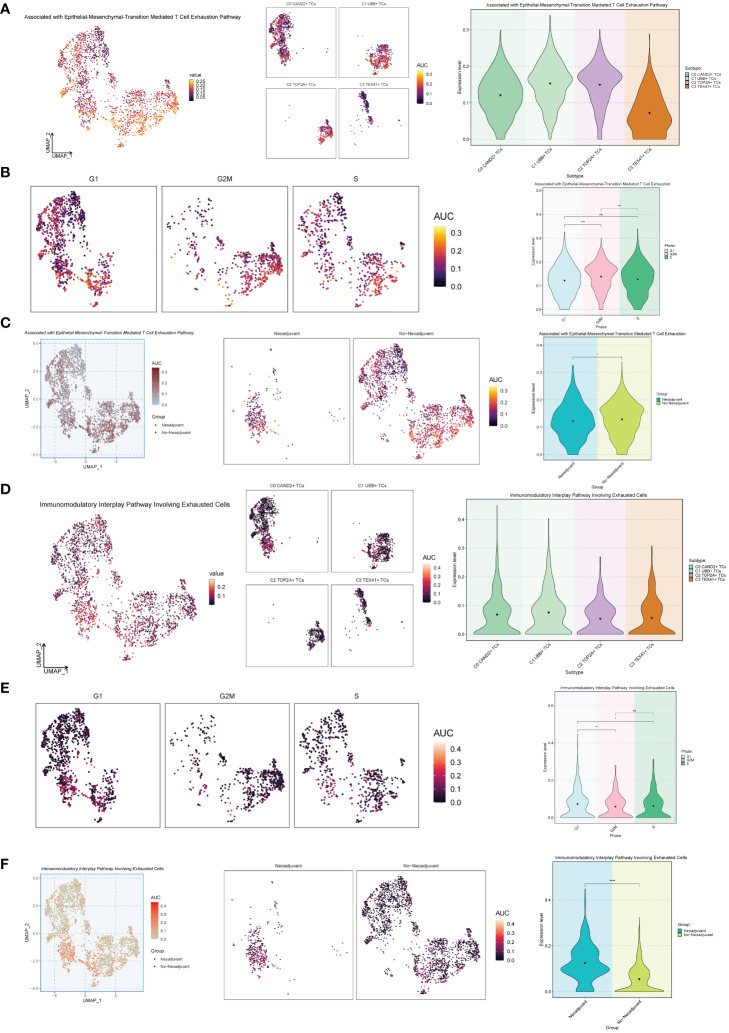
Ovarian carcinoma (OC) is a prevalent gynecological malignancy associated with high recurrence rates and mortality, often diagnosed at advanced stages. Despite advances in immunotherapy, immune exhaustion remains a significant challenge in achieving optimal tumor control. However, the exploration of intratumoral heterogeneity of malignant epithelial cells and the ovarian cancer tumor microenvironment is still limited, hindering our comprehensive understanding of the disease.
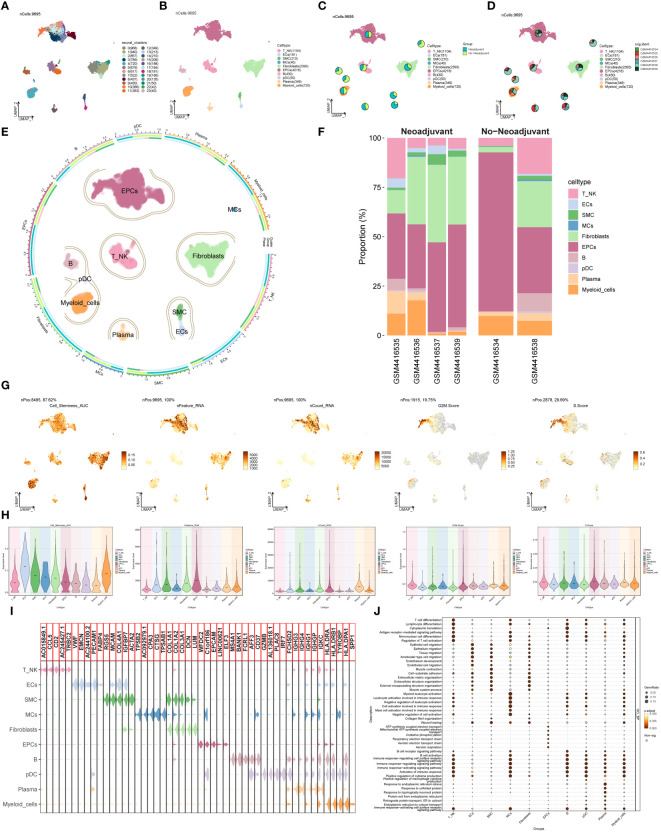
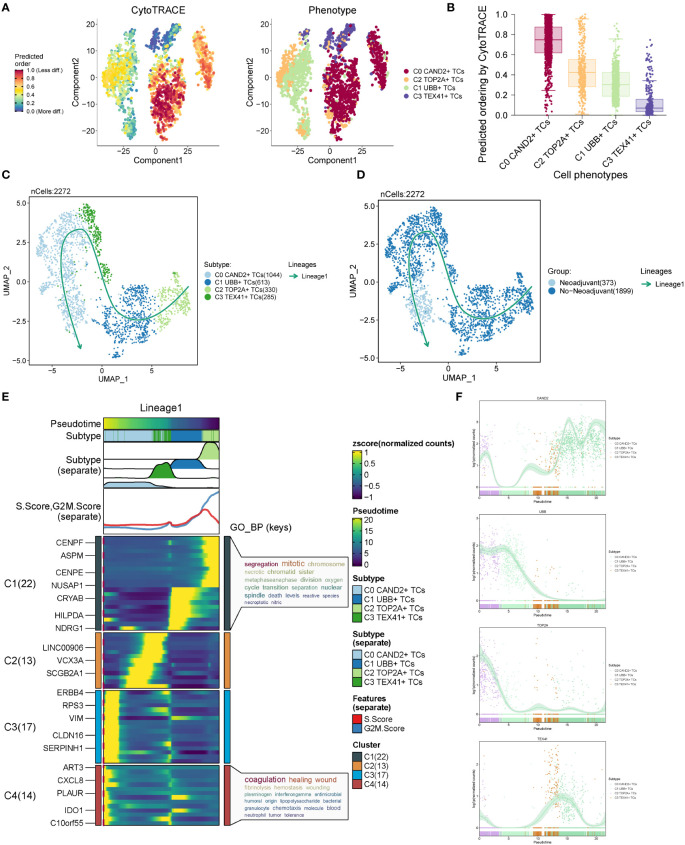
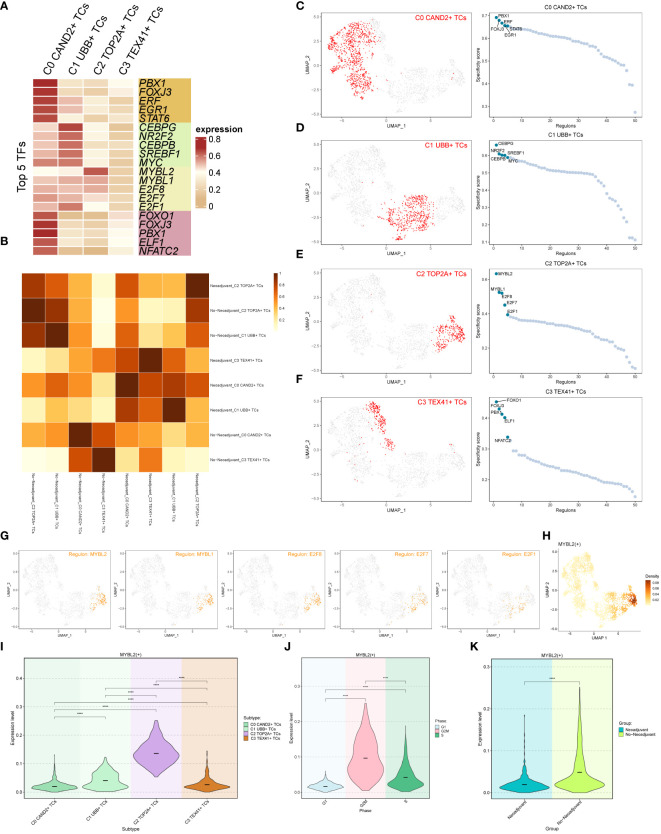
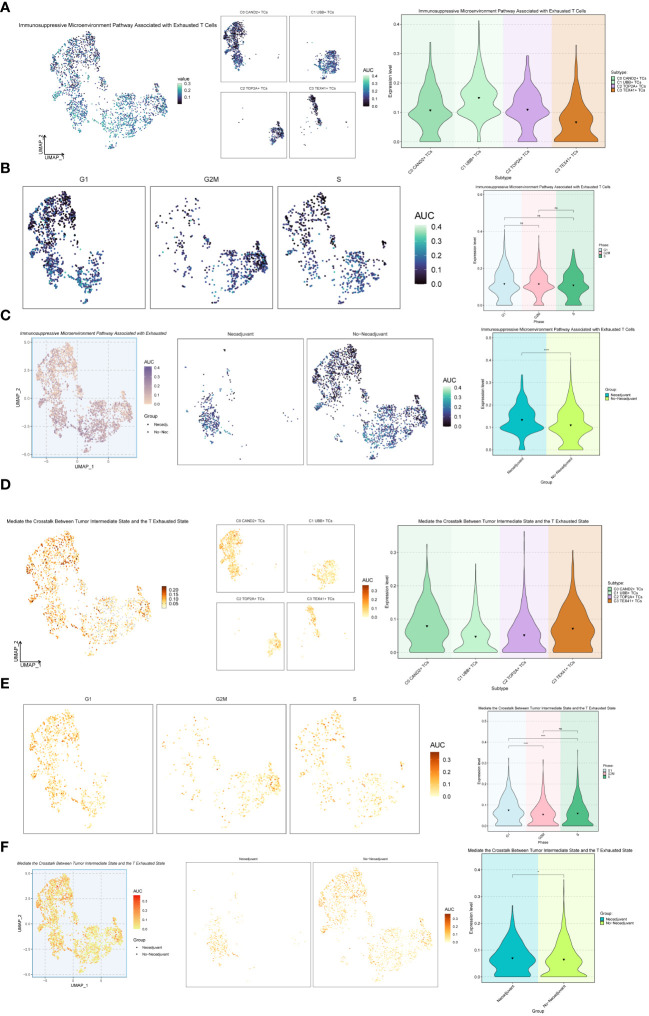
Utilizing single-cell RNA sequencing (scRNA-seq), we comprehensively investigated the cellular composition across six ovarian cancer patients with omental metastasis. Our focus centered on analysis of the malignant epithelial cells. Employing CytoTRACE and slingshot pseudotime analyses, we identified critical subpopulations and explored associated transcription factors (TFs) influencing ovarian cancer progression. Furthermore, by integrating clinical factors from a large cohort of bulk RNA sequencing data, we have established a novel prognostic model to investigate the impact of the tumor immune microenvironment on ovarian cancer patients. Furthermore, we have investigated the condition of immunological exhaustion.
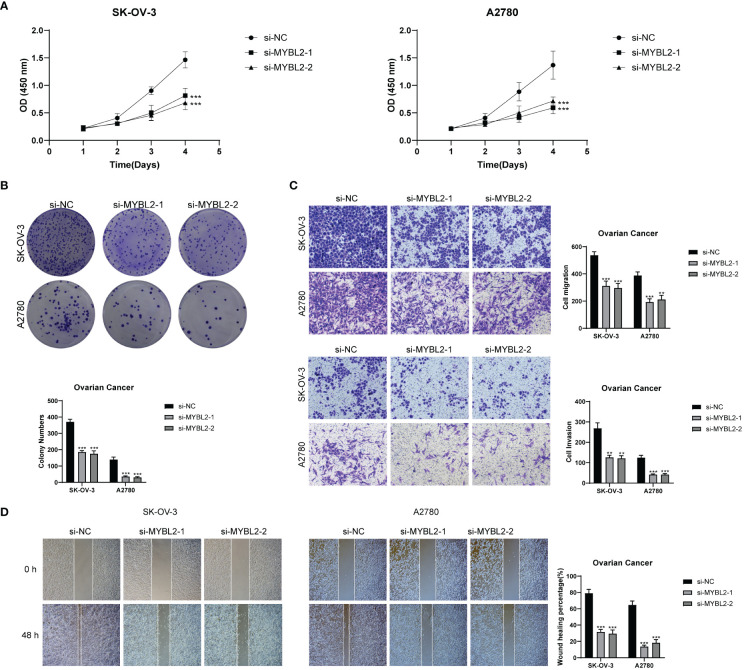
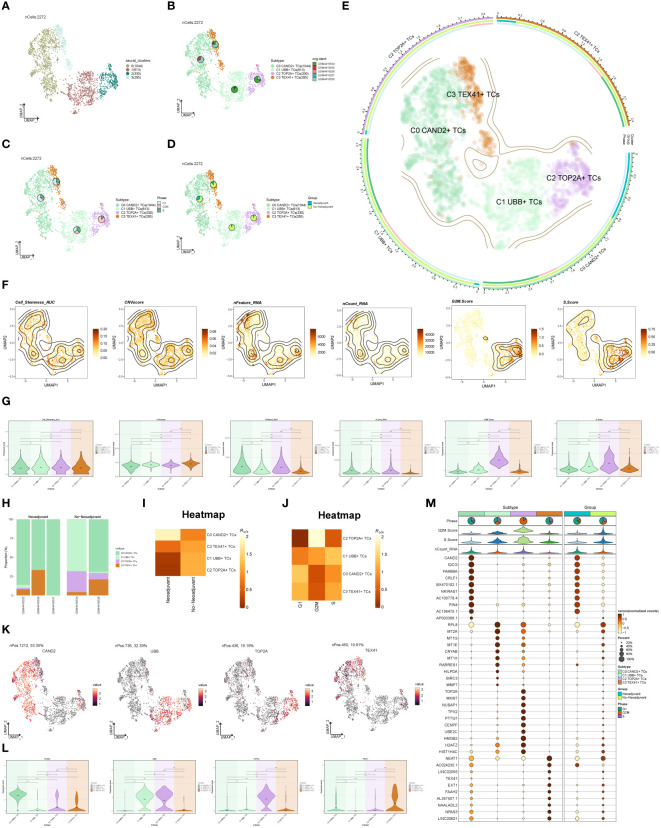
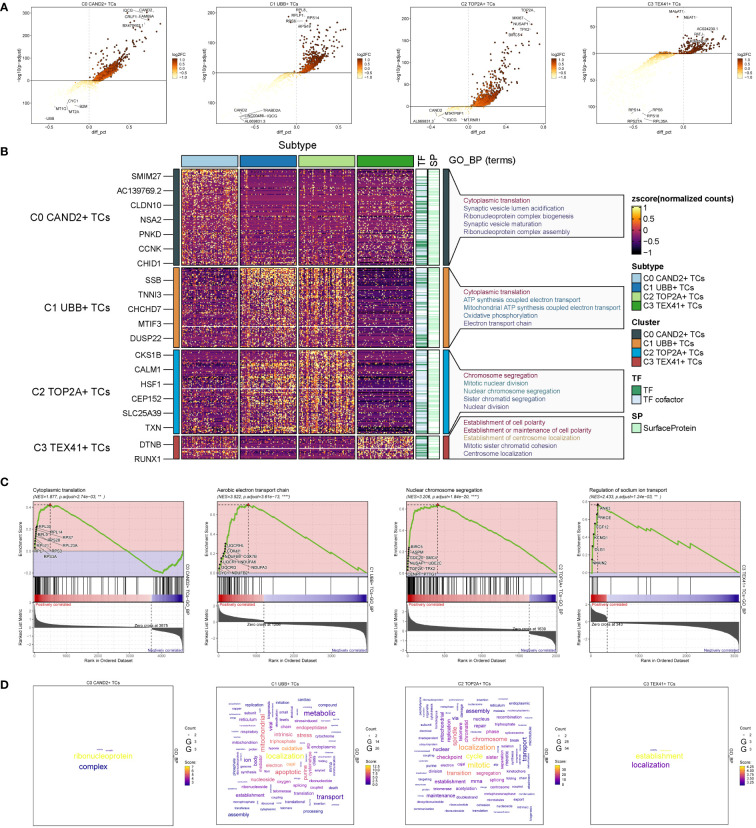
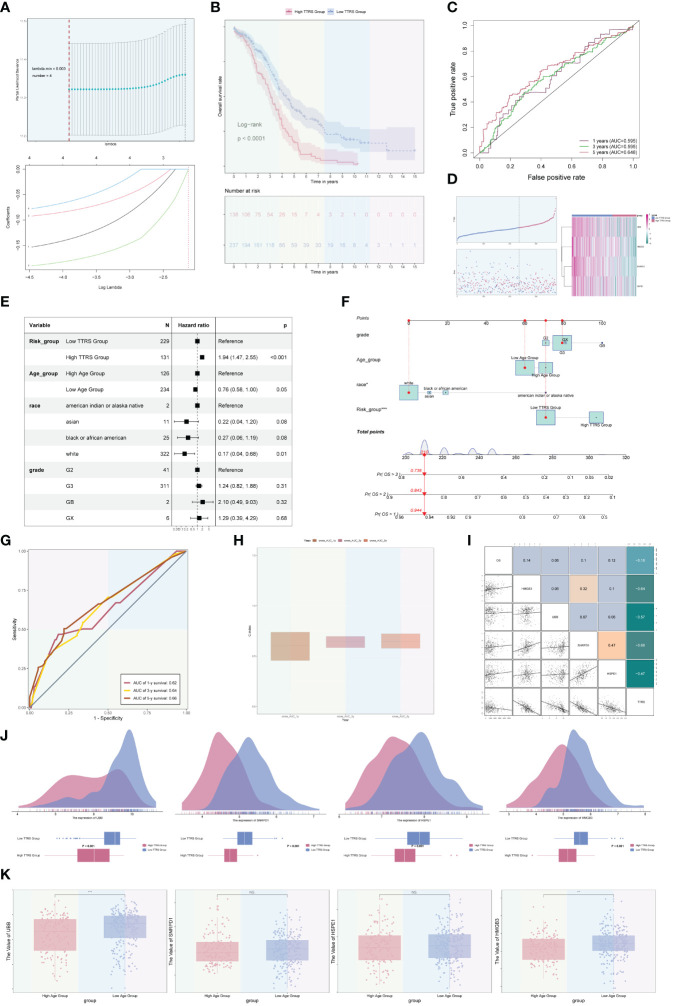
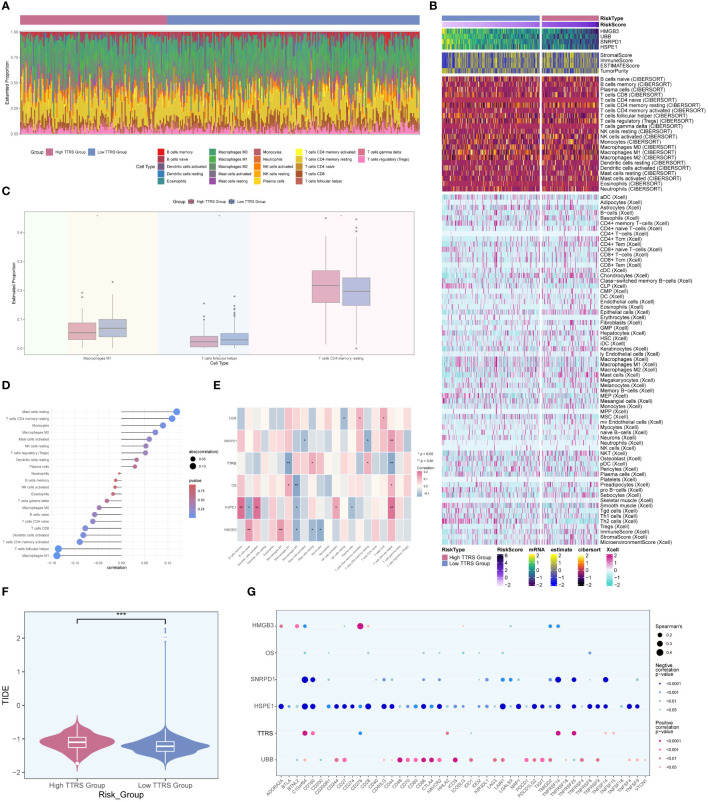
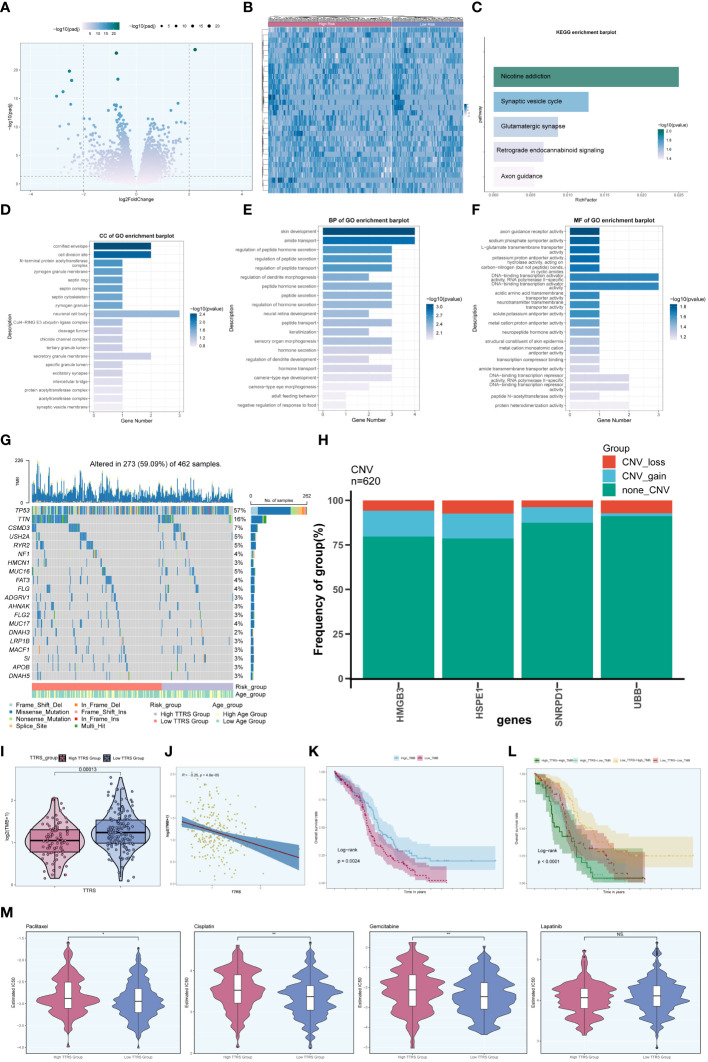
Our study identified a distinct and highly proliferative subgroup of malignant epithelial cells, known as C2 TOP2A+ TCs. This subgroup primarily consisted of patients who hadn't received neoadjuvant chemotherapy. Ovarian cancer patients with elevated TOP2A expression exhibited heightened sensitivity to neoadjuvant chemotherapy (NACT). Moreover, the transcription factor MYBL2 in this subgroup played a critical role in ovarian cancer development. Additionally, we developed an independent prognostic indicator, the TOP2A TCs Risk Score (TTRS), which revealed a correlation between the High TTRS Group and unfavorable outcomes. Furthermore, immune infiltration and drug sensitivity analyses demonstrated increased responsiveness to Paclitaxel, Cisplatin, and Gemcitabine in the Low TTRS Group.
This research deepens our understanding of malignant epithelial cells in ovarian cancer and enhances our knowledge of the ovarian cancer immune microenvironment and immune exhaustion. We have revealed the heightened susceptibility of the C2 TOP2A+ TCs subgroup to neoadjuvant chemotherapy and emphasized the role of MYBL2 within the C2 subgroup in promoting the occurrence and progression of ovarian cancer. These insights provide valuable guidance for the management of ovarian cancer treatment.
卵巢癌(OC)是一种常见的妇科恶性肿瘤,复发率和死亡率都很高,通常在晚期诊断。尽管免疫疗法取得了进展,但免疫衰竭仍然是实现肿瘤最佳控制的一个重大挑战。然而,对恶性上皮细胞的肿瘤内异质性和卵巢癌肿瘤微环境的探索仍然有限,这阻碍了我们对疾病的全面了解。
利用单细胞 RNA 测序(scRNA-seq),我们全面研究了来自 6 名有网膜转移的卵巢癌患者的肿瘤细胞组成。我们的重点是分析恶性上皮细胞。我们使用 CytoTRACE 和 slingShot 伪时间分析,鉴定了关键的亚群,并探讨了影响卵巢癌进展的相关转录因子(TFs)。此外,我们整合了来自大量批量 RNA 测序数据的临床因素,建立了一个新的预后模型,以研究肿瘤免疫微环境对卵巢癌患者的影响。此外,我们还研究了免疫衰竭的情况。
我们的研究确定了一个独特且高度增殖的恶性上皮细胞亚群,称为 C2 TOP2A+ TCs。这个亚群主要由未接受新辅助化疗的患者组成。TOP2A 表达升高的卵巢癌患者对新辅助化疗(NACT)更敏感。此外,该亚群中的转录因子 MYBL2 在卵巢癌的发展中起着关键作用。此外,我们开发了一个独立的预后指标,即 TOP2A TCs 风险评分(TTRS),它显示了高 TTRS 组与不良结局之间的相关性。此外,免疫浸润和药物敏感性分析表明,低 TTRS 组对紫杉醇、顺铂和吉西他滨的反应性增加。
这项研究加深了我们对卵巢癌恶性上皮细胞的理解,增强了我们对卵巢癌免疫微环境和免疫衰竭的认识。我们揭示了 C2 TOP2A+ TCs 亚组对新辅助化疗的高度敏感性,并强调了 C2 亚组内 MYBL2 在促进卵巢癌发生和进展中的作用。这些见解为卵巢癌治疗管理提供了有价值的指导。