Thakur Monika, Bhardwaj Namrata, Suchandra Hari Hara, Kumar R Arun, Pushpa K, Harshitha Nisha R, Satish Suhas, Jain Sumi, Govindan Radhakrishnan, Manjunatha Narayana, Kumar Channaveerachari Naveen, Math Suresh Bada
Tele Medicine Center, National Institute of Mental Health and Neuro Sciences, Bengaluru, Karnataka, India.
Tele Manas, National Institute of Mental Health and Neuro Sciences, Bengaluru, Karnataka, India.
J Family Med Prim Care. 2024 Dec;13(12):5626-5633. doi: 10.4103/jfmpc.jfmpc_789_24. Epub 2024 Dec 9.
The ST population, residing in isolated, underdeveloped areas, faces significant health disparities compared to non-tribal communities. In particular, the lack of mental health infrastructure in these regions exacerbates their health challenges. Tribal communities possess distinct cultural beliefs surrounding health and illness, yet scant information exists regarding their physical and mental well-being. In addition, limited access to mental health services prevails, and many tribal individuals opt for traditional healing methods.
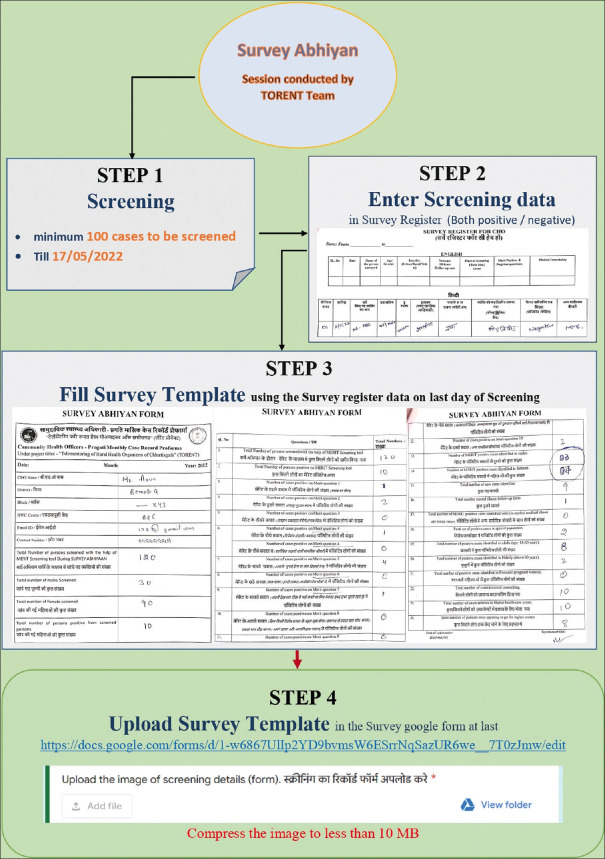
This study is part of the "Tele-mentoring for Rural Health Organizers of Chhattisgarh (TORENT)" project, which aims to equip rural health organizers and community health officers (CHOs) with training to screen, identify, counsel, refer, and follow up with community members facing mental health issues.
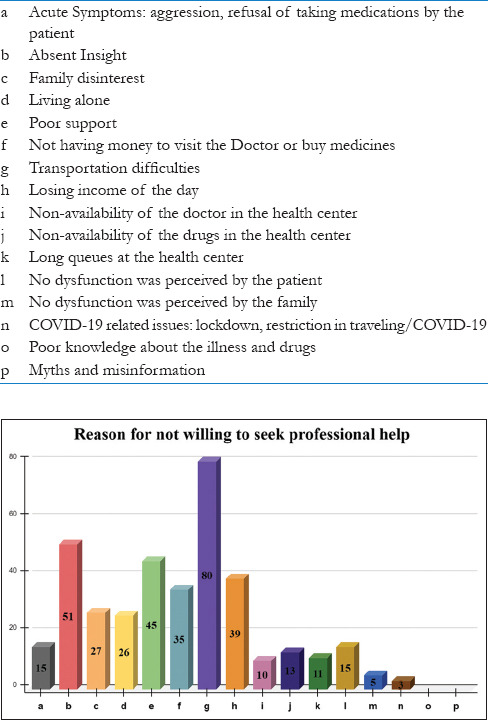
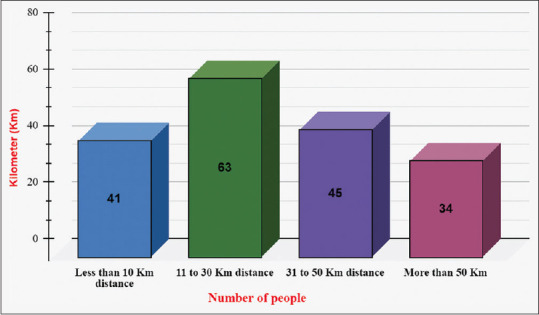
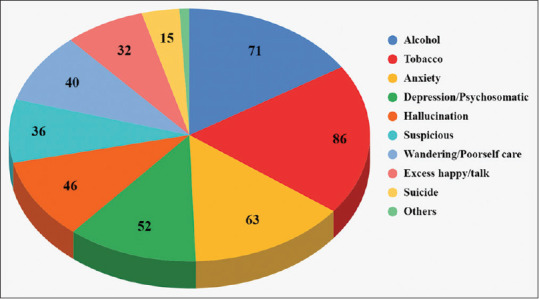
Covering 27 districts in Chhattisgarh, this study enlisted trained CHOs to employ the MERIT tool for mental health screenings. Among the tribal population, the study unveiled elevated rates of tobacco and alcohol use, anxiety, depression, hallucinations, and substance use disorders. Challenges in seeking professional help were widespread, driven by transportation difficulties and limited awareness. Field visits (77%) played a pivotal role in identifying cases, alongside self-referrals and referrals by Mitanin or ASHA workers. Notably, a significant proportion had a family history of alcohol use, with a preference for a locally brewed liquor called Mahua.
This study provides vital insights into the mental health status of Chhattisgarh's tribal populations. It underscores their socioeconomic challenges, high prevalence of substance use disorders, and barriers to accessing mental health services. The study highlights the importance of delivering mental health care within tribal communities, emphasizing the engagement of locally available primary care health workers. Furthermore, it advocates for an integrated approach that acknowledges the role of faith healers in tribal communities' mental health care.
居住在偏远、欠发达地区的部落人口与非部落社区相比,面临着巨大的健康差距。特别是,这些地区心理健康基础设施的缺乏加剧了他们的健康挑战。部落社区在健康和疾病方面有着独特的文化信仰,但关于他们身心健康的信息却很少。此外,获得心理健康服务的机会有限,许多部落居民选择传统的治疗方法。
本研究是“恰蒂斯加尔邦农村卫生组织者远程指导(TORENT)”项目的一部分,该项目旨在为农村卫生组织者和社区卫生官员(CHOs)提供培训,以便对面临心理健康问题的社区成员进行筛查、识别、咨询、转诊和随访。
本研究覆盖了恰蒂斯加尔邦的27个区,招募了经过培训的社区卫生官员使用MERIT工具进行心理健康筛查。在部落人口中,研究发现烟草和酒精使用、焦虑、抑郁、幻觉及物质使用障碍的发生率较高。由于交通困难和意识有限,寻求专业帮助面临诸多挑战。实地走访(77%)在病例识别中发挥了关键作用,此外还有自我转诊以及米塔宁或阿莎工作人员的转诊。值得注意的是,很大一部分人有酒精使用家族史,他们更喜欢一种名为马花的当地酿造的酒。
本研究为恰蒂斯加尔邦部落人口的心理健康状况提供了重要见解。它强调了他们的社会经济挑战、物质使用障碍的高患病率以及获得心理健康服务的障碍。该研究突出了在部落社区提供心理健康护理的重要性,强调了当地初级保健卫生工作者的参与。此外,它提倡采用一种综合方法,承认信仰治疗师在部落社区心理健康护理中的作用。