Gómez-Delgado Irene, López-Pastor Andrea R, González-Jiménez Adela, Ramos-Acosta Carlos, Hernández-Garate Yenitzeh, Martínez-Micaelo Neus, Amigó Núria, Espino-Paisán Laura, Anguita Eduardo, Urcelay Elena
Lab. Genetics and Molecular Bases of Complex Diseases, Health Research Institute of Hospital Clínico San Carlos (IdISSC), 28040, Madrid, Spain.
Cooperative Research Networks Oriented to Health Results (RICORS, REI), ISCIII, 28029, Madrid, Spain.
Cell Biol Toxicol. 2025 Jan 10;41(1):27. doi: 10.1007/s10565-024-09976-0.
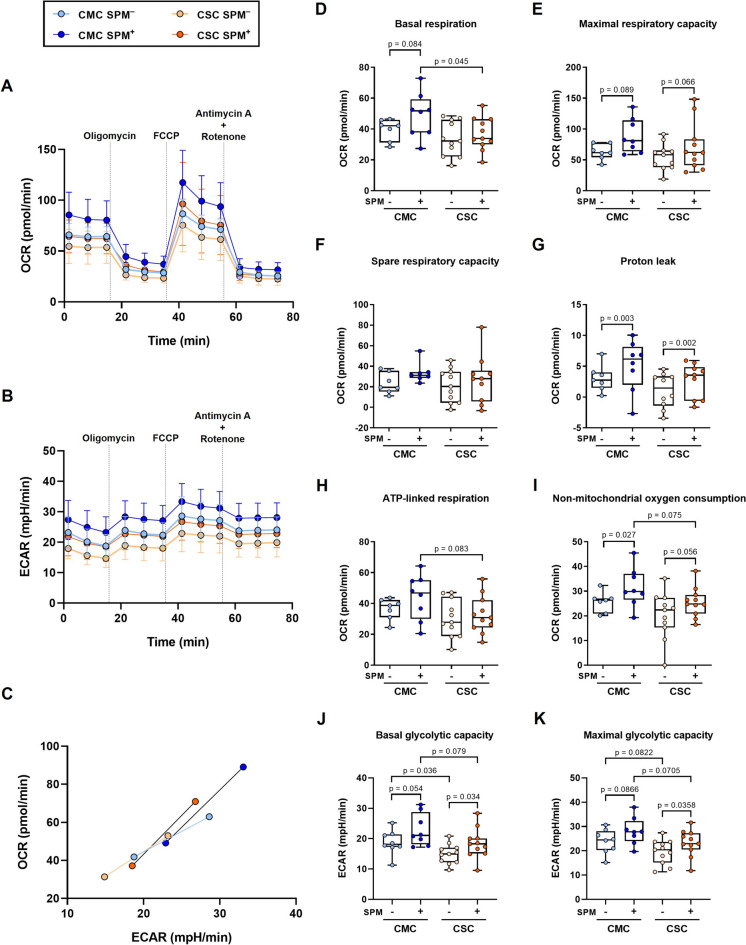
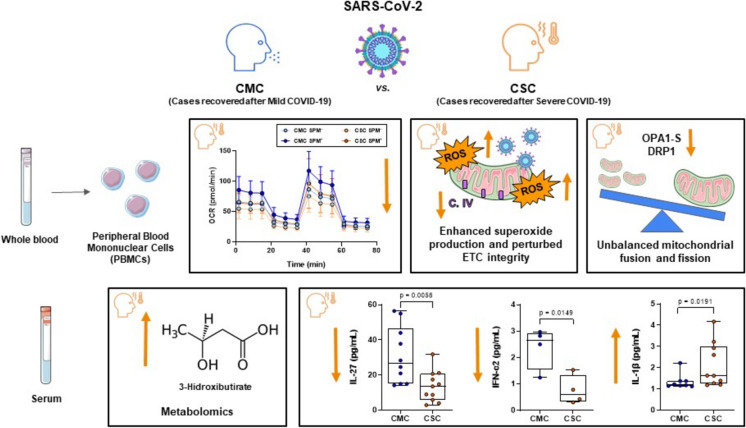
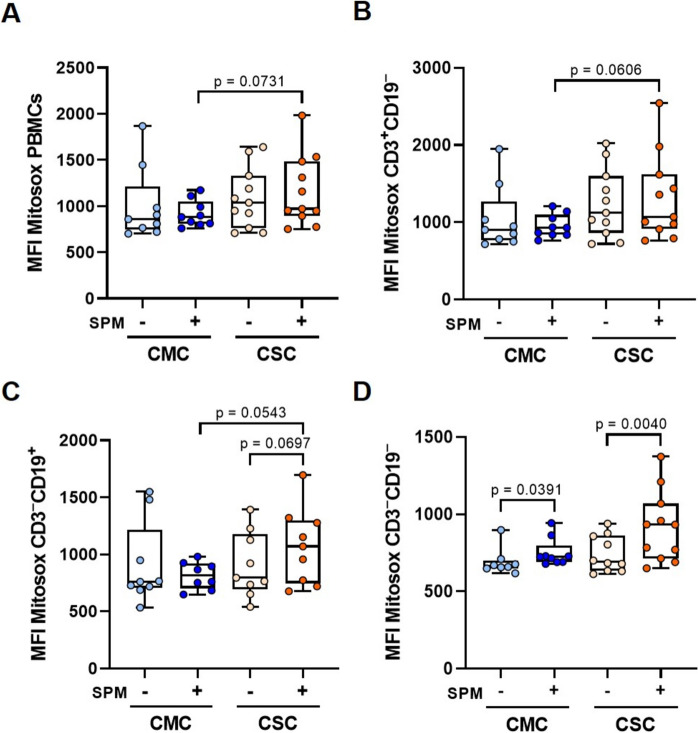
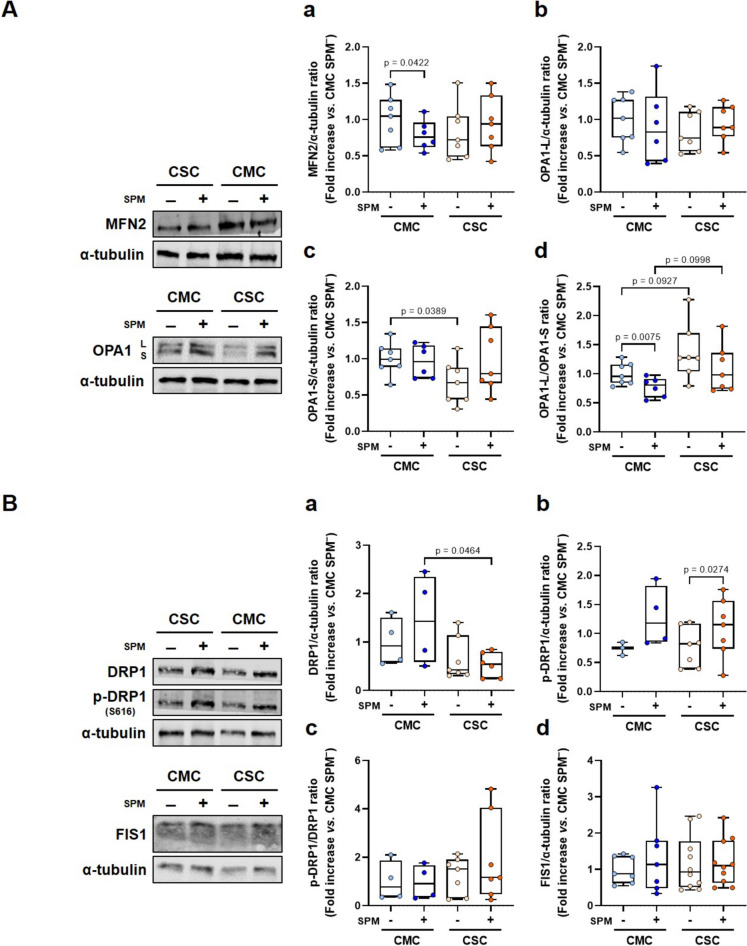
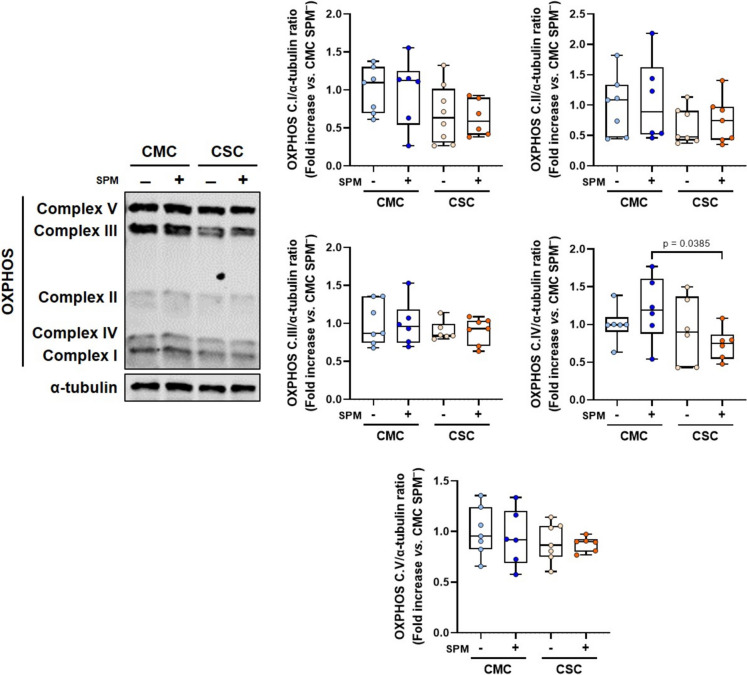
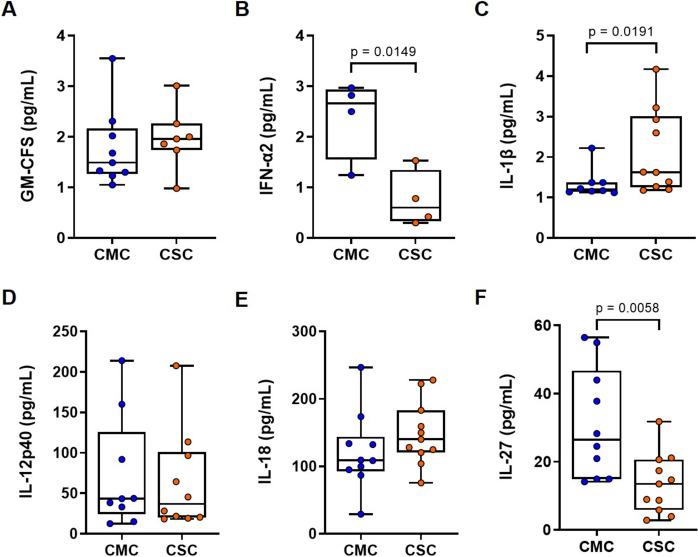
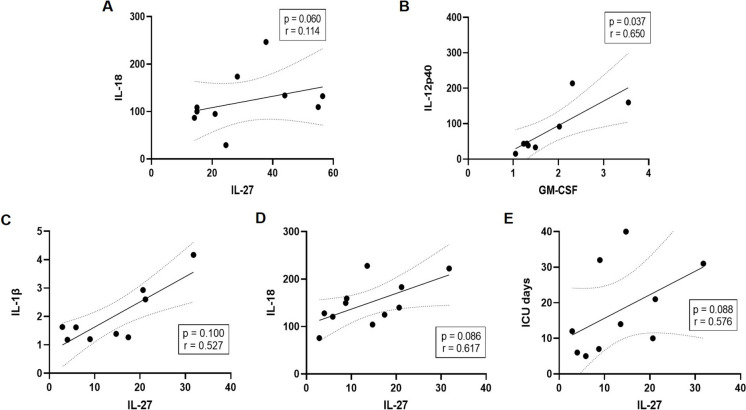
The underlying mechanisms explaining the differential course of SARS-CoV-2 infection and the potential clinical consequences after COVID-19 resolution have not been fully elucidated. As a dysregulated mitochondrial activity could impair the immune response, we explored long-lasting changes in mitochondrial functionality, circulating cytokine levels, and metabolomic profiles of infected individuals after symptoms resolution, to evaluate whether a complete recovery could be achieved. Results of this pilot study evidenced that different parameters of aerobic respiration in lymphocytes of individuals recuperated from a severe course lagged behind those shown upon mild COVID-19 recovery, in basal conditions and after simulated reinfection, and they also showed altered glycolytic capacity. The severe groups showed trends to enhanced superoxide production in parallel to lower OPA1-S levels. Unbalance of pivotal mitochondrial fusion (MFN2, OPA1) and fission (DRP1, FIS1) proteins was detected, suggesting a disruption in mitochondrial dynamics, as well as a lack of structural integrity in the electron transport chain. In serum, altered cytokine levels of IL-1β, IFN-α2, and IL-27 persisted long after clinical recovery, and growing amounts of the latter after severe infection correlated with lower basal and maximal respiration, ATP production, and glycolytic capacity. Finally, a trend for higher circulating levels of 3-hydroxybutyrate was found in individuals recovered after severe compared to mild course. In summary, long after acute infection, mitochondrial and metabolic changes seem to differ in a situation of full recovery after mild infection versus the one evolving from severe infection.
解释SARS-CoV-2感染的不同病程以及COVID-19康复后潜在临床后果的潜在机制尚未完全阐明。由于线粒体活性失调可能会损害免疫反应,我们探究了症状缓解后受感染个体线粒体功能、循环细胞因子水平和代谢组学特征的长期变化,以评估是否能实现完全康复。这项初步研究的结果表明,从重症病程中康复的个体淋巴细胞中需氧呼吸的不同参数在基础状态和模拟再次感染后落后于轻症COVID-19康复者所显示的参数,并且他们的糖酵解能力也发生了改变。重症组显示出超氧化物产生增加的趋势,同时OPA1-S水平降低。检测到关键的线粒体融合(MFN2、OPA1)和裂变(DRP1、FIS1)蛋白失衡,提示线粒体动力学受到破坏,以及电子传递链缺乏结构完整性。在血清中,IL-1β、IFN-α2和IL-27的细胞因子水平在临床康复后很长时间仍持续改变,重症感染后IL-27水平的升高与基础和最大呼吸、ATP产生以及糖酵解能力降低相关。最后,与轻症病程康复者相比,重症康复者循环中3-羟基丁酸水平有升高趋势。总之,在急性感染后很长时间,轻度感染后完全康复的情况与重症感染后康复的情况相比,线粒体和代谢变化似乎有所不同。