Rasool Shumaila, Groos Manon, Hannula S Emilia, Biere Arjen
Department of Terrestrial Ecology, Netherlands Institute of Ecology (NIOO-KNAW), Wageningen, The Netherlands.
Institute of Environmental Sciences, Leiden University, Leiden, The Netherlands.
Environ Microbiome. 2025 Jan 18;20(1):7. doi: 10.1186/s40793-025-00667-9.
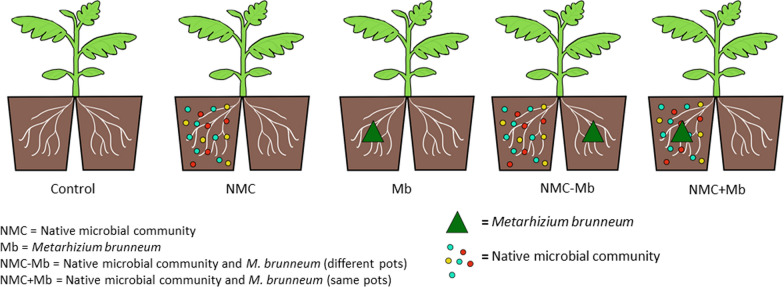
Entomopathogenic fungi are increasingly used as bio-inoculants to enhance crop growth and resistance. When applied to rhizosphere soil, they interact with resident soil microbes, which can affect their ability to colonize and induce resistance in plants as well as modify the structure of the resident soil microbiome, either directly through interactions in the rhizosphere or indirectly, mediated by the plant. The extent to which such direct versus indirect interactions between bio-inoculants and soil microbes impact microbe-induced resistance in crops remains unclear. This study uses a split-root system to examine the effects of direct versus indirect (plant-mediated) interactions between an entomopathogenic fungus, Metarhizium brunneum, and resident soil microbes on induced resistance in tomato against two-spotted spider mites. Additionally, the study explores how these interactions influence the composition and diversity of soil fungal and bacterial communities.
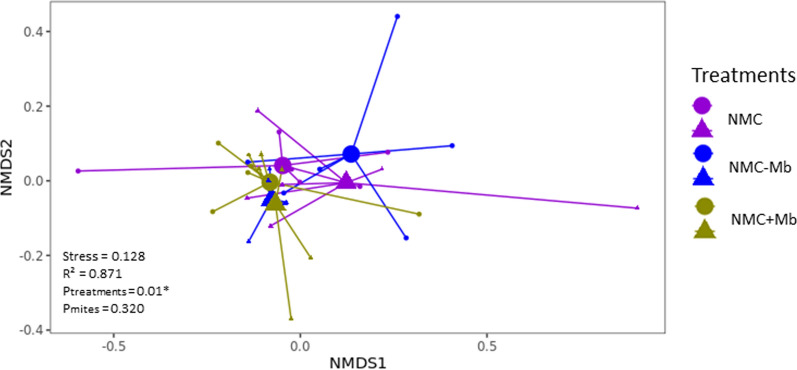
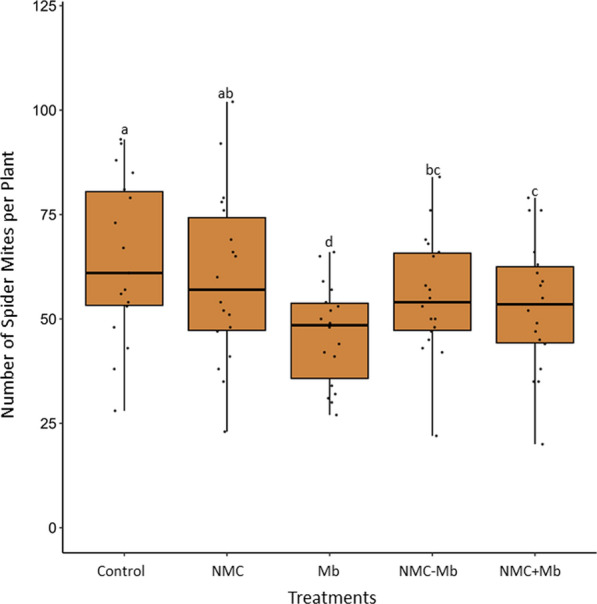
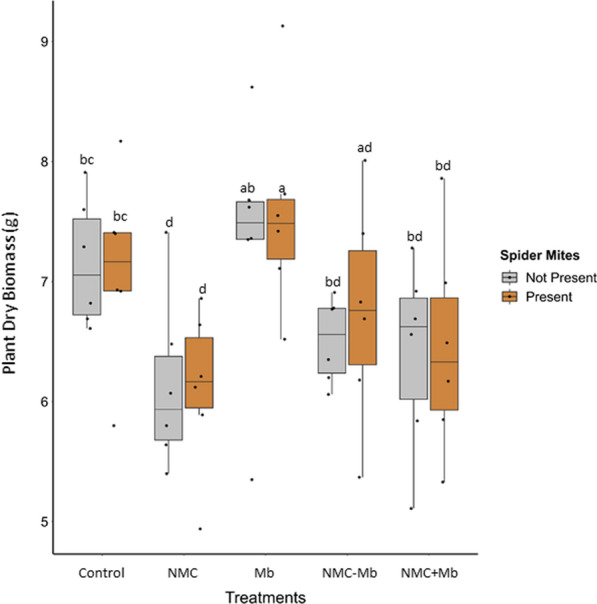
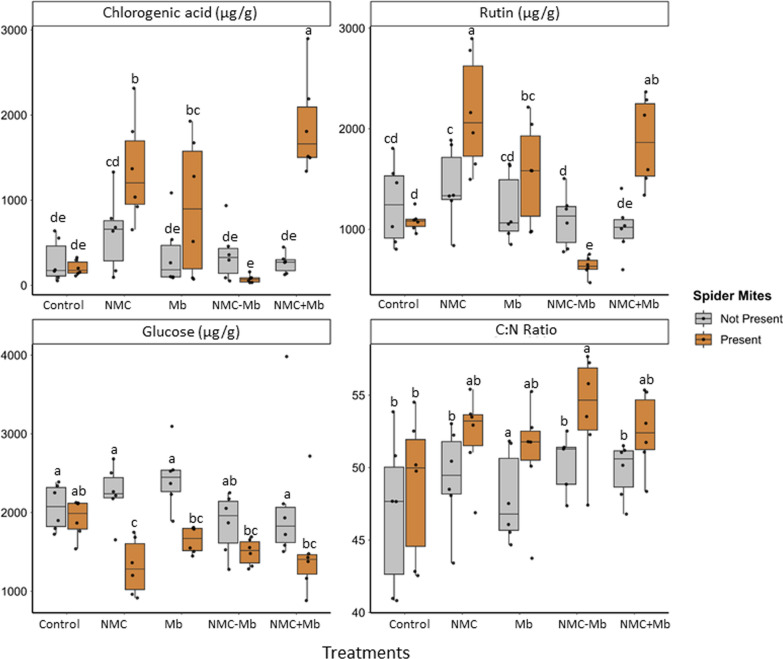
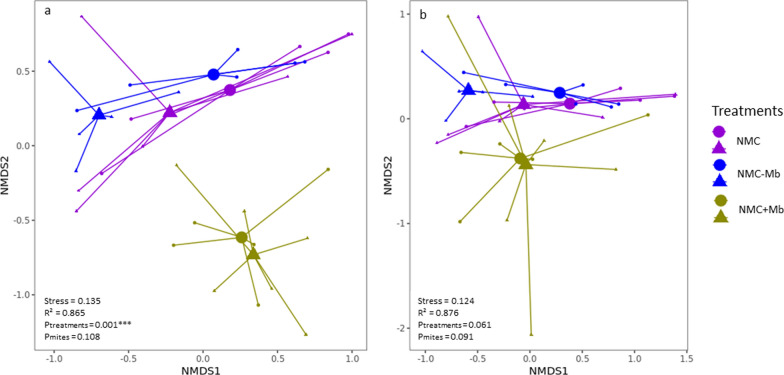
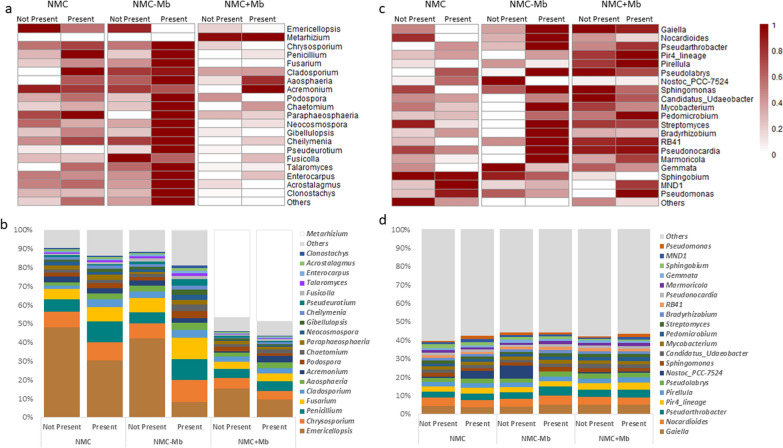
Resident soil microbes reduced the efficacy of M. brunneum to induce resistance against spider mites. This reduction occurred not only when resident microbes directly interacted with the bio-inoculant but also when they were spatially separated within the root system, indicating plant-mediated effects. M. brunneum inoculation did not affect rhizosphere microbial diversity but led to changes in fungal and bacterial community composition, even when these communities were not in direct contact with the inoculant.
This research highlights the impact of both direct and plant-mediated interactions between bio-inoculants and resident soil microbes on bio-inoculant-induced pest resistance in crop plants and underscores the importance of assessing potential adverse effects of fungal bio-inoculants on native soil communities.
昆虫病原真菌越来越多地被用作生物接种剂,以促进作物生长和增强抗性。当应用于根际土壤时,它们与土壤中的常驻微生物相互作用,这可能会影响它们在植物中定殖和诱导抗性的能力,以及改变常驻土壤微生物群落的结构,这种改变可以通过根际中的直接相互作用,也可以通过植物介导的间接相互作用来实现。生物接种剂与土壤微生物之间的这种直接和间接相互作用对作物中微生物诱导抗性的影响程度尚不清楚。本研究采用分根系统,研究昆虫病原真菌球孢白僵菌与常驻土壤微生物之间的直接和间接(植物介导)相互作用对番茄抗二斑叶螨诱导抗性的影响。此外,该研究还探讨了这些相互作用如何影响土壤真菌和细菌群落的组成和多样性。
常驻土壤微生物降低了球孢白僵菌诱导抗叶螨的功效。这种降低不仅发生在常驻微生物与生物接种剂直接相互作用时,也发生在它们在根系内空间分离时,这表明存在植物介导的效应。即使在这些群落没有与接种剂直接接触的情况下,接种球孢白僵菌也不会影响根际微生物多样性,但会导致真菌和细菌群落组成发生变化。
本研究强调了生物接种剂与常驻土壤微生物之间的直接和植物介导的相互作用对作物中生物接种剂诱导的害虫抗性的影响,并强调了评估真菌生物接种剂对原生土壤群落潜在不利影响的重要性。