
基于家蚕的仿生纳米颗粒的高效快速微流体制备用于增强乳腺癌治疗
Efficient and Rapid Microfluidics Production of Bio-Inspired Nanoparticles Derived from Silkworm for Enhanced Breast Cancer Treatment.
作者信息
Mansor Muhamad Hawari, Gao Zijian, Howard Faith, MacInnes Jordan, Zhao Xiubo, Muthana Munitta
机构信息
School of Medicine and Population Health, The University of Sheffield, Barber House, Sheffield S10 2HQ, UK.
School of Chemical, Materials and Biological Engineering, The University of Sheffield, Mappin Street, Sheffield S1 3JD, UK.
出版信息
Pharmaceutics. 2025 Jan 12;17(1):95. doi: 10.3390/pharmaceutics17010095.
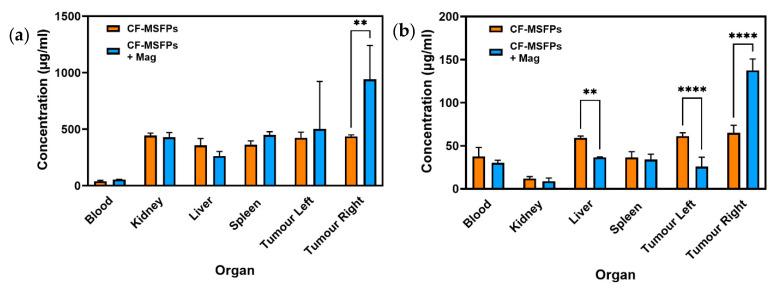
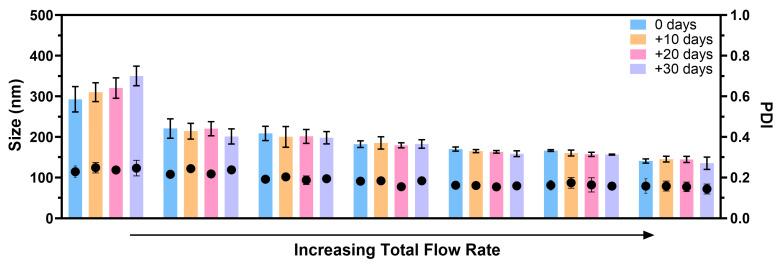
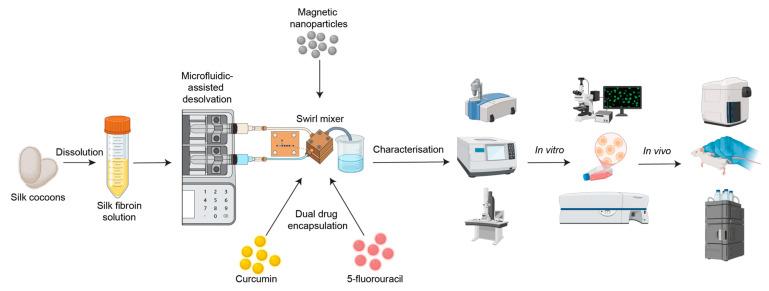
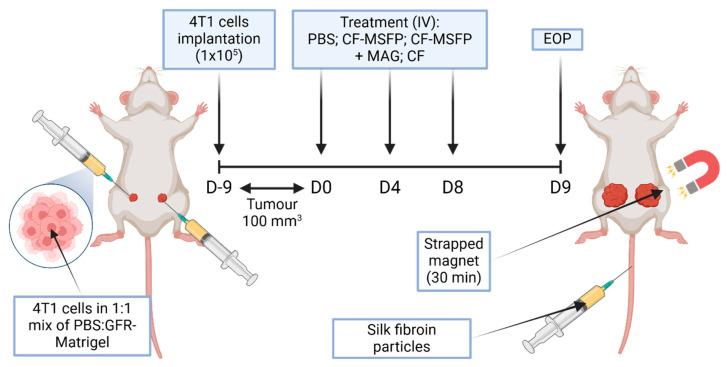
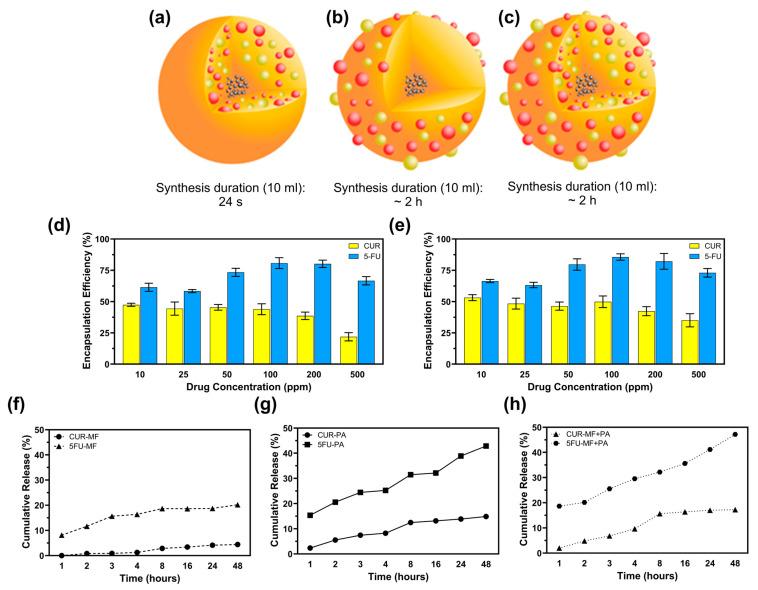
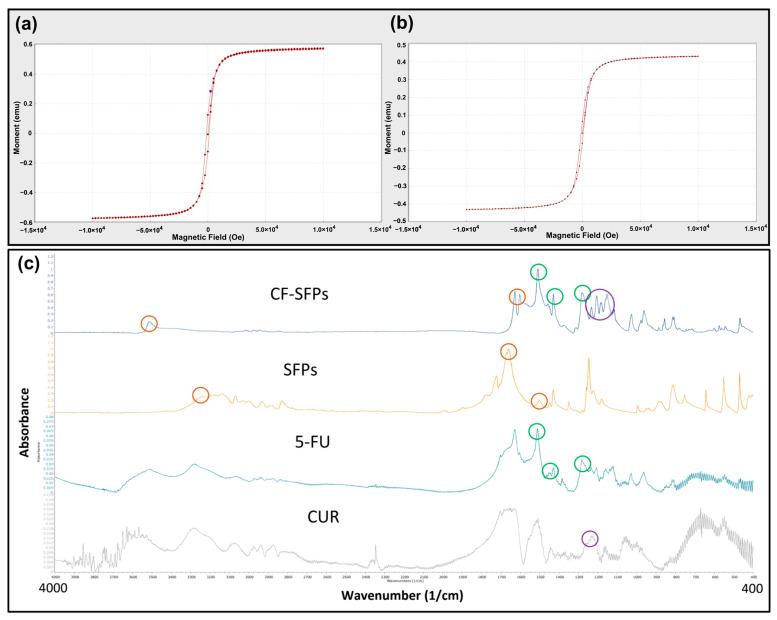
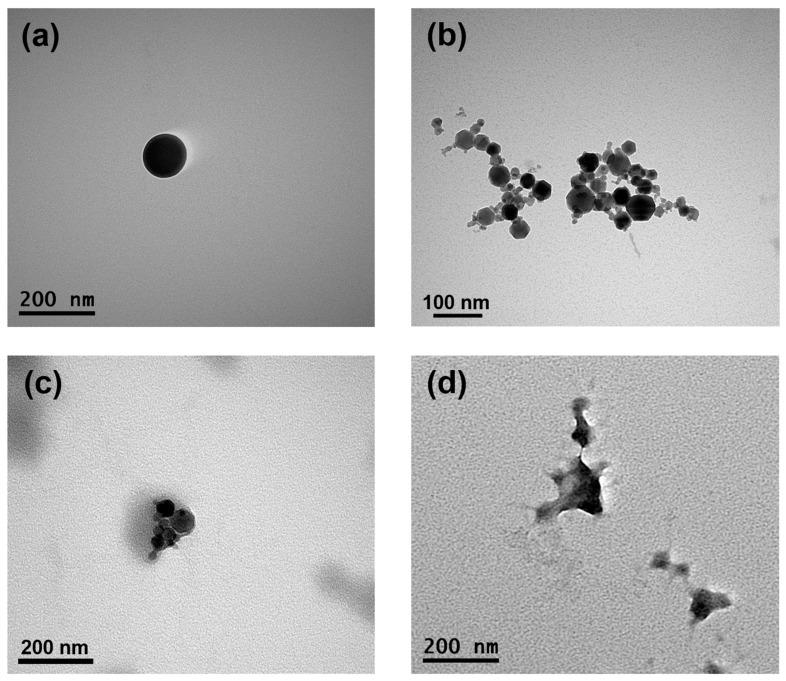
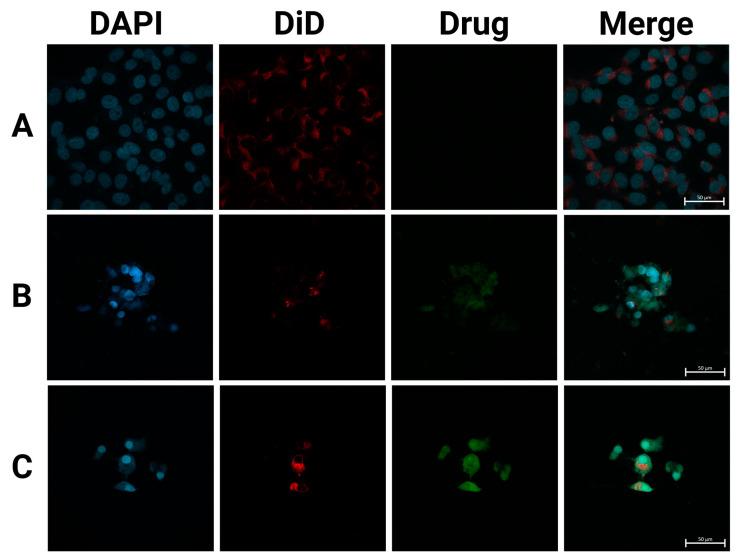
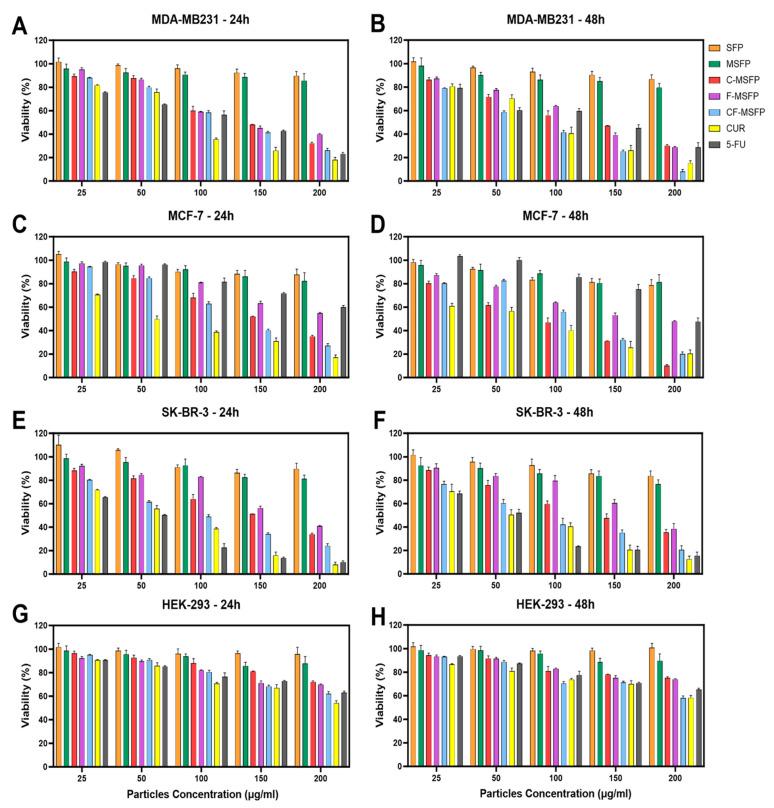
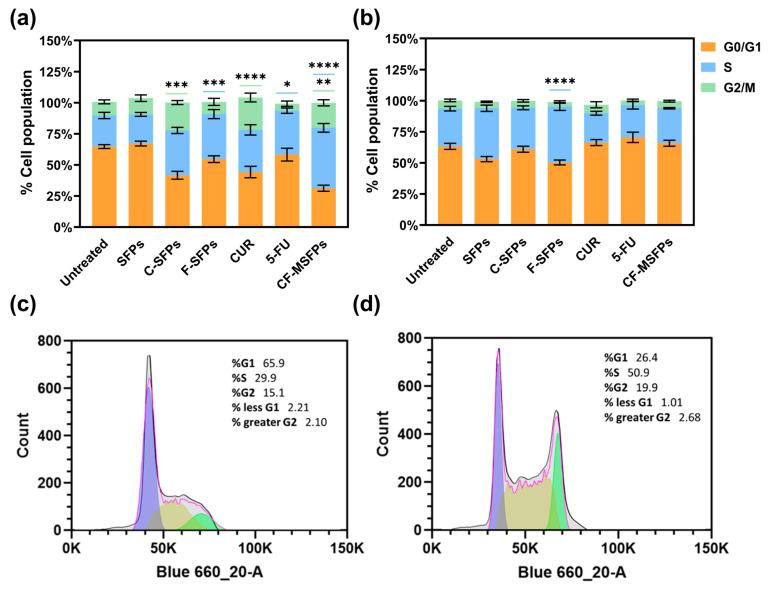
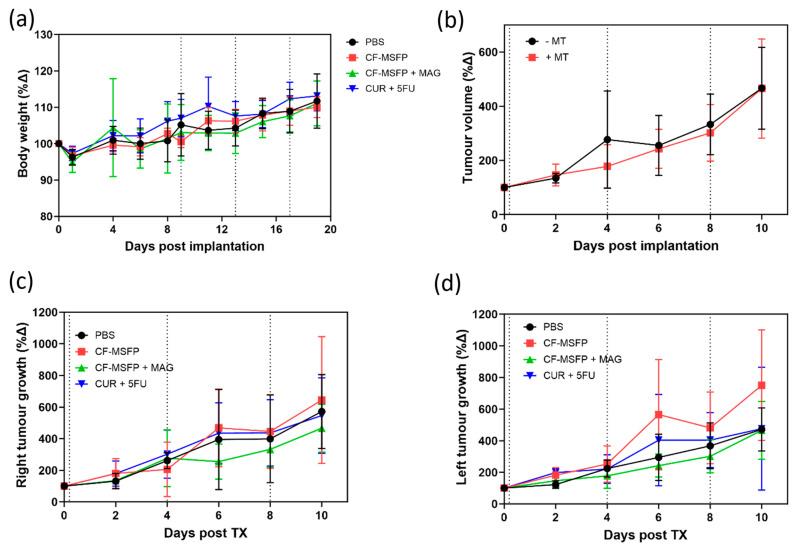
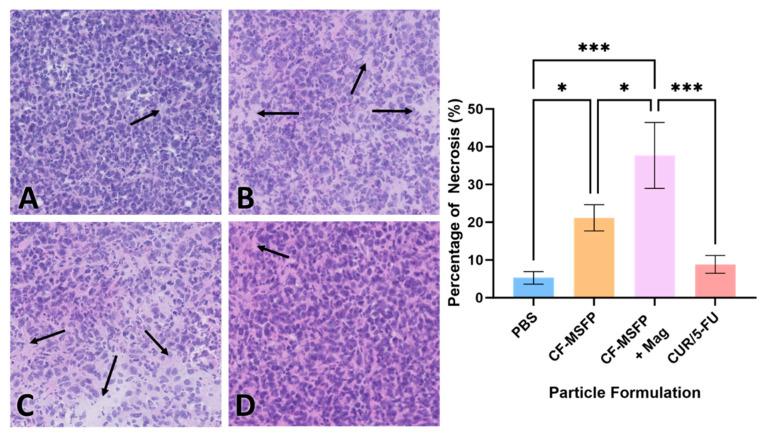
: In the quest for sustainable and biocompatible materials, silk fibroin (SF), derived from natural silk, has emerged as a promising candidate for nanoparticle production. This study aimed to fabricate silk fibroin particles (SFPs) using a novel swirl mixer previously presented by our group, evaluating their characteristics and suitability for drug delivery applications, including magnetic nanoparticles and dual-drug encapsulation with curcumin (CUR) and 5-fluorouracil (5-FU). : SFPs were fabricated via microfluidics-assisted desolvation using a swirl mixer, ensuring precise mixing kinetics. Comprehensive physicochemical characterisation, including size, polydispersity index (PDI), zeta potential, and secondary structure analysis, was conducted. Further, CUR/5-FU-loaded magnetic core SFPs were assessed for cytotoxicity in vitro using breast cancer cell lines and for biodistribution and targeting efficiency in a murine breast cancer model. : The swirl mixer produced SFPs with sizes below 200 nm and uniform distributions (PDI < 0.20) with size stability for up to 30 days. Encapsulation efficiencies were 37% for CUR and 82% for 5-FU, with sustained drug release profiles showing 50% of CUR and 70% of 5-FU released over 72 h. In vitro studies demonstrated sustained cytotoxic effects, and cell cycle arrest at the G2/M phase in breast cancer cell lines, with minimal toxicity in non-cancerous cells. Cellular uptake assays confirmed efficient drug delivery to the cytoplasm. In vivo biodistribution studies revealed increased tumour-specific drug accumulation with magnetic guidance. Haematoxylin & Eosin (H&E) staining indicated enhanced tumour necrosis in treated groups compared to controls. : This study underscores the utility of the swirl mixer for efficient and scalable fabrication of bio-inspired SFPs, supporting their application in targeted cancer drug delivery. These findings align with and advance previous insights into the use of microfluidics and desolvation methods, paving the way for improved therapeutic strategies in breast cancer treatment.
在寻求可持续且生物相容的材料过程中,源自天然蚕丝的丝素蛋白(SF)已成为生产纳米颗粒的一个有前景的候选材料。本研究旨在使用我们团队之前提出的新型漩涡混合器制备丝素蛋白颗粒(SFP),评估其特性以及在药物递送应用中的适用性,包括磁性纳米颗粒以及与姜黄素(CUR)和5-氟尿嘧啶(5-FU)的双药包封。:通过使用漩涡混合器的微流控辅助去溶剂化方法制备SFP,确保精确的混合动力学。进行了全面的物理化学表征,包括尺寸、多分散指数(PDI)、zeta电位和二级结构分析。此外,使用乳腺癌细胞系对负载CUR/5-FU的磁性核SFP进行了体外细胞毒性评估,并在小鼠乳腺癌模型中评估了其生物分布和靶向效率。:漩涡混合器制备的SFP尺寸低于200nm且分布均匀(PDI<0.20),尺寸稳定性长达30天。CUR的包封效率为37%,5-FU的包封效率为82%,药物持续释放曲线显示在72小时内50%的CUR和70%的5-FU被释放。体外研究表明其具有持续的细胞毒性作用,并使乳腺癌细胞系停滞在G2/M期,对非癌细胞的毒性最小。细胞摄取试验证实药物能有效递送至细胞质。体内生物分布研究表明,在磁性引导下肿瘤特异性药物积累增加。苏木精和伊红(H&E)染色表明,与对照组相比,治疗组的肿瘤坏死增强。:本研究强调了漩涡混合器在高效且可扩展地制备受生物启发的SFP方面的实用性,支持其在靶向癌症药物递送中的应用。这些发现与之前对微流控和去溶剂化方法的见解一致并有所推进,为改善乳腺癌治疗的策略铺平了道路。
 Zotero 插件