Yang Yiqin, Dong Mei
The Second School of Clinical Medicine, Shandong University, Jinan, China.
National Key Laboratory for Innovation and Transformation of Luobing Theory; The Key Laboratory of Cardiovascular Remodeling and Function Research, Chinese Ministry of Education, Chinese National Health Commission and Chinese Academy of Medical Sciences, Jinan, China.
Biol Direct. 2025 Jan 29;20(1):15. doi: 10.1186/s13062-025-00600-7.
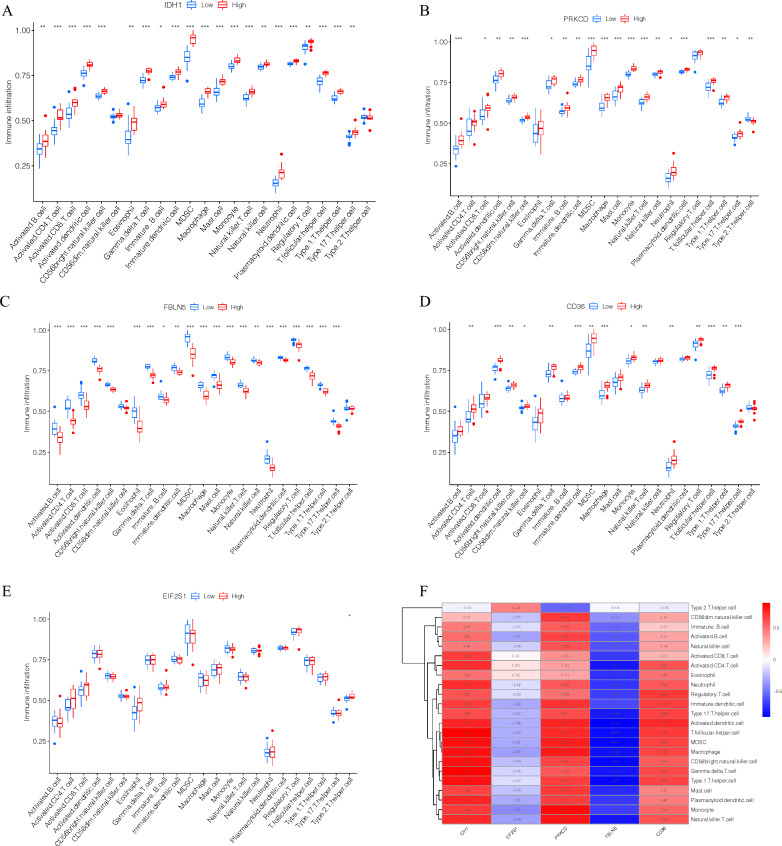
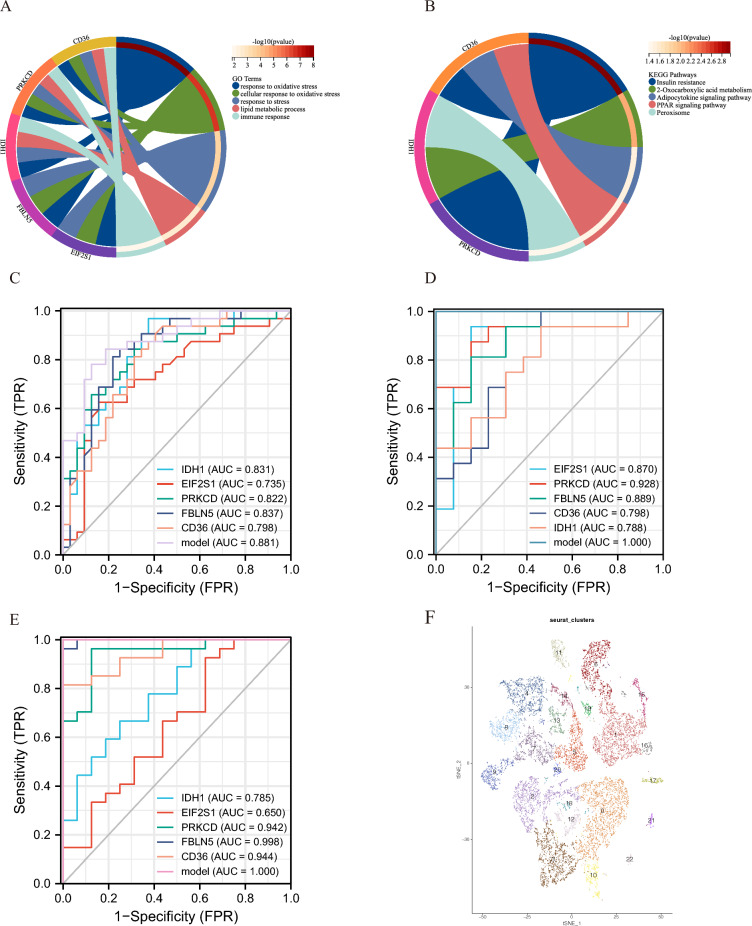
Carotid atherosclerotic plaque is the primary cause of cardiovascular and cerebrovascular diseases. It is closely related to oxidative stress and immune inflammation. This bioinformatic study was conducted to identify key oxidative stress-related genes and key immune cell infiltration involved in the formation, progression, and stabilization of plaques and investigate the relationship between them.
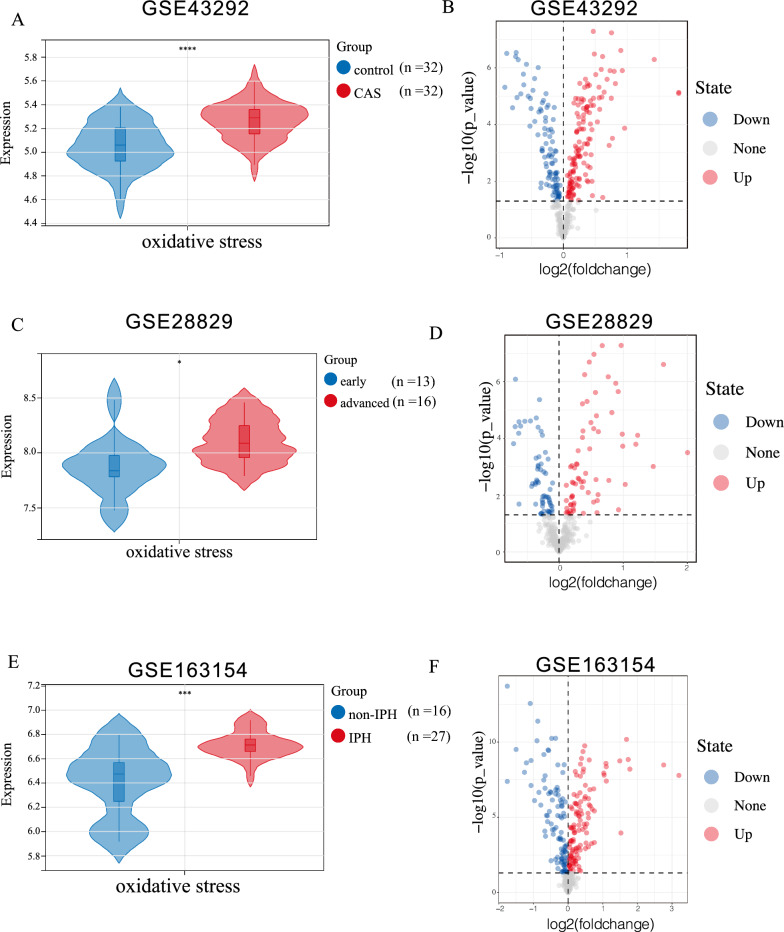
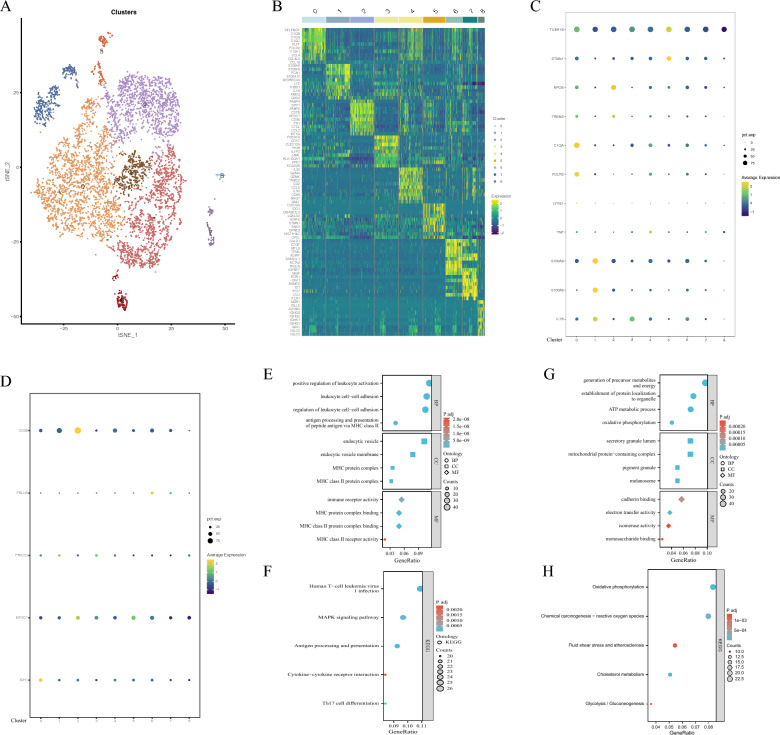
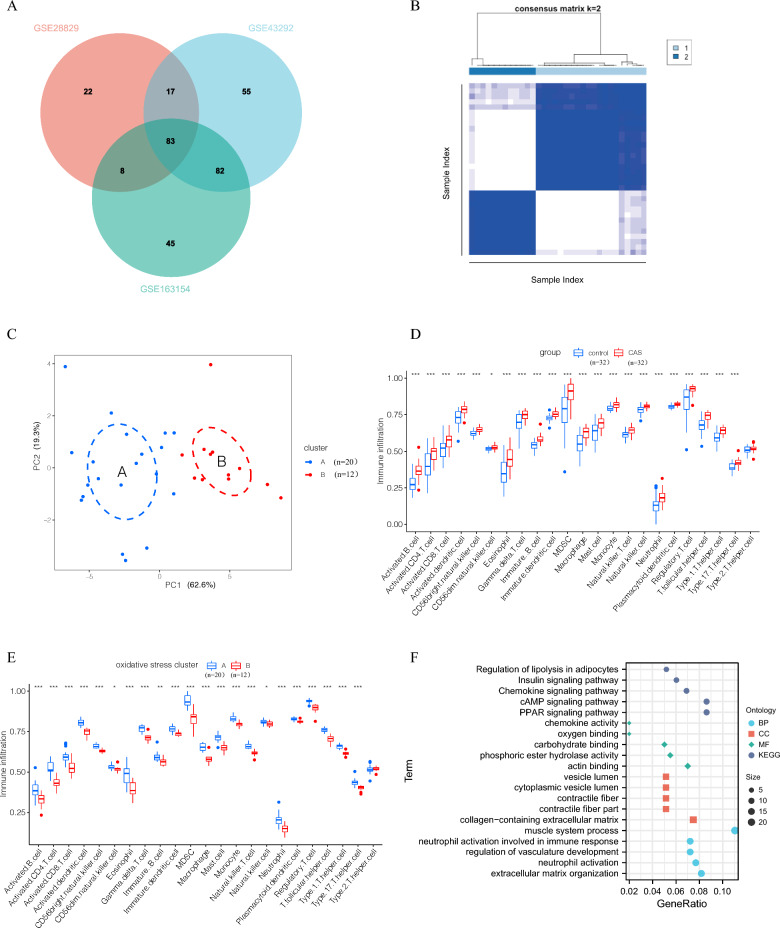
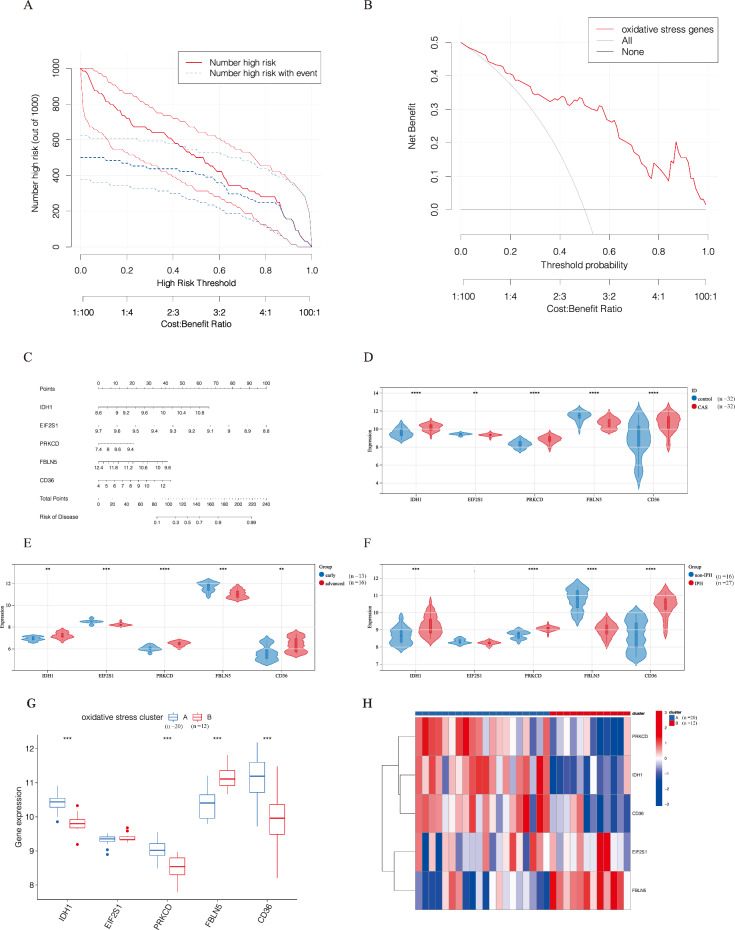
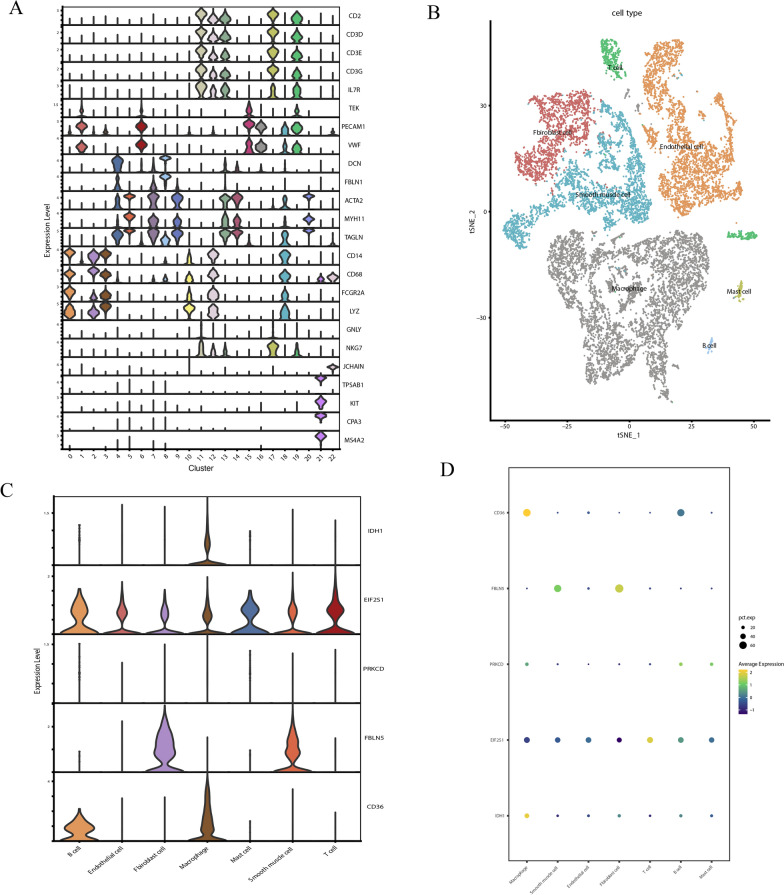
We show that the up-regulation of oxidative stress-related genes such as IDH1 and CD36 in resident-like macrophages and foam macrophages play a key role in the formation and progression of carotid atherosclerotic plaques.
We discuss the role of oxidative stress and immune inflammation in the formation, progression, and stabilization of plaques by combining predictive models with analysis of single-cell data. It introduced novel insights into the mechanisms underlying carotid atherosclerosis formation and plaque progression and may assist in identifying potential therapeutic targets for their treatment.
颈动脉粥样硬化斑块是心脑血管疾病的主要病因。它与氧化应激和免疫炎症密切相关。本生物信息学研究旨在鉴定与氧化应激相关的关键基因以及参与斑块形成、进展和稳定的关键免疫细胞浸润,并研究它们之间的关系。
我们发现,驻留样巨噬细胞和泡沫巨噬细胞中异柠檬酸脱氢酶1(IDH1)和分化簇36(CD36)等氧化应激相关基因的上调在颈动脉粥样硬化斑块的形成和进展中起关键作用。
我们通过将预测模型与单细胞数据分析相结合,探讨了氧化应激和免疫炎症在斑块形成、进展和稳定中的作用。这为颈动脉粥样硬化形成和斑块进展的潜在机制提供了新的见解,并可能有助于确定其治疗的潜在靶点。