Yang Ying, Song Lulu, Yu Liping, Zhang Jinping, Zhang Bo
Department of Endocrinology, China‑Japan Friendship Hospital, Beijing 100029, P.R. China.
Int J Mol Med. 2025 Apr;55(4). doi: 10.3892/ijmm.2025.5497. Epub 2025 Jan 31.
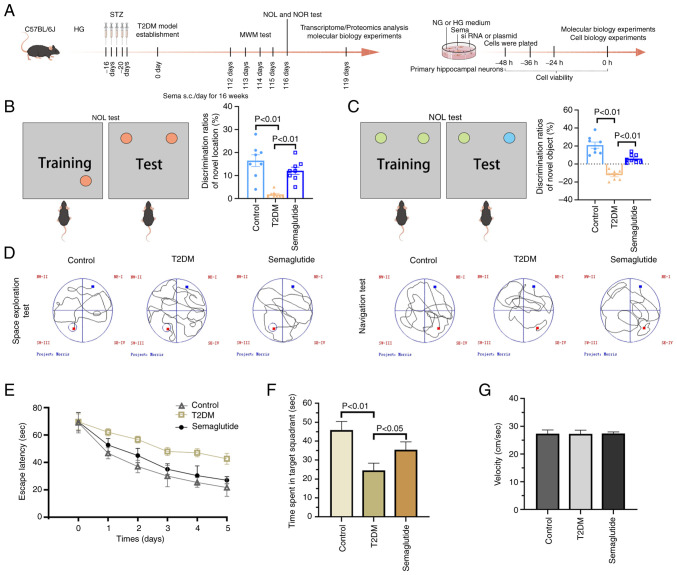
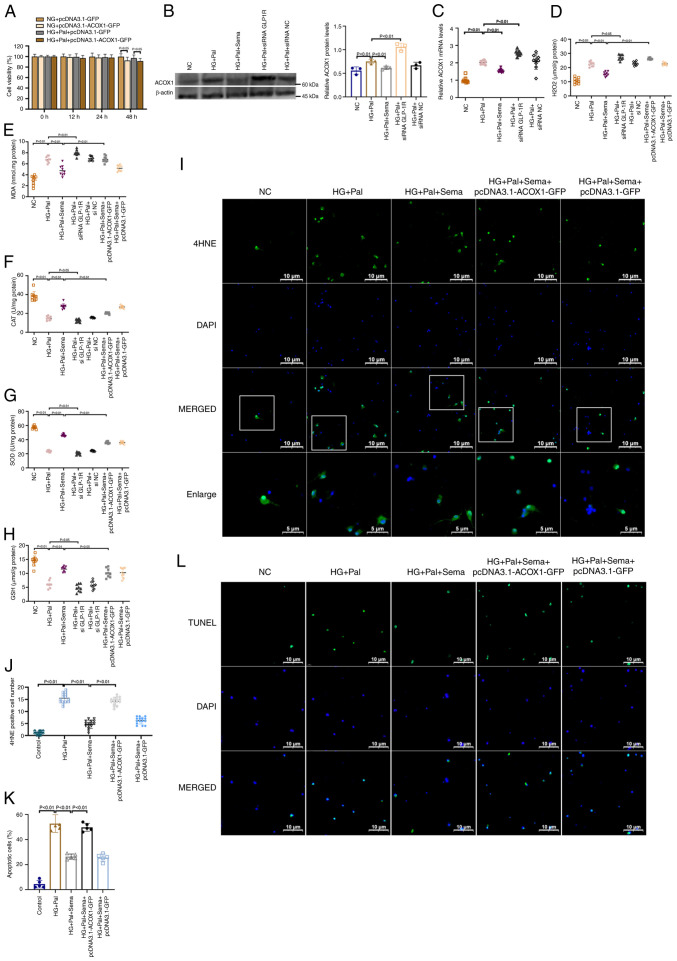
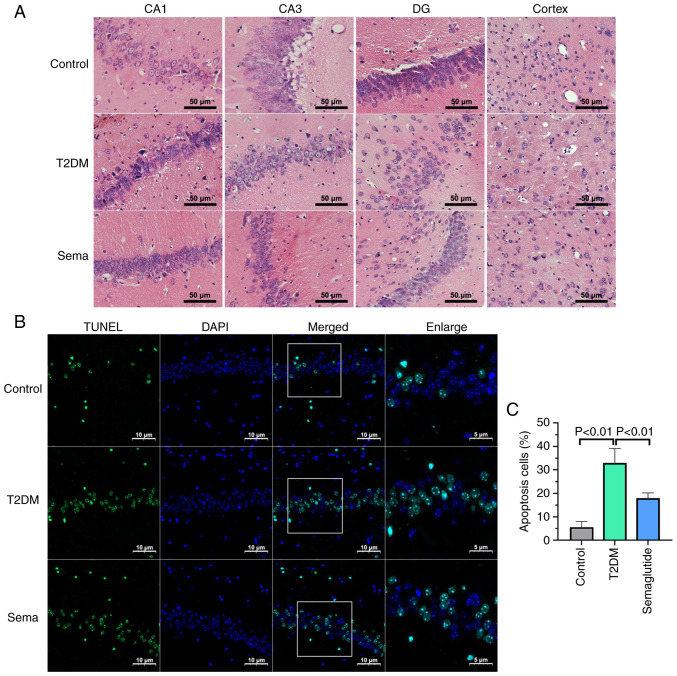
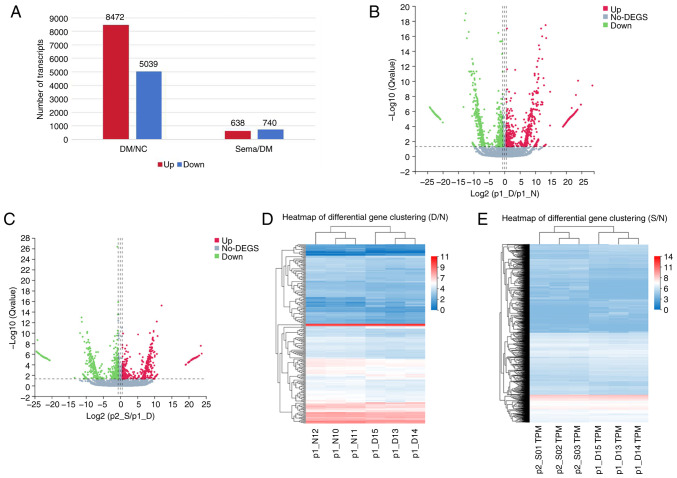
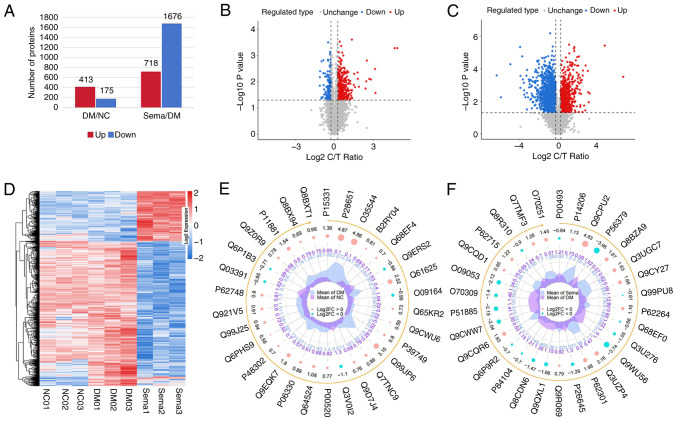
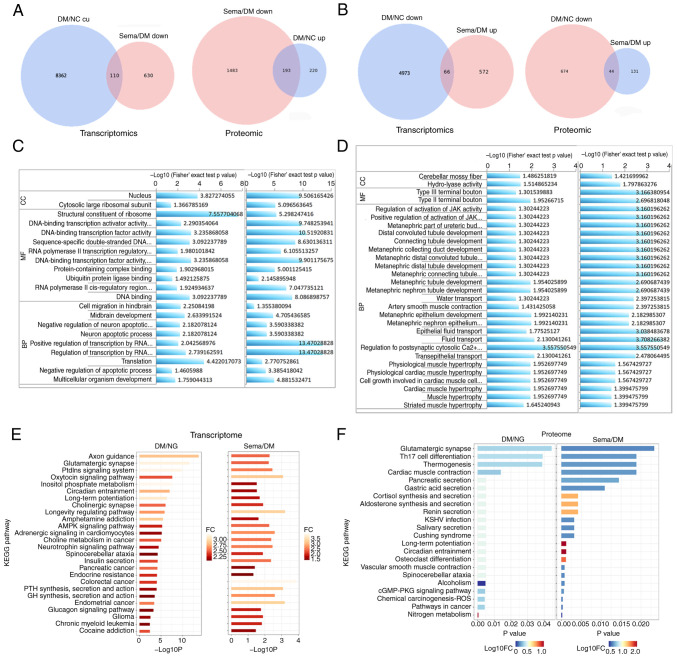
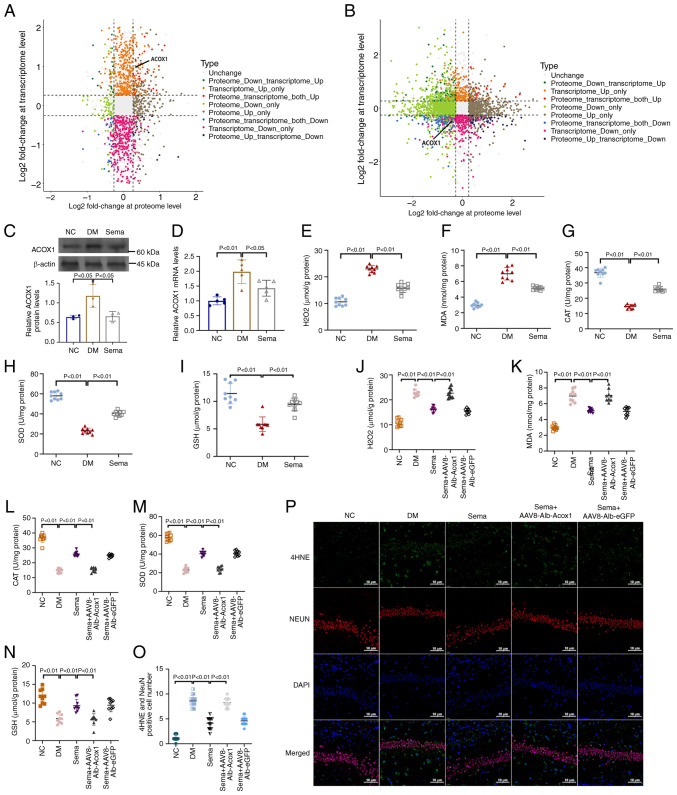
The aim of the present study was to investigate the neuroprotective effects of semaglutide in diabetes‑associated cognitive decline (DACD), while also exploring the underlying mechanisms targeting anti‑oxidative effects. The present study evaluated the antioxidant properties of semaglutide using a DACD model of inflammation. To investigate the underlying mechanisms, omics technologies were employed. Comprehensive transcriptomic and proteomic analysis of the cells was conducted to identify the pathways responsible for the observed antioxidant effects. Semaglutide demonstrated the potential to enhance learning and memory functions while mitigating hippocampal pathological damage. RNA‑sequencing and data‑independent acquisition proteomics analyses identified 13,511 differentially expressed genes and 588 differentially expressed proteins between the control and type 2 diabetes mellitus (T2DM) groups. In addition, 1,378 genes and 2,394 proteins exhibited a differential expression between the T2DM and semaglutide (10 µg/kg) treatment groups. A combined transcriptomic and proteomic analysis unveiled 40 common pathways. Acyl‑CoA oxidase 1 (ACOX1) was observed to be activated during oxidative stress and subsequently suppressed by semaglutide. Of note, the antioxidant and anti‑apoptotic properties of semaglutide in high glucose (HG) conditions were partially reversed upon ACOX1 overexpression. Overall, the present data provided molecular evidence to elucidate the physiological connections between semaglutide and neuronal function, and contribute to clarifying the role of semaglutide in combating oxidative stress and HG‑induced cognitive impairment.
本研究的目的是探讨司美格鲁肽对糖尿病相关认知功能减退(DACD)的神经保护作用,同时探究其抗氧化作用的潜在机制。本研究使用炎症性DACD模型评估了司美格鲁肽的抗氧化特性。为了探究潜在机制,采用了组学技术。对细胞进行了全面的转录组和蛋白质组分析,以确定导致观察到的抗氧化作用的途径。司美格鲁肽显示出增强学习和记忆功能、减轻海马体病理损伤的潜力。RNA测序和数据非依赖采集蛋白质组学分析确定了对照组和2型糖尿病(T2DM)组之间有13511个差异表达基因和588个差异表达蛋白质。此外,T2DM组和司美格鲁肽(10μg/kg)治疗组之间有1378个基因和2394个蛋白质表现出差异表达。转录组和蛋白质组联合分析揭示了40条共同途径。观察到酰基辅酶A氧化酶1(ACOX1)在氧化应激期间被激活,随后被司美格鲁肽抑制。值得注意的是,在高糖(HG)条件下,ACOX1过表达后,司美格鲁肽的抗氧化和抗凋亡特性部分逆转。总体而言,本研究数据提供了分子证据,以阐明司美格鲁肽与神经元功能之间的生理联系,并有助于阐明司美格鲁肽在对抗氧化应激和HG诱导的认知障碍中的作用。