Park Jeong Hwan, Mok Jongsoo, Park Seoah, Kim Dooho, Kang Min-Su, Park Tae Sub, Park Joonghoon
Department of International Agricultural Technology, Graduate School of International Agricultural Technology, Seoul National University, Seoul, Republic of Korea.
Institute of Green Bio Science and Technology, Seoul National University, Seoul, Republic of Korea.
J Cachexia Sarcopenia Muscle. 2025 Feb;16(1):e13704. doi: 10.1002/jcsm.13704.
Muscle diseases are serious challenges to human health. Prokineticin receptor 1 (PROKR1) has emerged as a potential target to improve muscle function through increasing oxidative muscle fibres, but there are no clinically applicable synthetic PROKR1 agonists.
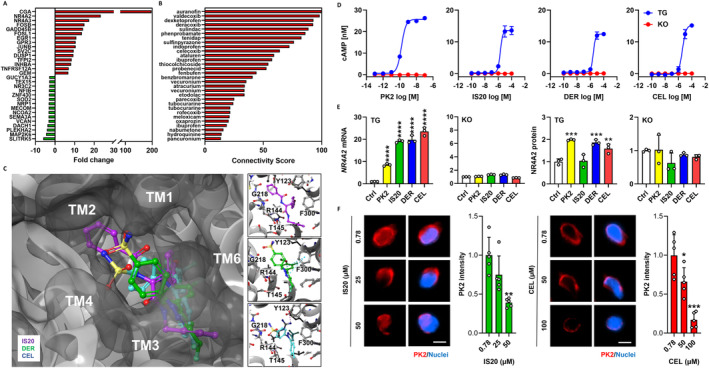
Drugs with biological properties of prokineticin 2 (PK2) were discovered through connectivity map (CMap) analysis. Their effects on PROKR1 were evaluated using molecular docking, PROKR1 signalling and competitive binding assays. Pregnant dams were fed diets containing varying celecoxib concentrations (0, 500, 1000 and 1500 ppm) from gestation day 5 through weaning. Offspring were given high-fat diets (HFD) from weaning until 20 weeks old, and body composition, insulin resistance, energy expenditure, exercise performance and histological analysis of muscle tissues were evaluated.
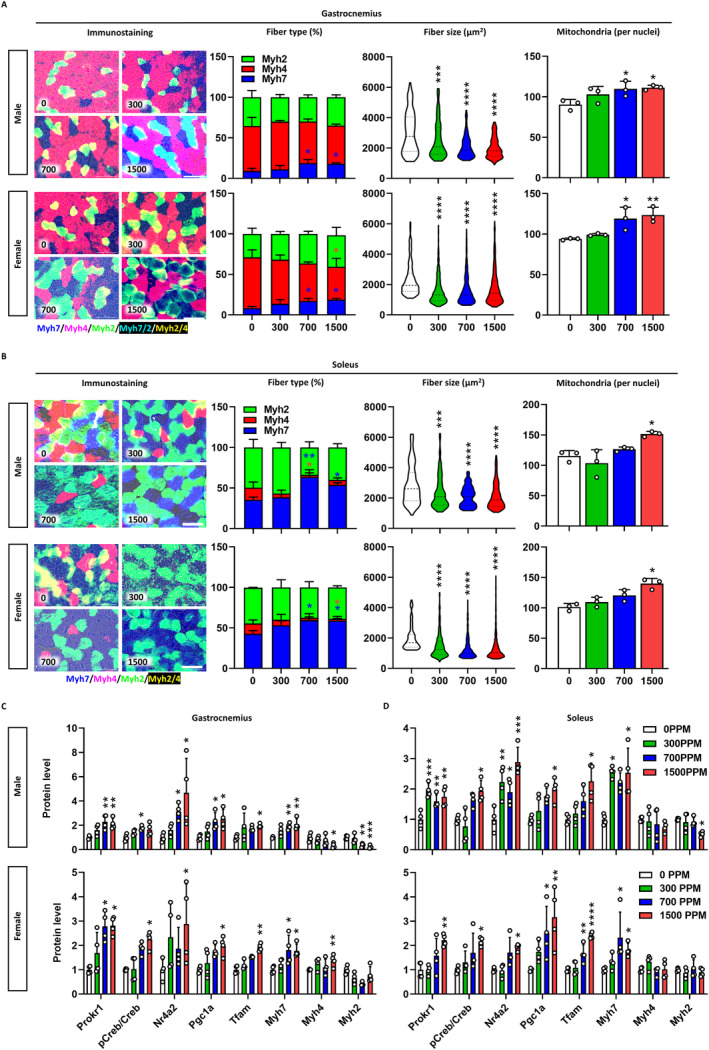
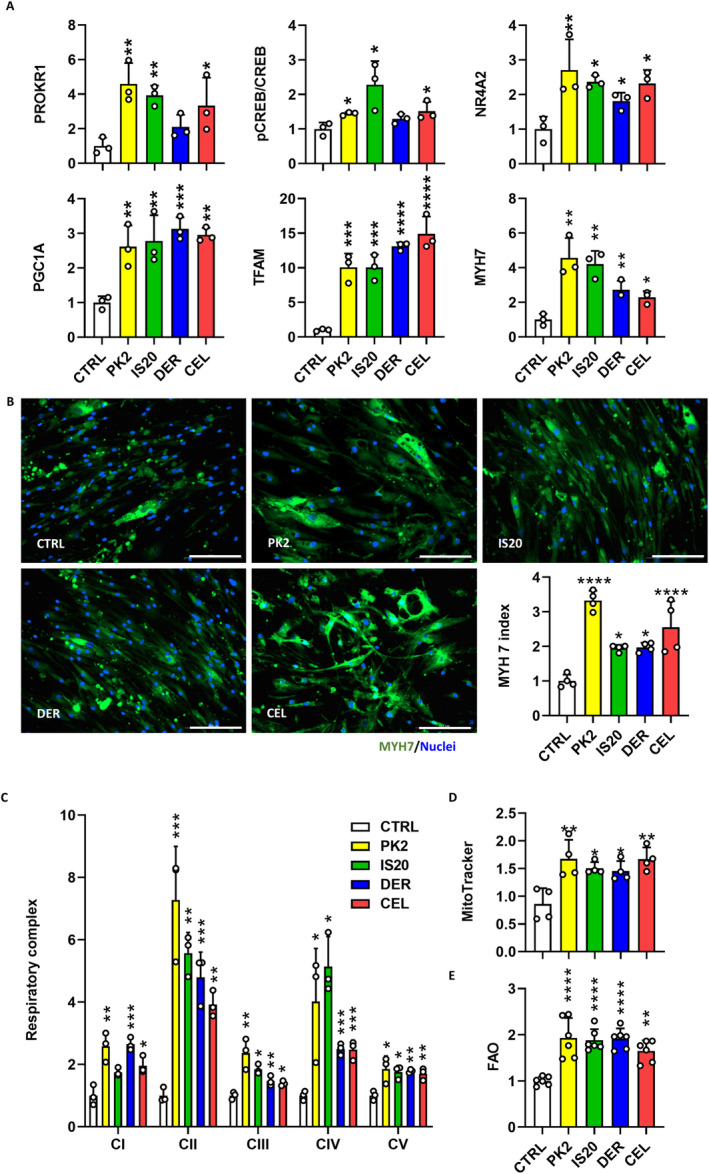
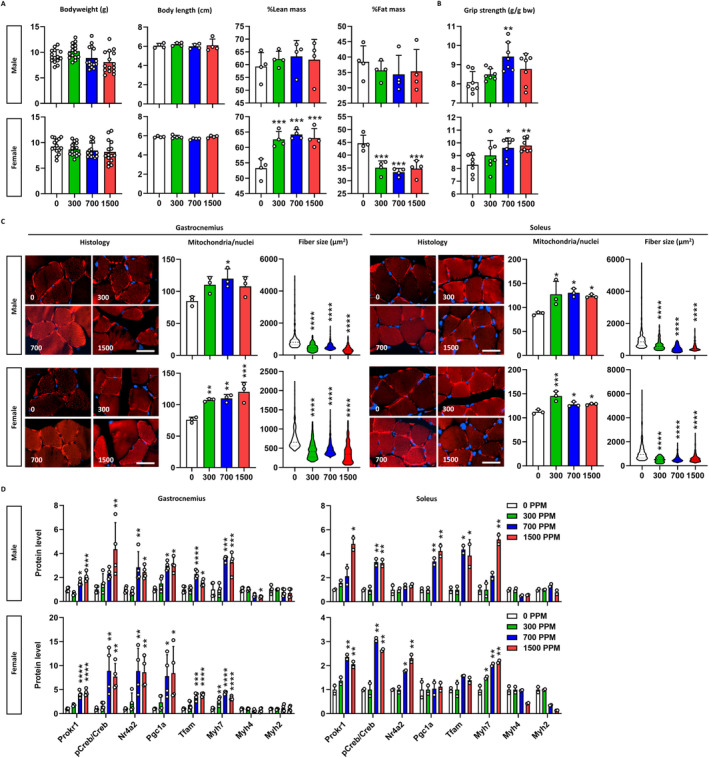
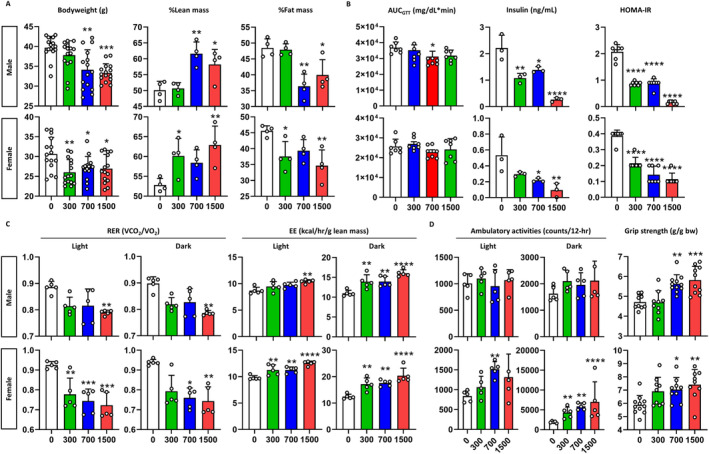
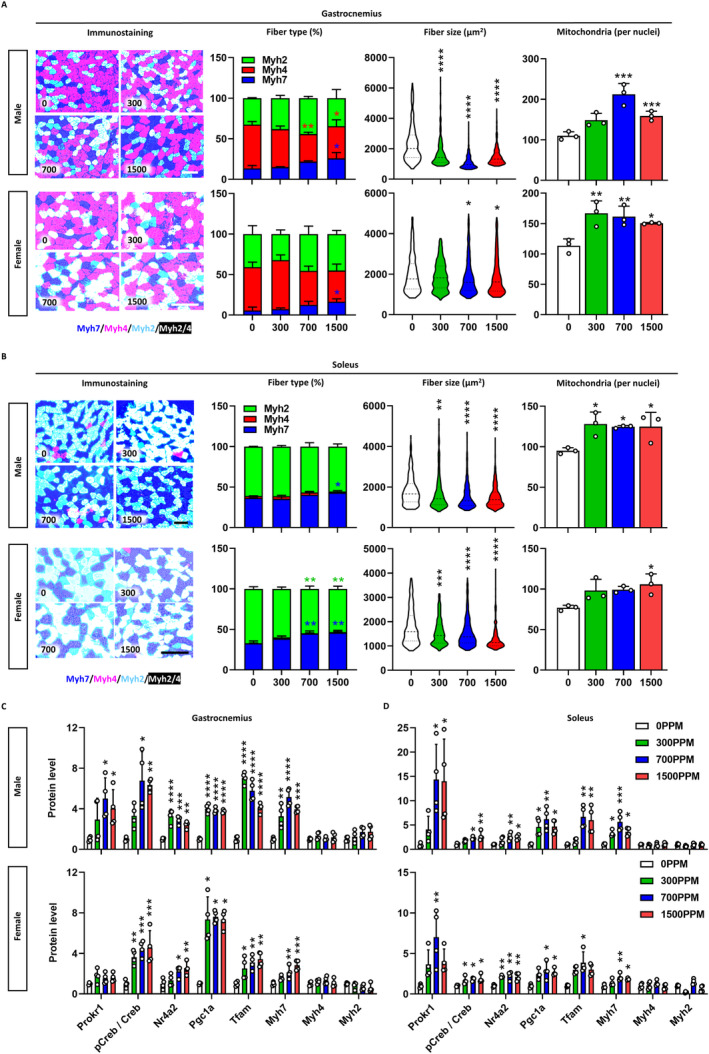
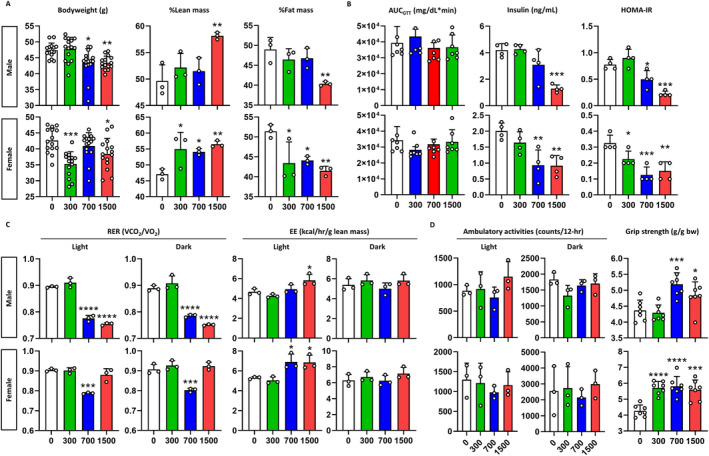
Celecoxib, with a connectivity score of 64.19 to PK2 and a docking score of -9.0 to PROKR1, selectively activated Gs signalling at 4 μM of EC and increased NR4A2 protein levels by 1.6-fold (p < 0.01) in PROKR1-overexpressing cells. It competitively inhibited PK2 binding to PROKR1 and reduced cAMP accumulation. In murine and human myotubes, celecoxib increased Prokr1 protein levels by 1.8-fold (p < 0.05), pCreb by 1.5-fold (p < 0.05) and Nr4a2 by 1.3-fold (p < 0.05). It also elevated Myh7 index by 2.2-fold (p < 0.0001), mitochondrial content by 1.6-fold (p < 0.001) and fatty acid oxidation (FAO) activity by 4.1-fold (p < 0.05). Offspring exposed to celecoxib during pre- and postnatal muscle development exhibited activated Prokr1 signalling, enhanced oxidative muscle fibre formation and improved muscle phenotype despite HFD. At weaning, both male and female offspring showed dose-dependent increases in lean mass (> 9.35%, p < 0.001) and grip strength (< 18.0%, p < 0.01). At 12 weeks old, mice displayed a dose-dependent decrease in weight loss (> 13.3%, p < 0.05), increased lean mass (> 16.2%, p < 0.05), improved insulin resistance (> 70.4%, p < 0.0001), energy expenditure (> 173%, p < 0.0001) and grip strength (> 23.5%, p < 0.001). Celecoxib also increased Myh7-positive muscle fibre composition (> 10.8%, p < 0.05) and mitochondrial mass (> 32.8%, p < 0.05) in the gastrocnemius and soleus muscles, accompanied by significant Prokr1 signalling activation. These effects persisted in both male and female mice at 20 weeks old.
Celecoxib shows promise as a PROKR1 agonist and clinically applicable exercise mimetic for the treatment of muscular disorders.
肌肉疾病是对人类健康的严峻挑战。促动力蛋白受体1(PROKR1)已成为通过增加氧化型肌纤维来改善肌肉功能的潜在靶点,但目前尚无临床可用的合成PROKR1激动剂。
通过连接图谱(CMap)分析发现具有促动力蛋白2(PK2)生物学特性的药物。使用分子对接、PROKR1信号传导和竞争性结合试验评估它们对PROKR1的作用。从妊娠第5天到断奶,给怀孕的母鼠喂食含有不同塞来昔布浓度(0、500、1000和1500 ppm)的饮食。后代从断奶到20周龄给予高脂饮食(HFD),并评估身体组成、胰岛素抵抗、能量消耗、运动表现和肌肉组织的组织学分析。
塞来昔布与PK2的连接分数为64.19,与PROKR1的对接分数为-9.0,在4 μM的EC浓度下选择性激活Gs信号传导,并使PROKR1过表达细胞中的NR4A2蛋白水平增加1.6倍(p < 0.01)。它竞争性抑制PK2与PROKR1的结合并减少cAMP积累。在小鼠和人肌管中,塞来昔布使Prokr1蛋白水平增加1.8倍(p < 0.05),pCreb增加1.5倍(p < 0.05),Nr4a2增加1.3倍(p < 0.05)。它还使Myh7指数增加2.2倍(p < 0.0001),线粒体含量增加1.6倍(p < 0.001),脂肪酸氧化(FAO)活性增加4.1倍(p < 0.05)。在出生前和出生后肌肉发育期间暴露于塞来昔布的后代,尽管给予HFD,但仍表现出Prokr1信号传导激活、氧化型肌纤维形成增强和肌肉表型改善。断奶时,雄性和雌性后代的瘦体重均呈剂量依赖性增加(> 9.35%,p < 0.001),握力增加(< 18.0%,p < 0.0)。12周龄时,小鼠体重减轻呈剂量依赖性降低(> 13.3%,p < 0.05),瘦体重增加(> 16.2%,p < 0.05),胰岛素抵抗改善(> 70.4%,p < 0.0001),能量消耗增加(> 173%,p < 0.0001),握力增加(> 23.5%,p < 0.001)。塞来昔布还增加了腓肠肌和比目鱼肌中Myh7阳性肌纤维组成(> 10.8%,p < 0.05)和线粒体质量(> 32.8%,p < 0.05),同时伴有明显的Prokr1信号传导激活。这些作用在20周龄的雄性和雌性小鼠中均持续存在。
塞来昔布有望作为一种PROKR1激动剂和临床上适用的运动模拟物用于治疗肌肉疾病。