Jin Enyou, Yang Yusheng, Cong Shengjie, Chen Dengke, Chen Ruixiong, Zhang Jun, Hu Yanjun, Chen Weini
Faculty of Chinese Medicine, Macau University of Science and Technology, Macao, 999078, China.
School of Chinese Medicine, Macao University of Science and Technology Hospital, Zhuhai, Guangdong Province, 519000, China.
J Nanobiotechnology. 2025 Jan 31;23(1):68. doi: 10.1186/s12951-025-03138-y.
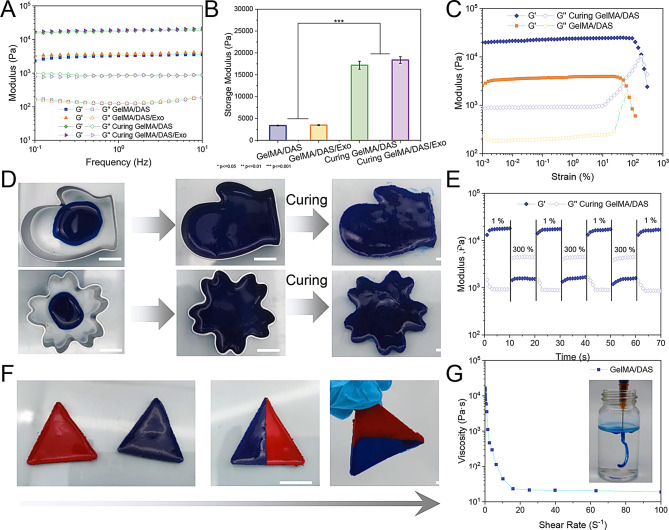
The orderly regulation of immune inflammation and promotion of the regeneration of skin vessels and fibers are key to the treatment of diabetic skin injury (DSI). Although various traditional polypeptide biological dressings continue to be developed, their efficacy is not satisfactory. In recent years, plant-to-mammal regulation has provided an effective approach for chronic wound management, but the development of effective plant-based treatments remains challenging. The development of exosomes from Chinese herbs is promising for wound healing. In this study, plant exosomes derived from lemons (Citrus limon) were extracted, and their biological efficacy was verified. Lemon exosomes regulated the polarization reprogramming of macrophages, promoted the proliferation and migration of vascular endothelial cells and fibroblasts, and thus promoted the healing of diabetic wounds. To solve the problems of continuous drug delivery and penetration depth, Lemon Exosomes were loaded into a hydrogel constructed of Gelatin Methacryloyl (GelMA) and Dialdehyde Starch (DAS) that closely fits to the skin, absorbs water, swells, and is moist and breathable, effectively promoting the sustained and slow release of exosomes and resulting in excellent performance for diabetic wound healing. Our GelMA-DAS-Lemon Exosomes hydrogel (GelMA/DAS/Exo hydrogel) patch represents a potentially valuable option for repairing diabetic wounds in clinical applications.
免疫炎症的有序调节以及皮肤血管和纤维再生的促进是糖尿病皮肤损伤(DSI)治疗的关键。尽管各种传统的多肽生物敷料不断被研发,但它们的疗效并不令人满意。近年来,植物对哺乳动物的调节为慢性伤口管理提供了一种有效方法,但开发有效的植物源性治疗方法仍然具有挑战性。中药外泌体的开发在伤口愈合方面具有广阔前景。在本研究中,提取了源自柠檬(Citrus limon)的植物外泌体,并验证了其生物学功效。柠檬外泌体调节巨噬细胞的极化重编程,促进血管内皮细胞和成纤维细胞的增殖和迁移,从而促进糖尿病伤口的愈合。为了解决持续给药和渗透深度的问题,将柠檬外泌体负载到由甲基丙烯酰化明胶(GelMA)和二醛淀粉(DAS)构建的水凝胶中,该水凝胶与皮肤紧密贴合,吸水、膨胀,湿润且透气,有效促进外泌体的持续缓慢释放,并在糖尿病伤口愈合方面表现出色。我们的GelMA-DAS-柠檬外泌体水凝胶(GelMA/DAS/Exo水凝胶)贴片在临床应用中代表了一种修复糖尿病伤口的潜在有价值的选择。