Sun Yulu, Guan Jianbin, Chen Hao, Sun Xiaojie, Yang Kaitan, Fang Qing
Yangling Demonstration Zone Hospital, Yangling, 712100, China.
Honghui-hospital, Xi'an Jiaotong University, Xi'an, 710054, China.
BMC Musculoskelet Disord. 2025 Feb 1;26(1):96. doi: 10.1186/s12891-025-08333-4.
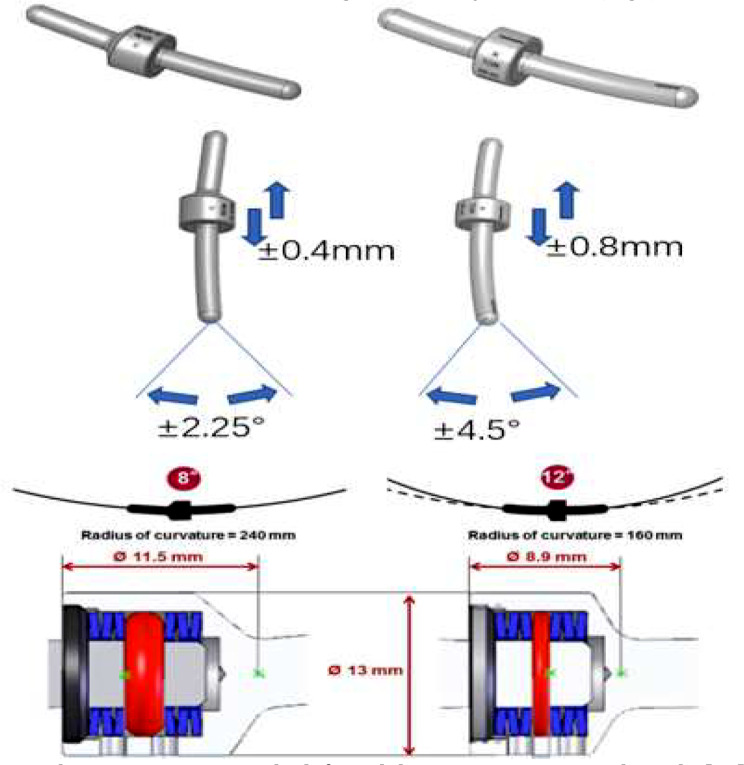
This study aims to compare the effects of two generations of the Isobar dynamic fixation system-Isobar TTL (first-generation, less mobile) and Isobar EVO (second-generation, more mobile)-on the surgical and adjacent intervertebral disc segments, based on MRI findings.
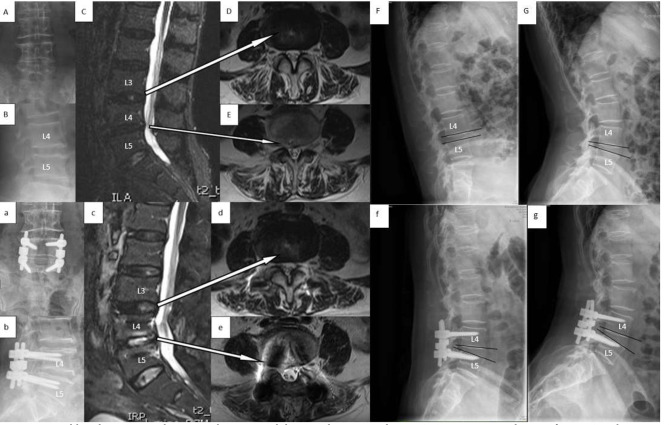
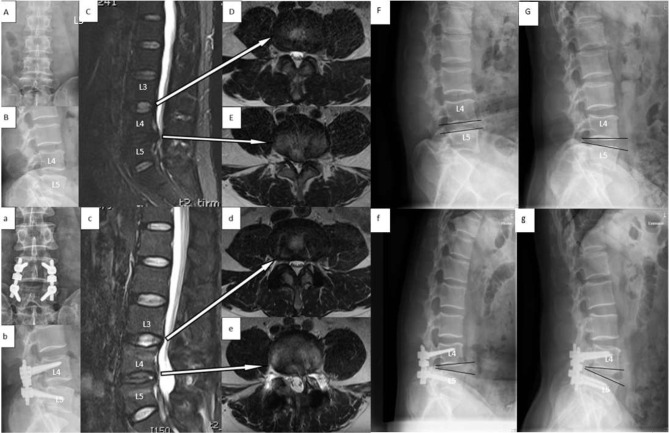
A retrospective analysis was conducted on 29 patients treated with fenestrated decompression and Isobar EVO stabilization and 34 patients treated with fenestrated decompression and Isobar TTL stabilization. Clinical outcomes and radiographic parameters, including the disc height index (DHI) and range of motion (ROM) of the surgical and upper adjacent segments, lateral neural foraminal protrusion value (LNPV) of the upper adjacent segment, and Pfirrmann grading of disc degeneration, were evaluated and compared between the two groups.
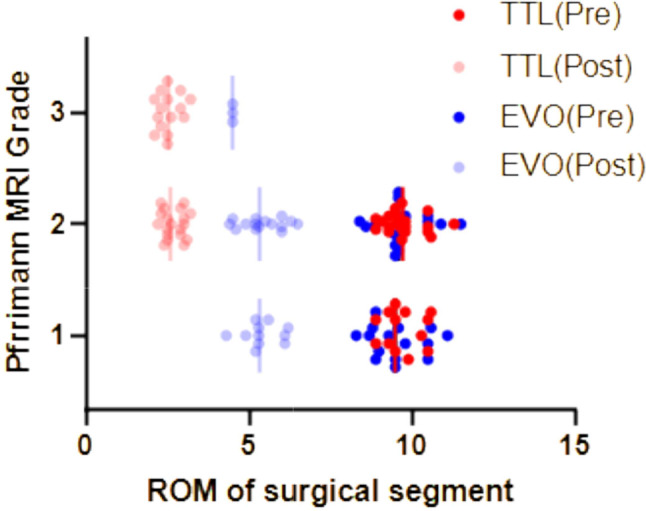
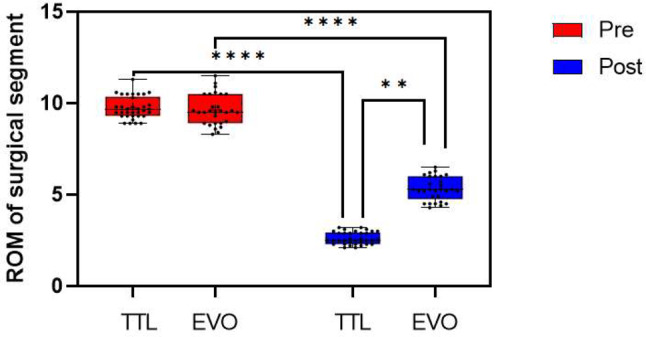
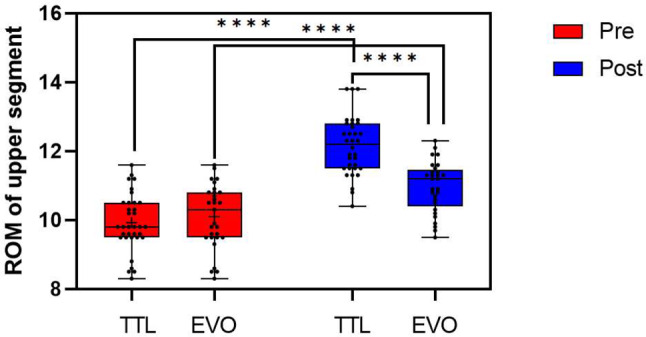
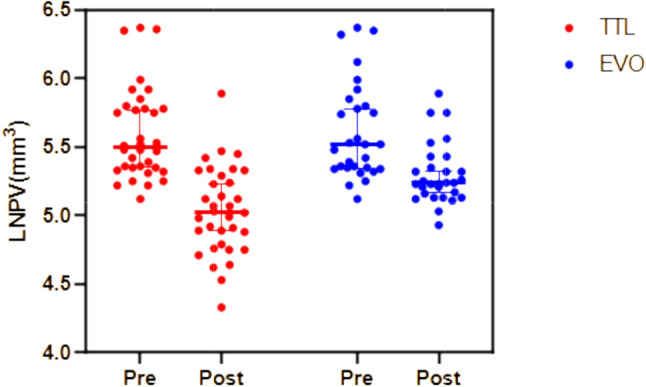
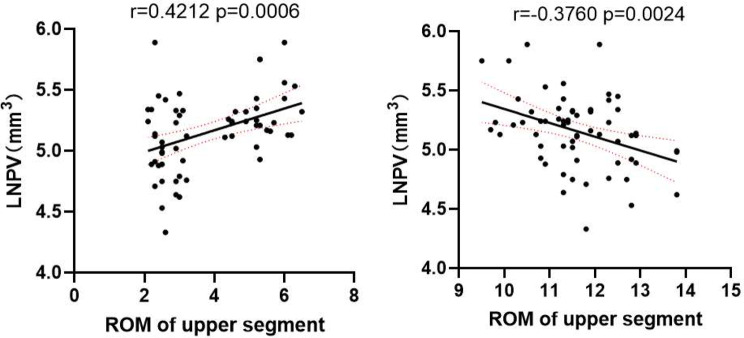
At the 48-month follow-up, no significant differences in Visual Analog Scale (VAS) scores or Oswestry Disability Index (ODI) were observed between the two groups (P > 0.01). The EVO group demonstrated significantly higher surgical segment DHI and ROM compared to the TTL group (P < 0.01). Meanwhile, the upper adjacent segment ROM was significantly lower in the EVO group compared to the TTL group at the final follow-up (P < 0.01). Additionally, the upper adjacent segment LNPV was larger in the EVO group than in the TTL group (P < 0.01). Pfirrmann grading revealed greater degeneration in surgical segments treated with TTL compared to EVO (P = 0.008).
Compared to the first-generation, less mobile Isobar TTL, the second-generation, more mobile Isobar EVO offers superior preservation of the surgical segment and slows the progression of degeneration in the upper adjacent segments. These findings highlight the benefits of greater mobility in posterior dynamic stabilization devices.
本研究旨在基于MRI结果,比较两代等压动态固定系统——等压TTL(第一代,活动度较小)和等压EVO(第二代,活动度较大)——对手术节段及相邻椎间盘节段的影响。
对29例行开窗减压并接受等压EVO固定的患者和34例行开窗减压并接受等压TTL固定的患者进行回顾性分析。评估并比较两组患者的临床结局和影像学参数,包括手术节段及上位相邻节段的椎间盘高度指数(DHI)和活动度(ROM)、上位相邻节段的侧隐窝突出值(LNPV)以及椎间盘退变的Pfirrmann分级。
在48个月的随访中,两组患者的视觉模拟评分(VAS)或Oswestry功能障碍指数(ODI)均无显著差异(P>0.01)。与TTL组相比,EVO组手术节段的DHI和ROM显著更高(P<0.01)。同时,在末次随访时,EVO组上位相邻节段的ROM显著低于TTL组(P<0.01)。此外,EVO组上位相邻节段的LNPV大于TTL组(P<0.01)。Pfirrmann分级显示,与EVO相比,接受TTL治疗的手术节段退变更严重(P=0.008)。
与第一代活动度较小的等压TTL相比,第二代活动度较大的等压EVO能更好地保留手术节段,并减缓上位相邻节段的退变进展。这些发现凸显了后路动态稳定装置更大活动度的益处。