Xue Yizheng, Chen Tianyi, Ma Zehua, Pu Xinyuan, Xu Junyao, Zhai Shuanfeng, Du Xinxing, Ji Yiyi, Simon M Celeste, Zhai Wei, Xue Wei
Department of Urology, Ren Ji Hospital, Shanghai Jiao Tong University School of Medicine, Shanghai, 200120, China; Abramson Family Cancer Research Institute, University of Pennsylvania, Philadelphia, PA, 19104, USA.
Department of Urology, Ren Ji Hospital, Shanghai Jiao Tong University School of Medicine, Shanghai, 200120, China.
Cancer Lett. 2025 Mar 31;613:217514. doi: 10.1016/j.canlet.2025.217514. Epub 2025 Jan 31.
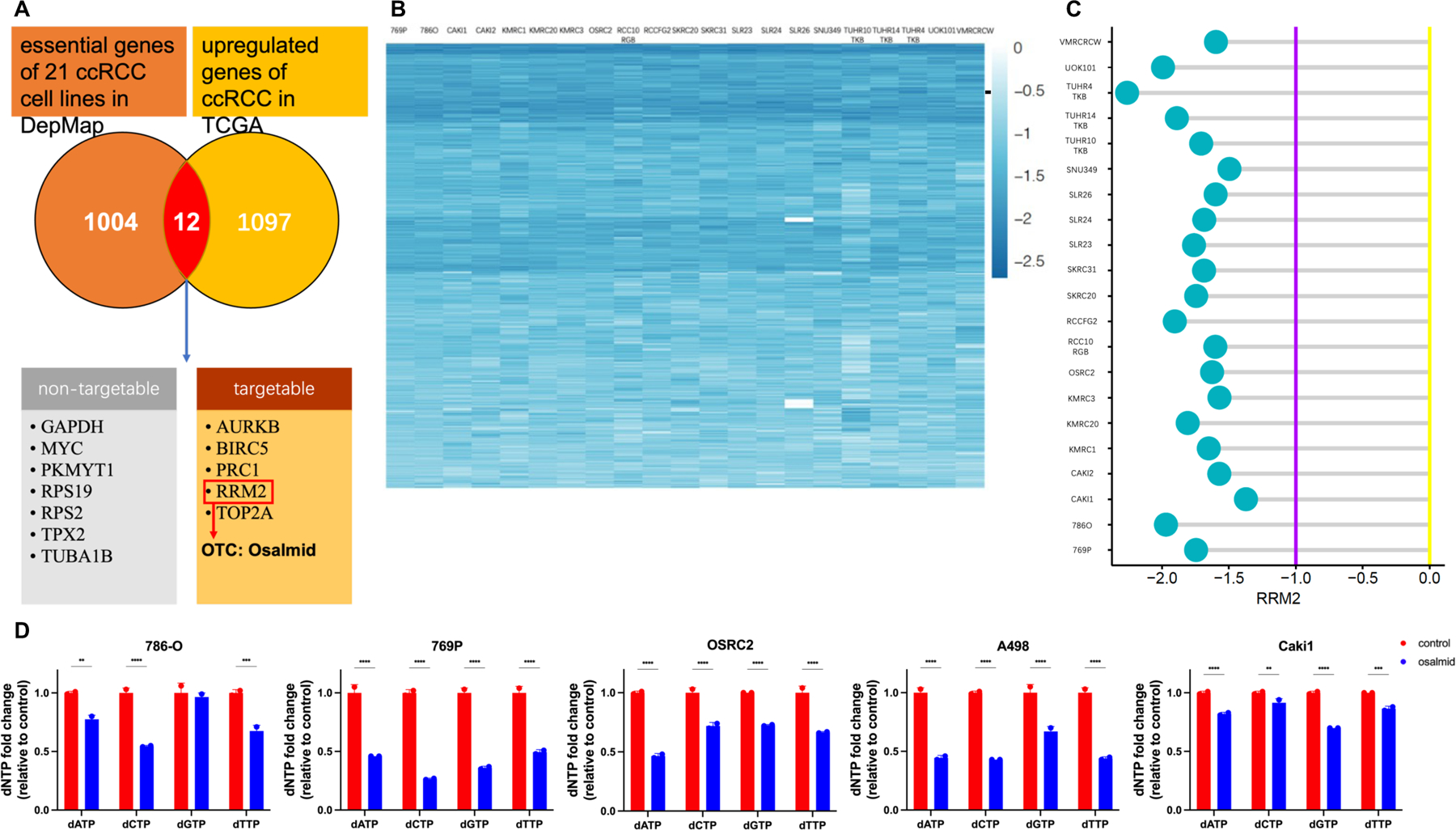
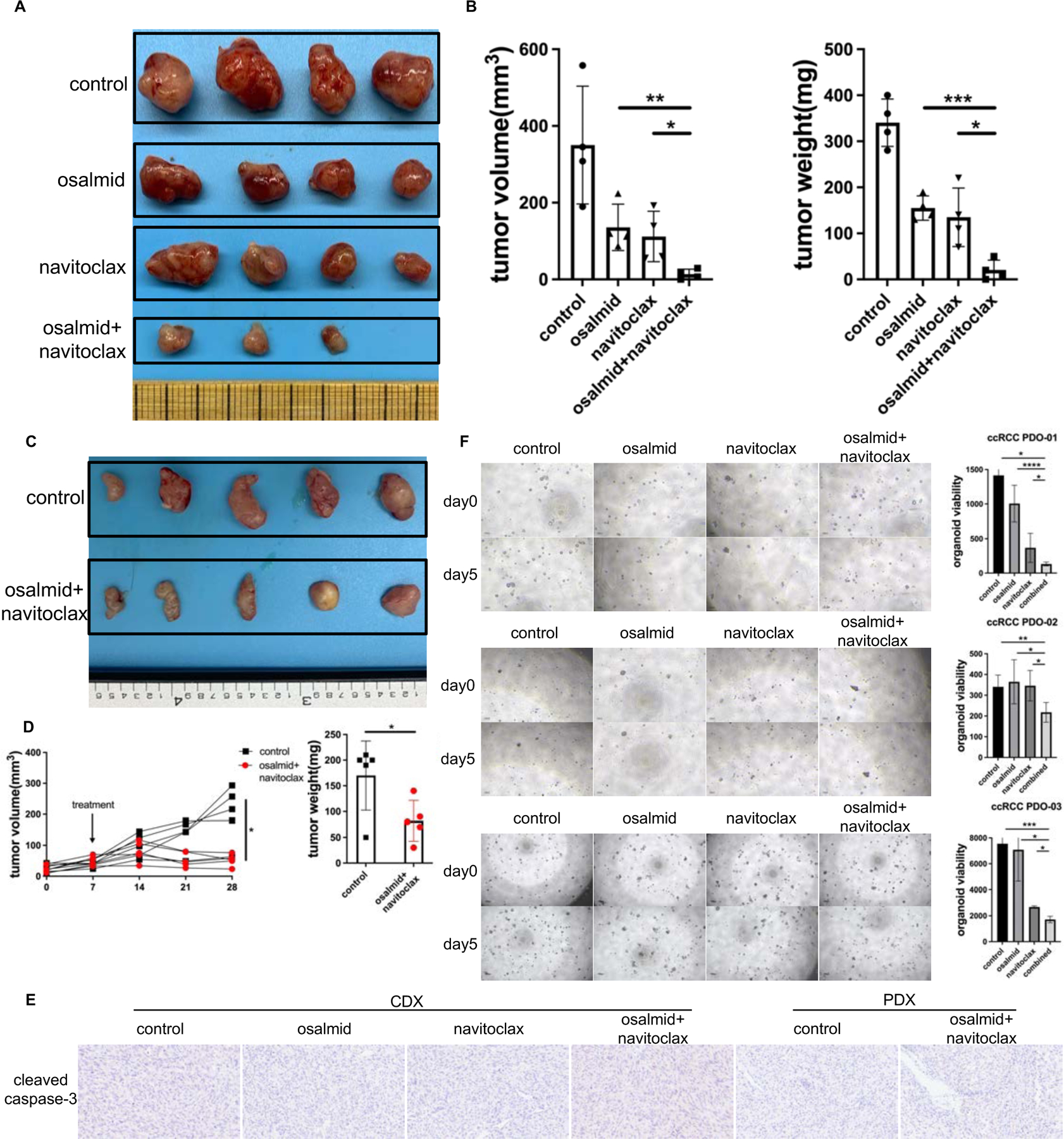
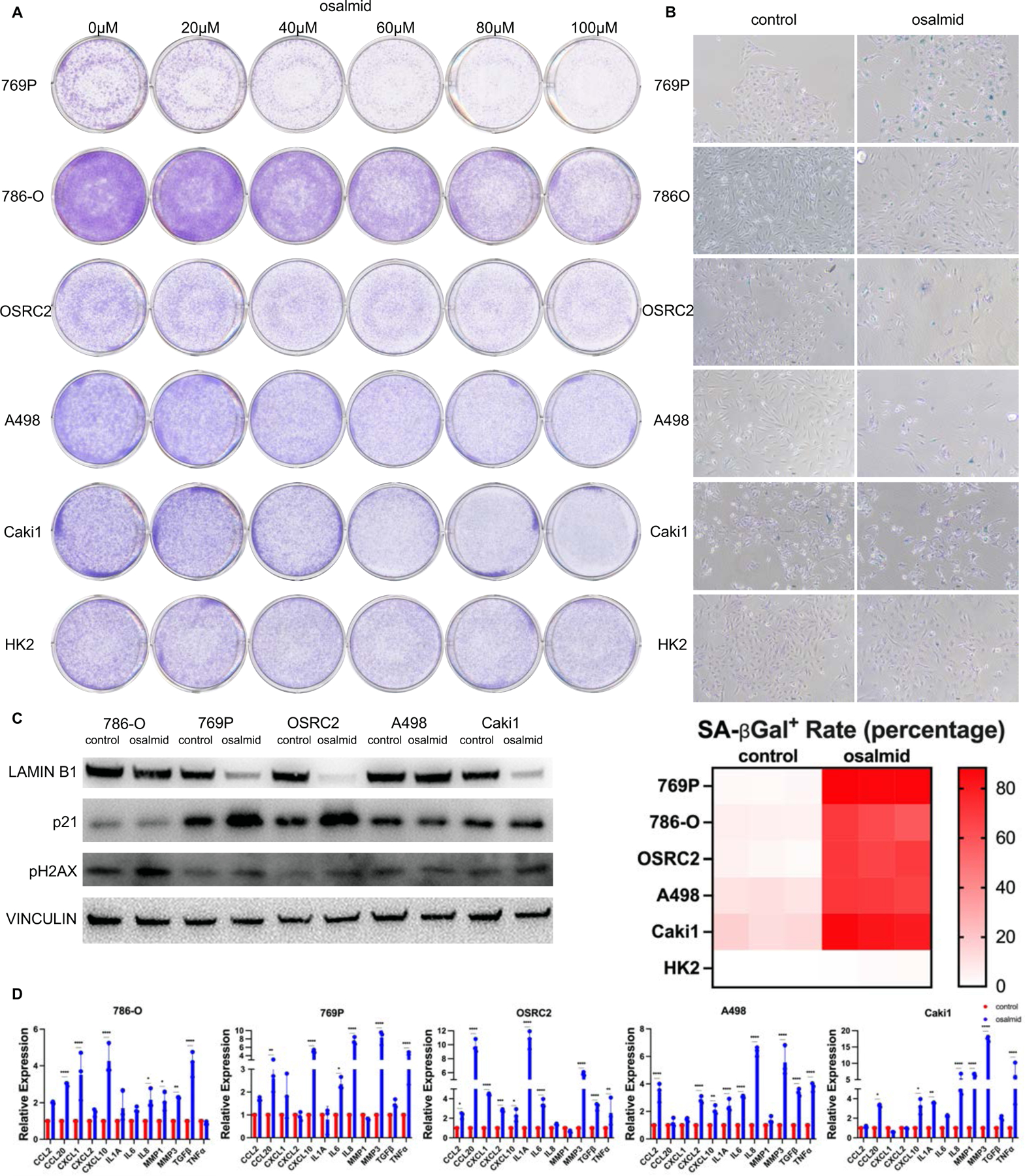
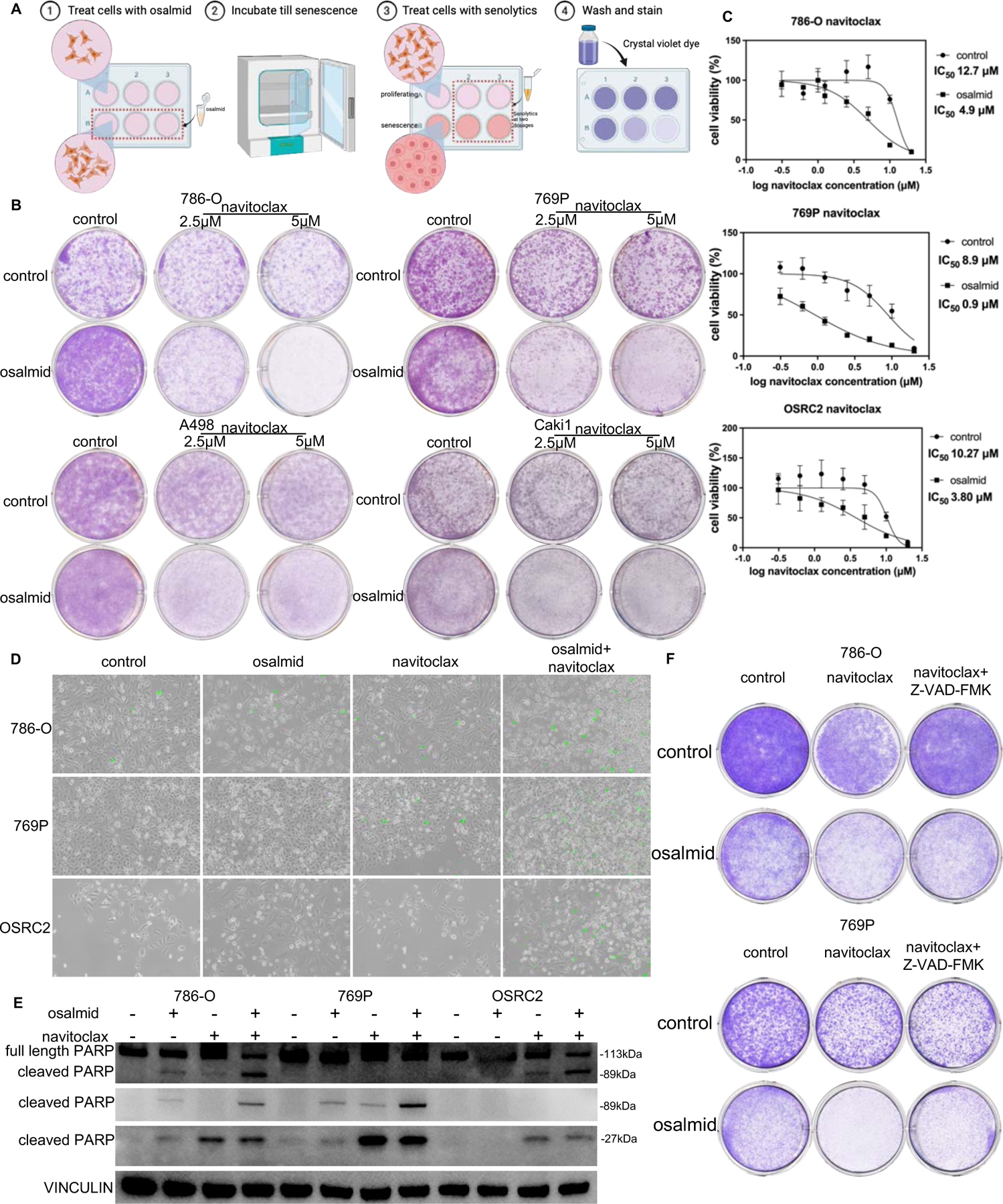
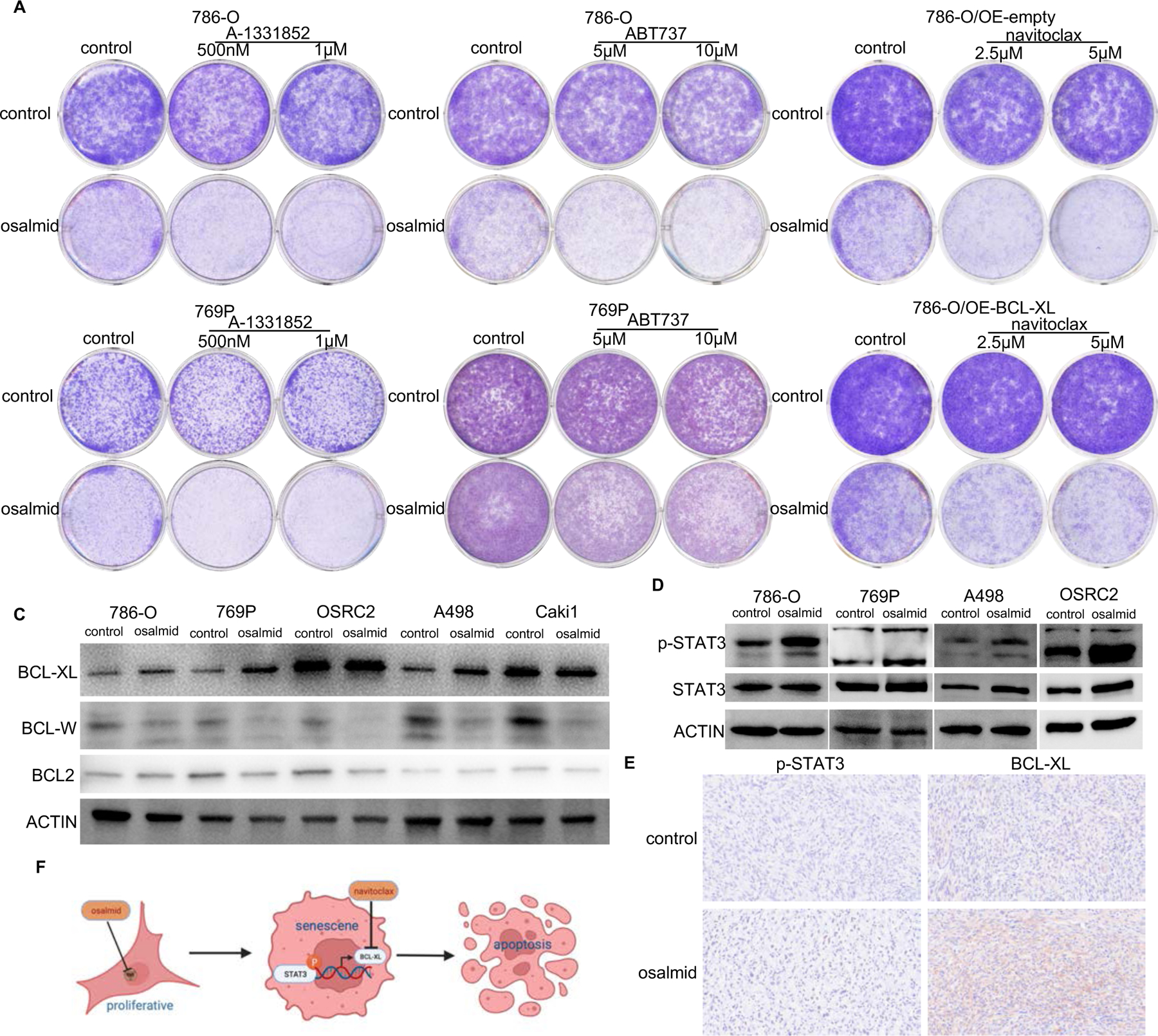
Clear cell renal cell carcinoma (ccRCC) is a common and lethal urinary malignancy characterized by its resistance to apoptosis. Despite the emerging treatment options available for ccRCC, only a small proportion of patients achieve long-term survival benefits. Previous studies have demonstrated that inducing tumor cell senescence, followed by treatment using senolytics, represents a potential strategy for triggering tumor cell apoptosis. However, it remains unclear whether this strategy is suitable for the treatment of ccRCC. Using the whole-genome CRISPR screening database Dependency Map portal (DepMap), we identified ribonucleotide reductase family member 2 (RRM2), which catalyzes the conversion of ribonucleotides to deoxyribonucleotides (dNTPs), as an essential targetable gene for ccRCC. Herein, we report that the combination of the choleretic drug osalmid targeting RRM2 and the senolytic compound navitoclax targeting BCL-XL represents a novel therapeutic approach for ccRCC. Furthermore, we have validated this approach across a panel of human ccRCC cells with different genetic backgrounds and multiple preclinical models, including cell line-derived xenografts (CDX), patient-derived xenografts (PDX), and patient-derived organoids (PDO). Mechanistically, osalmid-mediated inhibition of dNTPs generation induces cellular senescence in ccRCC, concomitant with STAT3 activation and upregulation of BCL-XL, thus rendering these cells vulnerable to navitoclax, which targets the BCL-2 protein family.
透明细胞肾细胞癌(ccRCC)是一种常见且致命的泌尿系统恶性肿瘤,其特征是对细胞凋亡具有抗性。尽管针对ccRCC有了新出现的治疗选择,但只有一小部分患者能获得长期生存益处。先前的研究表明,诱导肿瘤细胞衰老,随后使用衰老细胞溶解剂进行治疗,是触发肿瘤细胞凋亡的一种潜在策略。然而,该策略是否适用于ccRCC的治疗仍不清楚。利用全基因组CRISPR筛选数据库依赖图谱门户(DepMap),我们确定了催化核糖核苷酸转化为脱氧核糖核苷酸(dNTPs)的核糖核苷酸还原酶家族成员2(RRM2),作为ccRCC的一个重要可靶向基因。在此,我们报告,靶向RRM2的利胆药物奥柳氮和靶向BCL-XL的衰老细胞溶解化合物纳维托克司的联合使用,代表了一种治疗ccRCC的新方法。此外,我们已经在一组具有不同遗传背景的人ccRCC细胞以及多个临床前模型中验证了该方法,这些模型包括细胞系衍生异种移植瘤(CDX)、患者衍生异种移植瘤(PDX)和患者衍生类器官(PDO)。从机制上讲,奥柳氮介导的dNTPs生成抑制在ccRCC中诱导细胞衰老,同时伴随STAT3激活和BCL-XL上调,从而使这些细胞对靶向BCL-2蛋白家族的纳维托克司敏感。